Quick Summary
Choosing the correct size of a flange butterfly valve is essential to ensure smooth operation, energy efficiency, and system safety. This guide explains how to determine the right size based on flow rate, pressure, pipe diameter, and valve type — helping you make an informed decision for your industrial system.

What Is a Flange Butterfly Valve?
A flange butterfly valve is a quarter-turn valve designed to regulate or isolate flow within a pipeline. It connects between two flanges, secured by bolts, making it suitable for larger pipes and higher pressure systems compared to wafer or lug types.
The design allows for compact installation, quick operation, and low maintenance, making flange butterfly valves common in water treatment, HVAC, oil and gas, and chemical applications.
Key Factors That Affect Valve Sizing
When selecting a flange butterfly valve, sizing involves more than matching the nominal pipe diameter. The following factors are critical for determining the correct size and ensuring long-term performance:
Flow Rate and Velocity
-
Flow rate (Q) determines how much fluid passes through the valve per unit of time.
-
Velocity (V) indicates how fast the fluid moves inside the pipeline.
For best results, maintain a flow velocity between 2–5 m/s for liquids and 10–20 m/s for gases to minimize erosion or vibration.
Pressure Rating
Ensure the valve’s pressure class matches or exceeds your system’s maximum operating pressure. Common ratings include PN10, PN16, and PN25, or ANSI 150/300 class.
Media Type
Consider whether the valve will handle liquid, gas, steam, or slurry. For corrosive or high-temperature fluids, materials like stainless steel, duplex steel, or PTFE lining are recommended.
Temperature
The valve’s sealing and body material should tolerate your operating temperature range to avoid leakage or deformation.
Standard Sizing Reference
The following chart provides a general sizing guide for flange butterfly valves. Actual selection should always consider your system’s specific flow and pressure conditions.
| Nominal Diameter (DN) | Inch Size | Flange Standard (ISO/DIN/ANSI) | Typical Face-to-Face (mm) |
|---|---|---|---|
| DN50 | 2” | PN10/16, ANSI 150 | 43 |
| DN100 | 4” | PN10/16, ANSI 150 | 52 |
| DN150 | 6” | PN10/16, ANSI 150 | 56 |
| DN200 | 8” | PN10/16, ANSI 150 | 60 |
| DN300 | 12” | PN10/16, ANSI 150 | 78 |
| DN400 | 16” | PN10/16, ANSI 150 | 102 |
| DN500 | 20” | PN10/16, ANSI 150 | 127 |
| DN600 | 24” | PN10/16, ANSI 150 | 154 |
Note: Dimensions and standards may vary slightly among manufacturers. Always confirm before installation.

Types of Flanged Butterfly Valves
Different flange butterfly valve designs suit specific system requirements:
Double Flanged Butterfly Valve
Provides the most robust connection and is ideal for high-pressure and large-diameter pipelines.
Triple Offset Butterfly Valve
Features a metal-to-metal seat for tight shutoff in high-temperature or corrosive media.
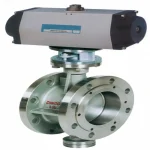
Pneumatic and Electric Butterfly Valves
Automated options for remote control or process automation. Pneumatic types offer quick action, while electric actuators provide precise control.
Gear Operated Butterfly Valve
Commonly used for large valves requiring manual torque assistance for smoother operation.
How to Choose the Right Size
-
Measure the pipeline inner diameter accurately.
-
Determine the flow rate and working pressure.
-
Use valve sizing software or charts to compare Cv (flow coefficient).
-
Check face-to-face and flange compatibility according to ISO 5752 or API 609 standards.
-
Confirm material compatibility with your fluid medium.
Correct sizing prevents excessive pressure loss, reduces energy waste, and extends valve service life.
Conclusion
Choosing the right flange butterfly valve size requires understanding your system’s flow conditions, flange standards, and material needs. A properly sized valve ensures efficient control, minimal maintenance, and extended service life.
If you’re unsure which size fits your application, consult a professional supplier who can assist with your customized sizing support.