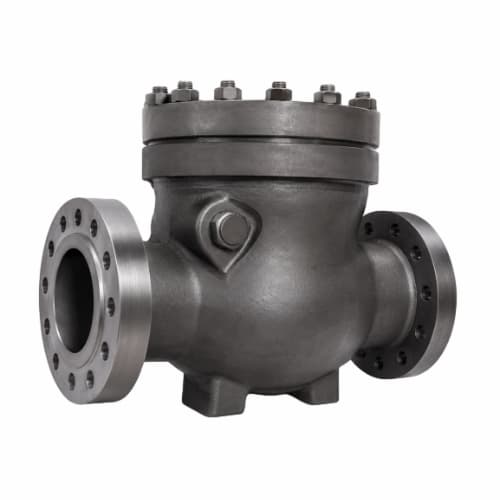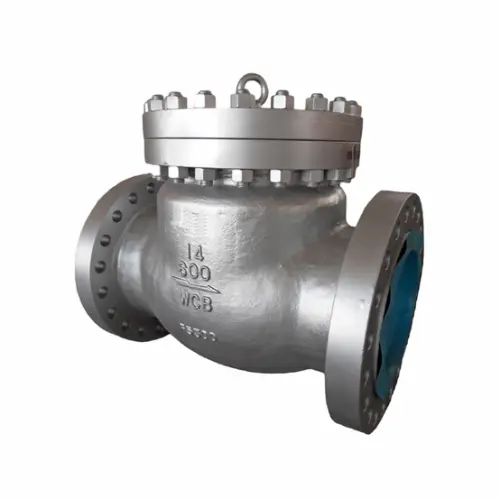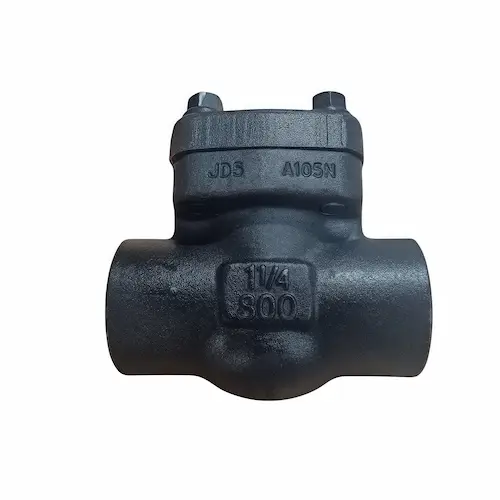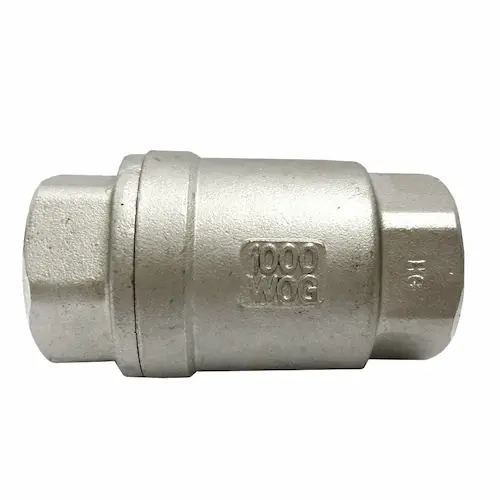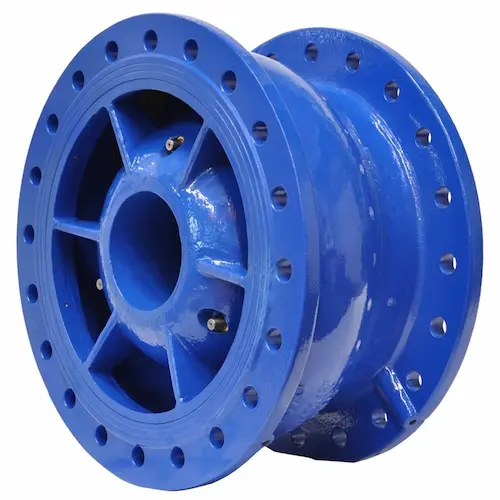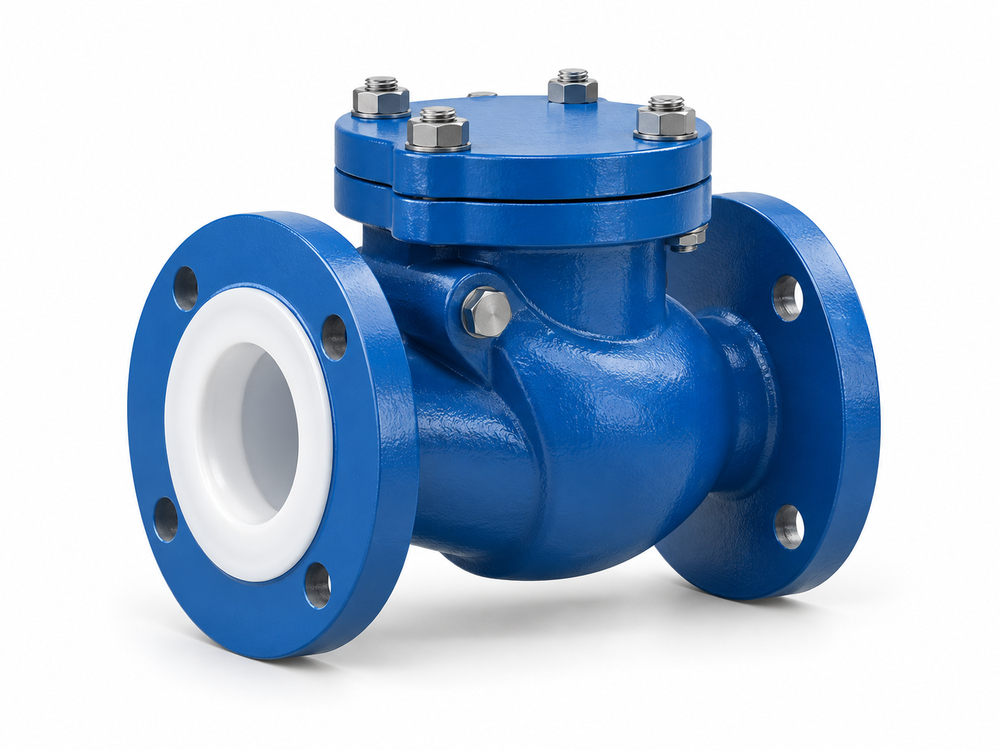

Vcore Valve supplies industrial check valves for reliable backflow prevention, pump protection and one-way flow control in water, oil, gas, chemical, power plant, HVAC and industrial pipeline systems. Available options include swing check valves, lift check valves, dual plate check valves, wafer check valves, stainless steel check valves, flanged check valves and customized non-return valve solutions.
Check valves operate automatically according to flow direction. When the medium flows forward, the valve opens. When the flow stops or reverses, the valve closes to prevent reverse flow, protect pumps and reduce the risk of equipment damage, contamination, water hammer and pipeline instability.
Send us your working medium, pressure, temperature, valve size, connection standard, installation direction, flow condition and material requirement. Vcore Valve can help recommend a suitable check valve solution before quotation.
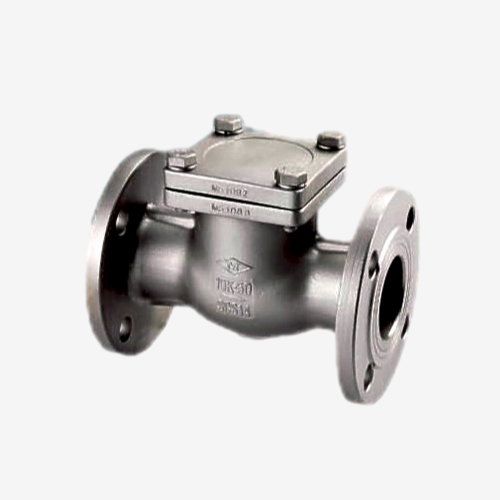
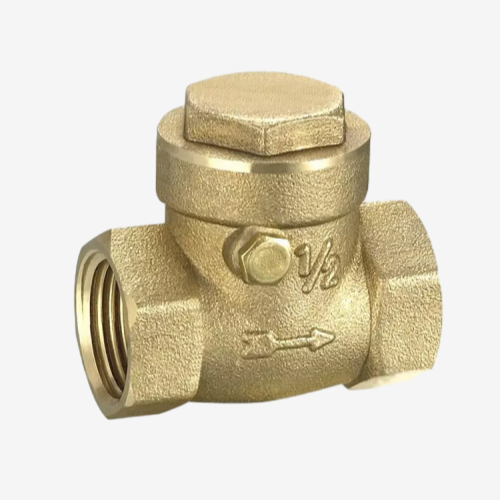
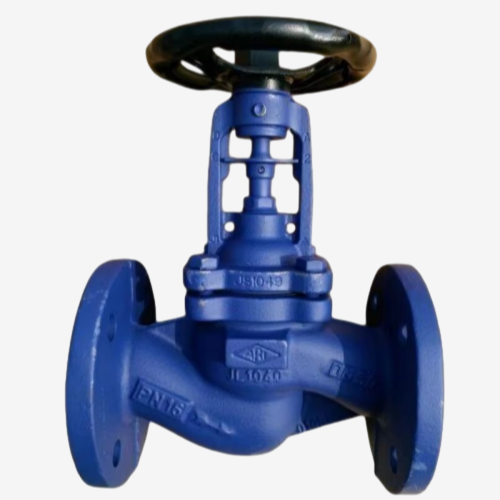
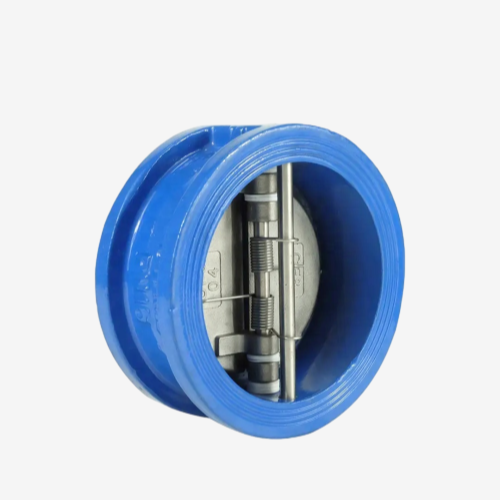
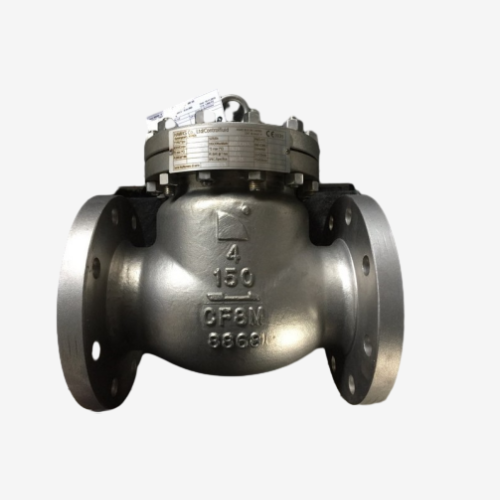
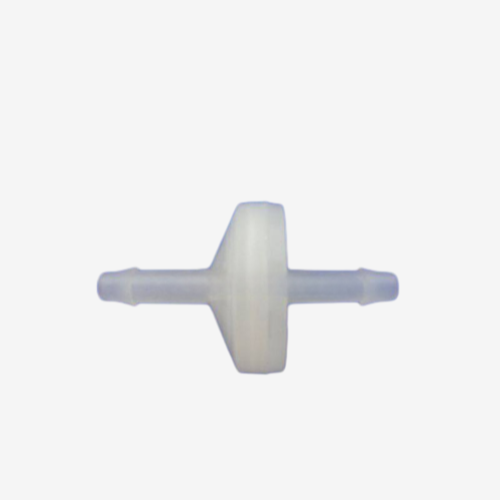
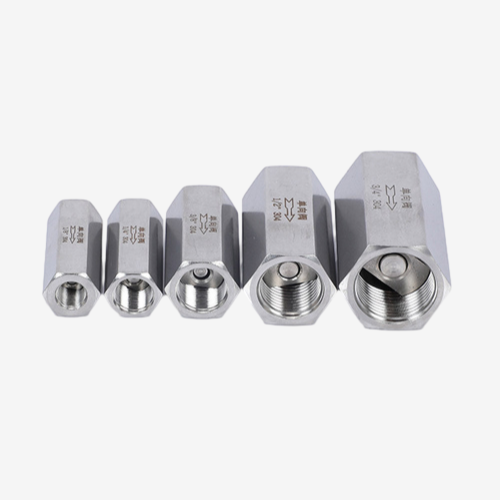
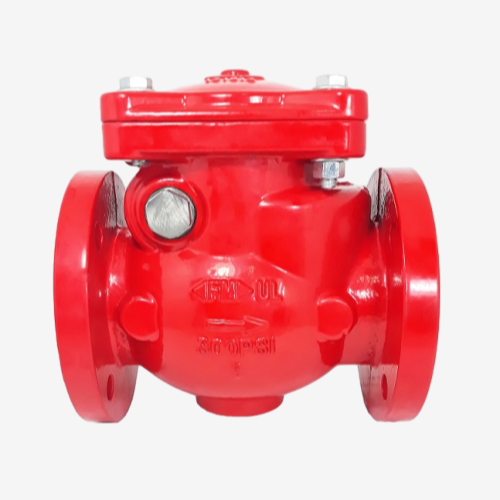
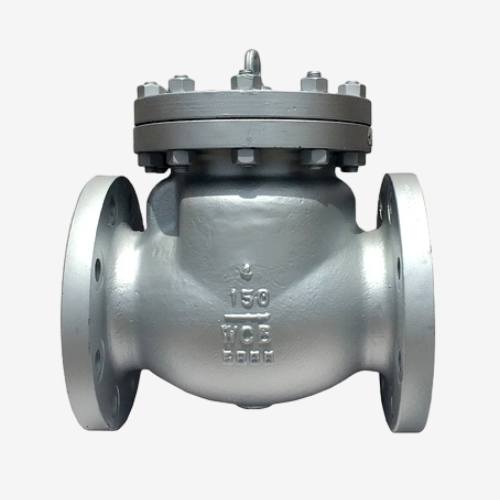
Vcore Valve supports customized check valve solutions for pump discharge lines, water treatment systems, chemical pipelines, oil and gas utility lines, HVAC systems, marine service and general industrial process pipelines. Instead of selecting only by size, buyers should confirm the working medium, pressure class, temperature, flow direction, installation position, connection standard and water hammer risk before quotation.
Available customization options include check valve type, body material, pressure rating, flange standard, seat material, spring material, disc structure, installation direction, inspection requirements, marking and export packing.
Choosing the right check valve depends on the working medium, pressure class, temperature, pipeline size, flow velocity, installation direction, connection standard, body material, sealing requirement and water hammer risk. Different check valve structures are used for pump discharge lines, vertical pipelines, compact installations, high pressure systems and corrosive media service.
| Check Valve Type | Best Used For | Buyer Notes |
|---|---|---|
| Swing Check Valve | Water, oil, gas and general industrial pipelines with steady flow | Suitable for horizontal pipelines and some vertical upward-flow applications. Avoid oversizing to reduce disc chatter. |
| Lift Check Valve | High pressure, small-size pipelines and systems requiring stable sealing | Usually has higher pressure drop than swing check valves. Confirm flow direction and installation position. |
| Dual Plate Check Valve | Compact installation, water systems, HVAC, chemical and industrial pipelines | Short face-to-face design saves space and weight. Spring and seat material should match the medium. |
| Wafer Check Valve | Space-limited pipelines and lightweight installation | Confirm flange compatibility, pressure class and installation direction before ordering. |
| Stainless Steel Check Valve | Chemical, marine, corrosive water and clean industrial service | SS304, SS316, CF8 or CF8M should be selected according to corrosion risk and medium compatibility. |
| Silent Check Valve | Pump systems where water hammer and valve slam are concerns | Useful when fast closing and reduced noise are required. Confirm system flow and pressure conditions. |
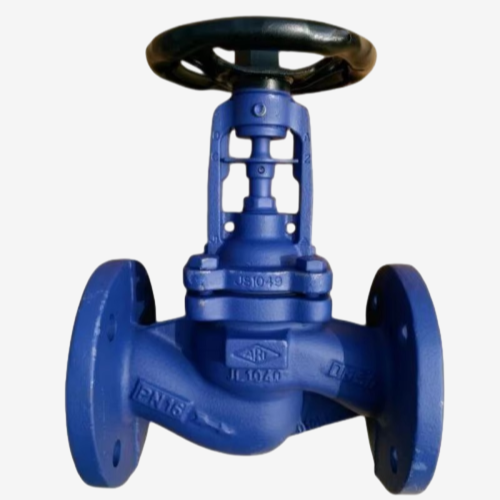
| Advantage | Why It Matters | Application Value |
|---|---|---|
| Automatic Backflow Prevention | Check valves open and close automatically according to flow direction. | Protects pumps, compressors, meters and downstream equipment from reverse flow. |
| Multiple Structure Options | Swing, lift, dual plate, wafer, silent and flanged designs can be selected. | Helps match different pipeline layouts, pressure conditions and installation spaces. |
| Material Flexibility | Carbon steel, stainless steel, ductile iron, cast steel and alloy materials are available. | Suitable for water, oil, gas, chemical, marine and industrial utility systems. |
| Pump Protection | A properly selected check valve prevents reverse flow when pumps stop. | Reduces risk of pump reverse rotation, pressure shock and system instability. |
| Project-Based Selection | Valve type, size, material, seat, spring, flange and testing can be confirmed before order. | Reduces wrong selection, installation mismatch and after-sales risk. |
| Field | Applicable Check Valve Type | Key Requirements & Features |
|---|---|---|
| Pump Discharge Lines | Swing Check Valve / Silent Check Valve | Prevents reverse flow when pumps stop. Flow velocity, water hammer risk and installation distance should be confirmed. |
| Water Treatment Systems | Flanged Check Valve / Dual Plate Check Valve | Used in filtration, pump stations, cooling water and process water lines to maintain one-way flow and protect equipment. |
| Chemical Processing | Stainless Steel Check Valve / Wafer Check Valve | Material and seal compatibility should be selected according to chemical media, temperature and corrosion risk. |
| Oil & Gas Utility Lines | Flanged Check Valve / High Pressure Check Valve | Used for compatible oil, gas, water and utility services where reverse flow prevention is required. |
| HVAC and Cooling Water | Dual Plate Check Valve / Wafer Check Valve | Compact structure is useful in mechanical rooms and cooling loops. Check installation direction and pressure drop. |
| Marine and Coastal Systems | Stainless Steel Check Valve / Bronze Check Valve | Corrosion resistance is important. SS316, bronze or other suitable materials may be required for chloride-containing environments. |
A check valve is used to allow flow in one direction and prevent reverse flow in pipeline systems. It is commonly installed in pump discharge lines, water treatment systems, chemical pipelines, HVAC systems, oil and gas utility lines and industrial process systems.
Check valve selection depends on medium, pressure, temperature, valve size, flow velocity, installation direction, connection standard, material, seat type and water hammer risk. Swing, lift, dual plate, wafer and silent check valves are selected for different operating conditions.
A swing check valve uses a hinged disc and is suitable for many steady-flow pipeline systems. A spring check valve uses spring-assisted closing and may be better where faster closing, compact installation or reduced backflow response time is required.
A properly selected check valve can help reduce water hammer risk, but not every check valve is suitable for severe water hammer conditions. Pump operation, flow velocity, closing speed, valve type and installation position should be evaluated together.
Please provide valve size, pressure class, body material, medium, temperature, connection standard, installation direction, flow condition, seat material, quantity and project drawings if available. This helps Vcore Valve recommend the correct check valve configuration.
Send us your working medium, pressure, temperature, valve size, connection standard, installation direction, flow condition, body material, seat requirement and quantity. Vcore Valve can help you select a suitable check valve solution for your project.
Vcore Valve provides industrial flow control solutions for chemical processing, oil & gas, water treatment, power generation, and high-pressure pipeline applications. We supply reliable ball valves, butterfly valves, gate valves, globe valves, check valves, control valves, and customized valve solutions for demanding industrial projects.
Production
QC
Testing
Materials
Stay up to date with our latest valve products, technical resources, and project solutions.