
Bellows Seal Valve Cycle Life: How to Review Supplier Test Data
Bellows Seal Valve Cycle Life: How to Review Supplier Test

Bellows Seal Valve Cycle Life: How to Review Supplier Test
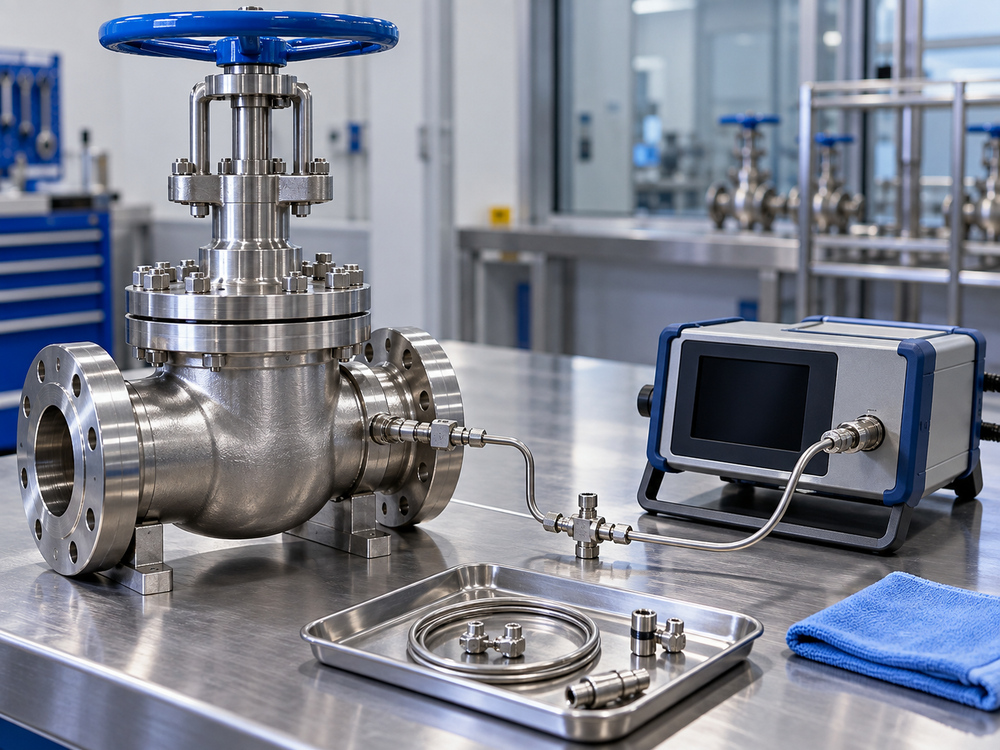
Cryogenic Valve Drying After Hydrotesting: What LNG Buyers Should Specify
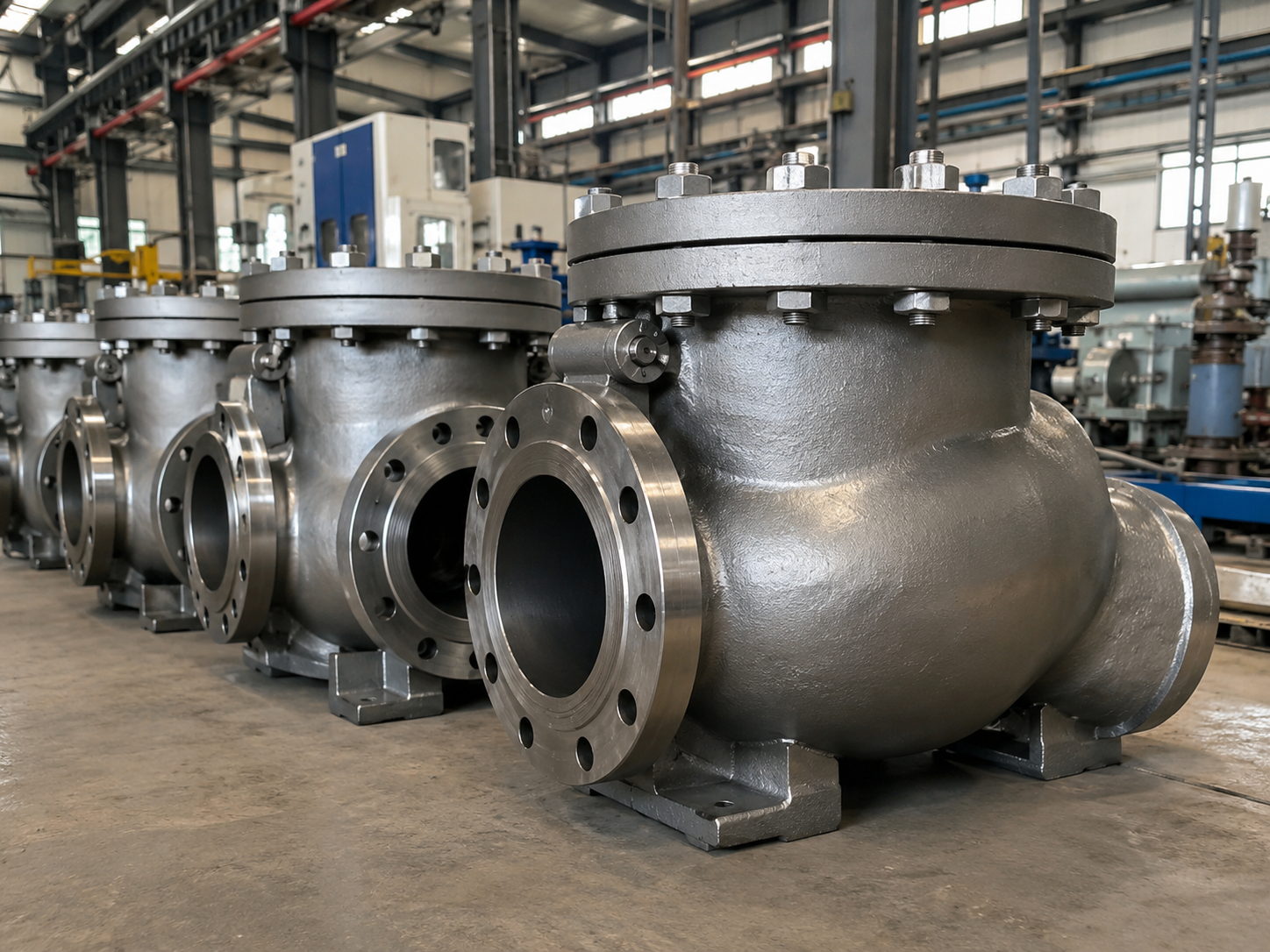
Quick Summary:Check valve standards work as a stack, not as
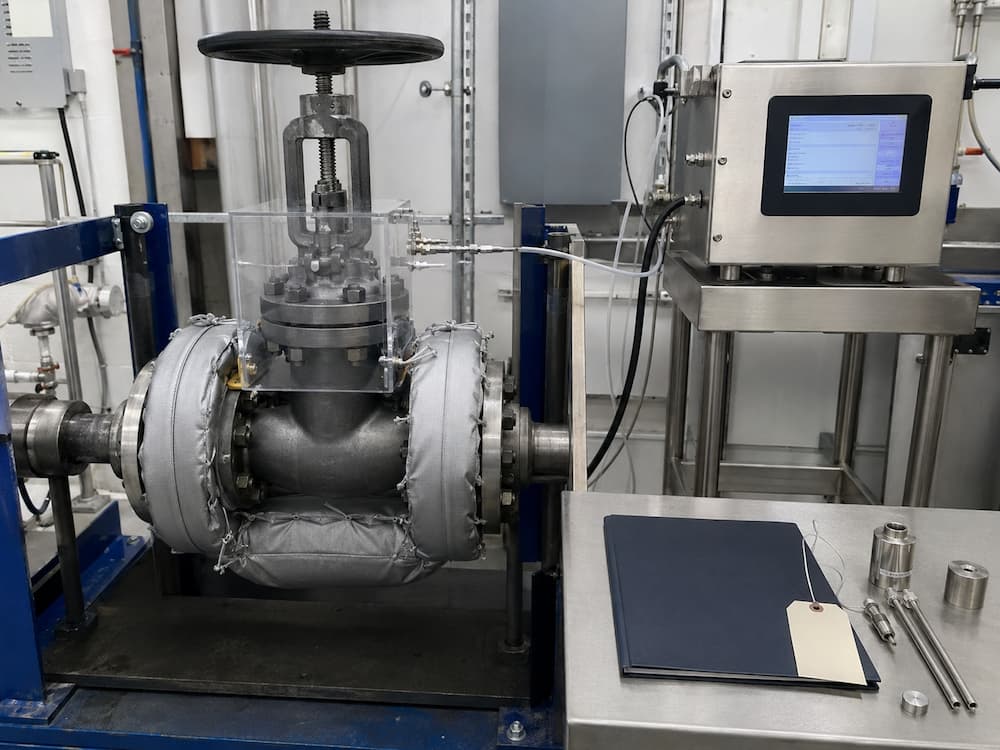
Quick Summary: Valve fugitive emission testing evaluates external leakage from
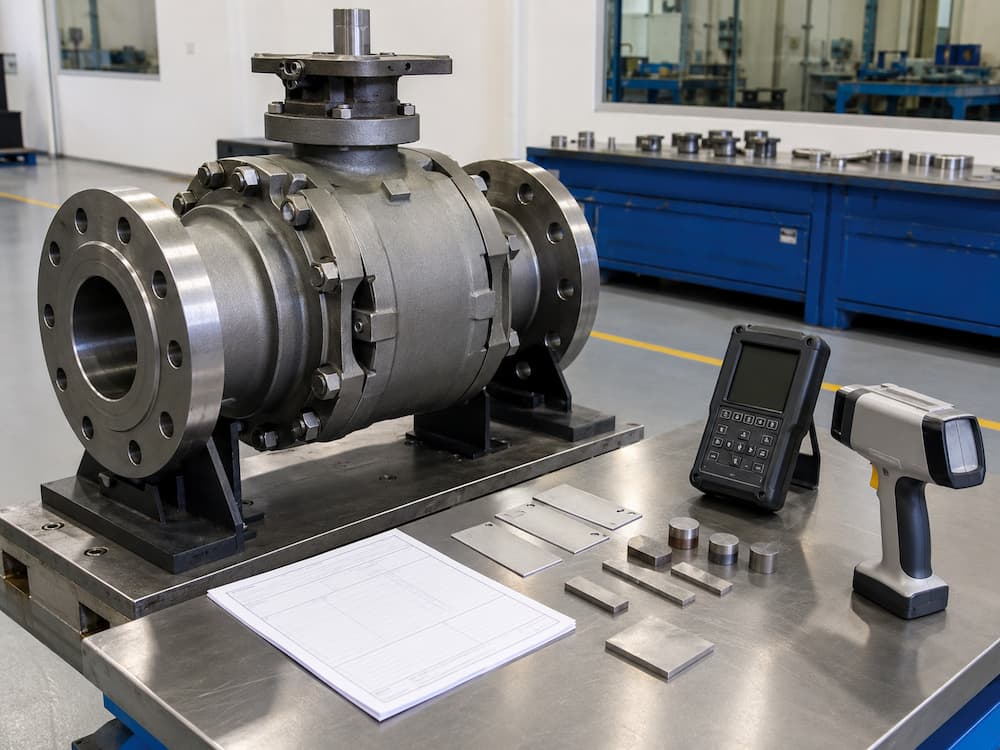
Quick Summary: Sour service valves are selected for H2S-containing environments
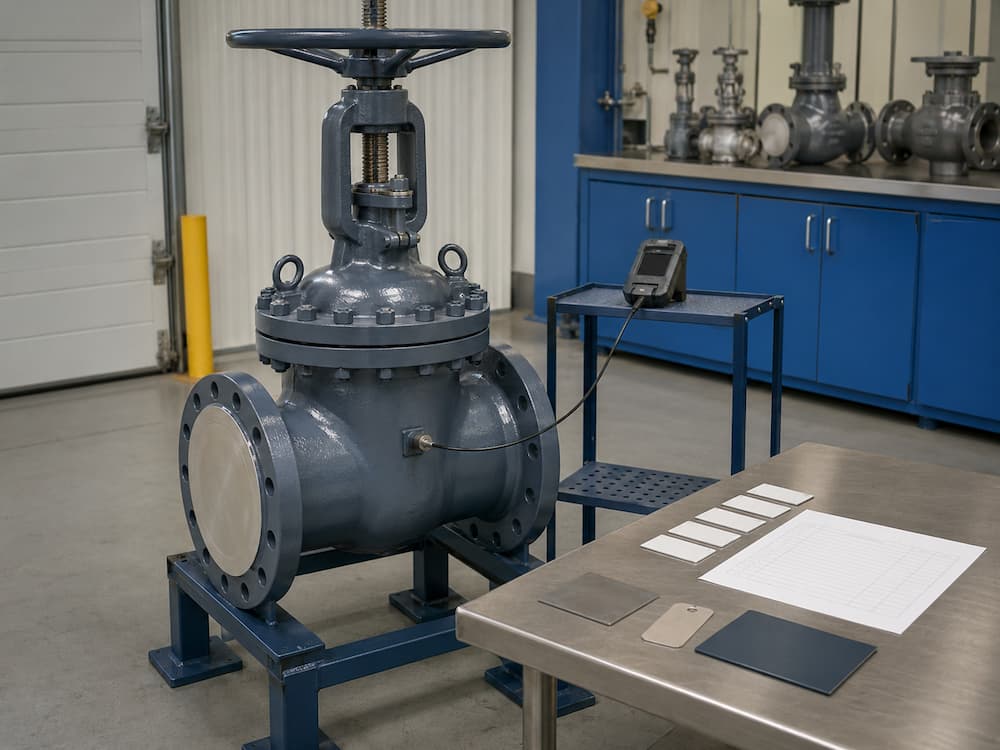
Valve coating inspection verifies surface preparation, dry film thickness, visual condition, adhesion, coating continuity and repair quality before shipment. This guide explains DFT measurement, adhesion testing, holiday detection and the coating requirements industrial valve buyers should define before production.
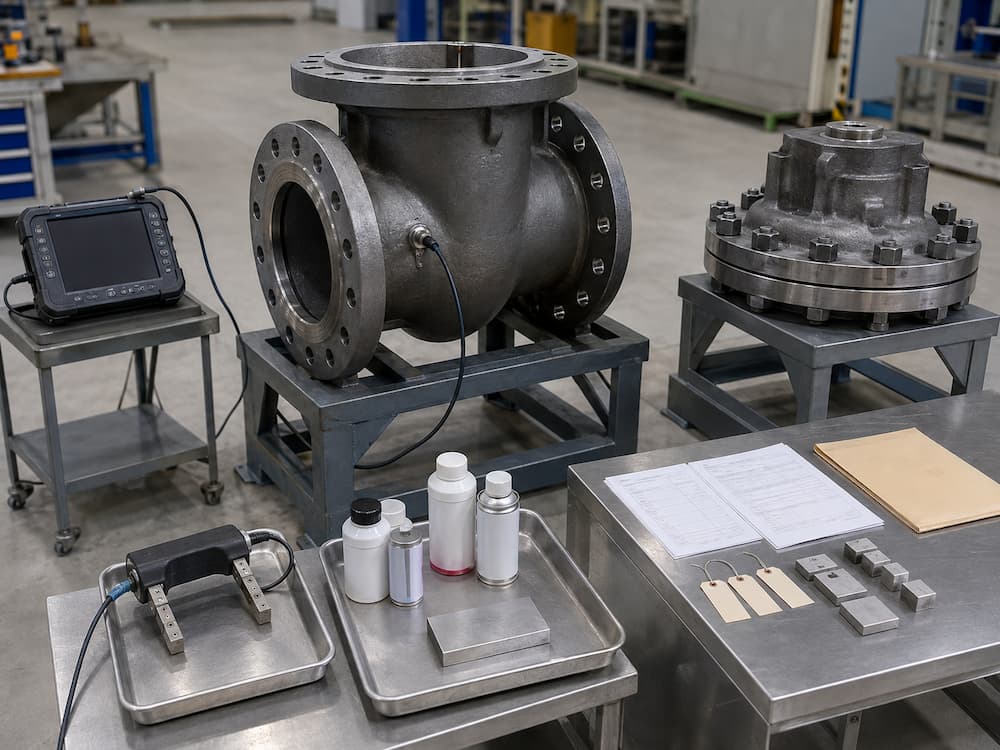
Industrial valve NDT and NDE use methods such as radiographic testing, ultrasonic testing, magnetic particle testing and liquid penetrant testing to examine castings, forgings, welds and pressure-containing components without destroying the part. This guide explains what RT, UT, MT and PT can detect, their limitations, applicable standards, acceptance criteria and the information buyers should define in an RFQ or ITP.
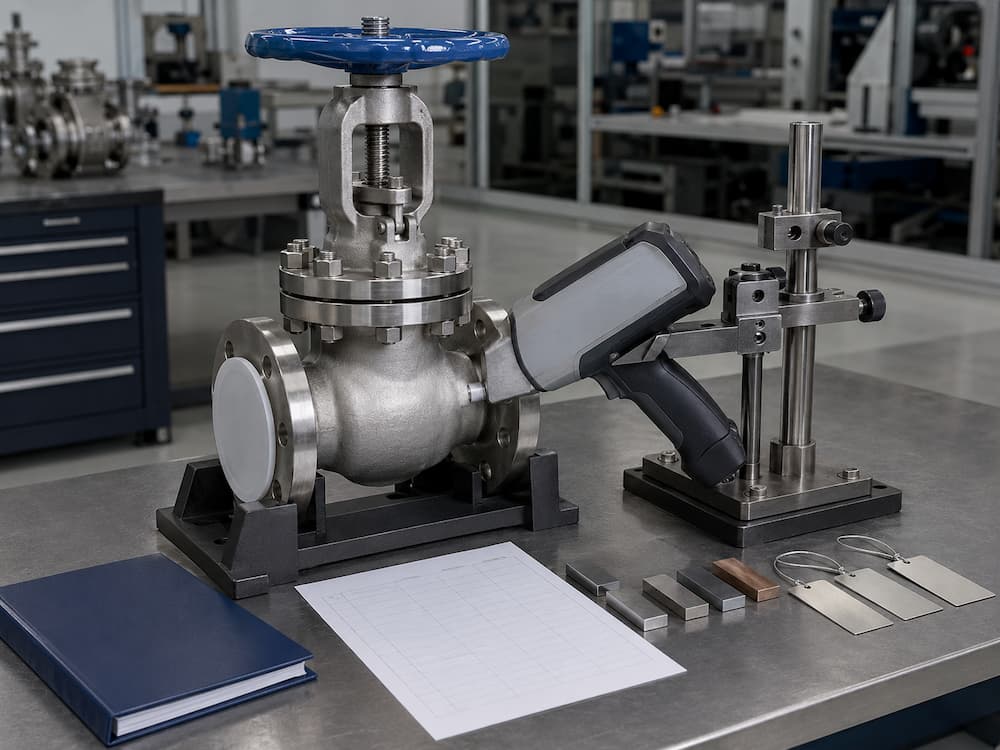
Valve PMI testing verifies alloy composition on actual valve components and helps detect material mix-ups before shipment. This guide explains when PMI is required, which parts to test, how XRF, OES and LIBS differ, what the report should contain and what PMI cannot prove.
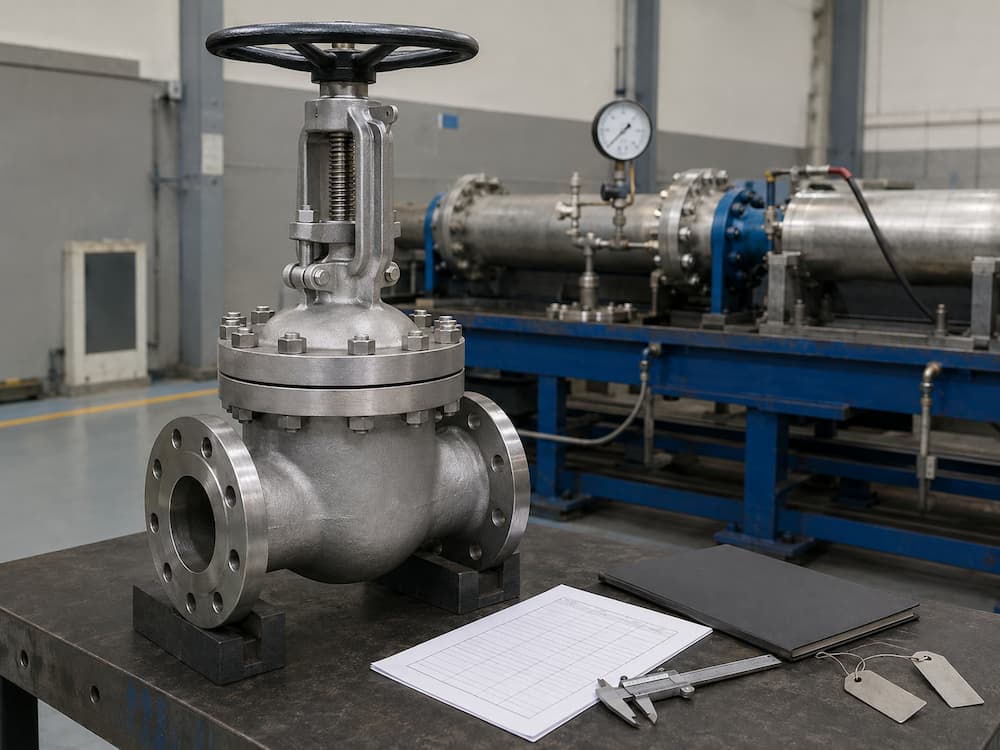
A valve Factory Acceptance Test verifies that the completed valve or actuated assembly matches approved order requirements before shipment. This guide covers FAT scope, documents, inspection stages, test records, deviations and release controls.
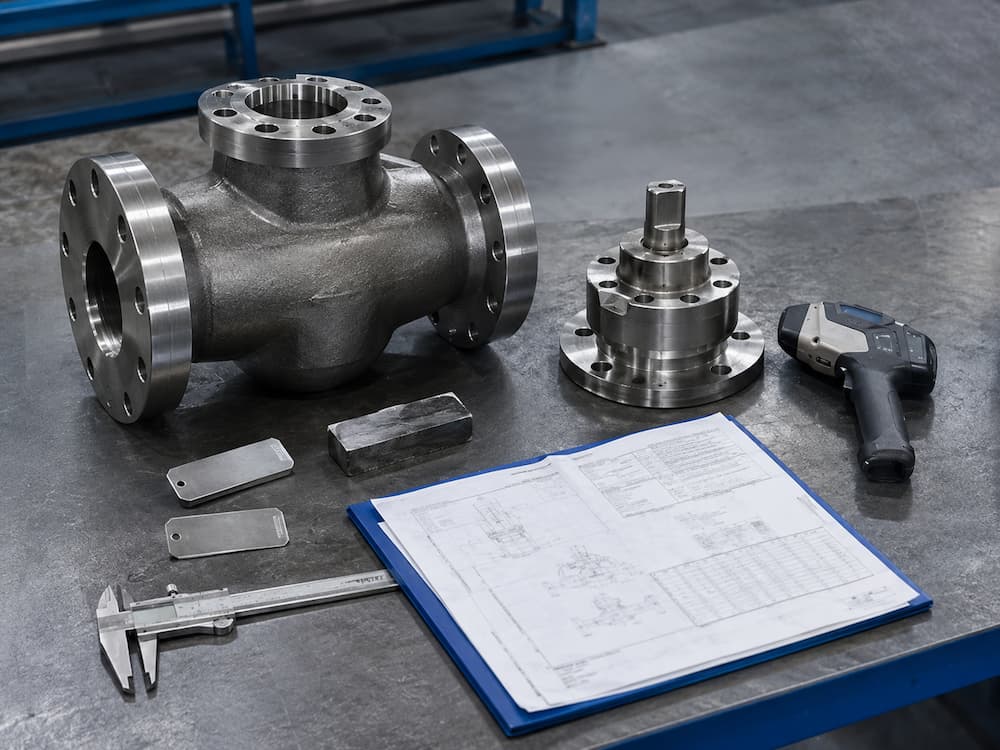
A valve Inspection and Test Plan turns purchase-order requirements into controlled inspection stages, acceptance criteria and records. This guide explains typical Hold, Witness, Review and Surveillance points and shows buyers what to agree before production starts.
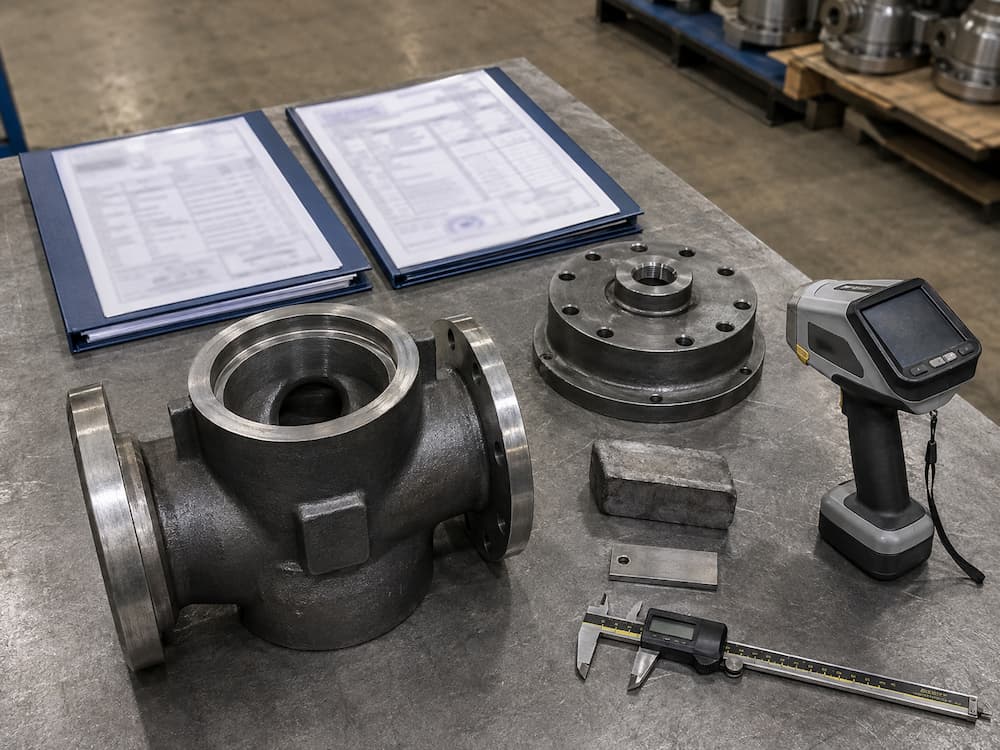
Compare EN 10204 Type 3.1 and 3.2 inspection certificates for industrial valves. Learn what each document verifies, who validates it, how heat-number traceability works, and what buyers should specify before ordering.
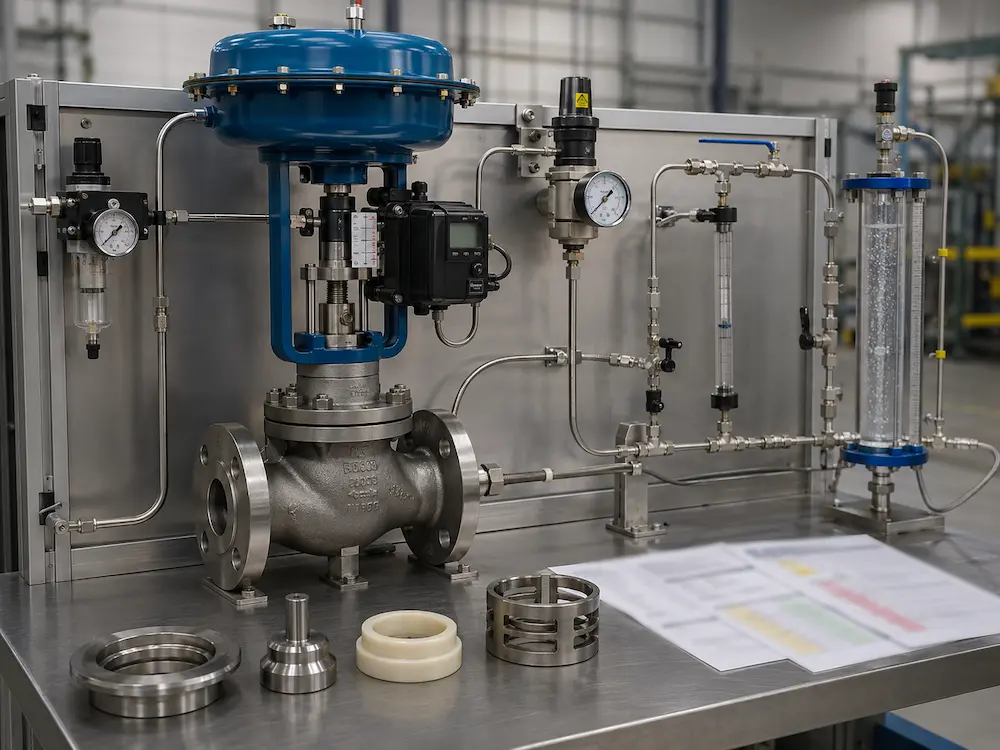
Learn how control valve leakage Classes II through VI differ, why Class VI is not absolute zero leakage, and how seat material, actuator force and test conditions affect shutoff performance.