Valve Standards, Testing & Safety

Valve Standards, Testing & Safety

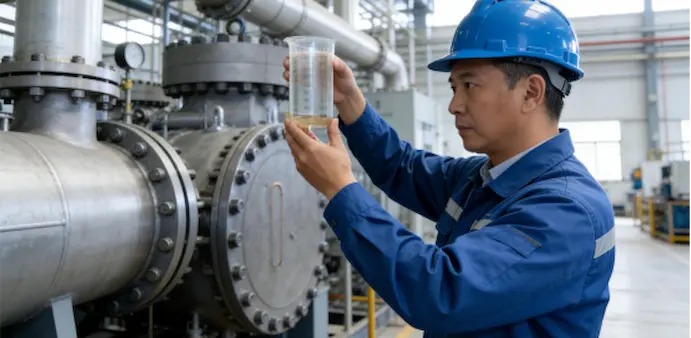
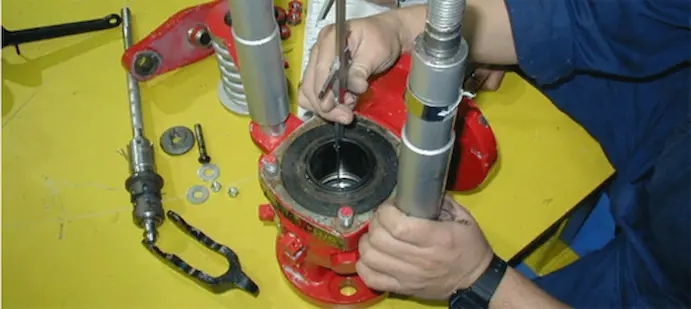
Regular inspection is crucial for identifying corrosion early.

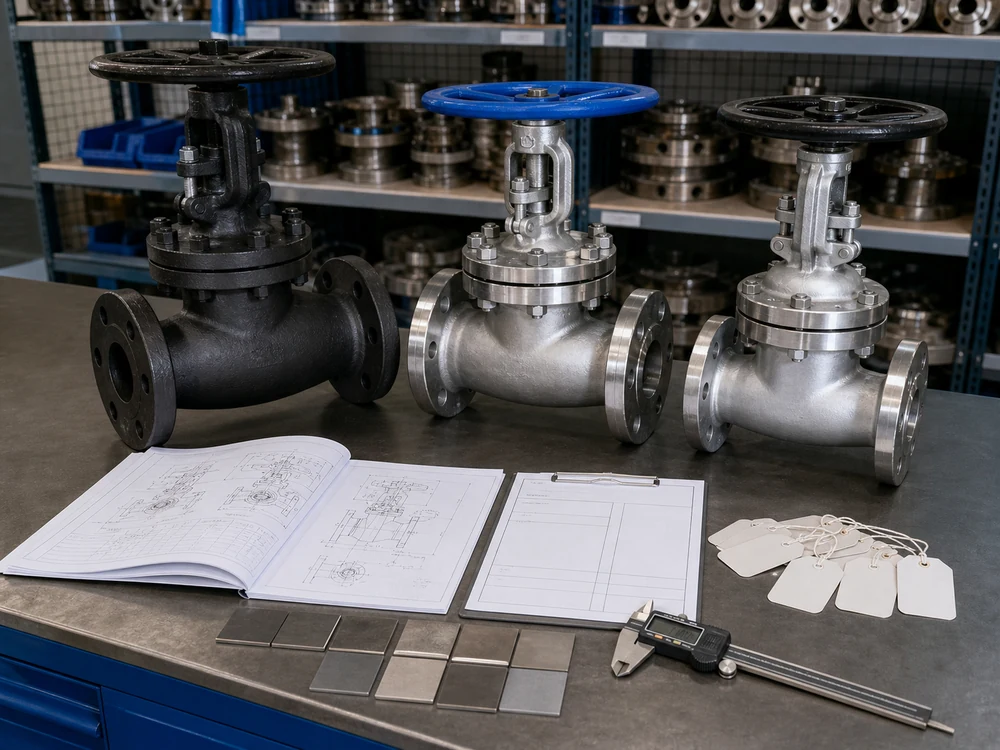
Basic Knowledge and Measures for Valve Corrosion Prevention

Learn what causes corrosion in industrial valves and how it can lead to leakage, reduced sealing performance, structural damage, and premature valve failure. The guide explains practical prevention measures, including service-compatible material selection, protective coatings, routine inspection, moisture control, and timely maintenance for water, chemical, gas, and corrosive process systems.
Read More »
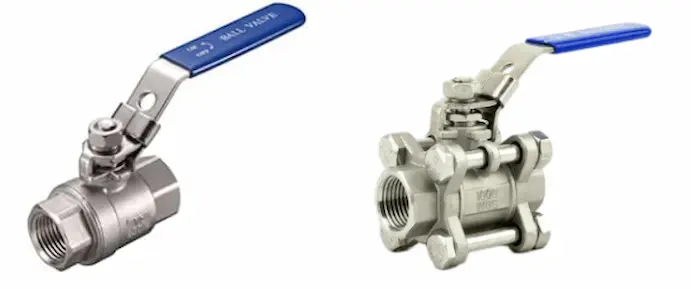
A secure valve solution for enhanced industrial safety.

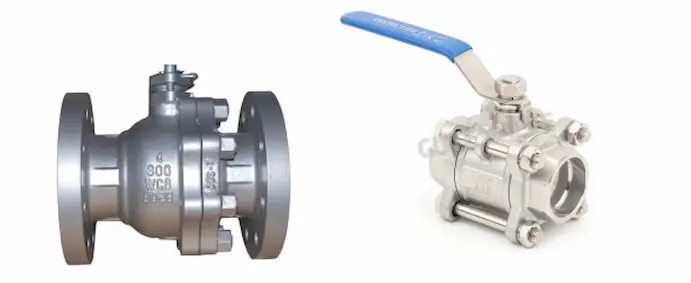
Lockable Ball Valves: Enhancing Industrial Safety and Control

Learn how lockable ball valves help prevent unauthorized or accidental operation by securing the valve in an open or closed position. The guide explains their role in lockout/tagout procedures, maintenance isolation, hazardous-energy control, selection, inspection, and safe operation in industrial fluid and gas systems.

Read More »
anti-blowout-stem-ball-valve.

Anti-Blowout Stem in Ball Valves: Safety Design and Selection Guide

Learn why anti-blowout stems are an essential safety feature in industrial ball valves. The guide explains how an internally retained stem design prevents pressure-driven stem ejection, how floating and trunnion ball valves can incorporate stem retention, and what buyers should verify through cross-section drawings, applicable API or ISO standards, fire-safe requirements, pressure-temperature ratings, material records, and inspection documentation.

Read More »
Pressure-Relief-Valve

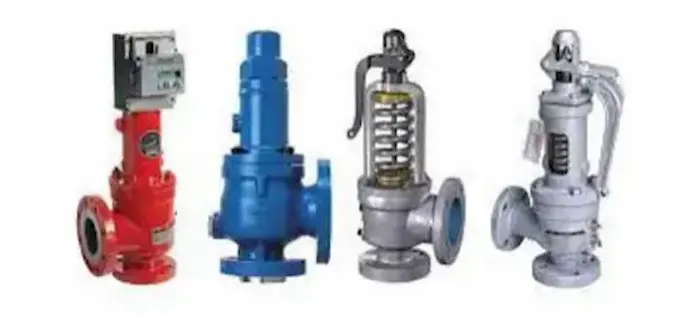
Pressure Relief Valves Explained: A Complete Guide for Industrial Safety

Learn how pressure relief valves protect pressurized equipment, pipelines, and process systems from unsafe overpressure conditions. The guide explains the differences between safety valves and relief valves, spring-loaded and pilot-operated designs, set pressure, relieving capacity, overpressure scenarios, installation precautions, inspection requirements, and key standards such as ASME and API for industrial steam, gas, liquid, chemical, and utility systems.

Read More »