Quick Overview
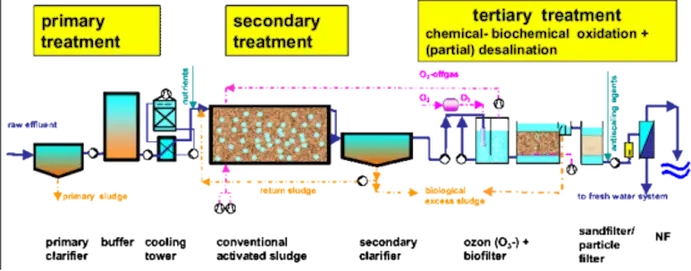
Wastewater treatment is a critical process for cleaning water before it is released back into the environment or reused. It involves multiple methods such as physical, chemical, and biological treatments. The right combination of these methods ensures that contaminants are removed effectively. This article will cover the most common wastewater treatment methods, the challenges involved, and how appropriate equipment, like valves, can enhance the process.
Opening Scenario
Imagine a large industrial plant with a complex system that processes wastewater from various sources. The facility must ensure that water is treated to meet strict environmental standards before it is released. Wastewater treatment valves play a small yet important role in managing the flow and pressure throughout the system, ensuring that treatment stages like filtration or chemical dosing proceed smoothly.
Pain Points
Choosing the right method for wastewater treatment comes with a few challenges, including:
1. High Operational Costs
Many treatment methods, especially chemical treatments, can be expensive due to the chemicals required and the need for continuous monitoring. Moreover, the system’s operational costs can increase if valve failure occurs during treatment, disrupting the flow of water.
2. Time-Consuming Processes
Certain methods like biological treatment (e.g., activated sludge systems) can be slow, requiring several days to remove contaminants. Managing these systems can be challenging, and inconsistent flow due to valve issues may worsen the delay.
3. Environmental Impact
Incorrect disposal of wastewater or the use of ineffective treatments may harm local ecosystems. Inadequate treatment can lead to the discharge of pollutants that have not been fully removed, affecting water quality and public health.
Solutions
1. Optimising Flow Control
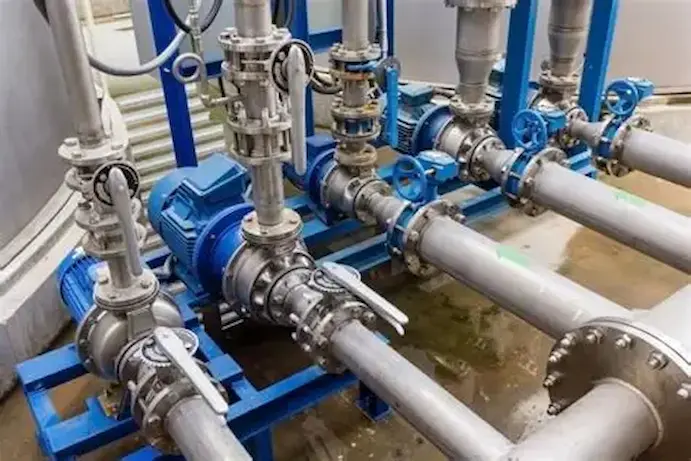
Using the right type of valves in wastewater systems is crucial for controlling the flow and pressure, especially during treatment stages like coagulation and disinfection. Proper valve selection can help reduce downtime and ensure that treatment methods are effective.
2. Hybrid Treatment Approaches
Combining chemical, physical, and biological treatments in a hybrid model can enhance the efficiency of wastewater treatment while managing costs and environmental impact.
3. Energy-Efficient Technologies
To reduce operational costs, investing in energy-efficient technologies such as membrane filtration systems or solar-powered systems can be an excellent long-term solution. These systems help reduce energy consumption while maintaining high-quality treatment standards.
Case Study
A municipality in Europe faced significant wastewater treatment challenges. Their outdated system used only chemical coagulation, which was expensive and inefficient. By upgrading to a hybrid system that integrated biological treatment with advanced filtration and flow regulation valves, they significantly reduced operating costs by 30% and improved treatment capacity.
Data Analysis
| Treatment Method | Advantages | Disadvantages | Best Use Case |
|---|---|---|---|
| Chemical Treatment | Fast, effective for specific pollutants | Expensive, creates byproducts | Removing toxins, disinfection |
| Biological Treatment | Eco-friendly, long-term efficiency | Slow, large space requirements | Organic wastewater, large-scale systems |
| Physical Treatment | Simple, cost-effective | Limited to large solids | Pre-treatment, debris removal |
Data suggests that combining these methods can create a more balanced, cost-effective solution for wastewater treatment.
Trends
1. Increasing Focus on Sustainability
There’s a growing trend in adopting eco-friendly wastewater treatment methods, which include reducing energy consumption and adopting sustainable materials. Companies are increasingly using energy-efficient filtration technologies and smart valves for better system control.
2. Growth of Smart Technologies
Real-time monitoring, automated valves, and predictive analytics are becoming more common. These innovations allow for better system control, improved diagnostics, and fewer breakdowns.
3. The Push for Recycled Water
As the demand for sustainable water usage rises, more systems are focusing on wastewater reuse. This has led to the increased adoption of advanced filtration methods and membrane bioreactors to ensure high-quality treated water.
Usage Advice
When considering wastewater treatment methods, here are some important factors to keep in mind:
1. Water Characteristics
Each treatment method works best with specific water types. For example, biological treatment is highly effective for organic wastewater, while chemical treatment excels at removing heavy metals or hazardous chemicals.
2. System Capacity
For larger facilities, the capacity of the treatment system should align with the wastewater volume generated. Membrane filtration systems and ultrafiltration are often ideal for large-scale plants that require efficient, continuous operation.
3. Cost Considerations
It’s important to evaluate both initial installation costs and ongoing operational expenses. Hybrid systems can be a cost-effective choice, providing flexibility across different wastewater types.
The Role of Valves in Wastewater Treatment Systems
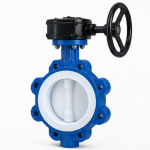
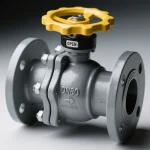
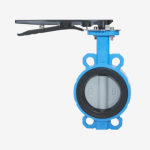
Valves are integral to the smooth operation of wastewater treatment systems. They control the flow of water and chemicals during treatment processes, ensuring that each stage is carried out at the correct rate and pressure.
Key Functions of Wastewater Treatment Valves:
-
Flow Regulation: Valves help control the flow rate of water and treatment chemicals, ensuring that treatment methods like coagulation and disinfection are effective.
-
Pressure Control: Many treatment methods require consistent pressure. Valves play a critical role in maintaining this pressure, which is essential for processes like membrane filtration.
-
Isolation and Safety: In the event of a failure or maintenance needs, valves can isolate specific sections of the system, preventing contamination and ensuring safety.
At Vcore Valve, we provide durable valve solutions designed specifically for wastewater treatment systems, offering reliable performance and minimal maintenance in harsh environments.
Conclusion
The wastewater treatment process is essential for protecting water quality and ensuring public health. By choosing the right combination of treatment methods, operators can improve efficiency and reduce environmental impacts. Integrating the right valves and control technologies can further enhance performance.
At Vcore Valve, we offer high-performance valve solutions for wastewater treatment, ensuring durability, reliability, and optimal flow control. Whether you need corrosion-resistant valves or automated actuation systems, we provide the technology and expertise to meet your specific needs.
FAQs
What are the common wastewater treatment methods?
The main methods include chemical coagulation, biological treatment, and physical filtration. Each has its strengths depending on the type of wastewater.
How do valves impact wastewater treatment?
Valves control the flow of water throughout the treatment process, ensuring that chemicals, biological agents, and filters are used at the correct rate for maximum efficiency.
Why is biological treatment slower than chemical treatment?
Biological treatment uses microorganisms to break down organic pollutants, which naturally takes more time compared to chemical treatments, which can immediately neutralise contaminants.
Can wastewater be reused after treatment?
Yes, wastewater reuse is becoming more common, especially in industrial and agricultural sectors, where treated wastewater is used for irrigation, cooling, or even in industrial processes.
How do I reduce the cost of wastewater treatment?
Utilising hybrid treatment methods, investing in energy-efficient technologies, and choosing the right valve solutions for flow regulation can help reduce operational costs and extend the lifespan of your wastewater treatment valves.
Reference
-
EPA Wastewater Treatment Guidelines
-
Water Treatment Handbook – American Water Works Association
-
Membrane Filtration in Wastewater Treatment – International Water Association