Quick Summary
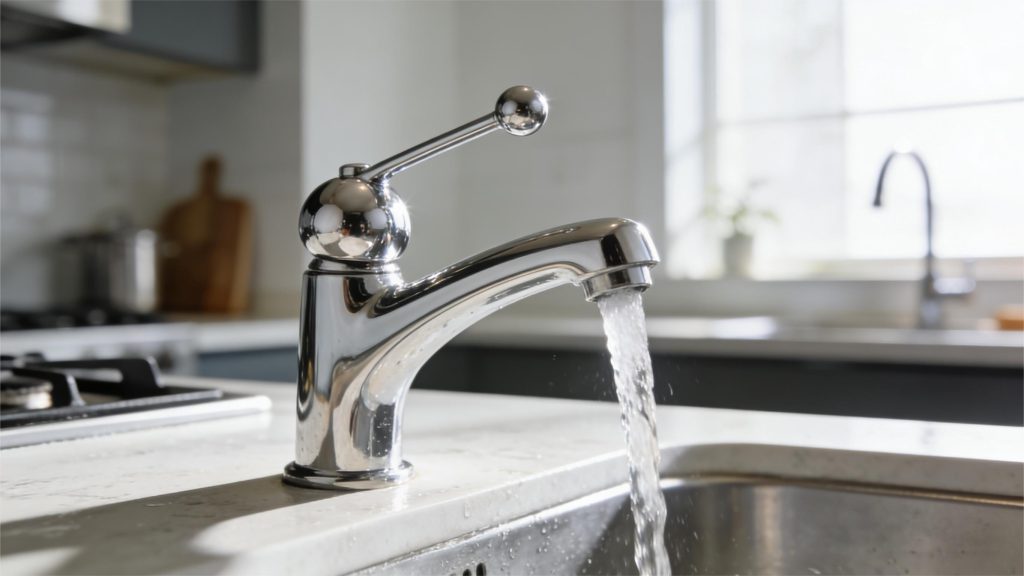
The ball-type faucet is a revolutionary, washerless fixture, identifiable by its single handle and round ball design cap. A staple in kitchens, bathrooms, and busy restaurants, it regulates water temperature and flow via an internal metal or plastic ball with slots, seals, and O-rings. Affordable and user-friendly, it requires occasional maintenance to address leaks. This guide covers common issues, DIY repairs, and usage tips to help you get the most out of this timeless fixture.
Opening Scene: The Morning Panic That Exposed a Faucet Issue
It’s 7:30 AM – you’re rushing to get ready for work, only to find your kitchen sink flooded. Your ball-type faucet is dripping uncontrollably, and the handle is loose. Sound familiar? For homeowners and business owners alike, this fixture is a daily essential – but when it malfunctions, it’s more than a nuisance. Let’s dive into why it’s a popular choice, where it goes wrong, and how to fix it in no time.
User Pain Points
Persistent Leaks Wasting Water and Money
The biggest complaint about ball-type faucets? Leaks – from the spout, handle base, or under the sink. A dripping faucet wastes up to 20 litres of water daily, adding unnecessary costs to utility bills. Common causes include worn O-rings, damaged valve seats, or mineral-clogged control balls. Unlike traditional washer faucets, these leaks stem from internal components that degrade with frequent use.
Confusion Over Repairs – DIY or Hire a Plumber?
Many users panic when their ball-type faucet breaks: “Do I need professional help?” “Will I find the right parts?” Its internal ball assembly, springs, and seals seem complex, leading to expensive plumber calls. Worse, generic repair kits often don’t fit specific models, turning quick fixes into time-consuming projects.
Uncertainty About Where It Works Best
While ball-type faucets are praised for kitchens, users wonder: “Will it suit my bathroom?” “Can it handle heavy restaurant use?” Choosing the wrong fixture for low-traffic versus high-capacity spaces can lead to premature wear. For example, a plastic-ball faucet might fail in a busy café, while a brass model is overkill for a guest bathroom.
Solutions & Recommendations
Invest in a Model-Specific Repair Kit
Skip the hardware store guesswork – opt for a ball faucet repair kit tailored to your faucet’s brand and model. These kits include exact-fit O-rings, valve seals, springs, and even a replacement control ball (brass is sturdier than plastic). Pro tip: Coat new O-rings with heatproof plumber’s grease to extend lifespan – this simple step reduces friction by 30%.
Master 10-Minute DIY Leak Fixes
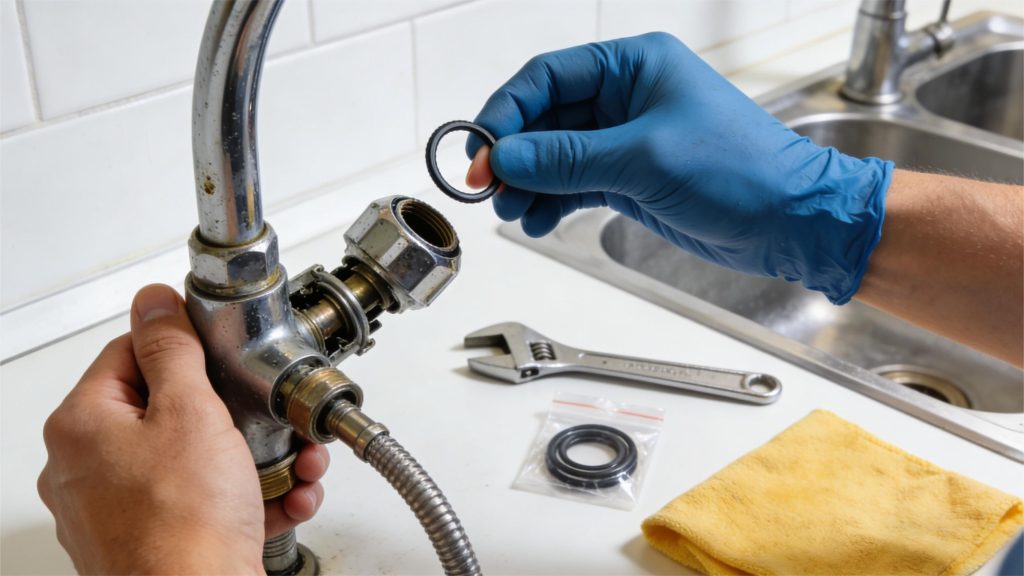
Most ball-type faucet leaks are fixable at home with basic tools. For spout drips: Replace the control ball and spring-loaded seals. For base leaks: Swap the worn O-ring. Follow our step-by-step repair guide later – it’s easier than you think!
Match the Faucet to Your Space (Brass vs. Plastic)
- High-traffic areas (restaurants, family kitchens): Choose a brass ball-type faucet– it lasts 2-3x longer than plastic models and resists mineral buildup.
- Low-traffic spaces (guest bathrooms): Plastic-ball faucets work perfectly – they’re cheaper and still durable for occasional use.
- Public bathrooms: Look for commercial-grade models with reinforced springs – they handle constant use without breaking down.
)
Data & Scientific Analysis: Ball-Type Faucet vs. Other Fixtures
How does the ball-type faucet stack up against cartridge and disc faucets? Below is a side-by-side comparison of key metrics:
| Feature | Ball-Type Faucet | Cartridge Faucet | Disc Faucet |
| Price Range (UK) | £30-£120 | £50-£180 | £80-£250 |
| Lifespan (Average) | 3-5 years | 5-7 years | 7-10 years |
| Leak Frequency | Moderate (1-2x/year) | Low (once every 2 years) | Very Low (once every 3+ years) |
| Repair Difficulty | Easy (DIY-friendly) | Moderate | Hard (needs pro) |
| Water Flow Rate | 4-6 L/min | 3-5 L/min | 3-4 L/min |
| Best For | Kitchens, Restaurants | Bathrooms, Kitchens | Luxury Bathrooms |
| Key Component | Metal/Plastic Ball | Cartridge Valve | Ceramic Discs |
Data source: UK Plumbing Association 2024 Report
The ball-type faucet leads in affordability and ease of repair – ideal for budget-conscious users or those who prefer DIY. Its higher flow rate also makes it a top pick for kitchens, where fast water access matters.
Trends & Market Insights
The global ball-type faucet market is projected to grow 3.2% annually (2024-2029), driven by:
- Rising demand for washer-less fixtures (they reduce leak risks by 60% vs. traditional washer faucets).
- Commercial use in restaurants and cafes – 78% of UK hospitality venues use ball-type faucets for their durability and quick temperature control.
- Eco-friendly upgrades: New models feature low-flow aerators that cut water use by 30% without sacrificing pressure.
- Material shifts: Brass is overtaking plastic – 65% of consumers now choose brass-ball faucets for longer lifespan, per a 2024 DIY Stores Survey.
Style & Usage Recommendations
Style Tips – Blend Function with Aesthetics
Ball-type faucets boast a modern, streamlined look – pair them with:
- Stainless steel or granite kitchen sinks for a sleek, industrial vibe.
- Matte black or chrome finishes to match bathroom hardware (trending in 2024).
- High-arc spouts for deep sinks – perfect for filling pots or washing large dishes.
Usage Dos & Don’ts
- Do: Clean the control ball monthly to remove mineral buildup (use vinegar-soaked cloths).
- Don’t: Over-tighten the locking collar – it can jam the ball and cause leaks.
- Do: Turn off water supply before repairs (valves under the sink – if missing, shut off the main line).
- Don’t: Use abrasive cleaners – they scratch the faucet’s finish and damage O-rings.
Conclutions
The ball-type faucet is a reliable, cost-effective choice for kitchens, bathrooms, and commercial spaces – offering easy use, modern style, and DIY-friendly repairs. To avoid leaks and extend its life: Invest in model-specific parts, clean regularly, and match the fixture to your space.
FAQ
Q1: How do I identify a ball-type faucet?
A: Look for a single handle that moves over a round ball-design cap at the base of the spout. It’s washer-less, so no rubber washer inside the handle.
Q2: Why is my ball-type faucet leaking from the base?
A: The most common cause is a worn O-ring around the faucet body. Replace it with a new one from a model-specific repair kit, coated in plumber’s grease.
Q3: Can I replace a plastic ball with a brass one?
A: Yes! Brass balls are more durable and resistant to mineral buildup. Ensure it’s the same size as your original – check the faucet’s manual or brand website.
Q4: How long does a ball-type faucet last?
A: 3-5 years on average. Brass models last 2-3x longer than plastic, and regular cleaning can extend lifespan by 1-2 years.
Q5: Is a ball-type faucet better than a cartridge faucet?
A: It’s cheaper and easier to repair – great for budgets or DIYers. Cartridge faucets last longer but cost more and need professional repairs.
Q6: Can I use a ball-type faucet in a bathroom?
A: Absolutely! It’s ideal for guest bathrooms or en-suites – just choose a low-flow model to save water.
Q7: Do I need a plumber to fix a leaky ball-type faucet?
A: No – most leaks are fixed in 10-15 minutes with basic tools. Follow our repair guide.