Quick Overview
In high-pressure industrial pipelines, cavitation and valve noise can significantly damage control valves and reduce system efficiency. Selecting the correct control valve trim options is one of the most effective ways to reduce these problems. Advanced anti-cavitation trims, multi-stage pressure reduction designs, and specialised low-noise valve trims help maintain stable flow while protecting valve internals. Understanding which control valve trim designs reduce cavitation and noise allows engineers to extend equipment lifespan and improve plant safety.
A Typical Engineering Scenario
An engineer installs a new control valve in a chemical processing plant.
During operation, operators notice loud noise coming from the valve body.
Soon after, vibration begins to increase.
When the valve is inspected, the internal trim shows pitting damage caused by cavitation.
The valve itself was correctly sized.
The real issue?
The system required a specialised anti-cavitation trim design, not a standard trim.
This scenario highlights why choosing the right control valve trim options for cavitation reduction is critical in high-pressure systems.
Common Problems Engineers Face
Cavitation Damage Inside Valve Trim
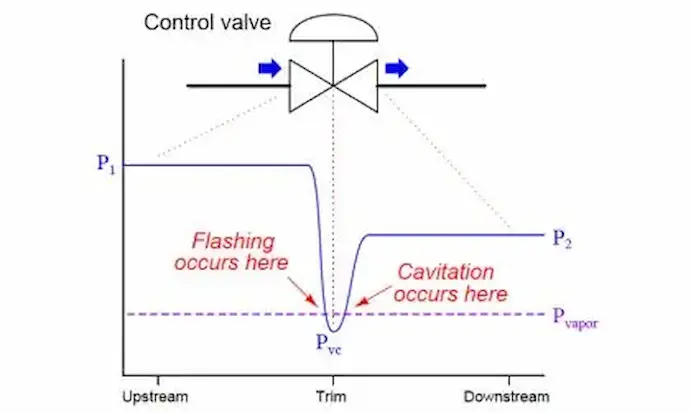
When fluid pressure drops below vapour pressure, vapour bubbles form and collapse violently. This phenomenon causes cavitation erosion inside valve trims, damaging plugs, cages, and seats.
Excessive Valve Noise
High pressure drops across valves often create aerodynamic noise or hydrodynamic noise, sometimes exceeding safe industrial limits.
Reduced Valve Lifespan
Standard trim designs may fail quickly in severe service conditions, leading to frequent maintenance and costly downtime.
Effective Solutions for Cavitation and Noise Control
Use Anti-Cavitation Trim Designs
Specialised trims divide the pressure drop into several smaller stages. This prevents the fluid pressure from dropping below vapour pressure.
Install Multi-Stage Pressure Reduction Trims
Multi-stage control valve trims gradually reduce pressure through multiple flow paths, significantly reducing cavitation risk.
Choose Low-Noise Valve Trim Technology
Advanced trim geometries reduce turbulence and dissipate energy, helping to minimise control valve noise in high-pressure systems.
What Is Control Valve Trim?
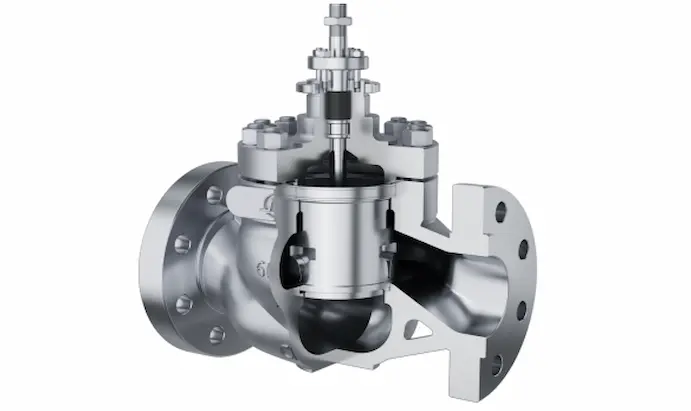
The control valve trim refers to the internal components responsible for controlling fluid flow.
Typical trim components include:
-
valve plug
-
valve seat
-
cage or guiding structure
-
stem
These parts determine how fluid passes through the valve and how pressure is reduced.
Because cavitation and noise occur inside the valve, trim design plays a major role in preventing these issues.
Common Trim Options Used to Reduce Cavitation
Several specialised trim designs are widely used in industrial applications.
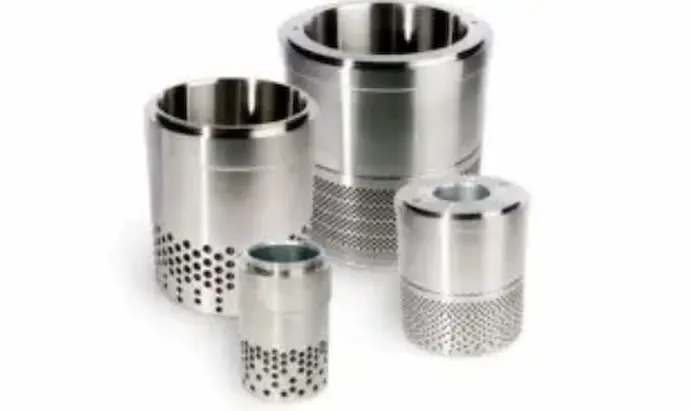
Multi-Hole Cage Trim
This design uses many small holes to distribute the pressure drop evenly across the valve.
Benefits include:
-
reduced turbulence
-
controlled flow velocity
-
improved cavitation resistance
Multi-Stage Pressure Reduction Trim
Instead of one large pressure drop, this trim reduces pressure gradually across several stages.
Advantages:
-
prevents vapour bubble formation
-
significantly reduces cavitation damage
Labyrinth Trim Design
A labyrinth trim forces fluid to travel through a complex flow path.
This approach:
-
dissipates energy gradually
-
reduces both cavitation and noise
Low-Noise Trim
Low-noise trims reduce the velocity of fluid exiting the valve by using specialised flow passages.
These trims are commonly used in:
-
power plants
-
gas processing facilities
-
high-pressure steam systems
Case Study: Cavitation Damage in a Process Control Valve
A petrochemical plant installed a globe control valve handling high-pressure hydrocarbon fluid.
Operating conditions included:
Pressure drop: 20 bar
Temperature: 120°C
Within months, the valve trim experienced severe cavitation erosion.
Engineers replaced the original trim with a multi-stage anti-cavitation trim.
Results included:
-
significant noise reduction
-
elimination of cavitation damage
-
valve service life extended by more than three years
Data / Scientific Analysis
Below is a simplified comparison of common trim designs used to reduce cavitation and noise.
| Trim Type | Cavitation Resistance | Noise Reduction | Typical Application |
|---|---|---|---|
| Standard trim | Low | Low | General flow control |
| Multi-hole cage trim | Medium | Medium | Industrial pipelines |
| Multi-stage trim | High | High | High-pressure process systems |
| Labyrinth trim | Very high | Very high | Severe service valves |
This comparison shows that advanced trim geometries significantly improve cavitation resistance and noise control.
Industry Trends in Valve Trim Technology
Modern industrial systems are demanding increasingly sophisticated control valve trim designs.
Key trends include:
-
additive manufacturing of complex trim geometries
-
improved flow simulation using CFD analysis
-
specialised materials for cavitation resistance
-
smart valve monitoring systems
Manufacturers such as Vcore Valve continue developing advanced anti-cavitation trims designed for harsh operating environments.
Practical Tips for Selecting Control Valve Trim
Engineers should consider several factors when choosing trim designs.
Evaluate Pressure Drop
Large pressure drops increase cavitation risk.
Multi-stage trims are recommended for high pressure reduction.
Consider Fluid Properties
Liquids with high vapour pressure require specialised cavitation-resistant trims.
Assess Noise Requirements
Industrial facilities often impose strict noise limits, making low-noise valve trim designs necessary.
Conclusion
Cavitation and excessive noise are common challenges in industrial flow control systems. Selecting the right control valve trim options is one of the most effective ways to reduce these problems.
By using anti-cavitation trims, multi-stage pressure reduction designs, and low-noise trim technologies, engineers can significantly improve valve reliability and system safety.
At Vcore Valve, we design industrial control valves with advanced trim configurations to ensure stable performance in demanding applications.
FAQs
What is valve trim in a control valve?
Valve trim refers to the internal components responsible for controlling flow inside the valve, including the plug, seat, and cage.
What causes cavitation in control valves?
Cavitation occurs when fluid pressure drops below vapour pressure, causing vapour bubbles to form and collapse inside the valve.
Which trim design is best for preventing cavitation?
Multi-stage anti-cavitation trims and labyrinth trims are among the most effective designs for reducing cavitation.
How do low-noise trims work?
Low-noise trims reduce turbulence and fluid velocity, minimising the noise generated during pressure reduction.
Can cavitation damage industrial valves?
Yes. Cavitation can cause severe erosion of valve trim components, leading to reduced valve lifespan.
When should anti-cavitation trims be used?
They should be used when valves operate under high pressure drops or in systems prone to cavitation.
Reference
Engineering Toolbox – Cavitation in Control Valves
https://www.engineeringtoolbox.com
Control Valve Handbook – Flow Control Fundamentals
https://www.emerson.com