Quick Summary
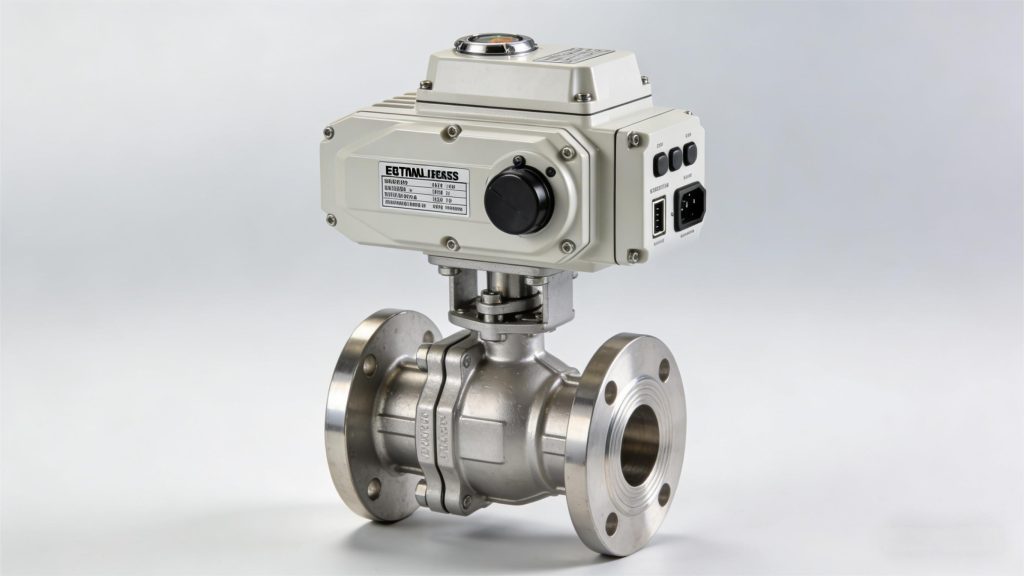
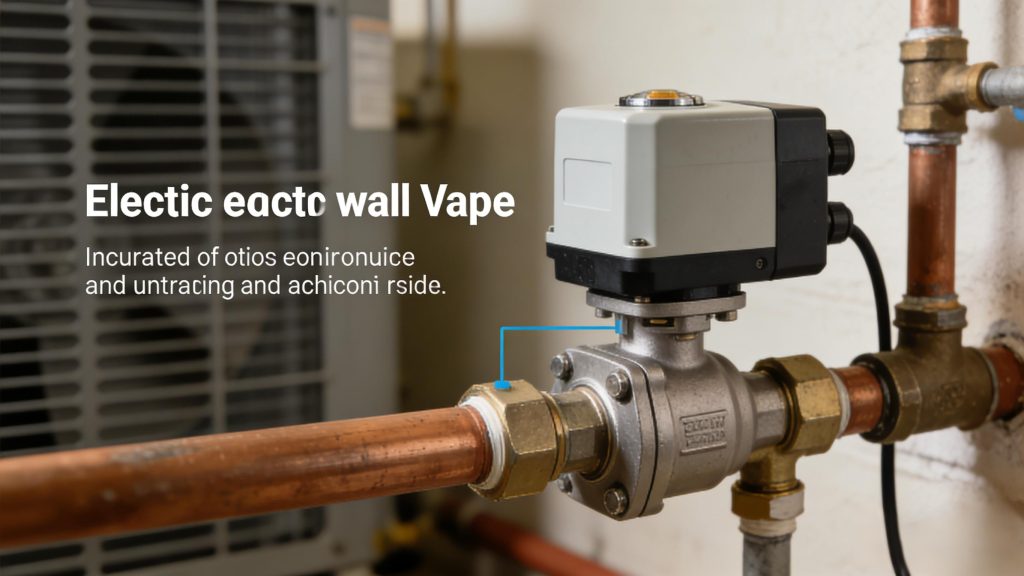
Motorized ball valves are automated fluid control devices that combine a ball valve body with an electric motor, offering precise on/off and modulating functions. These versatile valves are indispensable across residential, commercial, and industrial sectors, delivering efficient, remote-controllable flow management for liquids, gases, and corrosive substances. Their blend of reliability and automation makes them a top choice for modern systems.
Scene Introduction
Imagine arriving home on a sweltering summer day, only to find your HVAC system isn’t cooling—turns out a manual valve got stuck. Or a factory worker rushing to shut off a chemical flow, wasting precious minutes fumbling with a hand-operated valve. These headaches vanish with motorized ball valves: press a button, send an electric signal, and the valve adjusts instantly. Whether it’s a home’s water filter or an oil rig’s pipeline, these valves turn chaos into control.
User Pain Points
Labor-Intensive Manual Operation
Manual valves demand physical effort to open/close, especially in hard-to-reach spots like ceiling HVAC units or industrial pipelines. For large-scale systems (e.g., irrigation networks), manually adjusting dozens of valves is time-consuming and prone to human error.
Inconsistent Flow Control
Precision is critical in applications like food processing or chemical mixing, but manual valves often fail to deliver consistent flow rates. Even small miscalculations can ruin batches, compromise water quality, or reduce system efficiency.
Lack of Remote Monitoring & Emergency Response
In emergencies—such as a fire or chemical leak—delayed valve adjustments can lead to disasters. Manual valves can’t be controlled remotely, and without real-time status updates, users are blind to system issues until it’s too late.
Solutions & Recommendations
Embrace Automation with Motorized Ball Valves
Swap manual valves for motorized ball valves to eliminate physical labor. Their electric motors respond to signals instantly, whether triggered by a smartphone app, thermostat, or industrial control system. Ideal for areas that are difficult to access or require regular adjustments.
Prioritize Precision-Engineered Valves for Consistent Performance
Choose motorized ball valves with quarter-turn actuators (90-degree rotation) for accurate flow modulation. Look for tight shutoff capabilities and materials tailored to your media—stainless steel for food, brass for industrial use—to ensure consistent, reliable control.
Opt for Valves with Remote Monitoring & Manual Override
Select motorized ball valves equipped with visual indicators and remote control features. In power outages, manual switches let you operate valves manually, while indicators (horizontal = open, vertical = closed) provide real-time status—critical for emergency response.
Case Analysis
Industrial Chemical Plant Efficiency Boost
A mid-sized chemical plant was struggling with manual valve operation: 20+ valves required daily adjustments, leading to 2-hour delays and inconsistent chemical mixing. After installing brass motorized ball valves, the plant reduced labor costs by 35%, cut mixing errors by 60%, and achieved 24/7 remote control. The valves’ corrosion-resistant design handled harsh chemicals, while low power consumption kept energy bills in check.
Residential HVAC Zone Control Success
A family with a multi-story home experienced uneven heating and cooling, as well as high energy bills. Installing motorized ball valves in their HVAC system allowed zone-specific temperature control—bedrooms stayed cool at night, while the living room warmed up in the morning. The valves’ automated response to the thermostat reduced energy use by 22% and eliminated the need to manually adjust basement valves.
Data & Scientific Analysis
| Feature | Motorized Ball Valves | Manual Ball Valves | Pneumatic Valves |
| Response Time | 3–25 seconds (adjustable) | 30–60 seconds (manual) | 5–15 seconds |
| Energy Consumption | Low (only when moving) | None (manual) | High (continuous air supply) |
| Precision Control | ±1% flow accuracy | ±5–10% variance | ±2% flow accuracy |
| Remote Operation | Yes | No | Limited (requires airlines) |
| Installation Complexity | Low (pre-wired) | Medium (manual alignment) | High (air line setup) |
| Cost (per unit) | £50–£300 | £10–£50 | £150–£500 |
| Maintenance Frequency | Annual checkups | Quarterly lubrication | Bi-annual air system service |
Data source: Industrial Valve Association 2024 Report & Plumberstar Product Testing
Trends & Market Insights
The global motorized ball valves market is projected to grow at a CAGR of 6.8% from 2024 to 2030, reaching £8.2 billion (Grand View Research). Key drivers include:
- Rising demand for industrial automation (40% of manufacturers plan to upgrade valves by 2026).
- Strict water quality regulations (lead-free motorized ball valves are mandatory in EU drinking water systems).
- Growth in smart homes (HVAC and plumbing automation is a top home improvement trend, with 35% of UK households investing in smart valves).
Sustainability is another trend: low-power motorized ball valves reduce carbon footprints, aligning with EU net-zero goals.
Usage & Installation Tips
Installation Best Practices
- Mount motorized ball valves horizontally with the actuator on top to prevent fluid buildup in the motor.
- Ensure voltage matches the valve’s capacity (overvoltage damages actuators—check the manufacturer’s specs).
- Use lead-free materials for drinking water or food applications (compliant with EU REACH standards).
Maintenance Guidelines
- Conduct monthly visual checks of indicators and wiring.
- Test manual override functionality quarterly (turn off power first!).
- Clean valve seats annually to maintain a tight shutoff—critical for corrosive media like chemicals.
Material Selection Guide
| Application | Recommended Material |
| Food/Beverage | Stainless Steel |
| Industrial Processes | Brass |
| Drinking Water | Lead-Free Brass/Plastic |
| Chemical Handling | Corrosion-Resistant Alloys |
Conclusion
Motorized ball valves are the backbone of modern automation—delivering precision, efficiency, and convenience across industries. Whether you’re upgrading a home HVAC system, optimizing a factory process, or securing a fire protection network, these valves solve manual labor, inconsistency, and emergency response pain points.
Ready to experience the benefits? Explore KEMUS’s premium motorized ball valves—available in all sizes, materials, and configurations. Don’t settle for outdated manual valves—automate with confidence today!
Visit KEMUS’s Motorized Ball Valves Collection or contact our experts for personalized advice.
FAQ
Q1: What are motorized ball valves used for?
A1: They control fluid/gas flow in HVAC, water treatment, oil & gas, irrigation, plumbing, fire protection, and food/beverage industries—offering automated on/off and modulating functions.
Q2: Are motorized ball valves easy to install?
A2: Yes! They’re pre-wired, so no disassembly is needed. Follow horizontal mounting guidelines, and ensure voltage compatibility for a hassle-free setup.
Q3: Can motorized ball valves be used manually?
A3: Most models include a manual switch for use during power outages or maintenance—always turn off the power before manual operation.
Q4: What material is best for motorized ball valves?
A4: Stainless steel works for food applications, brass for industrial use, and lead-free options for drinking water. Choose based on your media and industry.
Q5: How long do motorized ball valves last?
A5: With proper maintenance, they typically last 8–12 years—longer than manual valves (5–7 years) thanks to durable actuators and corrosion-resistant materials.
Q6: Do motorized ball valves use a lot of energy?
A6: No—they only consume power when moving the actuator (low wattage). Most models operate efficiently even in low-energy environments.
Q7: Can motorized ball valves handle corrosive chemicals?
A7: Yes—select valves made from corrosion-resistant alloys (e.g., Hastelloy) for chemical applications. Plumberstar offers specialized valves for hazardous substances.