
1. Introduction to Air Release Valves
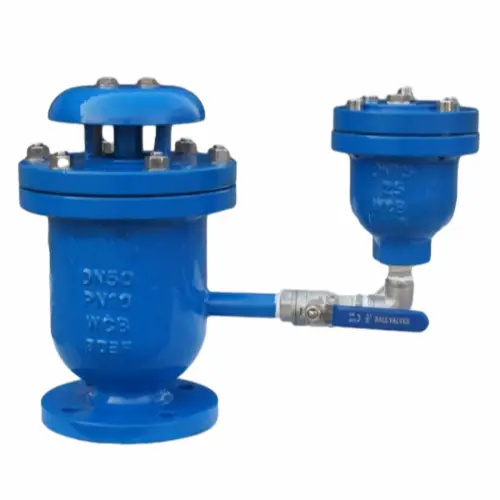
In pipeline systems, trapped air or gas can lead to pressure buildup, flow restrictions, and system inefficiencies. Air release valves are designed to expel trapped air or gas, ensuring that your pipeline runs smoothly, efficiently, and safely. These valves are essential in systems dealing with water, wastewater, chemicals, and other fluid transport applications.
At Vcore Valve, our Air Release Valves are engineered to meet high performance and reliability standards, helping industries prevent air locks and improve the flow dynamics of their fluid systems. With our innovative design, you can ensure smooth fluid transport and minimize potential system failures caused by air entrapment.
 2. Key Features of Vcore Air Release Valves
Efficient Air Venting
Vcore air release valves are designed to effectively release air or gas that accumulates at the high points in a pipeline. This ensures that fluid flow is uninterrupted, even in systems with varying pressures.
Automatic Operation
The valve operates automatically, opening to release trapped air when needed, and closing to prevent leakage. This self-regulating mechanism minimizes maintenance and ensures efficient pipeline performance without human intervention.
Durable Construction
Made from high-quality materials such as stainless steel and cast iron, Vcore air release valves are built to withstand harsh operating conditions and provide long-lasting, reliable service in a variety of applications.
Corrosion-Resistant Seals
The valve’s sealing components are made from EPDM or PTFE materials, offering corrosion resistance and ensuring a leak-proof, secure closure, even under high pressures and corrosive environments.
Wide Range of Sizes
Available in various sizes to fit different pipeline systems, from 1” to 12” (DN25 to DN300), Vcore air release valves are versatile and adaptable to most piping configurations and operational requirements.
3. Air Release Valve Specifications
Here are the key technical parameters of Vcore Air Release Valves:
| Feature | Specification |
|---|---|
| Size Range | 1″ to 12″ (DN25 to DN300) |
| Pressure Rating | Up to 150 PSI (10 bar) |
| Material | Stainless Steel, Cast Iron, EPDM/PTFE Seals |
| Connection Type | Flanged, Threaded, Tri-Clamp, Butt-Weld |
| Temperature Range | -10°C to +120°C (14°F to 248°F) |
| Max Flow Rate | Varies with size and application (consult manufacturer) |
| Operating Mechanism | Float Mechanism with Automatic Venting |
4. How Air Release Valves Work
 4. How Air Release Valves Work
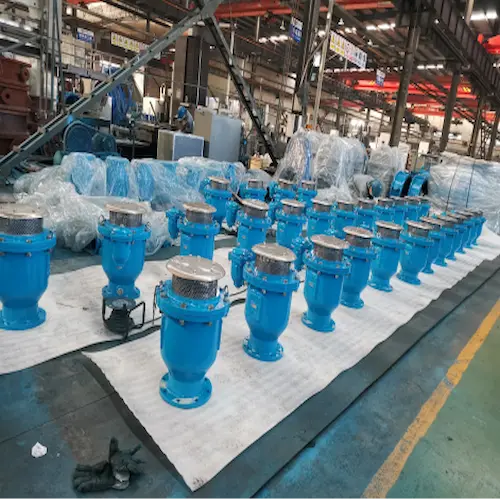
Air release valves work by utilizing a float mechanism inside the valve body, such as Free-Ball Float Steam Trap. When the pipeline is not pressurized, the float sits at the bottom, allowing air to accumulate and flow through the valve. Once the pipeline is pressurized, the float rises, closing the valve and preventing backflow. If air accumulates at the high point in the pipeline, the float drops and opens the valve, releasing the trapped air.
This cycle happens automatically, ensuring smooth, continuous flow of liquids and preventing issues like air pockets, pressure surges, and system inefficiency.
5. Applications of Air Release Valves
Vcore Air Release Valves are ideal for various industries and applications where air entrapment can cause damage or inefficiency in fluid systems, such as:
-
Water Supply Systems: Prevent air pockets in water distribution pipelines, ensuring stable flow and pressure.
-
Wastewater Treatment Plants: Release accumulated gases and air, preventing system blockages and optimizing treatment processes.
-
Industrial Pipelines: Ensure smooth fluid flow in industries such as chemical, oil and gas, and pharmaceutical processing.
-
Irrigation Systems: Keep pipelines free from airlocks that could disrupt water flow and affect irrigation efficiency.
6. Air Release Valve Advantages
Prevents Air Locks and Flow Disruptions
By releasing trapped air at the highest points of the pipeline, our valves ensure that your system maintains a steady and uninterrupted flow of liquids, reducing the risk of airlocks and enhancing system efficiency.
Reduces Pressure Surges
Vcore air release valves help in reducing pressure surges by controlling the buildup of air within the system, protecting both the pipeline and other system components from damage.
Energy Efficiency
With continuous venting of air, energy losses caused by system inefficiencies are minimized. This leads to lower operating costs and improved overall energy efficiency in pipeline systems.
Easy Maintenance
Vcore air release valves are designed for easy inspection and maintenance. With simple, reliable mechanisms and high durability, these valves require minimal attention and provide long-term, trouble-free performance.
 7. Installation and Maintenance
 7. Installation and Maintenance
Installing Vcore air release valves is straightforward, and they are compatible with most pipeline systems. Here are some key points:
-
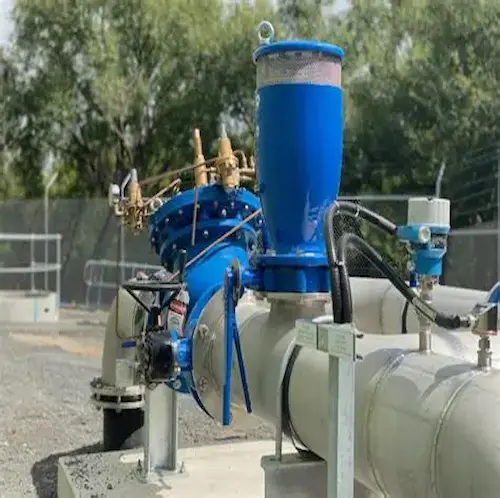
Simple Installation: The valve can be installed at high points in the pipeline where air naturally accumulates, usually at regular intervals to ensure maximum air venting efficiency.
-
Low Maintenance: Vcore air release valves are designed for minimal maintenance. Regular inspection ensures that the float mechanism operates correctly, and occasional cleaning can be performed to ensure that the valve remains free of debris.
-
Durability: Vcore valves are built to withstand the demanding conditions of water treatment, industrial systems, and other high-pressure applications, offering long service life.
8. Why Choose Vcore Valve for Your Air Release Valve Needs
At Vcore Valve, we are dedicated to providing high-performance air release valve solutions that ensure optimal fluid flow, prevent air entrapment, and improve system efficiency. Our valves are designed for long-lasting reliability, with materials and sealing systems that offer exceptional durability in even the harshest environments.
With our expertise in valve engineering, we offer a full range of air release valves that are customizable to meet your specific requirements, helping you maintain safe, smooth, and cost-efficient pipeline systems.
9. FAQ: Common Questions About Air Release Valves
Q1: Why is an air release valve necessary for my pipeline system?
A1: Air release valves prevent air pockets and gas buildup in pipelines, which can cause pressure surges and reduce flow efficiency. They ensure continuous, smooth fluid transport, optimizing system performance.
Q2: How do I install an air release valve in my system?
A2: Air release valves should be installed at high points in the pipeline where air is most likely to accumulate. They can be easily integrated into most pipeline systems and require minimal tools or adjustments.
Q3: Are Vcore air release valves resistant to corrosion?
A3: Yes, Vcore air release valves are built with corrosion-resistant materials such as stainless steel and EPDM seals, making them suitable for water, wastewater, and industrial applications.
Q4: How often should I maintain my air release valve?
A4: Air release valves should be inspected periodically for any signs of wear or debris buildup. Regular cleaning and testing of the float