
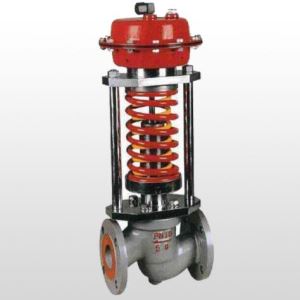
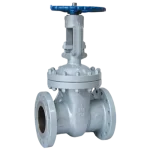
Caged Ball Valve
 Production Overview
The Caged Ball Valve from Vcore Valves is designed for applications requiring precise flow control, excellent sealing, and reduced wear in industrial and high-pressure systems. The valve features a caged design, where the ball is confined within a cage structure to reduce friction and ensure smooth operation. This design enhances the valve’s performance, providing long-lasting reliability and tight sealing, even under extreme conditions.
Key Features
-
Caged Ball Design – Ball is confined within a cage structure to prevent deflection, reducing wear and increasing valve life
-
Reliable Sealing – Provides a tight seal, preventing leakage even under high pressure and temperature conditions
-
Full-Bore Design – Ensures maximum flow efficiency with minimal pressure drop
-
Durable Construction – Made from high-strength materials like stainless steel, carbon steel, and alloy steels
-
Smooth Operation – Caged design reduces friction, ensuring smooth ball movement and consistent sealing
-
Versatile Actuation Options – Available with manual, pneumatic, and electric actuators for seamless integration into control systems
-
Easy Maintenance – Robust and durable design that reduces maintenance costs and downtime
-
Compliant with Global Standards – Manufactured to meet API, ANSI, ISO, and AWWA standards
Technical Specifications
| Item | Description |
|---|---|
| Valve Type | Caged Ball Valve |
| Body Material | Stainless Steel (304, 316), Carbon Steel (A105, WCB), Alloy Steel |
| Ball Material | Stainless Steel (304, 316), Brass |
| Seat Material | PTFE, PEEK, Metal Seat (304, 316 Stainless Steel) |
| Stem Material | Stainless Steel (304, 316) |
| Coating | Fusion Bonded Epoxy (FBE), Anti-Corrosion Coating |
| Size Range | DN15–DN1200 (½”–48”) |
| Pressure Rating | PN10 / PN16 / PN25 / 150LB |
| Temperature Rating | -20°C to +200°C (PTFE seat), up to 350°C (metal seat) |
| Connection Type | Flanged (ANSI B16.34), Threaded, Butt-Weld, Socket Weld |
| Actuation Options | Manual, Pneumatic, Electric Actuator |
| Seat Type | Soft Seat (PTFE, EPDM), Metal Seat (304, 316 Stainless Steel) |
| Application | Water, Oil, Gas, Steam, Chemicals, Slurries |
| Standards Compliance | API 6D, ISO 9001, ANSI B16.34, AWWA C507 |
Main Dimensions & Weight
| DN (mm) | L (mm) | H (mm) | W (mm) | Weight (kg) |
|---|---|---|---|---|
| 15 | 120 | 150 | 80 | 2.5 |
| 20 | 130 | 160 | 90 | 3.0 |
| 25 | 140 | 170 | 100 | 3.5 |
| 40 | 160 | 190 | 120 | 5.0 |
| 50 | 180 | 210 | 130 | 7.0 |
| 80 | 220 | 240 | 160 | 11.0 |
| 100 | 240 | 260 | 180 | 15.0 |
| 150 | 280 | 300 | 220 | 25.0 |
Function
The Caged Ball Valve is designed to control the flow of liquids and gases in pipeline systems. The cage structure keeps the ball from floating, which reduces the risk of damage to the ball and valve seat, ensuring smooth operation and long-lasting reliability. When the actuator (manual, pneumatic, or electric) is engaged, the ball rotates 90 degrees to open or close the flow path.
In the open position, the valve offers maximum flow capacity with minimal pressure drop, as the full-bore ball design allows for unobstructed flow. When closed, the valve’s sealing system ensures a tight shut-off, preventing leakage even under high-pressure conditions. The caged design further enhances the valve’s sealing capability, reducing the wear and tear that can occur with conventional ball valves.
Made from stainless steel, carbon steel, or alloy steel, the Caged Ball Valve is suitable for high-flow applications such as oil & gas, chemical processing, water treatment, and HVAC systems. The caged ball valve design ensures that the ball moves smoothly with minimal resistance, while the cage prevents ball deflection, ensuring a consistent seal and minimal leakage. The valve is available with various actuation options, including manual, pneumatic, and electric actuators, making it versatile for automation systems.
Application
-
Oil & Gas – Flow regulation and isolation in upstream, midstream, and downstream pipeline systems
-
Chemical Processing – Flow control in chemical reactors, pipelines, and distribution systems
-
Water Treatment – Isolation and regulation of water flow in filtration and treatment systems
-
Power Generation – Flow control in steam and cooling systems in power plants
-
Mining & Slurry Transport – Flow regulation in slurry pipelines and tailing systems
-
Food & Beverage – Flow control in production lines for liquids, oils, and gases
-
HVAC – Control of chilled or hot water systems in commercial or industrial buildings