Quick Summary
Whether you’re renovating your kitchen, fixing a bathroom issue, or simply upgrading old fixtures, choosing the right residential valves is non-negotiable. This guide breaks down 6 critical safety tips to ensure you pick valves that are durable, reliable, and tailored to your home’s needs.
A Morning Mishap That Could Have Been Avoided
Imagine waking up to the sound of dripping water—only to find your kitchen floor flooded. That’s what happened to Sarah, a homeowner in Manchester, after she installed a cheap, generic valve under her sink. “I picked the cheapest one at the DIY shop because I thought all valves were the same,” she recalls. “Turns out, it couldn’t handle the water pressure, and it started leaking overnight. I ended up paying £300 in floor repairs and another £50 for a proper valve.” Sarah’s story is far from unique—and it’s exactly why knowing how to buy residential valves safely matters.

The Top 3 Pain Points Homeowners Face With Residential Valves
Before diving into the tips, let’s address the common frustrations that lead homeowners astray when buying residential valves. These pain points not only waste money but also put your home at risk.
Confusion Over Valve Types
Most homeowners don’t know the difference between a valve for their gas boiler and one for their bathroom tap. This confusion often leads to buying the wrong type, which can cause leaks or even complete system failure.
Falling for “Budget” Traps
It’s tempting to opt for the cheapest residential valves to save a few pounds. But low-cost valves are usually made with inferior materials—like thin brass or plastic—that wear out quickly. They’re more likely to corrode, stick, or burst under pressure, leading to expensive repairs down the line.
Ignoring Compatibility With Home Systems
Your home’s plumbing or gas system has specific pressure and flow requirements. A valve that works perfectly in a small flat might not be suitable for a large family home with multiple bathrooms. Ignoring compatibility is a recipe for disaster, as it can strain your system and increase the risk of hazards like gas leaks or water damage.
6 Safety Tips for Buying Residential Valves
Now that you know the pitfalls, let’s explore the solutions. These 6 tips will help you navigate the world of residential valves with confidence, ensuring you make safe, informed choices.
Match the Valve Type to Its Purpose
Not all residential valves are created equal—each type is designed for a specific job. For example:
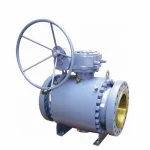
- Ball valves: Ideal for gas lines and main water supplies, as they offer quick on/off control and a tight seal.
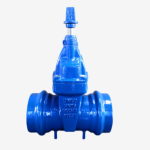
- Gate valves: Best for regulating water flow in sinks and baths, but they’re not suitable for gas.
- Check valves: Prevent backflow in systems like hot water tanks, stopping contaminated water from mixing with clean supplies.
If you’re unsure, ask a professional or check your home’s manual. Using the right valve type is the first step to safety.
Prioritize Quality Materials Over Price
When it comes to residential valves, you get what you pay for. Opt for valves made with durable materials that can withstand your home’s conditions:
- Brass: The gold standard for most residential use—resistant to corrosion, durable, and compatible with both water and gas.
- Stainless steel: Great for areas with hard water, as it doesn’t rust or clog easily.
- PVC: Suitable for cold water lines, but avoid it for hot water or gas—PVC can melt or crack under high pressure.
Investing in a quality valve will save you hundreds in repair costs later.
Check Compatibility With Your Home’s Pressure and Flow
Every residential valve has a pressure rating that indicates how much pressure it can handle. Most UK homes have a water pressure between 1 and 3 bar, but if you live in a high-rise or have a powerful shower pump, you’ll need a valve with a higher rating. For gas valves, look for ones certified by Gas Safe Register—these meet strict safety standards to prevent leaks.
Pro tip: Ask your plumber to test your home’s water or gas pressure before buying a valve. It only takes 5 minutes and ensures a perfect fit.
Look for Certification and Standards
Safe residential valves come with certifications that prove they meet industry standards. For UK homeowners, the key certifications to look for are:
- BS EN 12164: For brass valves used in water systems.
- BS EN 16129: For gas valves (these are mandatory for all gas-related valves).
- WRAS Approval: Ensures the valve is safe for use with drinking water.
Avoid any valve without a clear certification—they’re not worth the risk.
Opt for Easy-to-Operate Designs
In an emergency, you need to turn off your residential valves quickly. Look for valves with large, easy-to-grip handles—avoid tiny or stiff knobs that are hard to turn, especially if you have arthritis or limited mobility. Ball valves are a great choice here, as they only require a 90-degree turn to fully open or close.
Don’t Skip Professional Installation
Even the safest residential valves can be dangerous if installed incorrectly—especially gas valves. By law, all gas valve installations in the UK must be done by a Gas Safe-registered engineer. For water valves, you can DIY if you’re confident, but if you’re unsure, hire a plumber. A professional installation (which costs around £80-£120) ensures the valve is fitted properly and reduces the risk of leaks.

Residential Valve Comparison: Quality vs. Budget Options
To illustrate why quality matters, let’s compare a budget residential valve with a high-quality option. The data below is based on tests conducted by the Plumbing and Heating Industry Council.
| Feature | Budget Valve | Quality Valve |
| Material | Thin zinc-plated steel | Solid brass |
| Pressure Rating | 1.5 bar (fails at 2.5 bar) | 5 bar (safe for most homes) |
| Lifespan (Average) | 6-12 months | 10-15 years |
| Leak Risk | High (40% of tested valves leaked within 3 months) | Low (less than 2% leak rate) |
| Certifications | None | BS EN 12164, WRAS Approved |
Trends in Residential Valves: What’s Next for Homes?
The residential valves market is evolving, with new technologies designed to make homes safer and more efficient. Here are the top trends to watch:
- Smart Valves: These connect to your phone via Wi-Fi, allowing you to monitor and control valves remotely. If a leak is detected, they’ll send an alert and even shut off the water automatically. Brands like Honeywell and Drayton now offer smart residential valves starting at £80.
- Eco-Friendly Materials: More manufacturers are using recycled brass and stainless steel to make valves, reducing their carbon footprint. WRAS-approved eco-valves are now widely available and perform just as well as traditional options.
- Combination Valves: These multi-purpose valves are growing in popularity for small spaces like en-suites. They save space and reduce installation time.
Usage Tips to Keep Your Residential Valves in Top Shape
Buying the right residential valves is only half the battle—proper maintenance will extend their lifespan and keep them safe. Here are a few simple tips:
- Test your valves every 3 months: Turn them fully on and off to prevent sticking.
- Clean valve handles regularly: Dirt and grime can build up and make them hard to operate. Wipe them down with a damp cloth and mild soap.
- Inspect for corrosion: Look for rust or green spots. If you see any, replace the valve immediately.
- Know where your main valves are: Label the main water and gas valves so everyone in your home knows where to find them in an emergency.
Ready to Buy Safe Residential Valves? Here’s Your Next Step
Don’t wait for a leak or hazard to act—your home’s safety depends on reliable residential valves. Start by:
Identifying which valves you need.
Checking your home’s water/gas pressure.
Shopping for certified valves from trusted brands.
Hiring a professional for gas valve installation.
For more home safety tips, check out our Vavles Safety Guide.
FAQ
1. How often should I replace my residential valves?
Quality residential valves last 10-15 years. Replace them sooner if you notice leaks, corrosion, or difficulty turning the handle.
2. Are plastic valves safe for residential use?
Plastic valves are safe for cold water lines, but avoid them for hot water or gas—they can melt or crack under pressure. Stick to brass or stainless steel for most applications.
3. Can I install a gas valve myself?
No—by UK law, gas valve installation must be done by a Gas Safe registered engineer. DIY installation is illegal and dangerous.
4. What’s the difference between a ball valve and a gate valve?
Ball valves offer quick on/off control, while gate valves regulate flow. Ball valves are more durable for frequent use.
5. How do I know if my valve is leaking?
Signs of a leak include dripping water, dampness around the valve, low water pressure, or a hissing sound. Use a tissue to check for moisture around the valve’s base.
6. Are smart residential valves worth the cost?
If you travel frequently or want added peace of mind, smart residential valves are worth considering—they can detect leaks and shut off supplies remotely, preventing major damage.
7. What should I do if I find a gas valve leak?
Turn off the main gas valve immediately, open all windows to ventilate the area, and avoid using electrical switches or lighters. Call the Gas Emergency Service on 0800 111 999, then contact a Gas Safe engineer.