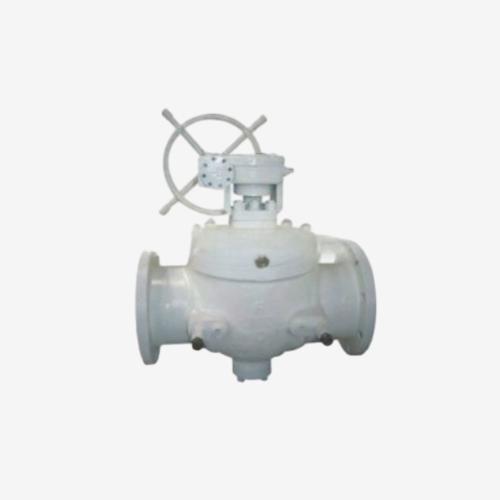
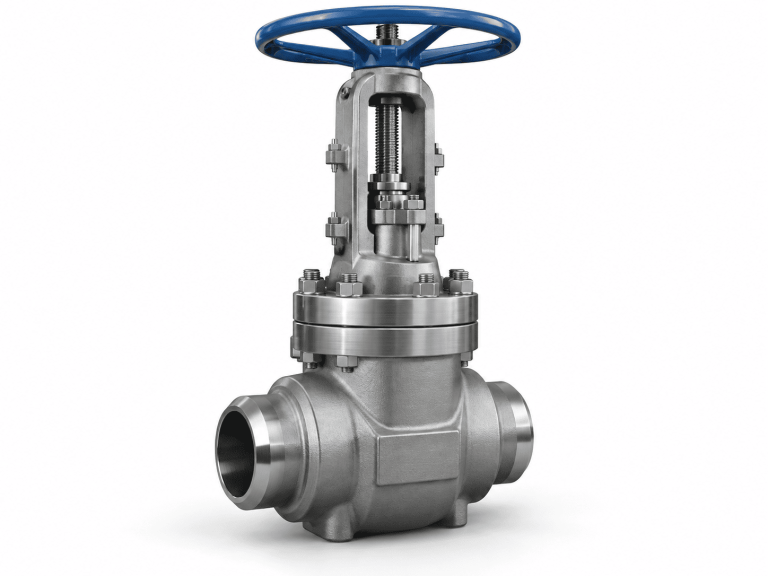
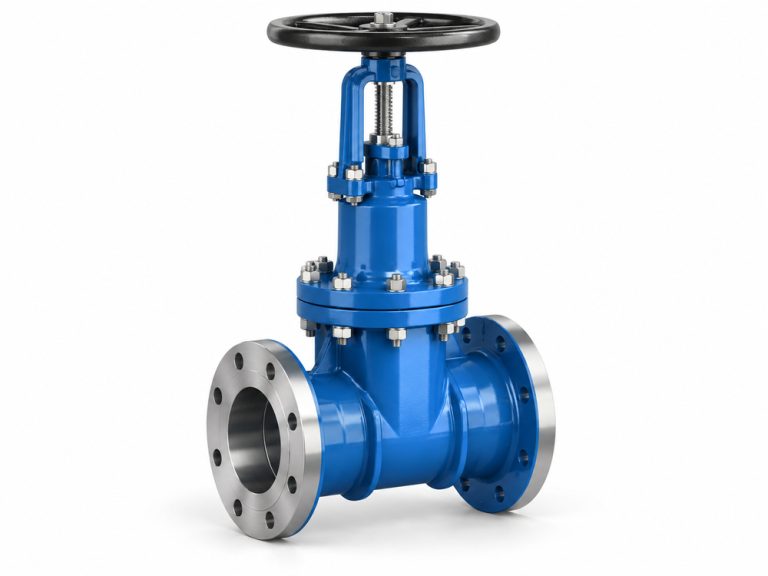
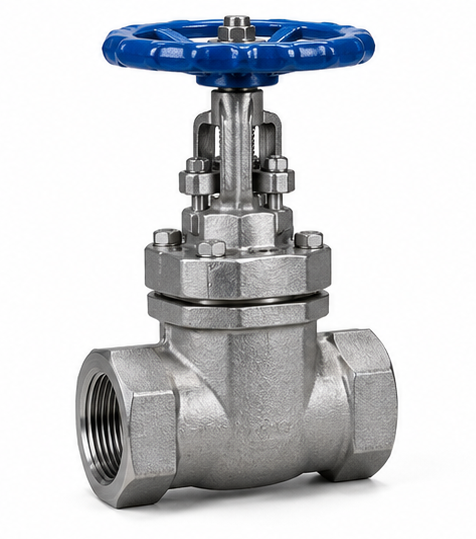
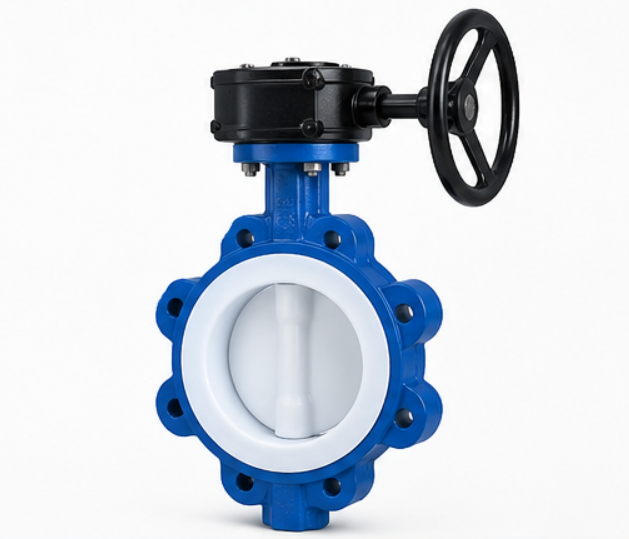
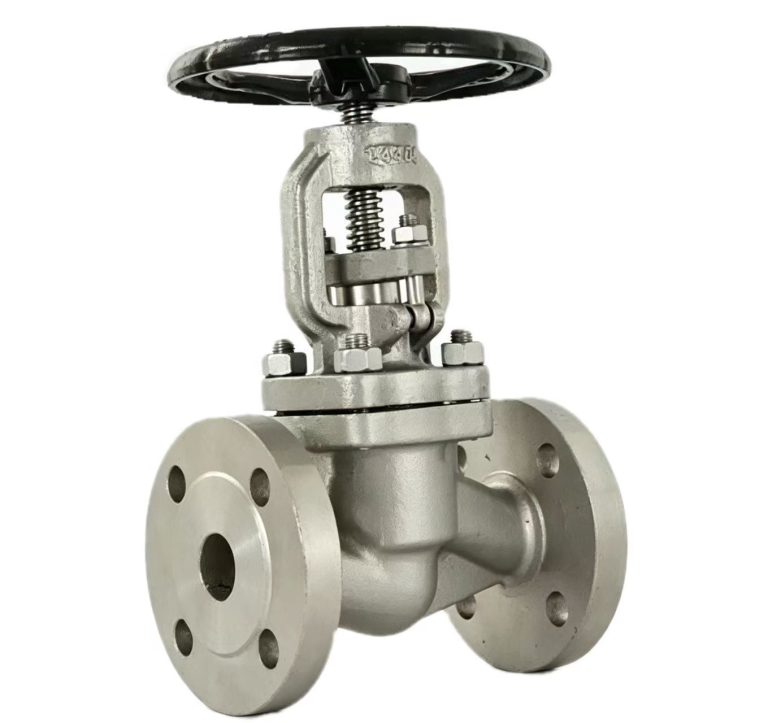
This page covers top entry ball valve configurations rather than one fixed dimensional model. Depending on valve size, pressure class, medium and project requirement, the valve can be supplied with floating-ball or trunnion-mounted construction, soft seat or metal seat, flanged or butt-weld ends, manual gearbox, pneumatic actuator, electric actuator or hydraulic actuator. Final selection should be confirmed from the approved datasheet, valve drawing and inspection specification.
Key Product Features
- Top-entry body design for in-line maintenance access
- Ball, seats and stem can be accessed from the top after safe depressurization
- Suitable for pipeline sections where complete valve removal is difficult
- Floating-ball or trunnion-mounted construction according to size and pressure
- Soft seat or metal seat options according to medium and temperature
- Flanged, RTJ flanged, butt-weld or project-specific end connections
- Manual gearbox, pneumatic, electric or hydraulic actuation available
- Seat injection, cavity relief, anti-static, fire-safe or NACE options available when specified and confirmed
Product Configuration
| Configuration Item | Common Configuration | Project Options |
|---|---|---|
| Valve Type | Top entry ball valve | Floating-ball or trunnion-mounted top entry design |
| Maintenance Access | Top access through bolted bonnet or cover | Seat, ball and stem service access according to valve structure |
| Body Structure | One-piece or top-entry body | Cast, forged or project-specific pressure body design |
| Seat Design | Soft seat | Metal seat, spring-loaded seat or severe-service seat after review |
| End Connection | Flanged ends | RTJ flange, butt weld or project-specific pipeline connection |
| Operation | Lever or gearbox | Pneumatic, electric or hydraulic actuator |
Technical Specifications
| Specification Item | Typical / Available Options |
|---|---|
| Product Type | Top entry ball valve |
| Primary Function | On-off isolation with in-line maintenance access |
| Body Construction | Top-entry body, bolted bonnet or removable top cover design |
| Ball Support | Floating ball or trunnion-mounted ball |
| Size Range | According to selected top entry valve series and approved drawing |
| Pressure Class | Class 150, 300, 600, 900, 1500 or 2500 when supported by selected design and material |
| Body Material | WCB, A105, LF2, LCB, F304, F316, CF8M, duplex, alloy steel or project-specified material |
| Ball Material | Stainless steel, alloy steel, coated material, hard-faced material or project-specified material |
| Seat Material | PTFE, RPTFE, PEEK, PCTFE, metal seat or project-specific seat material |
| End Connection | RF flange, RTJ flange, butt weld or project-specific connection |
| Operation | Lever, gearbox, pneumatic actuator, electric actuator or hydraulic actuator |
| Design Reference | API 6D, ASME B16.34 or approved project specification where applicable |
| Testing Reference | API 598, API 6D, EN 12266 or approved inspection specification where applicable |
| Typical Media | Oil, natural gas, process gas, chemical media, water, steam and selected industrial fluids |
Technical note: Do not publish fixed size range, pressure class, leakage class, API 6D compliance, fire-safe status, NACE suitability or metal-seat capability unless the selected valve model, material list, seat design and project specification are confirmed.
 How the Top Entry Design Works
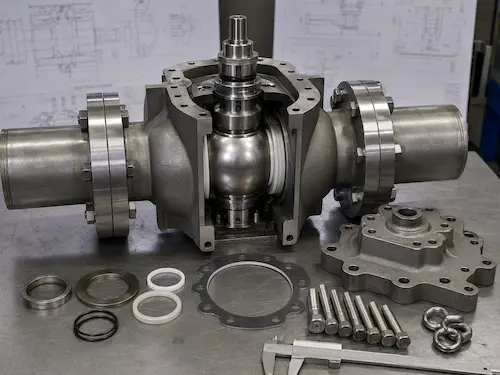 How the Top Entry Design Works
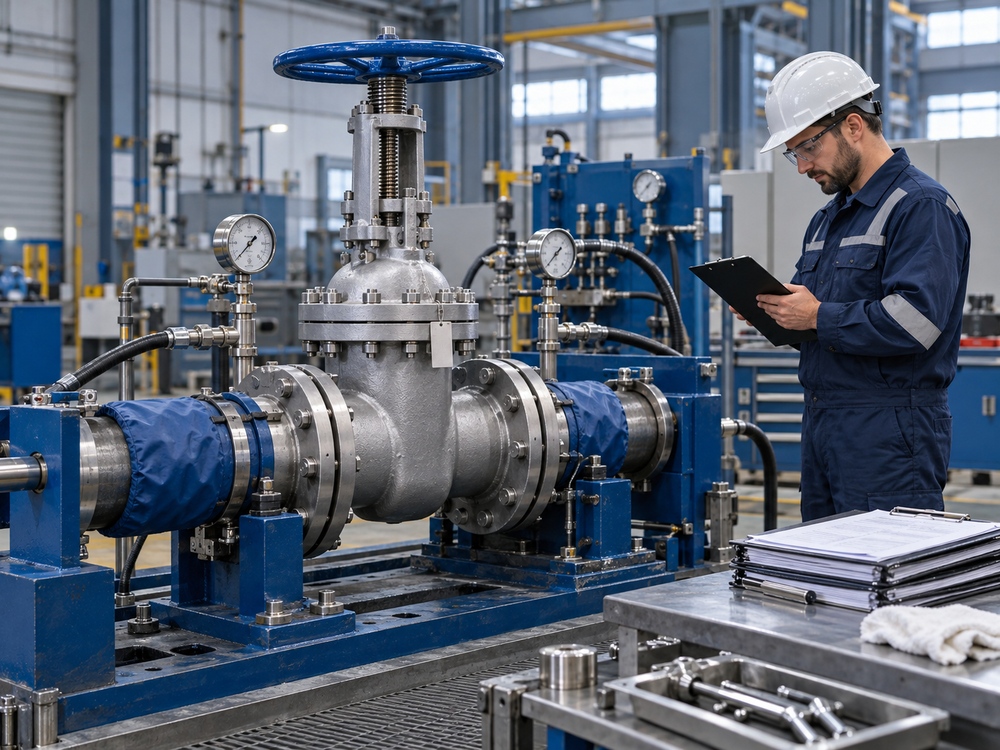
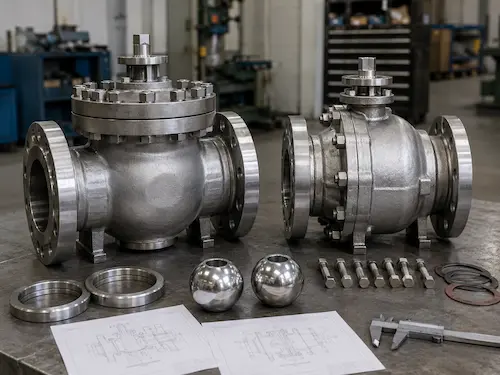
The main advantage of a top entry ball valve is service access from the top of the valve body. After the pipeline is safely isolated, depressurized and prepared for maintenance, the top cover or bonnet can be removed to access internal components such as the ball, seats, stem and sealing parts.
This design is useful where pipeline shutdown time is expensive, where heavy valves are difficult to remove, or where welded-end pipeline installation makes valve replacement more complicated. However, top-entry maintenance still requires correct lifting space, safe depressurization, qualified technicians and the correct spare parts.
Top Entry Ball Valve vs Side Entry Ball Valve
| Comparison Item | Top Entry Ball Valve | Side Entry Ball Valve |
|---|---|---|
| Body Access | Internal parts are accessed from the top | Body sections are usually assembled from the side |
| Maintenance Method | Designed for in-line maintenance after safe preparation | Often requires valve removal or more disassembly space |
| Pipeline Downtime | Can reduce downtime where removal is difficult | May require longer shutdown for removal and reinstallation |
| Manufacturing Complexity | Usually more complex and heavier | Common structure with wider availability |
| Typical Use | Critical pipeline, oil & gas, chemical and high-pressure isolation | General industrial isolation and standard pipeline service |
Floating vs Trunnion-Mounted Top Entry Design
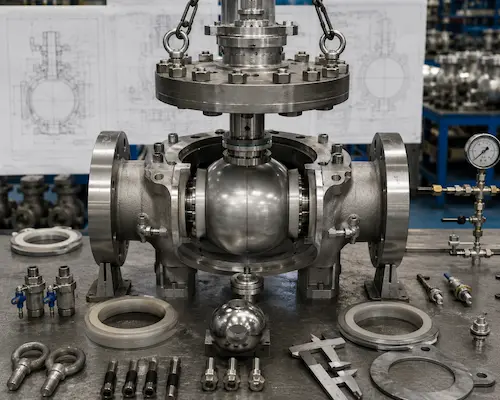
Top entry ball valves can be designed as floating-ball or trunnion-mounted valves. Smaller sizes and moderate pressure classes may use floating-ball construction, while larger sizes and higher-pressure pipeline service commonly require trunnion-mounted construction to reduce seat load and operating torque.
| Design Type | Main Advantage | Typical Selection |
|---|---|---|
| Floating Top Entry Ball Valve | Simpler construction for selected smaller sizes | General industrial isolation and moderate pressure service |
| Trunnion Top Entry Ball Valve | Ball is mechanically supported to reduce operating torque | Large-size, high-pressure and pipeline isolation service |
| Metal Seated Top Entry Ball Valve | Better resistance to high temperature, abrasive or severe service after review | Steam, dirty media, high temperature or selected severe-service applications |
Seat, Sealing and Maintenance Considerations
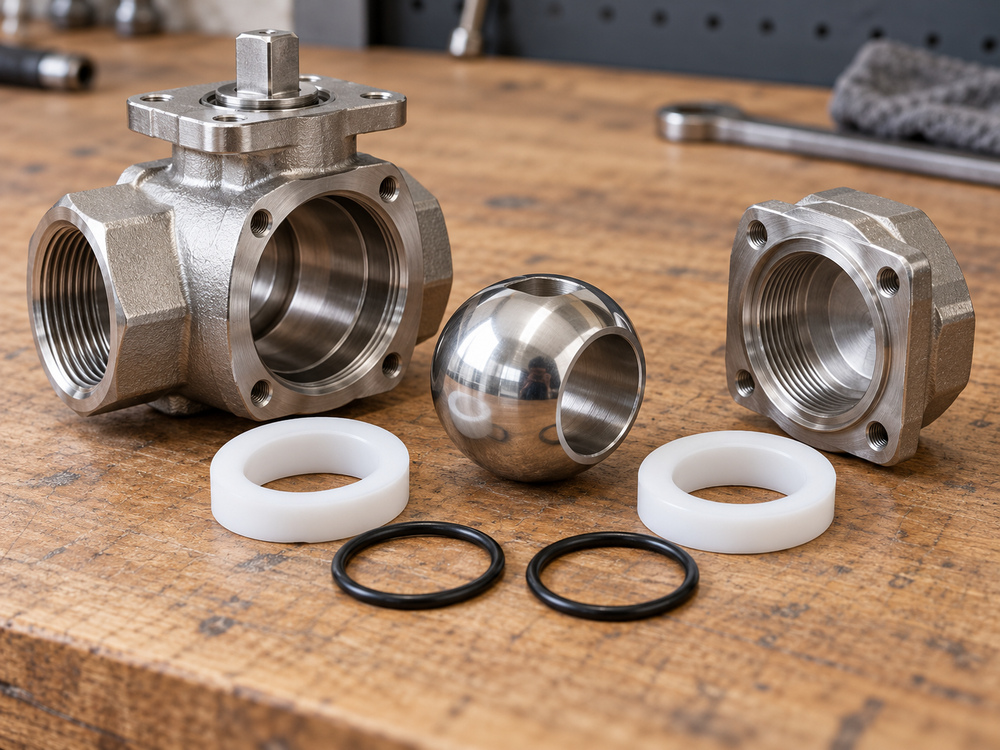
Seat design is critical for top entry ball valves because the maintenance concept depends on whether internal components can be accessed, inspected and replaced safely from the top. Soft seats such as PTFE, RPTFE, PEEK or PCTFE may be used for general sealing service, while metal seats or hard-faced trim may be selected for higher temperature, abrasive media or severe service.
- Soft seats are commonly used for clean fluid and gas isolation.
- Metal seats may be required for high temperature, abrasive media or severe service.
- Spring-loaded seat designs may be used in selected trunnion-mounted configurations.
- Seat injection, emergency sealant injection or cavity relief should be specified when required.
- Spare seat kits, gasket kits and packing kits should match the exact valve model and material scope.
For severe shutoff service, compare our Metal Seated Ball Valve. For large pipeline isolation, review the API 6D Ball Valve and Forged Trunnion Ball Valve.
Top Entry Ball Valve vs Fully Welded Ball Valve
A top entry ball valve and a fully welded ball valve solve different pipeline problems. The top entry design focuses on in-line maintenance access from the top. The fully welded design focuses on reducing external body-joint leak paths and is commonly used in buried gas, district heating and pipeline service. A fully welded ball valve is usually not intended for the same level of internal field disassembly as a top entry valve.
If the project requires compact welded construction, compare our Fully Welded Ball Valve. If the project requires fire-tested construction, review the Fire Safe Ball Valve. Additional structures are available in the Ball Valve category.
 Typical Applications
 Typical Applications
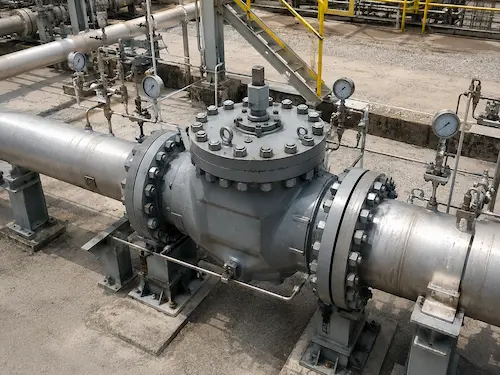
Top entry ball valves are selected where isolation reliability and maintenance access are important. Common service areas include:
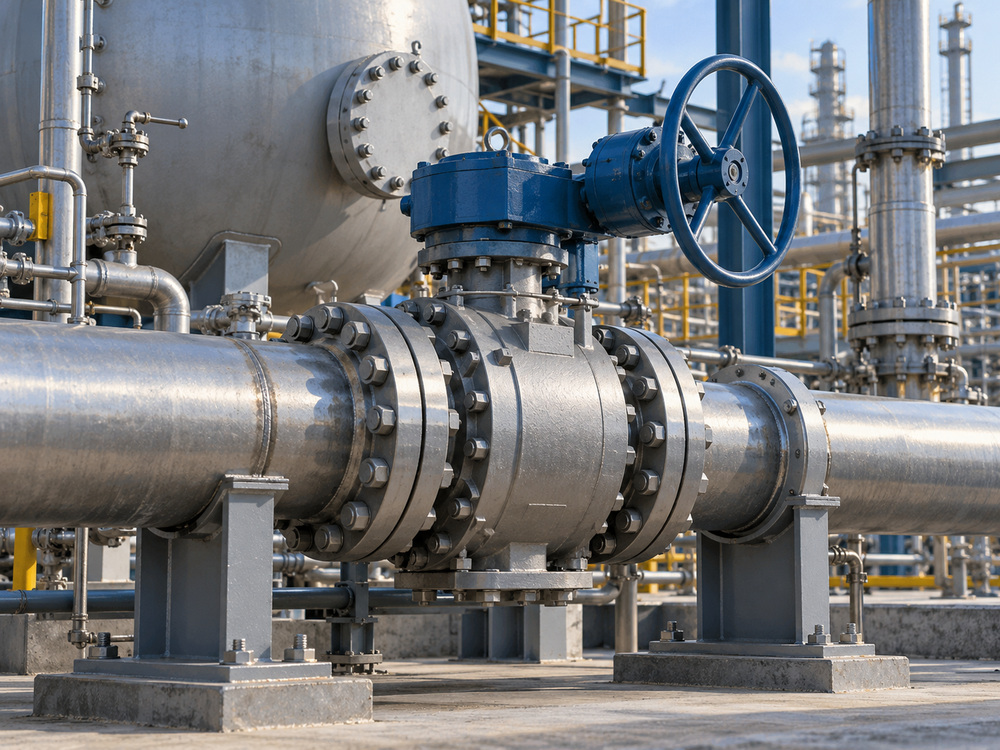
- Oil and natural gas pipeline isolation
- Pipeline block valve stations
- Refinery and petrochemical process units
- Chemical process pipelines
- Power plant steam, water and auxiliary systems after service review
- High-pressure gas and process gas lines
- Large-size valves where complete removal is difficult
- Critical isolation points requiring planned in-line maintenance
- Welded pipeline sections where valve removal is costly
Application Limits
- Top entry ball valves are mainly intended for on-off isolation, not continuous throttling.
- In-line maintenance still requires safe depressurization, isolation, draining and site procedure approval.
- Enough vertical lifting space is required above the valve for maintenance.
- Top entry construction can be heavier and more expensive than standard side-entry designs.
- Seat replacement from the top depends on the exact valve structure and manufacturer design.
- Fire-safe, NACE, low-emission, API 6D or metal-seat requirements must be specified before quotation.
- High temperature, abrasive media, slurry, sour gas, hydrogen or oxygen service requires dedicated material and sealing review.
- Actuated top entry valves require confirmed torque, fail position, control signal and mounting interface.
Inspection and Documentation
| Inspection / Document | Purpose |
|---|---|
| Material Test Certificate | Confirms pressure-containing and wetted component material grades and heat numbers. |
| PMI | Verifies alloy material chemistry when specified. |
| Dimensional Inspection | Checks end connection, bore, face-to-face or end-to-end length, top cover and actuator interface. |
| Shell Pressure Test | Verifies pressure-containing body integrity. |
| Seat Leakage Test | Confirms shutoff performance under specified test conditions. |
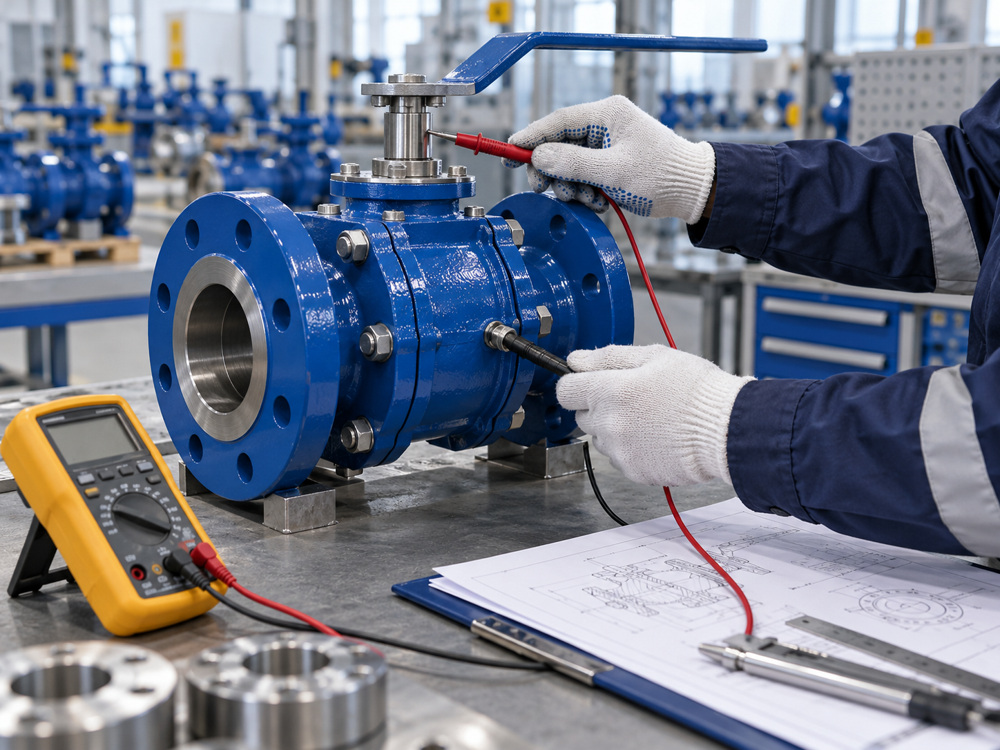
| Operation / Torque Test | Checks smooth operation and supports gearbox or actuator sizing. |
| Top Access / Assembly Check | Confirms cover assembly, gasket surface, stem access and maintainability features when required. |
| NDE | RT, UT, MT or PT inspection when specified by project requirements. |
| Fire-Safe / Anti-Static / NACE Evidence | Provided only when the selected valve model and material scope support the requirement. |
| Final Data Book | Collects approved drawings, MTCs, test reports, inspection records and certificates. |
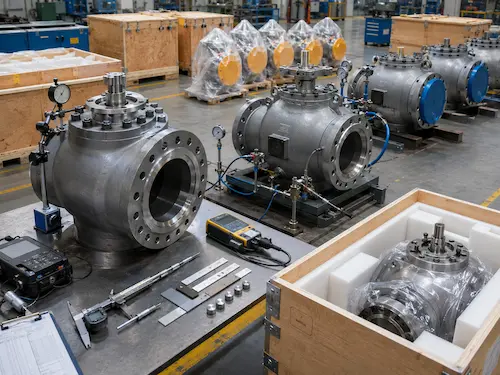
Export packing should protect machined flange faces, butt-weld bevels, body sealing surfaces, top cover gasket areas, stem components, actuator mounting pads and internal spare parts when supplied. Large top entry ball valves should be packed with lifting protection, moisture-resistant wrapping, anti-rust treatment, flange covers or weld-end protectors, foam separation and reinforced plywood or steel-framed export cases according to valve size and transport method.
Information Required for Valve Selection
- Valve size and quantity
- Floating-ball or trunnion-mounted design requirement
- Pressure class, design pressure and operating pressure
- Design temperature and operating temperature
- Medium name, composition, phase and cleanliness
- Body, ball, stem, seat, packing, gasket and bolting materials
- Soft seat, metal seat or severe-service trim requirement
- Flanged, RTJ flanged, butt-weld or project-specific end connection
- Full-bore, reduced-bore or piggable bore requirement
- Manual gearbox, pneumatic, electric or hydraulic operation
- Actuator torque, fail position, control signal and feedback requirement if automated
- Fire-safe, anti-static, NACE, low-emission, API 6D or third-party inspection requirement
- Required spare parts, maintenance kit and final documentation package
FAQ
1. What is a top entry ball valve?
A top entry ball valve is a ball valve designed with top access to internal parts such as the ball, seats and stem. It is commonly used where in-line maintenance is required and complete valve removal from the pipeline is difficult.
2. What is the main advantage of a top entry ball valve?
The main advantage is in-line maintenance. After safe depressurization and site preparation, the valve can be accessed from the top, helping reduce downtime in critical pipeline systems.
3. Is a top entry ball valve better than a side entry ball valve?
Not always. A top entry valve is better where in-line maintenance is important, but it is usually heavier, more complex and more expensive. Side entry ball valves are still suitable for many standard isolation applications.
4. Can a top entry ball valve be used for high-pressure service?
Yes, selected top entry ball valves can be designed for high-pressure service, especially with trunnion-mounted construction. The final pressure class depends on body design, material, seat structure, end connection and project specification.
5. What information is needed for quotation?
For quotation, provide valve size, pressure class, medium, temperature, end connection, body material, seat material, floating or trunnion design, operation method, testing requirement and whether API 6D, fire-safe, NACE or third-party inspection is required.