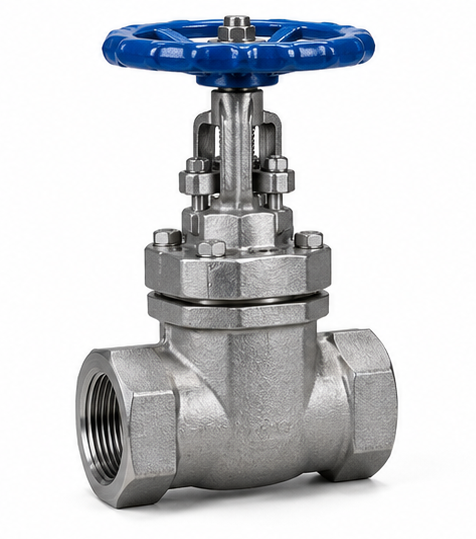
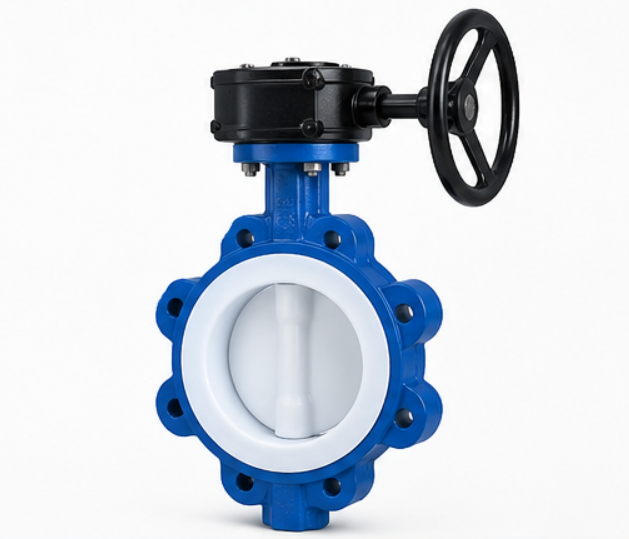
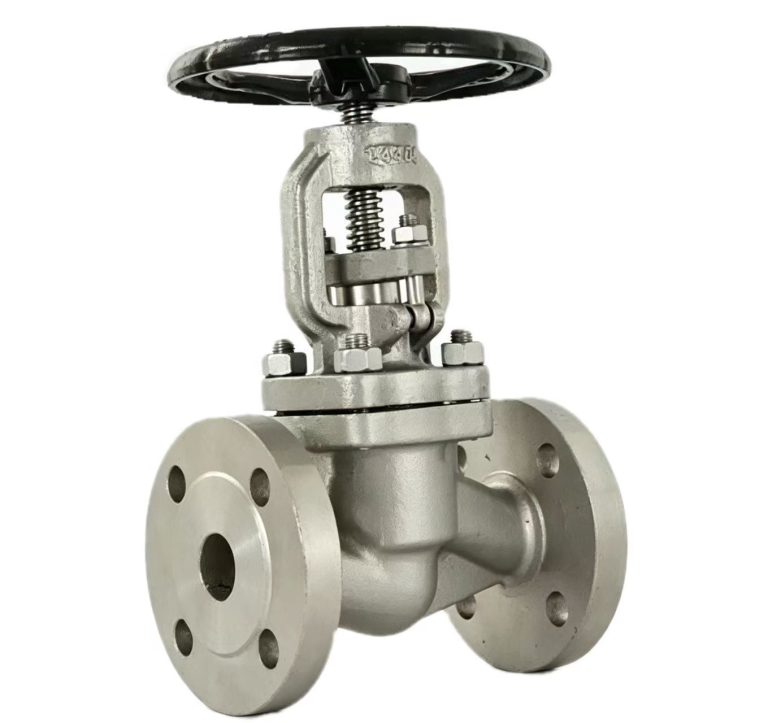
304 Stainless Steel Ball Valve

What is a 304 Stainless Steel Ball Valve?
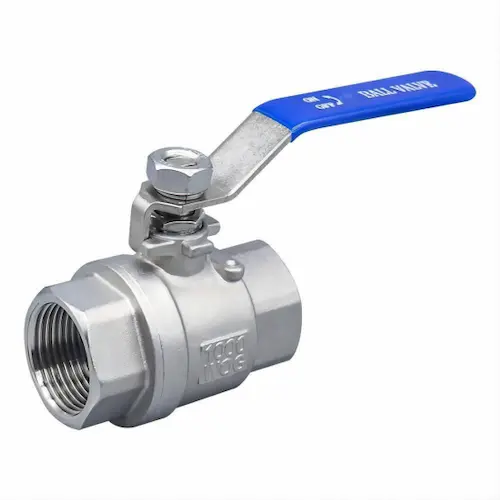
Our 304 stainless steel ball valve is a shut-off valve with 304 stainless steel as its core material. Based on the core principle of “90° rotation for opening and closing”, it realizes rapid cut-off, connection, and precise regulation of fluid media. As a key fluid control equipment in chemical, water treatment, food, and pharmaceutical industries, it is compatible with various media such as water, steam, and weak acid-alkali (pH 2-12). With advantages of strong sealing, easy operation, and ultra-long service life of 8-10 years, it has become a core guarantee for the stable operation of industrial pipelines.
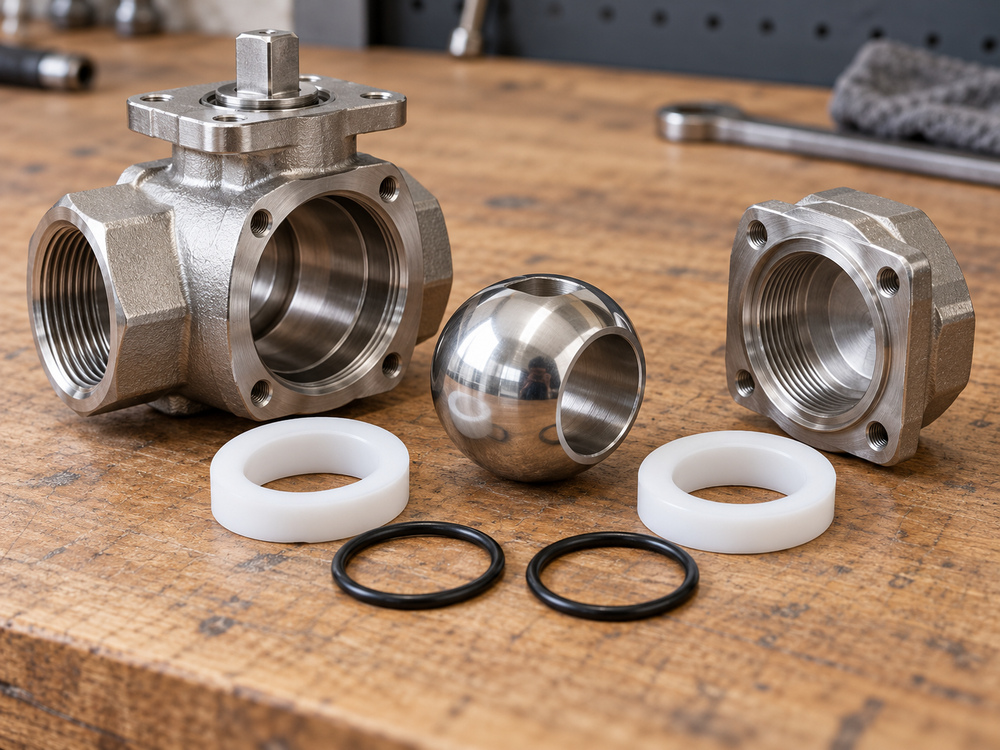
 Structure Analysis of 304 Stainless Steel Ball Valve
 Structure Analysis of 304 Stainless Steel Ball Valve
 Adopting a modular and compact structure, the parts are arranged clearly, and the maintenance efficiency is increased by 40%. The functions of core components are as follows:
Valve Body: The straight-through flow channel design reduces fluid resistance by 1/3-1/5 compared to a gate valve, making it suitable for high-pressure working conditions up to PN6.4MPa. The sealing surface is precision-processed to eliminate leakage risks.
Valve Ball: The surface roughness is Ra ≤ 0.8μm, and the diameter of the through-hole is accurately matched with the pipe diameter of DN15-DN300 to achieve full-flow and non-throttling circulation.
Valve Seat: The PTFE/RPTFE soft seal is suitable for normal temperature scenarios ranging from -20℃ to 200℃, while the metal seal is suitable for high-temperature and high-pressure scenarios from -40℃ to 450℃, both of which comply with GB/T 13927-2008 and ANSI/ASME B16.10 sealing standards.
Valve Stem and Packing System: The 304 stainless steel valve stem transmits torque stably. The flexible graphite/PTFE braided packing realizes dynamic sealing through the gland, completely solving the problem of valve stem leakage.
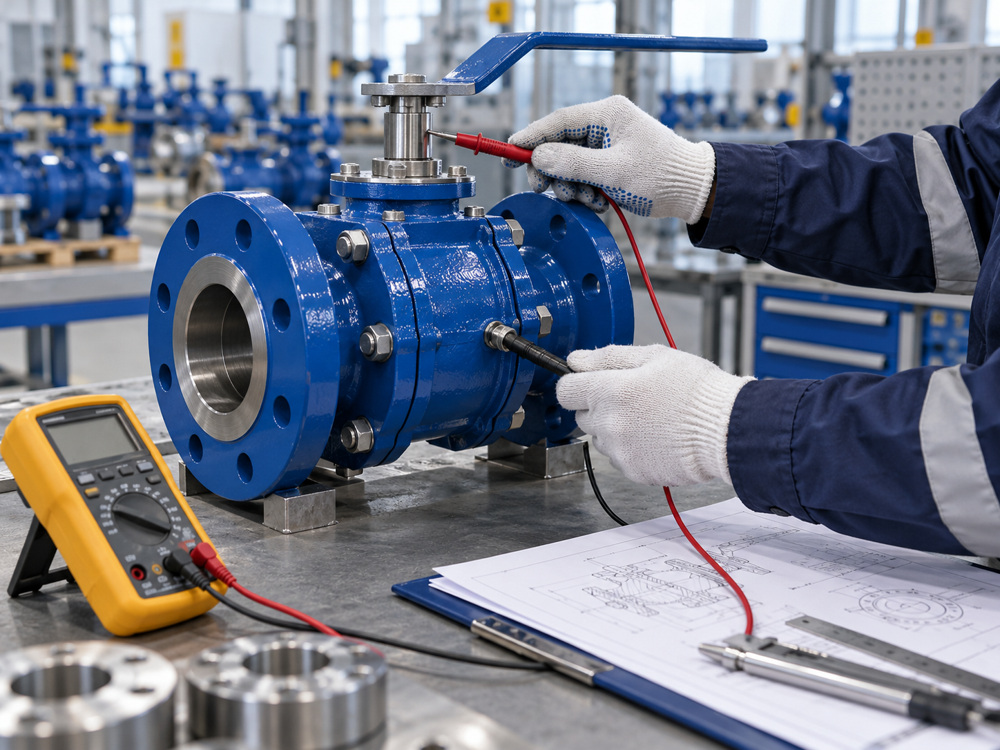
Intelligent Accessory Interface: Reserved installation position for pneumatic/electric actuators, adapting to the automatic control needs of digital workshops in line with Industry 4.0 requirements.
Parameters and Specifications of 304 Stainless Steel Ball Valve
Specifications for High-Frequency Working Conditions
| Nominal Diameter | Nominal Pressure | Connection Method | Operation Mode | Applicable Scenarios |
| DN15 (1/2″) | PN1.6/2.5; Class 150 | Thread/Flange | Manual | Household gas, small-scale water supply and drainage |
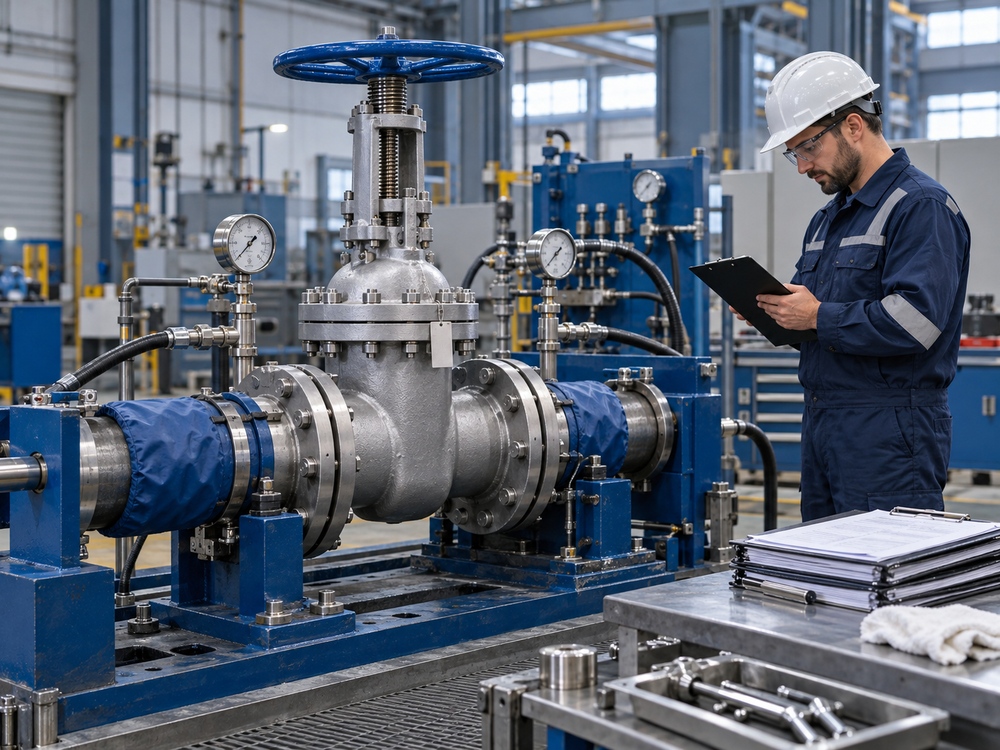
| DN50 (2″) | PN2.5/6.4; Class 300 | Flange/Welding | Worm Gear/Electric | Steam pipelines, high-pressure oil transmission |
| DN200 (8″) | PN1.0/1.6; Class 150 | Flange | Electric/Hydraulic | Municipal water supply network, water treatment projects |
Advantages and Disadvantages of our 304 Stainless Steel Ball Valve
Core Advantages

- Corrosion and Rust Resistance: 304 stainless steel material is suitable for humid and corrosive environments, with a service life 3-5 times longer than carbon steel valves, reducing replacement costs.
- Reliable Sealing: The leakage of soft seal is close to zero, and the metal seal is resistant to high and low temperatures, meeting strict requirements in high-end fields.
- Intelligent Compatibility: It can realize remote control when matched with actuators, adapting to the needs of smart factories in the “14th Five-Year Plan for Intelligent Manufacturing Development” and international smart factory standards.
- Hygienic and Environmental Protection: Non-toxic and odorless, complying with FDA food-grade standards, easy to clean, suitable for hygienic scenarios such as drinking water and pharmaceutical production.
Selection Notes
- For strongly corrosive media (concentrated hydrochloric acid, high-chloride seawater), 316L stainless steel ball valves must be used instead.
- When the temperature exceeds 200℃, the metal seal valve seat must be upgraded (cost increases by 15%-30%).
- For high-precision flow control scenarios, it is recommended to use with dedicated control valves that meet IEC 60534 standards.
Application Fields of 304 Stainless Steel Ball Valve
Water Treatment Industry: Water source cut-off in waterworks, sewage treatment chemical delivery, resistant to chlorine water corrosion to ensure water quality safety, complying with AWWA standards.
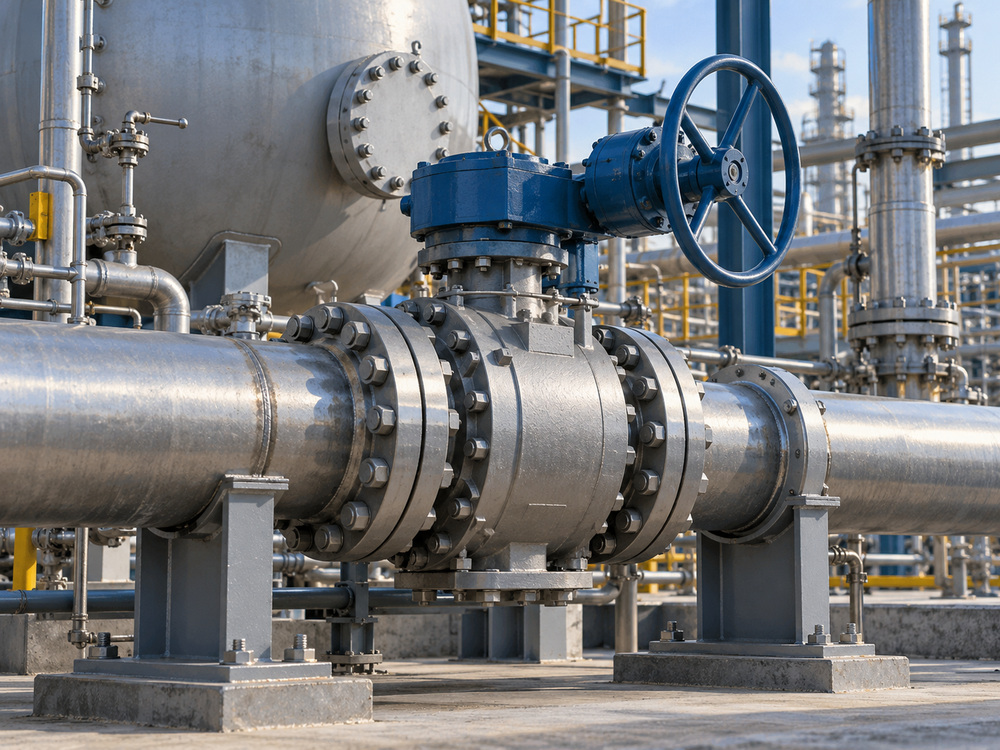
Chemical Industry: Weak acid and alkali transmission in fertilizer plants, solvent control in paint factories, suitable for PN1.6-PN6.4MPa pressure conditions, meeting ISO 15848-1 fugitive emission requirements.
Energy Industry: Emergency shut-off of natural gas pipelines, steam control in small power stations, stable operation under high temperature and high pressure, in line with API 6D standards.
Food and Pharmaceutical Industry: Beverage filling, pharmaceutical raw material transmission, complying with FDA 21 CFR Part 177 and EHEDG hygienic standards.
HVAC and Construction Industry: Water circulation in central air conditioners, gas control in residential buildings, reducing later maintenance frequency by 30%, and adapting to ASHRAE HVAC system requirements.
FAQs on 304 Stainless Steel Ball Valve Selection
Q: How to choose between 304 and 316L stainless steel ball valves?
A: Choose 304 for general corrosive scenarios (lower cost), and 316L is a must for strong corrosion/high chloride environments.
Q: Which is more cost-effective, manual or electric ball valves?
A: For small diameters below DN50, manual operation is more cost-effective; for diameters above DN100 or in automated workshops, electric operation is better (improving efficiency by 50%).
Q: How to extend the service life of 304 stainless steel ball valves?
A: Regularly check the packing tightness, replace the suitable valve seat according to the medium, and avoid over-temperature and over-pressure use in line with API 598 testing standards.