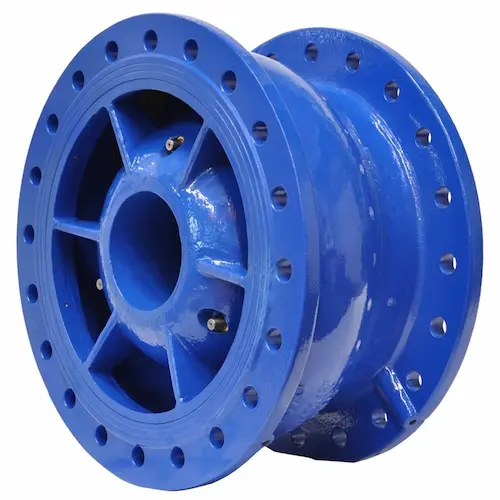
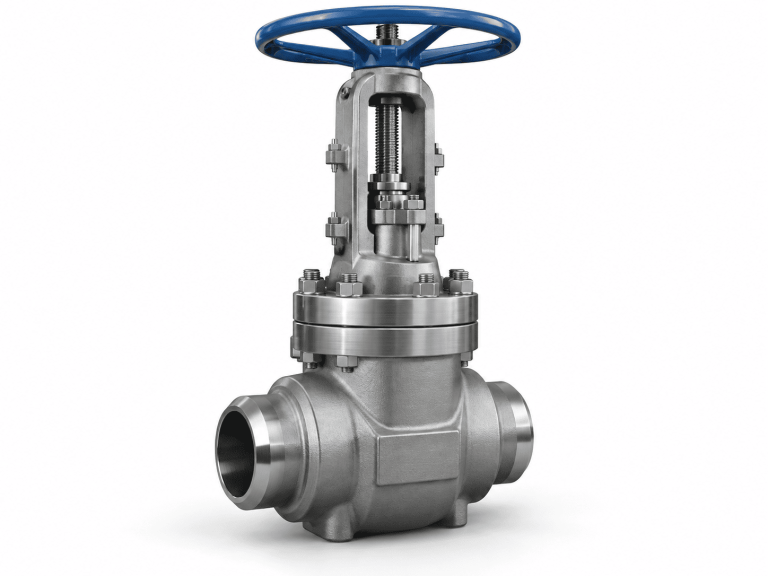
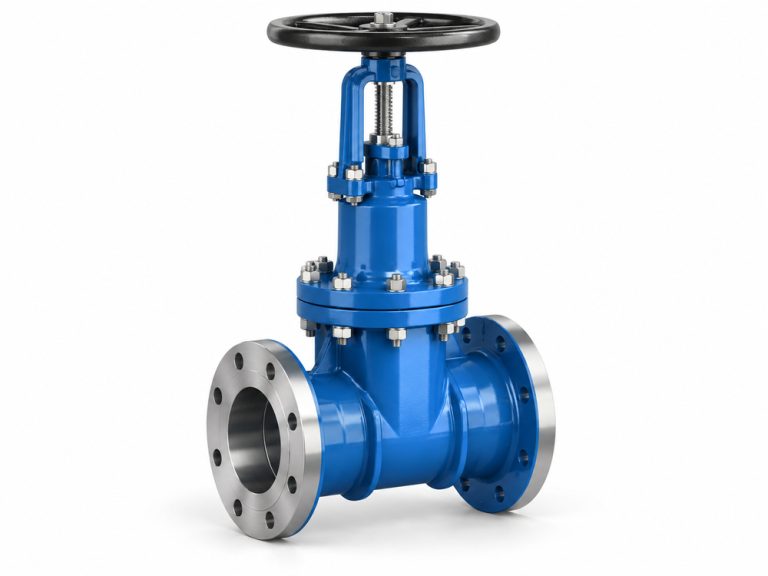
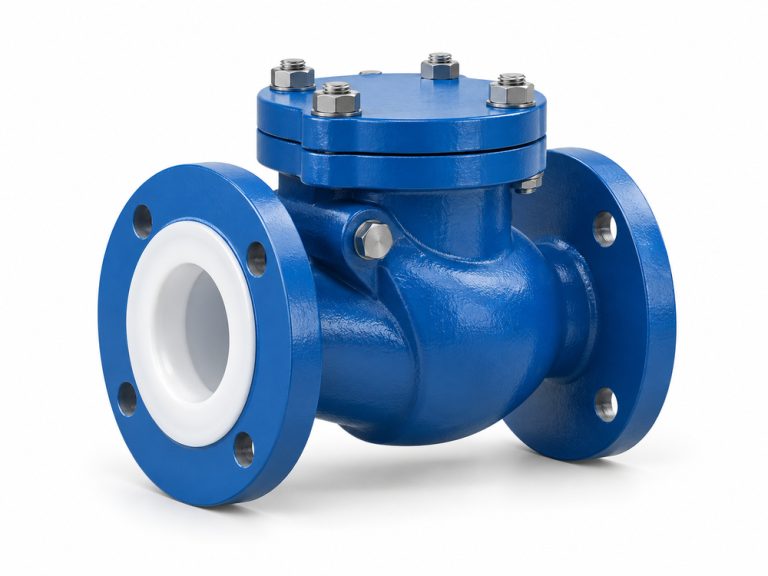
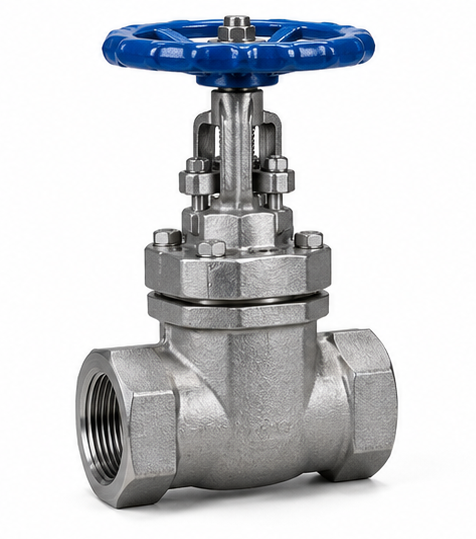
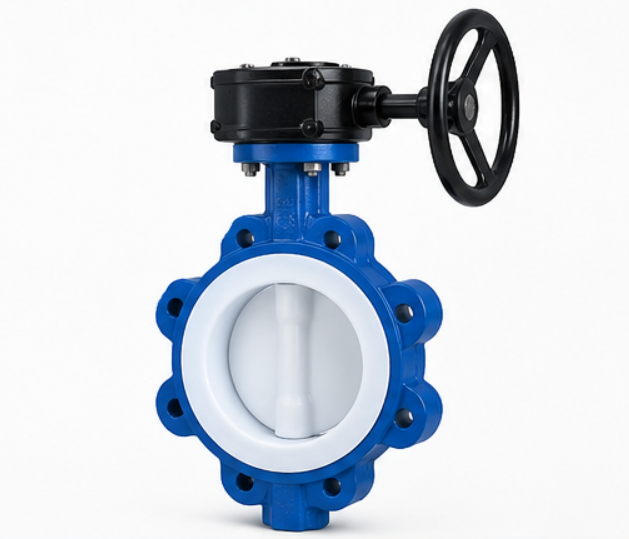
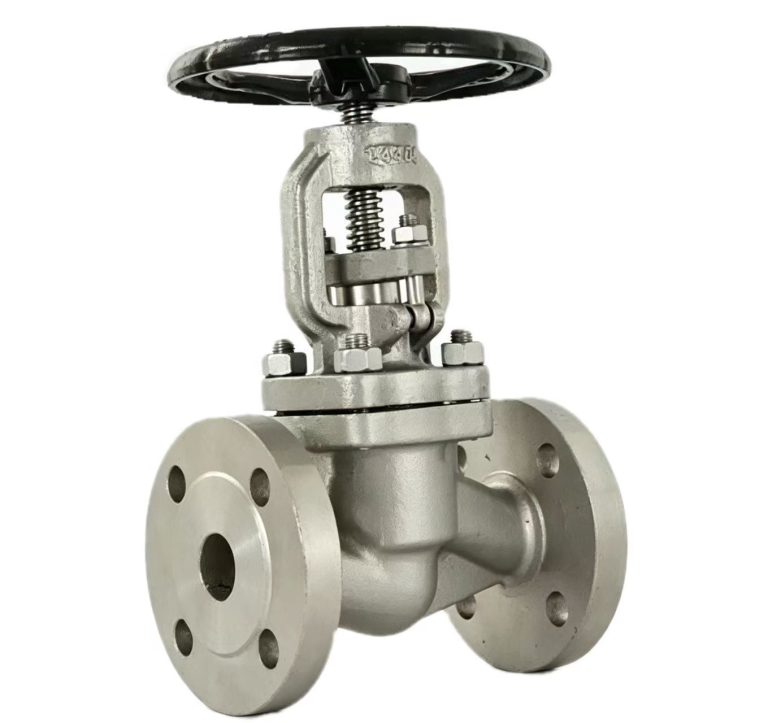
Nozzle Check Valve
 Product Overview
 Product Overview
At Vcore Valve, we specialize in providing high-quality, durable valve solutions designed to meet the demanding needs of our customers. Our Nozzle Check Valve is engineered to deliver reliable backflow prevention in pipelines, ensuring the proper direction of fluid flow and preventing potential damage to your system components.
A nozzle check valve is a type of non-return valve, typically used to allow flow in one direction while preventing flow in the opposite direction. It is ideal for systems where backflow could lead to system inefficiency, contamination, or even damage to pumps and other critical components. Commonly used in applications such as water treatment, oil and gas, chemical processing, and more, the nozzle check valve provides peace of mind by ensuring reliable one-way fluid flow.
Why Choose Our Nozzle Check Valve?
-
Robust Construction: Made from high-quality materials such as stainless steel, our nozzle check valve offers exceptional durability and resistance to corrosion. Whether it’s in a water treatment plant or a harsh industrial setting, this valve is built to last.
-
Efficient Backflow Prevention: The nozzle check valve’s design effectively prevents reverse flow, ensuring that fluid moves in the desired direction. This is crucial for maintaining pressure and ensuring continuous system operation, protecting pumps and other sensitive equipment.
-
Low Maintenance: Our nozzle check valve is designed for long-term use with minimal maintenance. The simple mechanism and reliable performance reduce the need for frequent repairs, saving you both time and money.
-
Compact Design: The nozzle check valve’s compact size allows it to be installed in tighter spaces, making it ideal for systems with limited installation room. Despite its small footprint, it delivers high-performance results.
-
Versatile Applications: Whether you’re managing water distribution, oil pipelines, or chemical processing systems, the nozzle check valve is ideal for preventing backflow and ensuring smooth, uninterrupted fluid flow in diverse industries.
Product Specifications
| Feature | Specification |
|---|---|
| Material | Stainless Steel, Cast Iron, Brass (Custom materials available) |
| Size Range | 1 inch to 12 inches (Custom sizes available) |
| Pressure Rating | PN16, PN25 (Custom ratings available) |
| Temperature Range | -20°C to 150°C |
| Connection Type | Flanged, Threaded, Welded |
| Flow Direction | One-way (Prevents backflow) |
| Service Life | Long-lasting, designed for high durability |
| Application | Water, Oil, Gas, Chemicals, Fire Protection |
| End Connection | Male/Female Thread, Flanged, Welded |
Key Benefits of Choosing Our Nozzle Check Valve
-
Backflow Prevention: The nozzle check valve ensures that fluid only flows in the correct direction, protecting your equipment and preventing damage caused by reverse flow. This reduces the risk of contamination and system failure.
-
Corrosion-Resistant: Constructed from corrosion-resistant materials like stainless steel or brass, the valve maintains its reliability even in harsh chemical environments or underwater conditions.
-
Cost-Effective: The valve’s efficient design reduces the likelihood of needing frequent repairs or replacements. Its low maintenance requirements make it a cost-effective solution for long-term operation.
-
Compact and Space-Saving: The nozzle check valve’s small size makes it easy to install in areas with limited space. Its compact form factor doesn’t compromise on performance, making it ideal for tight installations.
-
Wide Range of Applications: Whether in water treatment, industrial pumping systems, oil and gas pipelines, or fire protection systems, this valve can handle a variety of fluid types, ensuring that it remains versatile across industries.
Ideal Applications
The Nozzle Check Valve is an essential component for ensuring that systems function properly without interruption. Here are some industries where it excels:
-
Water Treatment: In water treatment plants, it prevents backflow of treated water, ensuring a clean, continuous flow of water while protecting the system from contamination.
-
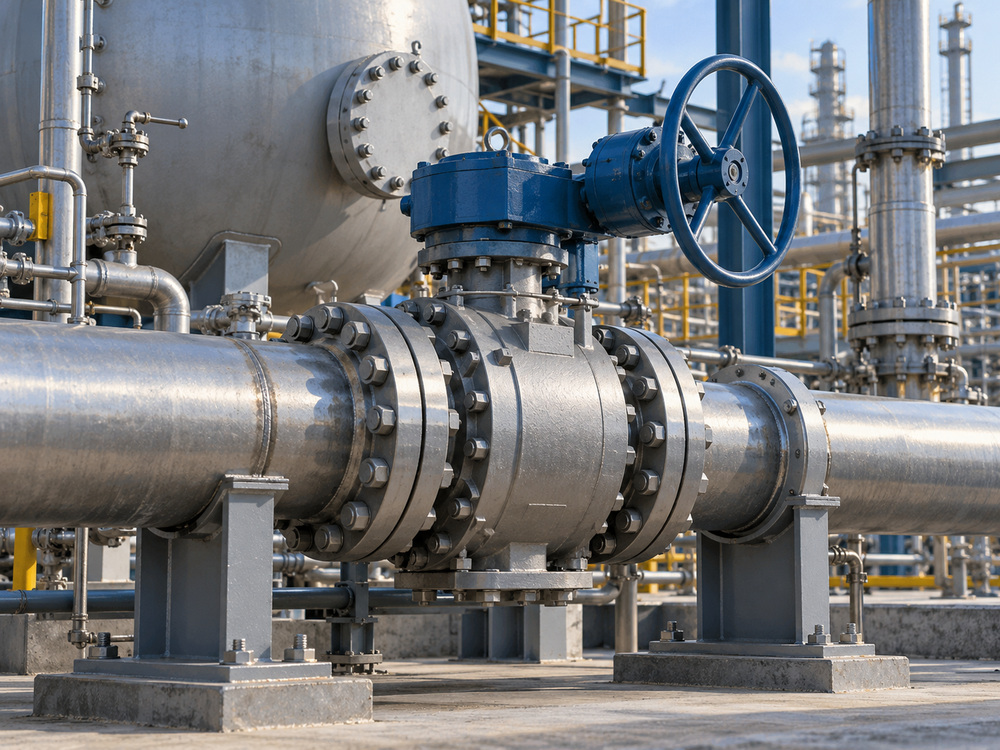
Oil & Gas: In oil and gas pipelines, the nozzle check valve maintains the flow of fluids in one direction, preventing damage to pumps and preventing dangerous reverse flow that can compromise pipeline integrity.
-
Chemical Processing: In chemical plants, where controlling the flow of chemicals is vital, the nozzle check valve ensures fluids flow safely without causing contamination or mixing of substances.
-
Fire Protection: In fire protection systems, backflow could lead to reduced water pressure or contamination of water supplies. The nozzle check valve ensures that water flows to the sprinkler system without interference, maintaining system integrity.
-
HVAC Systems: In heating, ventilation, and air conditioning systems, the nozzle check valve helps maintain proper fluid flow to ensure consistent performance of pumps and cooling systems.

Installation Guidelines
-
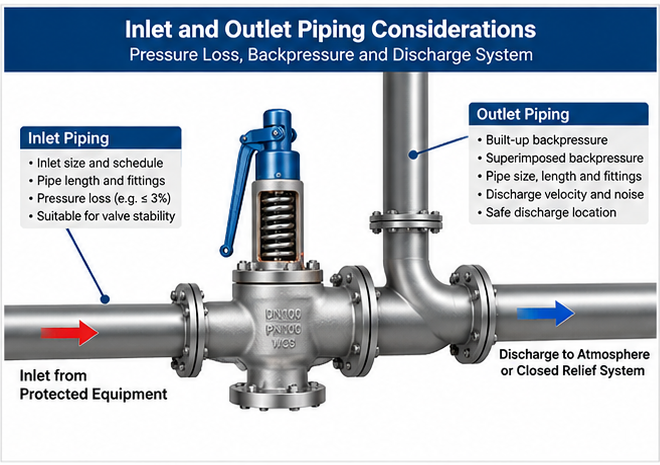
Correct Flow Direction: The nozzle check valve should be installed in a way that aligns with the flow direction indicated on the valve body. Ensure the arrow on the valve is pointing in the direction of fluid flow to prevent backflow.
-
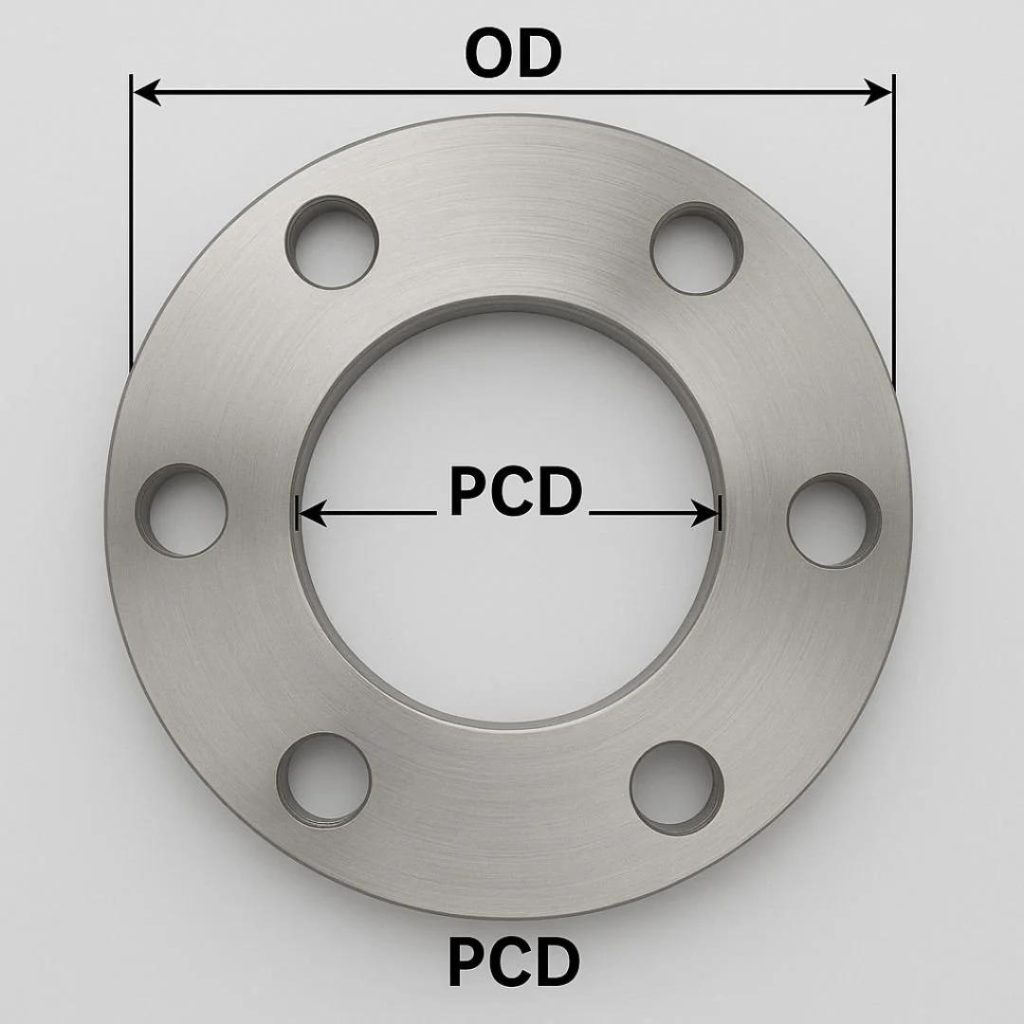
Proper Connections: The valve can be installed with various types of connections such as flanged, threaded, or welded. Select the appropriate connection based on your system’s requirements and make sure the connections are secure.
-
System Testing: After installation, conduct a thorough system test under normal operating conditions to ensure the valve is functioning properly. Verify that the valve prevents backflow and operates smoothly without leaks.
Maintenance Tips
-
Routine Inspections: Check the nozzle check valve periodically for wear and tear, corrosion, or debris buildup. The valve should remain free of blockages to ensure optimal performance.
-
Clean Regularly: If your system carries debris-prone fluids, clean the valve regularly to prevent clogging. This ensures continued efficient operation.
-
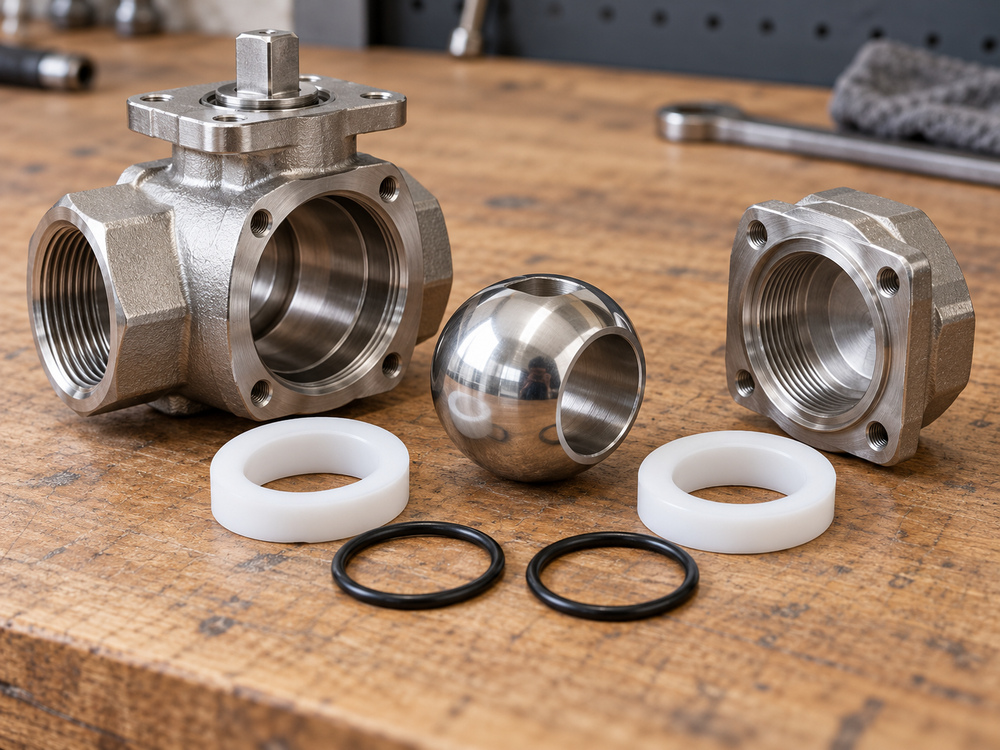
Seal and Part Replacements: If you notice leaks or reduced performance, inspect the valve’s seals and internal parts. Replacing worn parts quickly will restore the valve’s performance and protect your system.