
Pilot Operated Relief Safety Valve
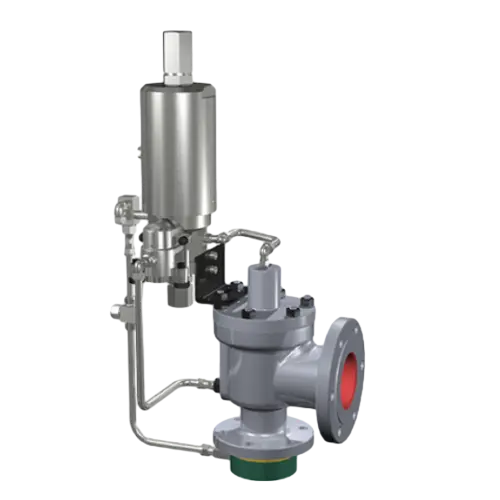
Pilot Operated Relief Safety Valve
Material:
Body: Typically made from stainless steel, carbon steel, or alloy steel, selected for their strength, durability, and resistance to corrosion in high-pressure and high-temperature environments. Stainless steel is preferred for applications requiring excellent corrosion resistance.
Pilot Valve Components: The pilot valve, which controls the operation of the main valve, is usually made from stainless steel or bronze for its durability and resistance to wear.
Seals: Viton, EPDM, PTFE, or similar elastomers are commonly used for seals to ensure a tight shutoff and prevent leakage, especially in chemically aggressive environments.
Size (Nominal Pipe Diameter):
Common sizes typically range from 1/2″ to 10″, though sizes can be customized to suit specific system requirements and applications.
Nozzle Check Valve
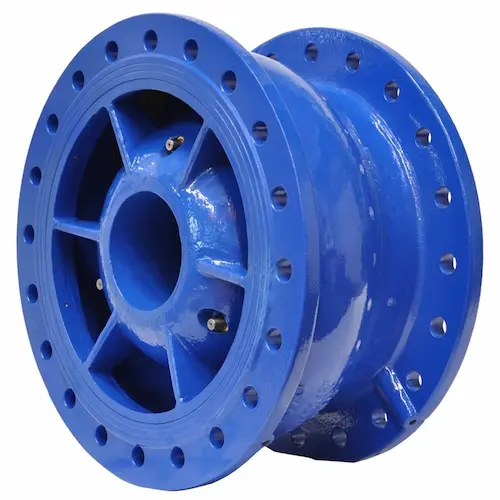
Nozzle Check Valve
Material:
Body: Typically made from stainless steel, cast iron, or brass, depending on the fluid type and pressure requirements. Stainless steel is often preferred for its corrosion resistance and durability in harsh conditions.
Internal Components: The internal components, including the disc and spring, are usually made from stainless steel or alloy steel, ensuring strength and resistance to wear.
Seals: Rubber, Viton, or EPDM seals are commonly used to provide a tight shutoff and prevent leaks.
Size (Nominal Pipe Diameter):
Common sizes range from 1″ to 12″, though larger sizes can be customized based on application needs.
25mm Globe Valve
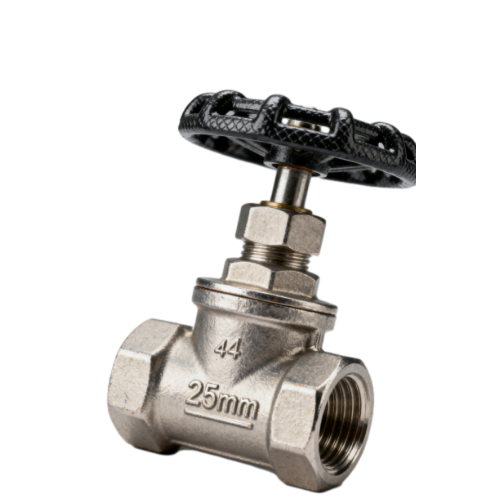
25mmGlobe Valve
Size: 25mm (1”)
Connection Type: Flanged, Threaded, or Welded
Body Material: Cast Steel / Stainless Steel / Bronze
Seat Material: Stainless Steel / PTFE / Hard Alloy
Pressure Rating: PN16–PN40 / ANSI 150–300
Temperature Range: -20°C to +425°C
Operation: Manual, Pneumatic, or Electric
Testing Standard: API 598 / EN 12266
4 brass gate valve Introduction
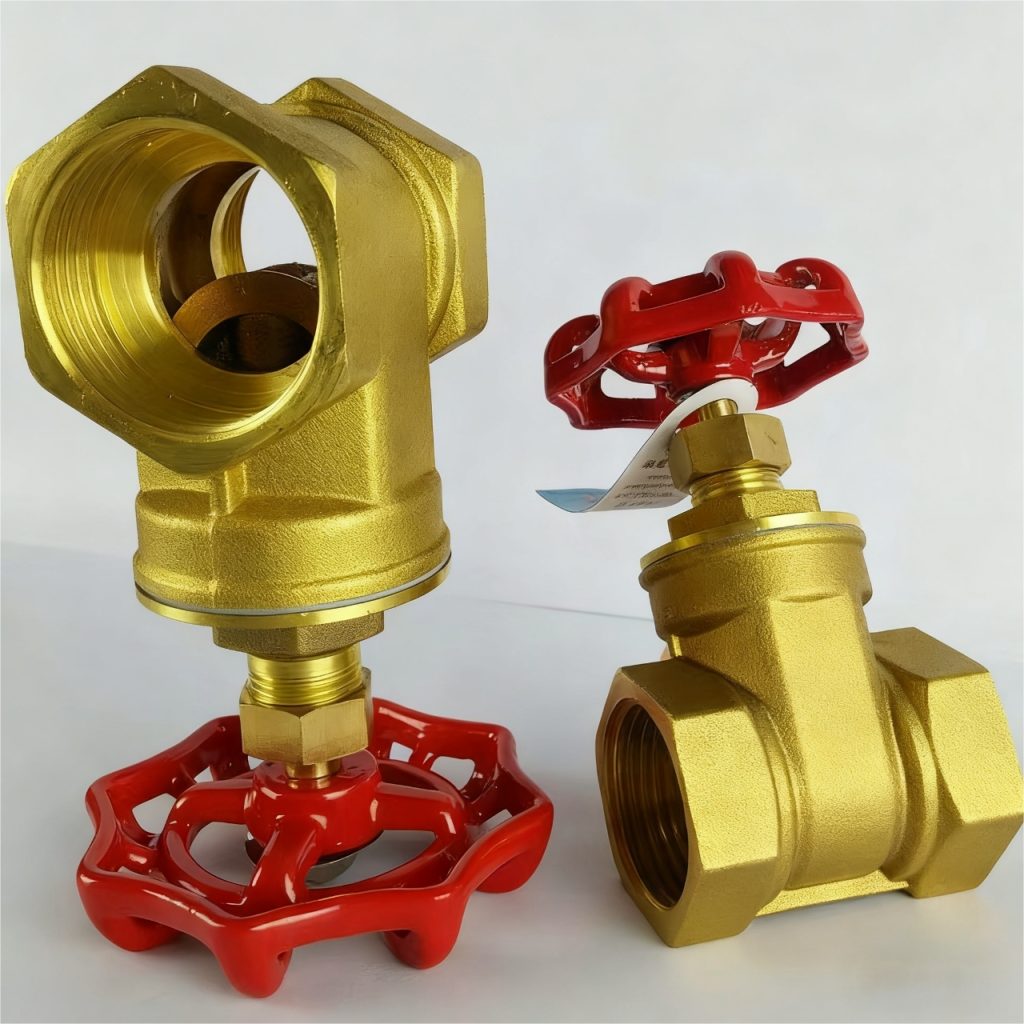
The 4-inch brass gate valve has a nominal diameter of 4 inches (approx. 101.6mm), made of high-quality H59-1 brass,
with a nominal pressure of 1.6MPa (suitable for water temperature ≤120℃) and an operating temperature range of -10℃~120℃;
it adopts NPT or BSP threaded connection, with sealing material of nitrile rubber (NBR) or EPDM rubber, and is operated by manual handwheel drive.
Rubber Lined Ball Valve
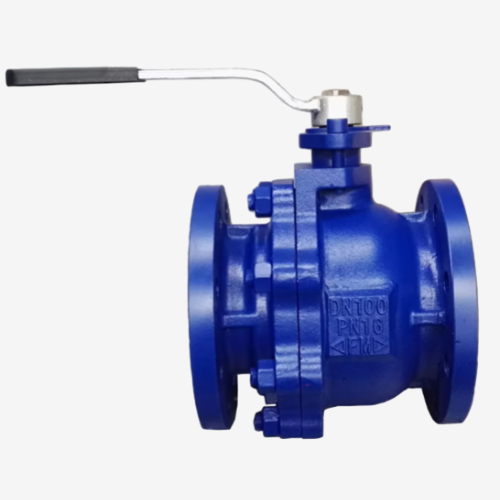
Sizes: DN50–DN600 standard, larger on request
Connections: Flanged to EN 1092-2, ANSI B16.5 or customized
Pressure: PN10 / PN16 / Class 150
Temperature: -20°C to +120°C depending on elastomer
Body Materials: Ductile Iron, Carbon Steel, Stainless Steel with bonded rubber lining
Seat / Lining: Natural Rubber, EPDM, Neoprene, Nitrile or other elastomers selected for media
Operation: Manual lever/gear or automated actuator
Rubber Lined Butterfly Valve
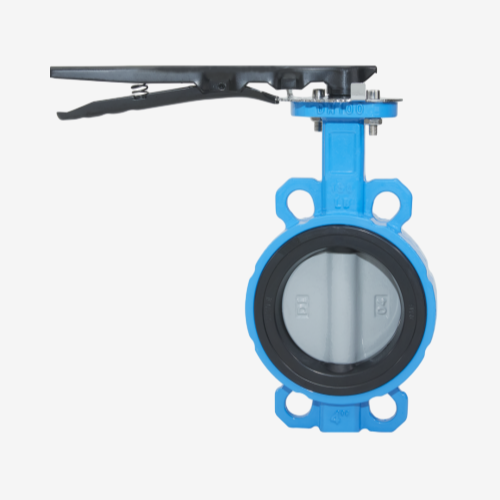
Our rubber lined butterfly valve is designed for reliable flow control in corrosive and abrasive media.
Size Range: DN50 – DN1200 (2″ – 48″)
Connection Types: Wafer, Lug, Double Flanged according to ANSI, DIN, JIS standards
Temperature Range: –10°C to +120°C (depending on lining material)
Body Materials: Cast iron, Ductile iron, Cast steel
Disc Materials: Stainless steel 304/316, Ductile iron with epoxy coating
Lining Materials: EPDM, NBR, Neoprene, PTFE (optional)
Seat (Valve Seat): Integrally rubber lined for tight sealing and corrosion resistance
Pressure Ratings: PN10 / PN16 / Class 150
Applications: Chemical, water treatment, power plant cooling systems, mining and slurry pipelines
Three-Eccentric Double-Directional Metal Hard-Sealed Butterfly Valve
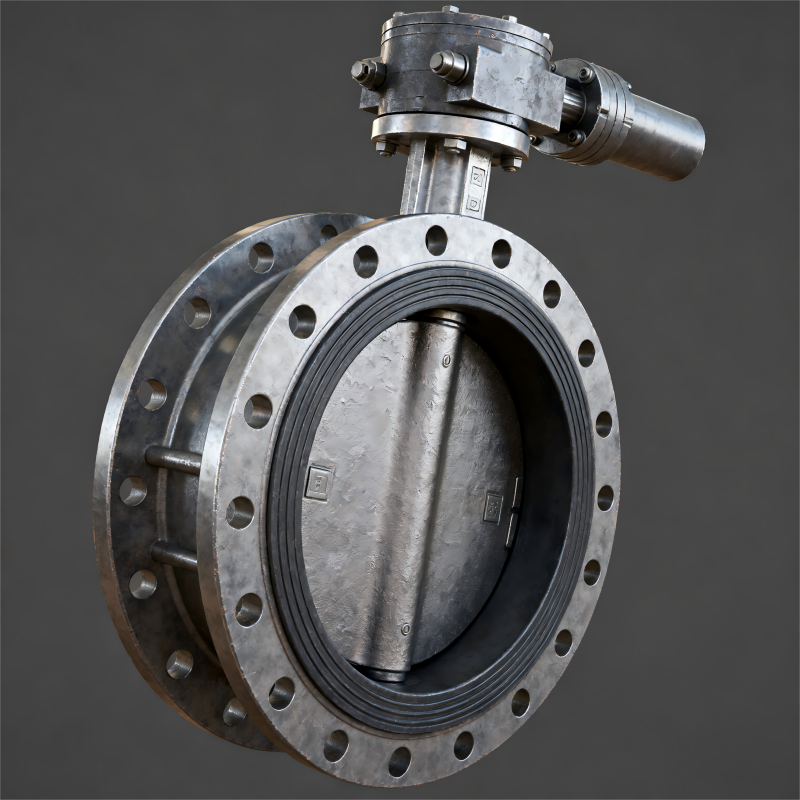
This Three-Eccentric Double-Directional Metal Hard-Sealed Butterfly Valve is engineered for harsh working environments in petrochemical, energy & power, metallurgy, and mining industries. It addresses critical pain points of traditional butterfly valves—such as easy seal wear, high leakage, and limited application scope—through its innovative “three-eccentric” structure (non-coaxial layout of valve shaft, disc sealing surface, and valve body sealing surface), combined with metal hard sealing and double-directional sealing technologies.
Lug Wafer Dual-Disc Swing Check Valve
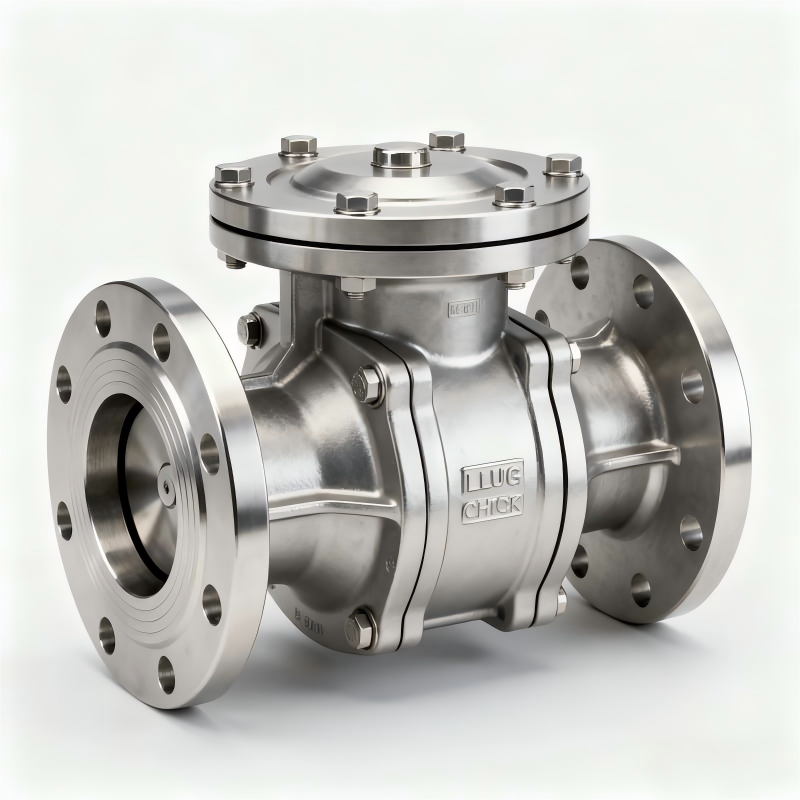
The Lug Wafer Dual-Disc Swing Check Valve is a high-performance fluid control component meticulously designed to meet the diverse needs of modern industrial fluid systems. It stands out for its exceptional adaptability and reliability, ensuring seamless integration into various pipeline setups while delivering long-lasting, stable operation. Whether in high-pressure industrial pipelines or low-flow municipal water systems, this valve provides an efficient solution to prevent backflow, safeguarding equipment and optimizing system performance.
12 – Inch Double Eccentric Butterfly Valve
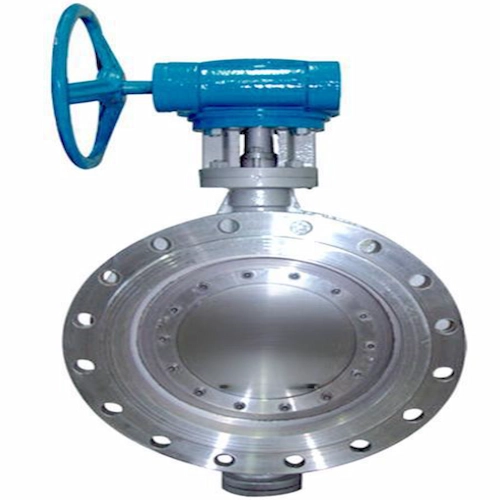
12 – Inch Double Eccentric Butterfly Valve
Size Range: DN300 (12”)
Pressure Rating: PN10 / PN16 / ANSI Class 150 / 300
Temperature Range: -20°C to +180°C (depending on seat material)
Body Material: Ductile Iron, Cast Steel, Stainless Steel
Seat Material: EPDM, NBR, FPM, PTFE
Disc Material: Stainless Steel 304/316, Ductile Iron with Epoxy Coating
Stem Material: Stainless Steel 304/316
End Connections: Flanged to ANSI B16.5, EN 1092-2
Operation: Manual (Handwheel), Gear, Pneumatic, Electric Actuation
Testing: Shell Test: 1.5× rated pressure, Seat Test: 1.1× rated pressure per EN 12266 / API 598
Sealing Type: Soft-seal or Metal-seal for high-temperature and high-pressure applications
4″ Wafer Butterfly Valve
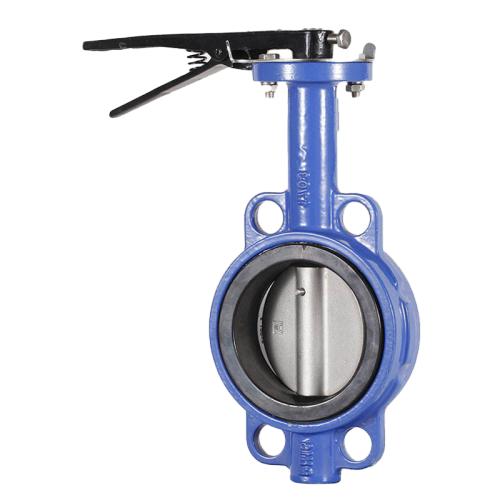
4″ Wafer Butterfly Valve
Basic Parameters
Size Range: 2″–24″ (DN50–DN600)
Pressure Rating:
ANSI Class 150 / 300
PN10 / PN16
Body Material:
Ductile Iron
Cast Iron
Stainless Steel (SS304 / SS316)
Disc Material:
Stainless Steel (SS304 / SS316)
Ductile Iron with EPDM / NBR Coating
Seat Material:
EPDM / NBR / PTFE
End Connection:
Wafer Type (Flanged)
Operation Type:
Manual (Handle)
Pneumatic / Electric Actuator (Optional)
Design Standards:
API 609 / ASME B16.34 / EN 593
Full Lug-Type Butterfly Valve
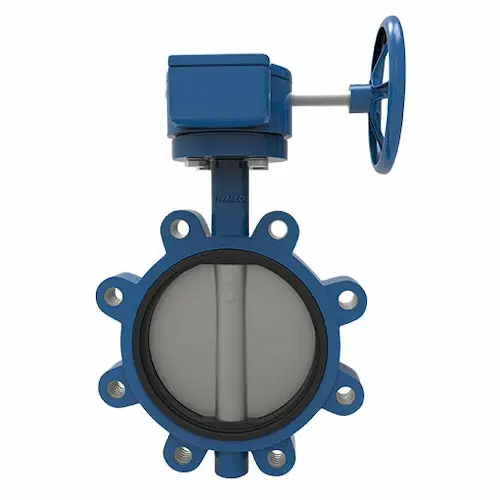
Full Lug-Type Butterfly Valve
Size Range: DN50 – DN1200 (2” – 48”)
Pressure Rating: PN10 / PN16 / ANSI Class 150 / 300
Temperature Range: -20°C to +200°C (depending on lining material)
Body Material: Cast Iron, Ductile Iron, Stainless Steel, or Carbon Steel
Seat Material: EPDM, NBR, FPM, PTFE, or Metal Seals
Disc Material: Stainless Steel 304/316, Ductile Iron with epoxy coating
Stem Material: Stainless Steel 304/316
End Connections: Full Lug (for bolting directly into a pipeline)
Operation: Manual (Handwheel), Gear, Pneumatic, Electric Actuation
Testing: Shell Test: 1.5× rated pressure, Seat Test: 1.1× rated pressure per EN 12266 / API 598
Pneumatically Actuated Pipe Ball Valve
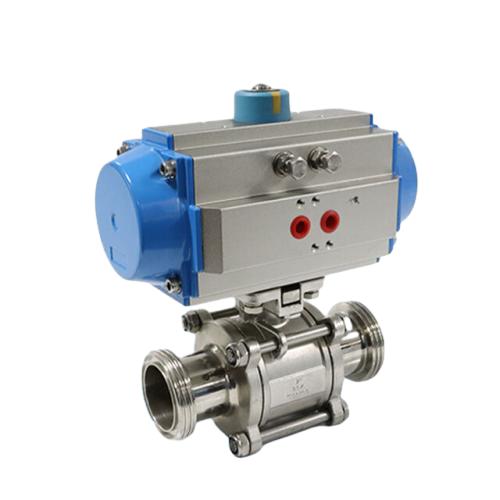
Pneumatically Actuated Pipe Ball Valve
Material:
Body: The body of a Pneumatically Actuated Pipe Ball Valve is typically made from stainless steel, carbon steel, or ductile iron
Ball: The ball is generally made from stainless steel, brass, or PTFE-coated materials to prevent corrosion and ensure smooth operation.
Seat: The seat material is typically PTFE (Polytetrafluoroethylene), PFA (Perfluoroalkoxy), or Viton depending on the chemical compatibility and temperature range.
Stem: Stainless steel or alloy steel is used for the stem, providing durability, corrosion resistance, and smooth movement of the ball.
Seals: PTFE or Viton elastomers are commonly used for seals, providing tight sealing performance while being resistant to various chemicals and temperature extremes.
Size (Nominal Pipe Diameter):
Common sizes range from 1/4″ to 6″, but larger sizes (up to 24″ or more) can also be made depending on the specific application.
Sizes are generally available in standard pipeline dimensions to match the system requirements