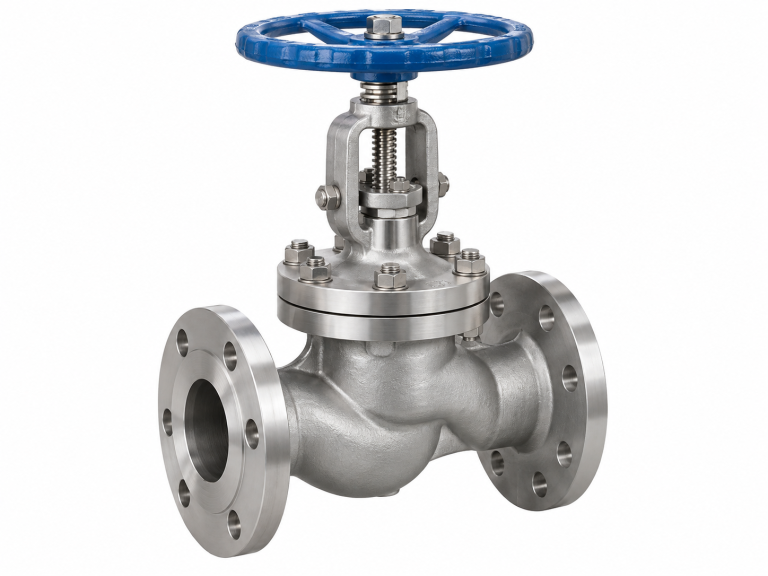
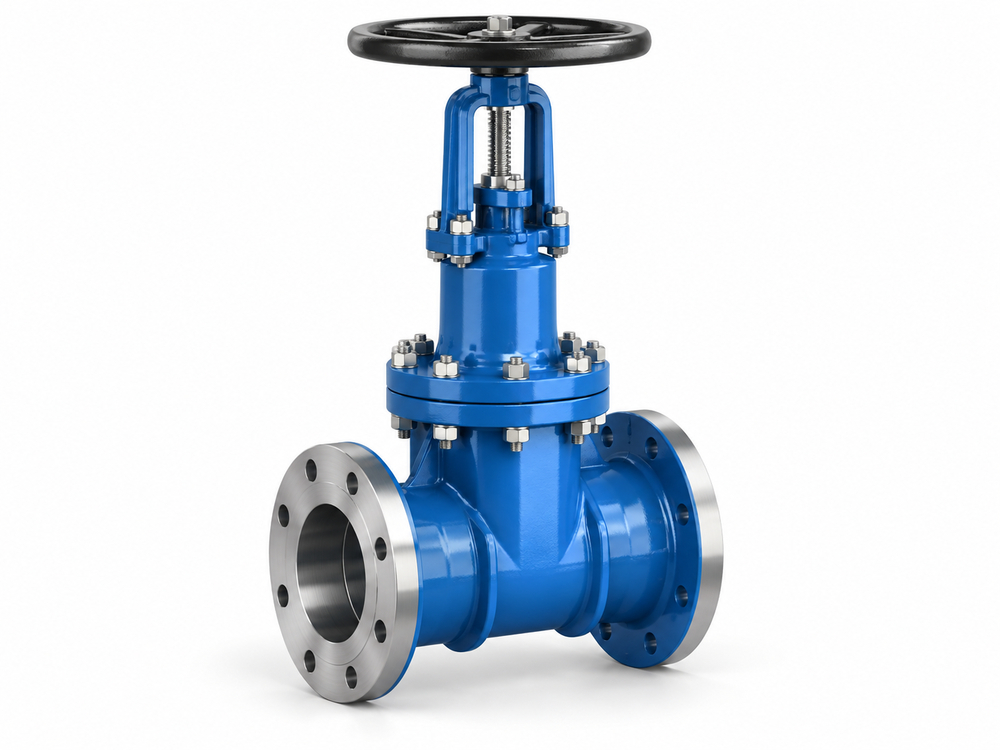
Bellows Seal Gate Valve for Steam and Thermal Oil Isolation
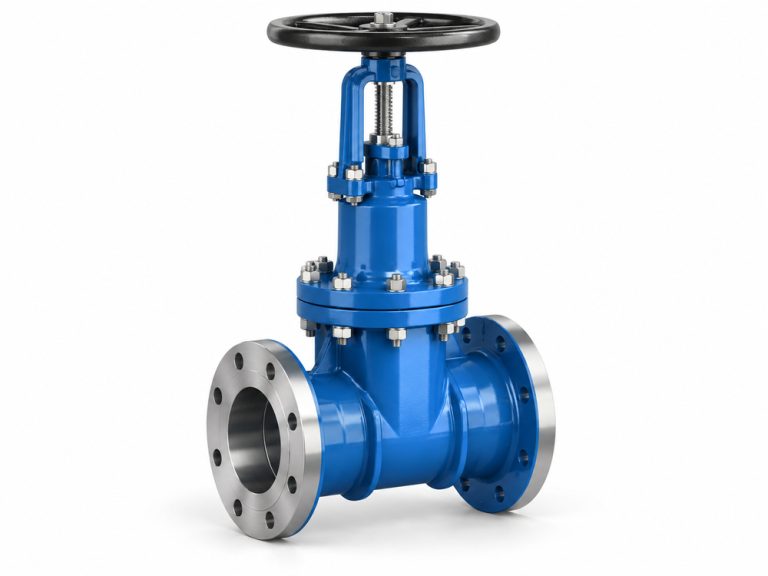
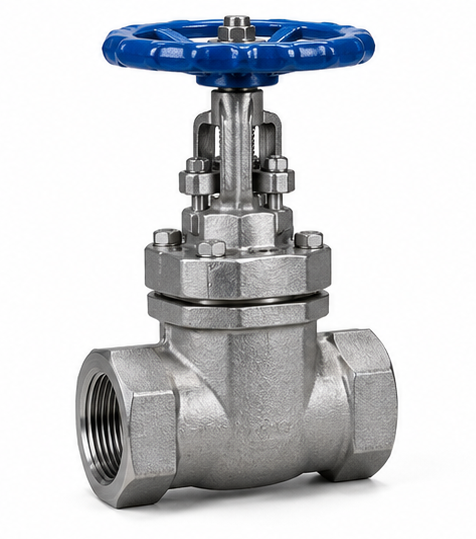
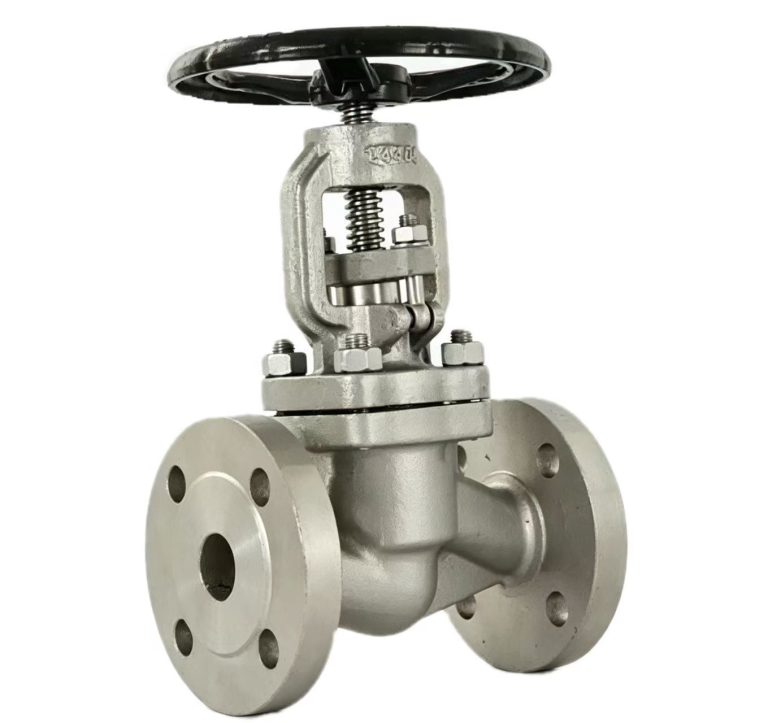
A bellows seal gate valve, also described as a bellows sealed gate valve, uses a metal bellows to form a flexible pressure boundary between the process fluid and the stem packing area. The gate moves across the flow passage to shut off the line and retracts from it when the valve is fully open.
This construction addresses two different functions: the gate and seats provide internal shut-off, while the bellows assembly controls the stem leakage path to atmosphere. Buyers should specify both requirements rather than treating “bellows sealed” as a complete leakage specification.
The product is considered for leakage-sensitive isolation duties, subject to material and operating-condition review. For general selection context, see our High Temperature High Pressure Valves Guide and the wider Vcore Gate Valve range.
How the Bellows Stem Seal Works
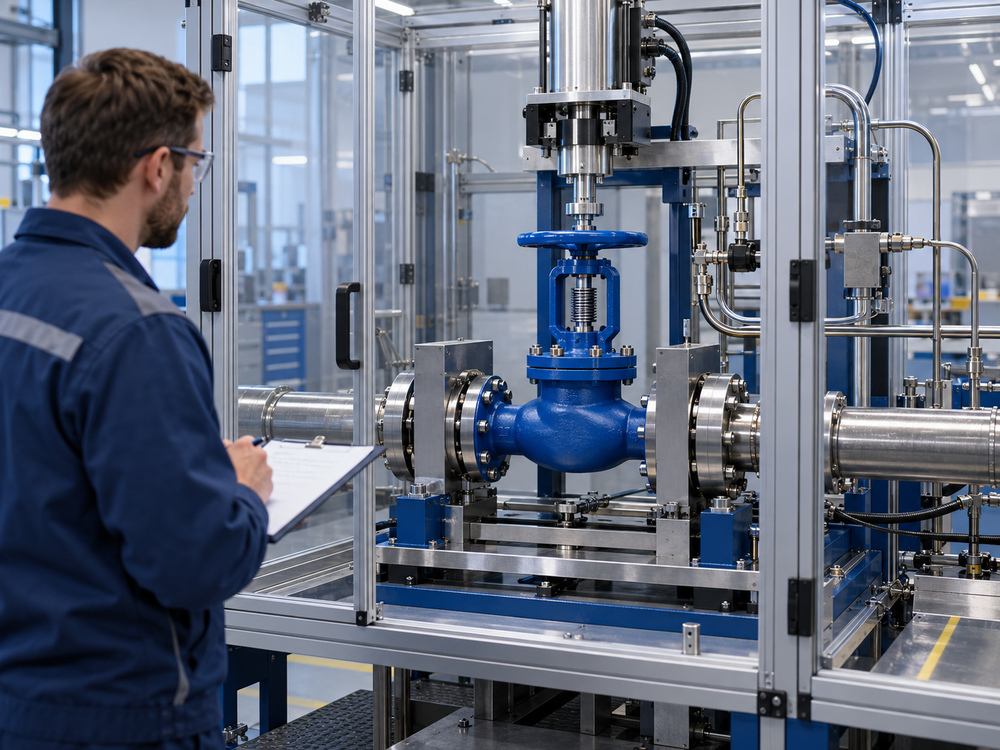
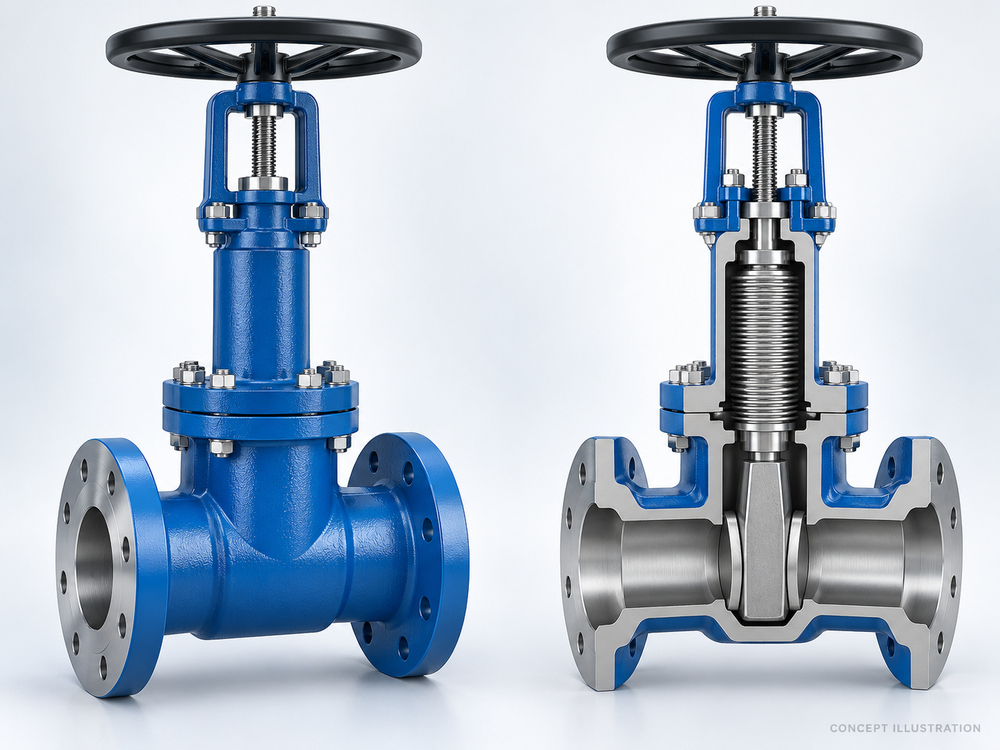
The bellows is a thin-walled metal assembly with flexible convolutions and sealed end attachments. It accommodates the specified axial stem travel while separating the process medium from the upper stem sealing area. The approved design must prevent unwanted twisting, overextension and compression beyond its travel limits.
- Flexible metal barrier: the bellows and its end joints form part of the pressure boundary around the moving stem.
- Controlled axial movement: stem guidance and anti-rotation features protect the bellows from torsional loading.
- Secondary sealing: backup packing, and any backseat or monitoring provision, must be identified on the selected assembly drawing.
Stem Leakage Control
A metal barrier reduces reliance on dynamic packing as the primary stem seal when the bellows assembly remains intact.
Full-Open Isolation Duty
The gate retracts from the main flow path during full opening, supporting relatively low flow resistance for an appropriate gate design.
Defined Stroke Protection
Guidance, travel stops and operator settings keep stem motion within the approved bellows working range.
Service-Specific Materials
The bellows, welds, body, seats and packing are reviewed for the medium and operating temperature.
Manual or Automated Review
Handwheel, gearbox or actuator selection is based on the actual thrust, torque, travel and shut-off differential.
Documented Acceptance
An agreed inspection plan distinguishes pressure-boundary integrity, seat leakage and bellows performance requirements.
Technical Specifications
The following schedule defines the specification points for quotation. Exact size availability, construction, materials and ratings are confirmed for the selected model; the entries below are not a blanket supply or certification claim.
| Specification Item | Configuration / Buyer Requirement |
|---|---|
| Valve Type | Bellows seal gate valve for on-off isolation |
| Gate Design | Wedge or other approved gate construction; solid/flexible wedge and seat details to be identified on the drawing |
| Nominal Size | Specify DN / NPS and available installation space; available size subject to model confirmation |
| Pressure Rating | PN or ASME Class as required, subject to the complete assembly pressure-temperature rating |
| Temperature | Provide minimum, normal, maximum and cleaning/start-up temperatures; verify all sealing components |
| Body / Bonnet | Cast or forged construction to be selected for duty; exact carbon steel, alloy steel or stainless steel grade stated in the quotation |
| Gate / Seat / Trim | Metal seating and trim materials, including any hardfacing, to match medium, differential pressure and leakage requirement |
| Bellows Material | Specified stainless steel or nickel-alloy grade after compatibility and fatigue review; no universal alloy substitution |
| Bellows Construction | Formed or welded construction according to approved design; identify end attachments and qualified inspection method |
| Stem Arrangement | Guided axial travel with a design that prevents bellows torsion; confirm stroke and stem material |
| Backup Sealing | Packing material and any backseat/monitoring provision to be confirmed on the sectional drawing |
| Connection Type | Flanged or butt-weld configuration for review; socket-weld or threaded ends only if supported by the selected model |
| End Dimensions | Specify mating flange standard, weld preparation, pipe schedule and face-to-face requirement as applicable |
| Operation | Handwheel, gearbox or actuator configuration subject to operating thrust/torque and stroke review |
| Design Standard | API 600 for applicable steel gate construction, API 602 for applicable compact steel construction, or another agreed design standard; confirm scope |
| Pressure-Temperature Basis | ASME B16.34 or applicable project/design standard as agreed; bellows limits must also be checked |
| Pressure / Seat Tests | API 598, EN 12266-1 or another agreed test specification where applicable; specify leakage acceptance |
| Bellows Qualification | Define required leak-test method, cycle duty and qualification conditions; fixed cycle life is not assumed |
| Emission Requirement | Specify the required standard, class and test envelope; qualification must cover the actual valve design |
| Documents | Approved GA/sectional drawings, bill of materials, material records, inspection plan and agreed test reports |
How a Bellows Seal Gate Valve Opens and Closes
The operator converts handwheel or actuator motion into axial stem travel. During opening, the gate rises out of the flow passage while the bellows changes length within its designed stroke. During closing, the gate returns to the seat region and the required seating load is applied through the stem.
The operator must achieve the specified seating load without overstressing the stem, gate or bellows. For actuated valves, travel limits and torque/thrust settings are part of the valve package design, not settings to increase arbitrarily when a valve is difficult to operate.
Standard isolation gate valves should not be left partially open for continuous regulation. Flow across a restricted gate opening can cause vibration and seat damage. Where regulation is needed, review an appropriate control valve or, for suitable duties, the existing Bellows Globe Valve.
Body Style and Connection Options
| Connection / Construction | Selection Consideration | Information to Supply |
|---|---|---|
| Flanged ends | Supports removable connections; bolt access and thermal movement need space. | Flange standard, facing, rating, gasket requirements and installation envelope. |
| Butt-weld ends | Used where the piping specification requires welded joints. | Weld-end standard, pipe schedule, material, welding procedure and any heat-treatment requirement. |
| Compact forged construction | Small-bore configurations require their own dimensional and maintenance review. | Required end type, bore, access and supported model details. |
| Bonnet / bellows assembly | Assembly height and replacement access can exceed those of a conventional packed valve. | Headroom, insulation limits, stem travel clearance and maintenance plan. |
Bellows, Seat and Packing Material Selection
The thin bellows wall deserves a separate corrosion review from the much thicker body. A body alloy that is acceptable with an engineering corrosion allowance does not automatically establish suitability for a bellows made from a similar alloy.
Evaluate the bellows alloy and welded joints against the complete medium, including trace contaminants and cleaning fluids. Temperature cycling, external corrosion and deposits around the convolutions can also affect performance. Specify the precise alloy rather than a broad label such as “stainless bellows.”
The gate and seat materials govern wear and internal shut-off. Packing and bonnet gaskets must suit temperature and media independently. Our bellows stem-sealing and selection guide provides background on the sealing principle; its globe-valve flow geometry should not be applied to a gate valve.
Operation and Bellows Cycle Requirements
| Requirement | Why It Matters | Selection Check |
|---|---|---|
| Handwheel / gearbox | Stem thrust and operating effort rise with valve size and differential pressure. | Confirm opening/closing loads, access and approved operating method. |
| Actuated operation | An oversized or incorrectly set actuator can overload the assembly. | Confirm thrust, torque, stroke limits, speed, fail action and control supply where relevant. |
| Cycle duty | Each operating stroke flexes the bellows; fatigue performance depends on the design and conditions. | State expected cycles, pressure, temperature, full/partial stroke and frequency. |
| Thermal cycling | Start-up and cooldown can change clearances and stresses. | Specify temperature excursions, ramp rates and shutdown conditions. |
| High differential opening | Gate unseating and operator loads may be significant. | Review the maximum opening differential and any engineered equalization arrangement. |
A cycle count is meaningful only with its test conditions and acceptance criteria. Qualification under one pressure, temperature and stroke cannot be assumed to cover all service combinations. Operating history and condition checks should inform the maintenance plan.
Typical Industrial Applications
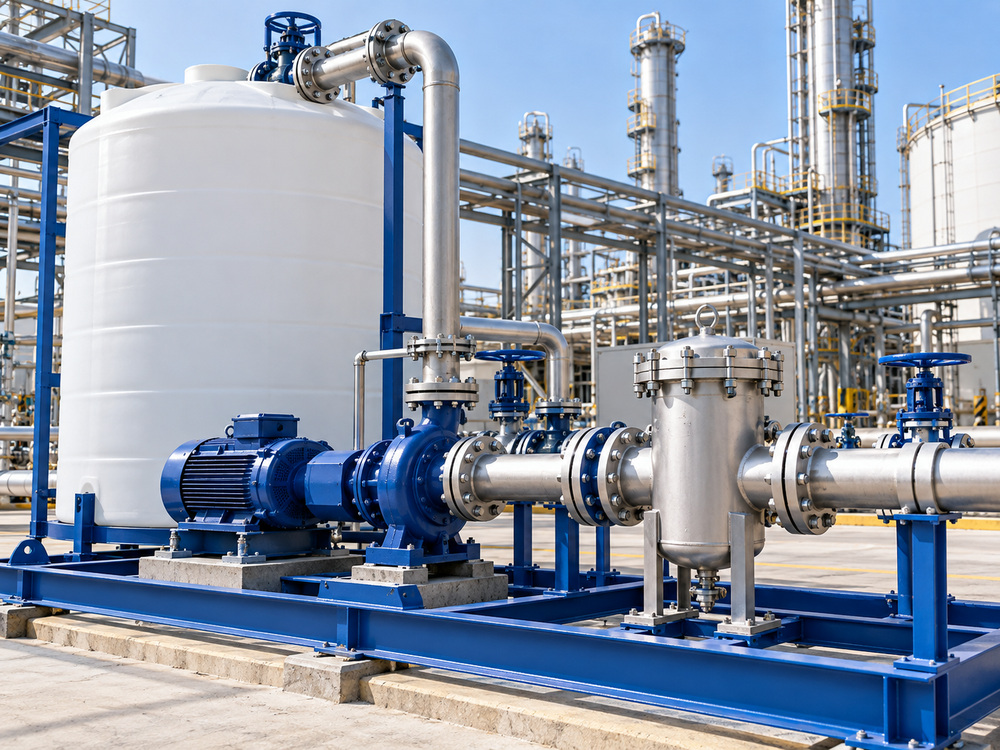
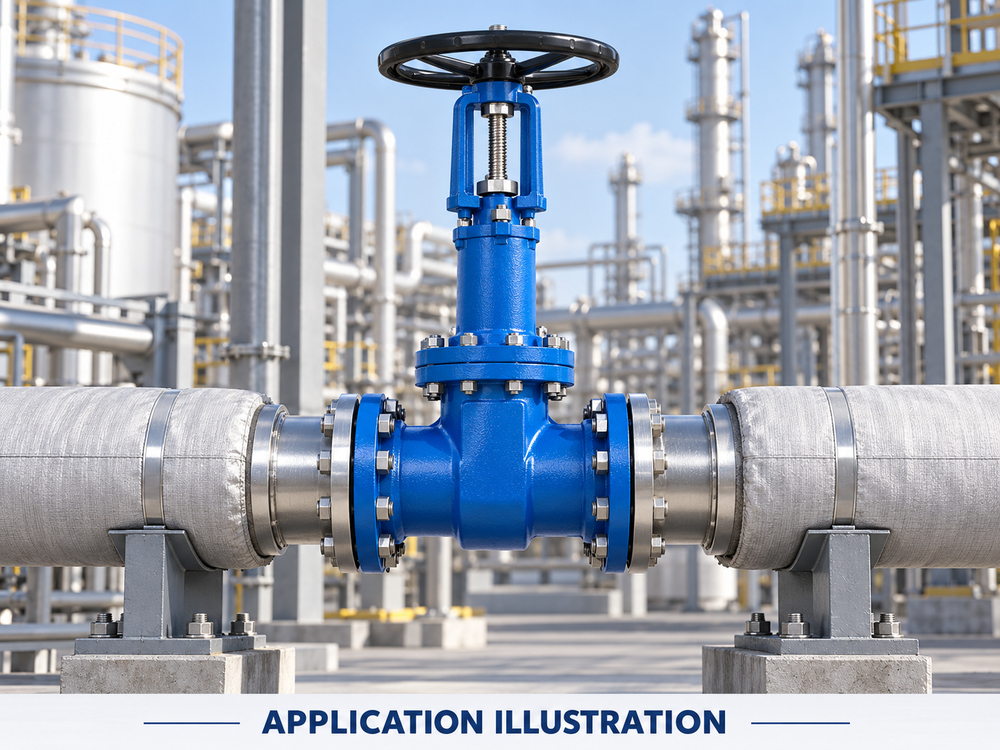
- Steam distribution isolation: selected duties where the complete valve is rated for the actual steam conditions and thermal cycling.
- Thermal oil circuits: isolation points where external leakage control is important and the heat-transfer fluid is compatible with all wetted parts.
- Chemical process lines: compatible fluids where stem sealing and an unobstructed fully open flow passage are key selection factors.
- Plant utility and process skids: full-open/full-closed duties with defined operating cycles and access requirements.
- Vacuum-related isolation: only where the complete assembly and required external leak rate have been specifically reviewed.
Bellows Seal Gate Valve vs Packed Gate Valve vs Bellows Globe Valve
| Comparison | Bellows Seal Gate Valve | Conventional Packed Gate Valve | Bellows Globe Valve |
|---|---|---|---|
| Closure principle | Gate moves across and retracts from the flow passage. | Gate moves across and retracts from the flow passage. | Disc moves toward or away from a localized seat. |
| Primary stem seal | Metal bellows barrier; secondary sealing per design. | Stem packing system. | Metal bellows barrier; secondary sealing per design. |
| Main duty | Full-open/full-closed isolation. | Full-open/full-closed isolation. | Isolation and appropriate regulation duties according to design. |
| Fully open resistance | Generally lower than a comparable globe flow path; actual bore governs. | Actual gate design and bore govern. | Generally higher due to the flow path; model-specific. |
| Maintenance focus | Bellows integrity, cycle history, stem guidance and gate seating. | Packing condition, stem surface and gate seating. | Bellows integrity, cycle history and disc/seat condition. |
| Selection trade-off | Added bellows assembly and stroke requirements. | Packing management without a bellows fatigue requirement. | Different hydraulic behavior and regulation capability. |
Bellows seal is also different from pressure seal. Bellows describes the stem-sealing barrier; pressure seal describes a body-bonnet joint arrangement. Review our Pressure Seal Gate Valve for that separate construction. A pressure-seal bonnet does not by itself provide bellows stem sealing.
Manufacturing, Inspection and Testing
Agree an inspection plan that addresses the pressure body, internal shut-off and flexible stem barrier separately. Relevant checkpoints include:
- Material identification and traceability for pressure-containing components and the specified bellows alloy.
- Dimensional inspection of ends, face-to-face length, stem travel and operator clearance.
- Bellows assembly and end-joint examination under the approved manufacturing procedure.
- Applicable weld examination and leak testing with agreed sensitivity and acceptance criteria.
- Functional operation through the specified stroke without twisting, binding or overtravel.
- Shell, bonnet-joint and seat tests under the agreed standard and leakage limits.
- Actuator limit/torque settings and indication checks where an actuator is supplied.
- Review of required cycle qualification evidence separately from routine production testing.
A seat test checks shut-off across the gate; it does not demonstrate bellows fatigue life. Likewise, a bellows leak test does not establish seat tightness or certify an emission class for the whole valve.

Installation, Maintenance and Export Protection
Support and align the piping without forcing the valve into position. Follow the specified mounting orientation, flow-direction requirements and bolting or welding instructions. Keep insulation within the approved limits so it does not obstruct the operator or unintentionally overheat components intended to remain exposed.
Use the approved operating method and investigate a sudden rise in operating effort. Before maintenance, isolate, depressurize, drain and cool the equipment under the site procedure. Backup packing is not permission to continue indefinitely with a damaged bellows, and a backseat is not a substitute for safe isolation before disassembly.
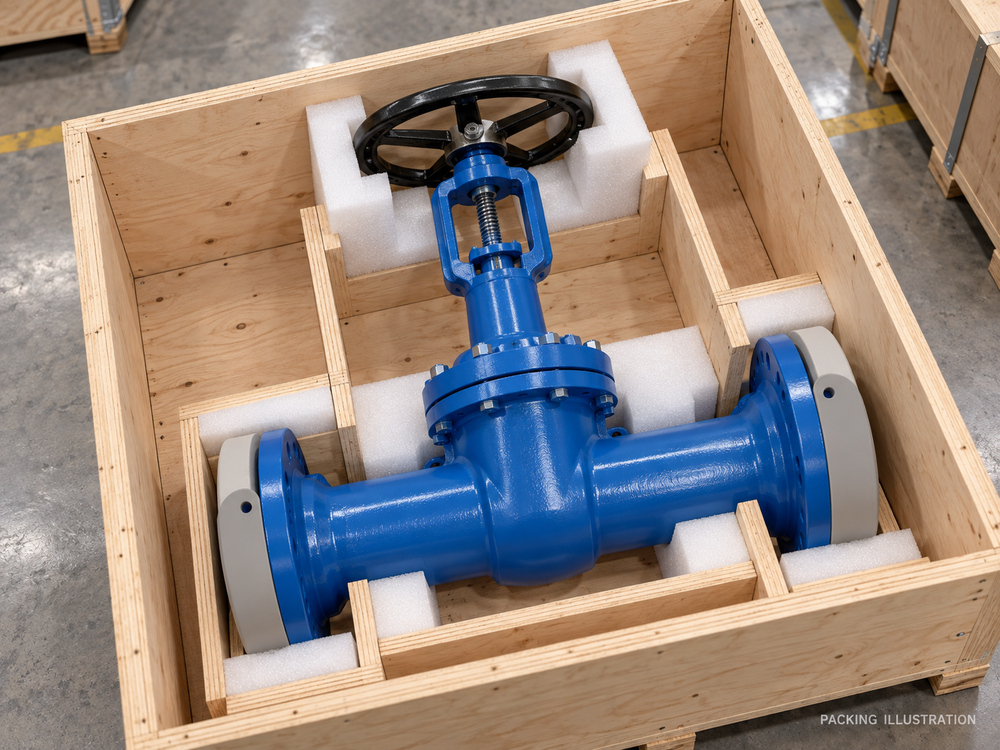
During shipment, protect flange or weld ends, secure the operator and prevent impact loads on the stem or bonnet extension. Packing arrangements should support the pressure body and preserve the approved shipping position.
Why Choose Vcore Valve
Submit your duty conditions to Vcore Valve for a project-specific configuration review. Define the construction and acceptance evidence in the quotation so the selected valve can be assessed against the piping specification.
- Coordinate gate design, bellows alloy and other wetted materials with the service.
- Review connection dimensions, assembly height and operator requirements before ordering.
- Identify separate requirements for seat leakage, external tightness and operating cycles.
- Agree drawings, inspection records and shipment documentation as part of the supply scope.
Information Required for Quotation
- Size and quantity: DN/NPS, pipe bore and number of valves.
- Medium: chemical identity, concentration, contaminants, solids and cleaning fluids.
- Pressure and temperature: operating/design values, maximum differential, start-up, shutdown and any vacuum.
- Materials: body/bonnet, gate, seat, stem, bellows alloy, packing and gasket requirements.
- Connections: flange or weld standard, facing, pipe schedule and face-to-face dimension.
- Operation: handwheel, gearbox or actuator, installation orientation and available headroom.
- Cycle duty: expected frequency, total cycles, stroke and required qualification conditions.
- Leakage acceptance: internal seat leakage, external tightness and any emission test requirement.
- Documents: GA drawing, sectional drawing, material records, ITP, test reports and witness requirements.
Bellows Seal Gate Valve FAQ
What is a bellows seal gate valve?
It is a gate-type isolation valve with a flexible metal bellows forming a sealing barrier around the moving stem. The gate controls internal shut-off while the bellows addresses the external stem leakage path.
Is a bellows seal gate valve the same as a bellows globe valve?
No. Both can use a bellows stem barrier, but their closure geometry differs. The gate valve is intended for full-open/full-closed isolation, while an appropriate globe design can also support regulation duties.
Can it be used for steam and thermal oil?
It can be considered when the complete assembly is suitable for the medium, pressure, temperature and operating cycles. Bellows alloy, trim, packing and gaskets must all be reviewed.
Does bellows sealing guarantee zero leakage?
No universal leakage guarantee follows from the name. Stem sealing, body joints and internal seat leakage have separate test requirements. Specify acceptance criteria and test conditions for each relevant leakage path.
Why is backup packing used?
Backup packing provides a secondary stem sealing provision in designs that include it. It does not remove the need to inspect the bellows or to respond to a suspected bellows failure.
Can the valve be used for continuous throttling?
Standard gate isolation designs should not be used for continuous throttling. A partly open gate can experience vibration and seat erosion. Select an appropriate regulating valve for that duty.
How many operating cycles can the bellows withstand?
Cycle capability depends on bellows construction, stroke, pressure, temperature, corrosion and loading. Request qualification evidence applicable to the selected design and duty rather than relying on a generic cycle count.
Is a pressure seal gate valve also bellows sealed?
Not necessarily. A pressure seal concerns the body-bonnet joint, while a bellows seal concerns the stem barrier. The sectional drawing must identify the actual combination of features.
Need a Bellows Seal Gate Valve for Your Project?
Send Vcore Valve your medium, size, pressure-temperature conditions, connection details and operating cycle requirements. Request a configuration review with clearly defined materials, sealing criteria and inspection scope.