Quick Summary
Industrial Valves Last Longer when the valve is selected for the real medium, pressure, temperature, flow pattern and maintenance environment. Service life is not decided by material alone. Correct installation, clean pipelines, stable operation, suitable sealing materials, routine inspection and timely repair all reduce premature valve failure.
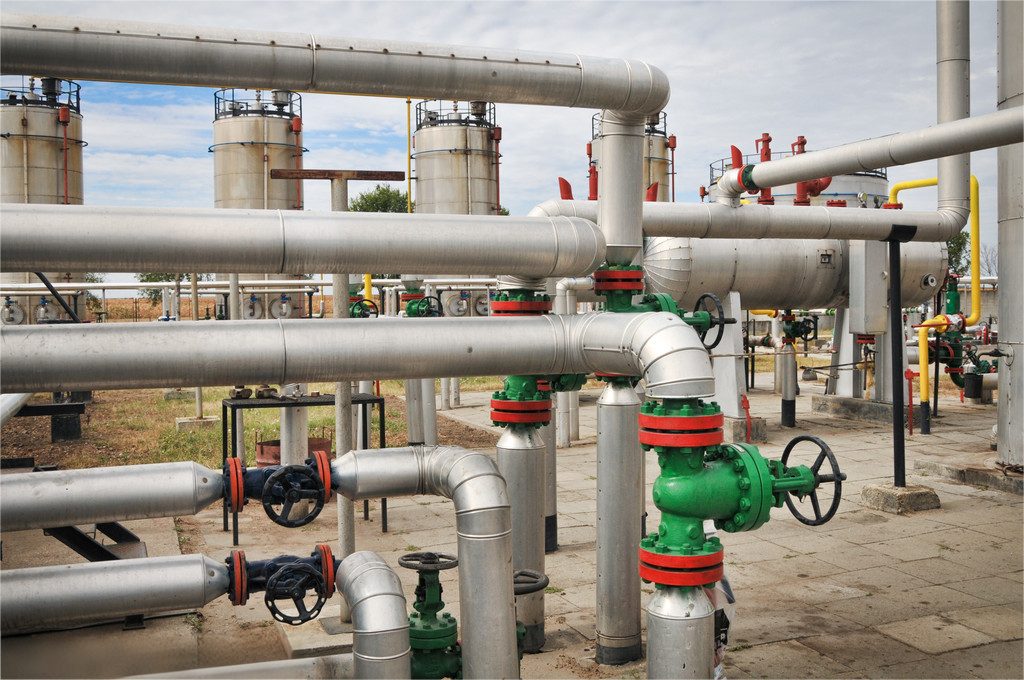
Why Some Industrial Valves Last Longer
Industrial Valves Last Longer when the specification matches the process instead of only the pipe size. A valve that works in clean water may fail quickly in slurry, steam, brine or chemical dosing. The maintenance team often sees the same warning signs: packing leaks, rising torque, seat leakage, corrosion, erosion and repeated actuator alarms.
For failure pattern diagnosis, use analysis of valve problems. For leakage-specific checks, pair the maintenance plan with valve sealing performance.
9 Best Maintenance Tips
- Select the right body and trim material. Corrosion, erosion and temperature must be considered together.
- Flush the pipeline before commissioning. Welding slag, sand and gasket debris can damage seats immediately.
- Avoid using isolation valves as control valves. Continuous throttling can shorten seat life.
- Operate valves through their full travel periodically. This helps detect sticking, actuator problems and abnormal torque.
- Track packing adjustments. Repeated tightening may indicate stem wear or wrong packing material.
- Check external corrosion. Outdoor, marine and washdown areas need coating and bolting attention.
- Keep compatible spare parts ready. Seat kits, gaskets, packing and actuator accessories reduce shutdown time.
- Document pressure tests and leakage history. Trend data helps decide repair versus replacement.
- Replace high-risk valves before forced outage. Compare recurring symptoms with valve replacement signs.
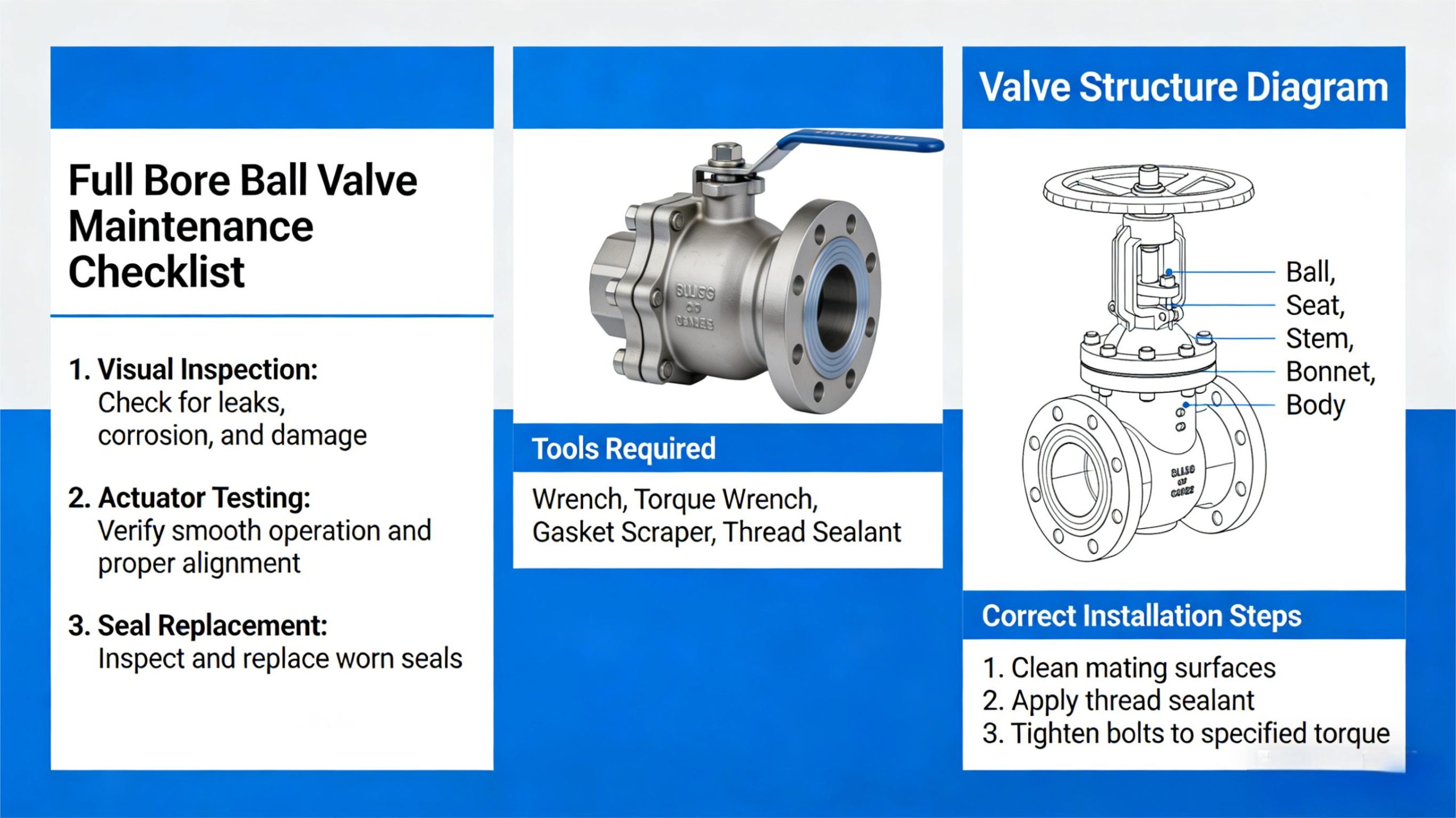
Maintenance Checklist
| Check Point | What to Record | Why It Matters |
|---|---|---|
| External condition | Rust, coating damage, leakage | Find corrosion before it weakens the body |
| Operation torque | Handwheel effort or actuator load | Detect sticking or internal damage |
| Seat leakage | Leak rate and test condition | Confirm isolation reliability |
| Packing area | Adjustment frequency | Prevent stem leakage and emission risk |
| Spare parts | Seat, gasket, packing availability | Shorten planned maintenance windows |
Material and Application Review
Material review is especially important for seawater, chemical, steam and abrasive services. Buyers can compare base material decisions in stainless steel vs carbon steel valves and lining choices in ductile iron vs PTFE valve selection.
Valve Life Extension Program
A valve life extension program should group equipment by service severity. Clean water valves, steam valves, chemical valves and slurry valves should not share the same inspection interval. Industrial valves last longer when the most severe services receive more frequent torque checks, leakage checks and material review.
The maintenance record should show each valve tag, service medium, last inspection date, observed leakage, packing adjustment, actuator condition and parts replaced. This history helps the team identify repeated failures. If one valve needs attention every outage, the issue may be material mismatch, poor installation or a duty that has changed since the original purchase.
Training also matters. Operators should know which valves are for isolation, which valves are for throttling and which valves must be operated slowly to avoid water hammer. Small operating habits can decide whether industrial valves last longer or fail before the next planned shutdown.
How Procurement Helps Industrial Valves Last Longer
Procurement decisions affect service life before the valve reaches the site. The purchase order should list the medium, temperature, pressure, material, trim, seat, connection, test standard and documentation package. If the supplier receives only size and valve type, the delivered valve may not match the real service.
Industrial valves last longer when spare parts are considered at the buying stage. Seat kits, packing sets, gaskets and actuator accessories should be available before commissioning. This turns maintenance from emergency repair into planned work.
For regulated plants, maintenance planning should also align with recognized process safety management expectations where applicable.
Spare Parts Planning for Longer Valve Life
Industrial valves last longer when the plant has a spare parts plan that matches the installed base. Critical valves should have compatible packing, gaskets, seat kits and actuator accessories available before the next outage. This prevents emergency substitutions that may not match the original service condition.
Maintenance teams should also review whether repeated repairs point to a deeper specification problem. If the same valve position fails again and again, the solution may be an upgraded material, different seat design or a valve type better suited to the duty.
FAQ
How can I make industrial valves last longer?
Match the valve to the medium, install it correctly, keep the pipeline clean, inspect leakage and torque, and repair wear before failure becomes severe.
What causes premature valve failure?
Common causes include wrong material, debris, corrosion, erosion, incorrect throttling duty, poor installation and missed maintenance.
When should a valve be replaced instead of repaired?
Replacement is safer when the body is damaged, leakage keeps returning, parts are unavailable or the valve no longer matches the service.