Quick Summary
Industrial Valve Standards help buyers define pressure ratings, materials, dimensions, leakage tests, marking and documentation before production begins. Standards such as API, ASME, ISO and EN reduce ambiguity, but they still need to be tied to the actual medium, temperature, pressure class and inspection plan.
Why Industrial Valve Standards Matter
Industrial Valve Standards turn a vague valve request into a measurable specification. Without them, one supplier may quote a lower-cost valve with different wall thickness, testing, material traceability or documentation. With clear standards, the buyer can compare bids and inspection results more fairly.
For a focused buyer checklist, read international standards in valve manufacturing. For leakage testing context, see valve sealing performance.
10 Best Compliance Tips
- State the exact standard and edition. Different editions can change requirements.
- Match pressure class to temperature. Pressure rating is not independent from operating temperature.
- Define the valve type clearly. Gate, globe, check, ball and butterfly valves may follow different test rules.
- Specify material certificates. MTCs and heat numbers help verify body, trim and bolting materials.
- Control leakage acceptance. Seat test class and test medium should be written in the RFQ.
- Confirm end connection dimensions. Flange, threaded and welded ends must fit the piping system.
- Review special service needs. Fire-safe, sour service, cryogenic and fugitive emission requirements need explicit standards.
- Use inspection hold points. Agree when the buyer or third party can witness tests.
- Check marking and nameplate data. Incorrect marking creates installation and documentation risk.
- Keep records tied to tag numbers. Certificates are most useful when mapped to the exact valve tag.
Standards and Buyer Questions
| Standard Area | Buyer Question | Why It Matters |
|---|---|---|
| Design | Which pressure-temperature rule applies? | Controls body strength |
| Testing | What shell and seat test is required? | Controls acceptance criteria |
| Materials | Are certificates and heat numbers required? | Controls traceability |
| Dimensions | Will the valve fit the piping? | Prevents installation delay |
| Documentation | Which records are needed before shipment? | Supports commissioning and audit |
For general reference, buyers can review the ISO standards catalogue and recognized ASME codes and standards.
How to Put Standards Into an RFQ
The RFQ should list valve type, size, pressure class, body material, trim material, seat material, end connection, medium, temperature, test standard, coating, actuator requirement and documentation package. This makes Industrial Valve Standards practical instead of symbolic.
Industrial Valve Standards Documentation Workflow
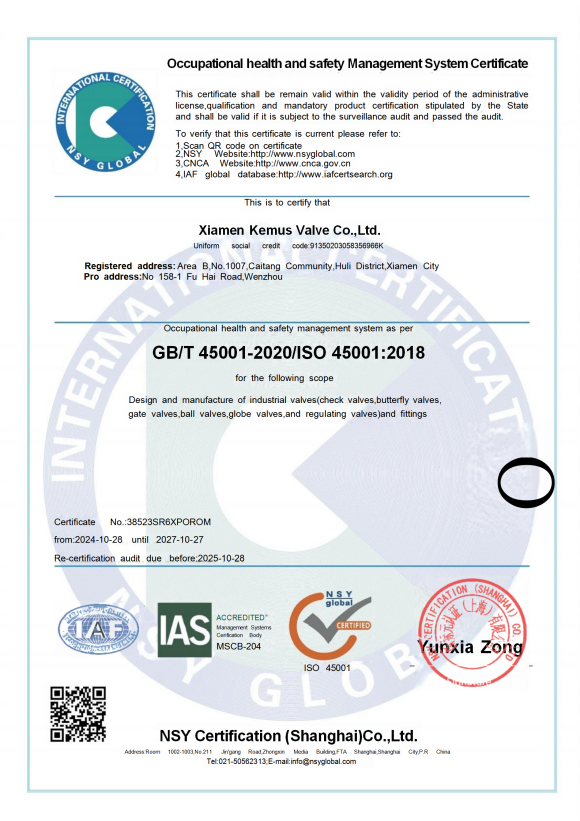
A practical compliance workflow starts before production. The buyer should confirm the applicable industrial valve standards, the project edition, inspection hold points and required document list. The supplier should then tie each certificate and test record to the correct tag number or purchase order line.
During production, industrial valve standards should guide material traceability, dimensional inspection, pressure testing, marking and packing. If a third-party inspector is involved, the witness points should be confirmed early so tests are not repeated after production is complete.
Before shipment, the documentation package should include material certificates, pressure test reports, nameplate photos, dimensional checks and any actuator calibration records. This package helps the end user confirm that the installed valve matches the project specification and avoids commissioning delays.
Common Compliance Mistakes in Valve Purchasing
Many compliance problems start when a quotation uses broad wording such as “API standard valve” without naming the exact standard, edition or test requirement. Industrial valve standards should be written clearly enough that the supplier, inspector and end user all understand the same acceptance criteria.
Another common mistake is collecting documents only after the valves arrive. Certificates and test reports should be reviewed before shipment release. If the documents do not match tag numbers or material requirements, the project can lose time during commissioning.
FAQ
Do industrial valve standards guarantee correct selection?
No. Standards define design and test rules, but engineers must still confirm medium, pressure, temperature and material compatibility.
Which valve standards are common in global projects?
API, ASME, ISO and EN standards are common, depending on region, valve type and application.
Should standards be listed in the purchase order?
Yes. Listing standards, editions, tests and documents in the purchase order reduces inspection disputes.