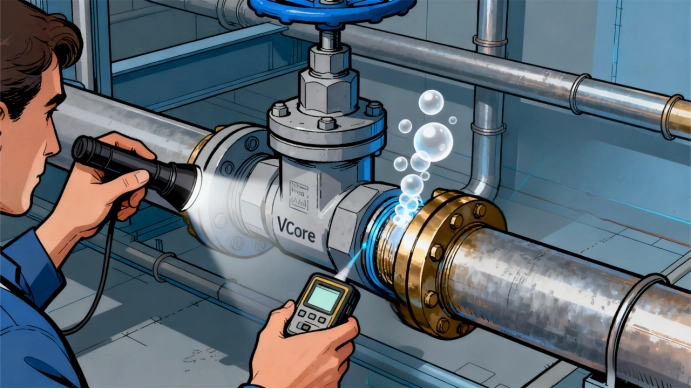
A foot valve is malfunctioning when the pump loses prime, suction flow drops, water drains back into the source, or debris blocks the strainer. In most pumping systems, the problem is not only the foot valve itself. The suction pipe, pump priming method, water level, strainer condition, check disc, sealing surface and installation depth all affect whether the valve can hold water and maintain reliable suction.
What Does a Foot Valve Do?
A foot valve is a check valve installed at the bottom of a suction pipe. It allows liquid to enter the suction line while stopping reverse flow when the pump stops. Many foot valves also include a strainer to keep leaves, sand, stones and larger solids out of the pump.
In water supply, irrigation, drainage, tank transfer and industrial pumping systems, the foot valve helps the pump stay primed. If the valve leaks or sticks open, the suction line can empty. When the pump starts again, it may run dry, lose capacity, vibrate, or fail to lift water.
For related check-valve selection, buyers can also review industrial check valve options and compare them with the suction conditions of the pump system.
Common Signs Your Foot Valve Is Malfunctioning
1. The Pump Loses Prime After Shutdown
The most common warning sign is repeated loss of prime. If the suction line is full when the pump stops but empty before the next start, the foot valve may be leaking backward. This can be caused by a worn sealing disc, debris trapped on the seat, corrosion, or a cracked valve body.
2. Water Flow Drops Even When the Pump Runs
A blocked strainer, undersized valve, partially stuck disc, or suction leak can reduce flow. The pump may still run, but the outlet flow becomes unstable or lower than normal.
3. The Pump Takes Too Long to Start Delivering Water
Long priming time usually means the suction line is not staying full. The foot valve may not close tightly, or the pipe joints above the valve may be drawing air.
4. Air Bubbles Appear in the Discharge Line
Air bubbles can indicate a suction-side leak, low water level, vortexing near the foot valve, or damaged sealing surfaces. Do not assume the pump is the only problem.
5. The Pump Runs Dry or Overheats
If the foot valve does not hold prime, the pump may run without enough liquid. This can damage mechanical seals, bearings, impellers and motor components.
6. The Strainer Is Frequently Clogged
Frequent blockage means the foot valve may be placed too close to sediment, sludge, leaves or floating debris. A larger screen area, better installation depth, or upstream cleaning may be needed.
7. The Valve Makes Noise or Vibrates
Chattering can happen when the valve is oversized, flow is too low, the disc is unstable, or the suction line has turbulence. Long-term vibration can damage the seat and hinge.
Main Causes of Foot Valve Problems
Foot valve failure usually comes from one or more of these causes:
- Debris on the seat: Sand, scale, leaves or fibers stop the disc from sealing.
- Worn sealing surface: Rubber, elastomer or metal seating surfaces lose tightness after repeated cycling.
- Corrosion: The body, hinge, spring or fasteners can corrode in aggressive water or chemical service.
- Incorrect size: A valve that is too small restricts suction; a valve that is too large may not close reliably.
- Poor installation depth: A valve too close to the water surface can draw air; too close to the bottom can draw sediment.
- Water hammer: Sudden reverse flow can damage the disc, hinge or seat.
- Air leak in suction piping: The valve may be good, but threaded joints, gaskets or pipe cracks can still cause priming loss.
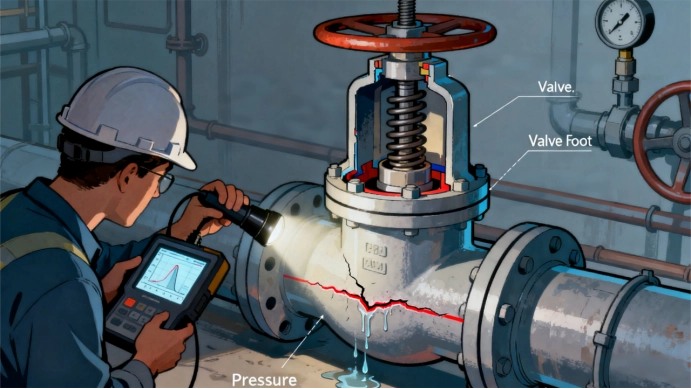
How to Diagnose a Malfunctioning Foot Valve
Step 1: Confirm the Pump Is Properly Primed
Before removing the valve, confirm the pump casing and suction line are filled correctly. A priming procedure mistake can look like a foot valve problem.
Step 2: Check Whether the Suction Line Holds Water
Stop the pump and observe whether water drains back. If the line empties quickly, the foot valve, suction pipe, gaskets or threaded joints need inspection.
Step 3: Inspect the Strainer
Remove visible debris. If the strainer is damaged, crushed or too small for the debris load, flow restriction will continue even after cleaning.
Step 4: Inspect the Disc and Seat
Look for scratches, hard deposits, rubber swelling, seat wear, hinge looseness or corrosion. A small piece of debris can prevent sealing.
Step 5: Check Installation Position
The valve should be submerged deeply enough to avoid vortexing and air intake, but not so close to the bottom that it pulls sediment. The exact distance depends on tank, well, pond or sump conditions.
Step 6: Compare Valve Size with Pump Demand
If the pump needs more flow than the valve can pass, suction losses increase. Check flow rate, pipe size, allowable pressure drop and strainer open area.
Repair or Replace the Foot Valve?
Cleaning may be enough when the problem is only temporary debris. Replacement is usually better when the valve body is cracked, the seat is damaged, the hinge is loose, corrosion is severe, or the strainer is repeatedly failing.
| Condition | Recommended Action |
|---|---|
| Debris on seat | Clean valve and review strainer position |
| Worn rubber seal | Replace seal if spare parts are available; otherwise replace valve |
| Cracked body | Replace valve immediately |
| Repeated clogging | Improve suction location or choose a larger strainer area |
| Wrong material for water chemistry | Replace with suitable bronze, stainless steel, ductile iron or plastic material |
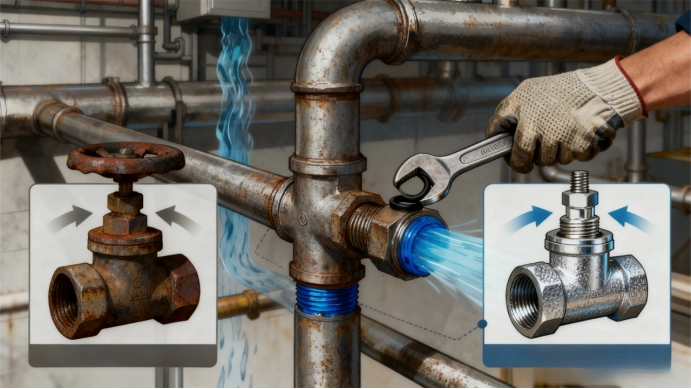
How to Select a Better Replacement Foot Valve
When replacing a foot valve, check more than nominal pipe size. Buyers should confirm:
- Flow rate and suction pipe size
- Pump type and required net positive suction head
- Water source, solids content and debris size
- Body material and corrosion resistance
- Seal material compatibility
- Strainer open area
- Connection type and installation access
- Expected cleaning interval
For material decisions, use the same thinking as a broader valve material selection guide: match material to media, temperature, pressure, corrosion risk and maintenance access.
Common Buyer Mistakes
Mistake 1: Replacing the Pump Before Checking the Foot Valve
Loss of prime often starts at the suction end. Replacing the pump will not solve a leaking foot valve.
Mistake 2: Choosing Only by Pipe Size
Two valves with the same nominal size can have different flow area, strainer design and pressure loss.
Mistake 3: Ignoring Debris Conditions
A clean-water foot valve may fail quickly in ponds, sumps or open reservoirs with leaves, sediment and fibers.
Mistake 4: Not Checking Suction Pipe Leaks
A good foot valve cannot compensate for air leaks in the suction line.
RFQ Checklist for Foot Valve Replacement
Before requesting a quotation, prepare:
- Pipe size and connection type
- Pump flow rate and suction lift
- Water source and debris condition
- Material requirement
- Installation position and available space
- Required strainer type
- Operating cycle and maintenance interval
If the valve is part of a larger maintenance issue, compare the symptoms with common valve problems and prevention tips before final selection.
Final Recommendations
A malfunctioning foot valve should be diagnosed systematically. Start with priming behavior, suction leakage, strainer condition, valve seating and installation depth. Then decide whether cleaning, repair or replacement is the right action. For critical pumping systems, the safest replacement is usually a properly sized foot valve with corrosion-resistant materials, sufficient strainer area and easy maintenance access.
Foot Valve Problems by Application
Well and Borehole Pumping
In well pumping systems, the foot valve must stay submerged and protected from sediment. If water level changes seasonally, a valve that worked during wet months may draw air during dry months. Buyers should check static water level, drawdown level, suction lift and the distance between the valve and the bottom of the well.
Irrigation and Agricultural Water Intake
Irrigation systems often pull water from ponds, rivers or storage tanks. Leaves, algae, sand and organic debris can clog the strainer. In this service, the strainer open area and cleaning access are just as important as valve size.
Industrial Sump and Drainage Systems
Industrial sumps may contain solids, chemicals, oil or sludge. A general clean-water foot valve may fail quickly if the media contains abrasive or corrosive material. Material and seal compatibility should be checked before replacement.
Installation Checklist for Reliable Foot Valve Operation
- Keep the valve fully submerged during all operating conditions.
- Install the valve above the bottom sediment level.
- Use a suction pipe size that does not starve the pump.
- Support the suction pipe so the valve is not carrying pipe weight.
- Check threaded joints, gaskets and flanges for air leakage.
- Provide access for cleaning the strainer.
- Avoid sharp suction-line bends near the valve.
Foot Valve Material Selection
| Service Condition | Typical Material Direction |
|---|---|
| Clean water | Bronze, stainless steel, ductile iron or plastic depending on pressure and budget |
| Corrosive water | Stainless steel or suitable non-metallic material |
| Debris-heavy intake | Robust body, large strainer area and easy cleaning access |
| Industrial liquid | Material and seal must be checked against chemical compatibility |
For engineered projects, send the medium, pump flow, suction lift and installation drawing to the valve supplier instead of asking for a foot valve by size only.
FAQ
How do I know if a foot valve is bad?
A bad foot valve often causes loss of prime, reverse flow, reduced suction, long pump start time, air bubbles or repeated dry running.
Can a clogged foot valve reduce water flow?
Yes. A blocked strainer or partially stuck disc can restrict suction flow and reduce pump capacity.
Can I clean a foot valve instead of replacing it?
You can clean it if debris is the only problem. Replace it if the seat, body, disc, hinge or strainer is damaged.
Why does my pump lose prime overnight?
The foot valve may be leaking backward, or the suction pipe may have an air leak. Both should be checked.
What material is best for a foot valve?
It depends on water quality and corrosion risk. Bronze, stainless steel, ductile iron and plastic designs are selected for different conditions.