Quick Summary
Analysis of valve problems shows that common valve problems include internal leakage, stem leakage, difficult operation, corrosion, cavitation, vibration, actuator failure, seat wear, and wrong valve selection. Most failures can be prevented by matching the valve type, material, seat, pressure, temperature, medium, installation position, and maintenance interval before the valve is ordered.
Valve Problems in Industrial Pipelines: What to Check First
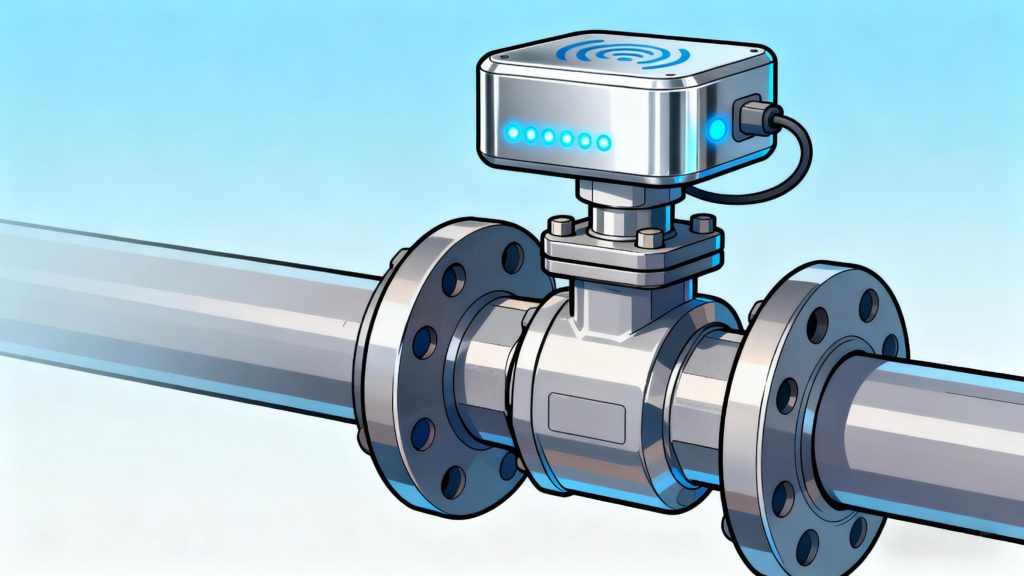
Analysis of valve problems is not only a maintenance task. A leaking, stuck, corroded, or incorrectly selected valve can interrupt production, create safety risk, increase energy consumption, and shorten the service life of an entire pipeline system. For procurement teams and plant engineers, the real question is not only how to replace the failed valve, but why it failed and how to prevent the same fault from returning.
This guide explains the most common valve problems, practical troubleshooting steps, and prevention methods for gate valves, ball valves, butterfly valves, globe valves, check valves, plug valves, and control valves used in water treatment, oil and gas, chemical processing, power generation, HVAC, mining, and general industrial service.
Valve Problem Diagnosis Table
| Problem | Typical Symptom | Likely Cause | First Action |
|---|---|---|---|
| Internal leakage | Flow continues when closed | Seat wear, debris, erosion, wrong torque | Inspect seat and closing position |
| External leakage | Fluid near stem, bonnet, gasket, or flange | Packing wear, gasket damage, loose bolts | Check packing, gasket, and bolt torque |
| Hard operation | High handwheel or actuator torque | Corrosion, deposits, stem damage, wrong actuator | Clean, lubricate, and recalculate torque |
| Corrosion | Body, trim, or fastener degradation | Wrong body/trim material or coating | Review medium, temperature, and material |
| Cavitation or vibration | Noise, pitting, unstable flow | Excessive pressure drop or velocity | Review valve type and pressure profile |
Valve Leakage: Seat, Stem and Flange Checks
Typical Symptoms
- Fluid passes through the valve even when it is fully closed.
- External leakage appears around the stem, bonnet, flange, gasket, or body joint.
- Pressure drops after isolation or during pressure testing.
Common Causes
Internal leakage is usually caused by seat damage, foreign particles, erosion, corrosion, poor alignment, or incorrect closing torque. External leakage often comes from worn packing, loose flange bolts, damaged gaskets, thermal cycling, or installation stress.
Recommended Action
Confirm that the valve is fully closed, inspect the sealing surfaces, check bolt torque, and verify that the packing, gasket, seat, and body materials are compatible with the medium and temperature. If leakage returns after repair, review whether the selected valve type is suitable for the service.
Difficult Operation or Stuck Valve
A valve that is hard to open or close may indicate stem corrosion, thread damage, packing over-compression, solids inside the body cavity, actuator undersizing, or a valve left in one position for too long. For automated valves, compare required torque with actuator output under the real pressure differential, not only under workshop conditions.
| Possible Cause | Inspection Point | Practical Response |
|---|---|---|
| Corroded stem or packing area | Stem surface, gland area, operating torque | Clean, lubricate, replace packing, or upgrade material |
| Solid deposits or scaling | Body cavity, seat area, upstream strainer | Flush the line and review media cleanliness |
| Wrong actuator sizing | Required torque vs actuator output | Recalculate torque with safety margin |
| Thermal expansion | Temperature change during operation | Confirm material, clearance, and operating procedure |
Corrosion and Material Degradation
Corrosion can damage the body, disc, ball, gate, stem, seat, fasteners, and pressure boundary. It is common in chemical service, seawater, wastewater, acid/alkali media, humid outdoor systems, and poorly specified applications.
Prevention starts with material selection. Stainless steel, duplex stainless steel, PTFE lining, rubber lining, alloy steel, special alloys, or protective coatings may be required depending on chemical composition, concentration, temperature, velocity, and cleaning process. See the valve material selection guide for body, trim, seat, and seal material logic.
Cavitation, Erosion and Vibration
Cavitation occurs when pressure changes cause vapor bubbles to form and collapse inside the valve. It can create noise, vibration, pitting, and rapid internal damage. Erosion is common when high-velocity media or suspended solids strike the seating surfaces and flow path.
- Use valves designed for throttling when flow control is required.
- Avoid using gate valves as long-term throttling valves.
- Check flow velocity, pressure drop, and downstream pressure.
- For slurry or abrasive service, choose abrasion-resistant trim and suitable valve geometry.
Wrong Valve Selection
Many common valve problems begin before installation. A valve may look correct by size and pressure rating but still fail if the medium, temperature, operating frequency, control function, or installation position is ignored.
| Application Need | Common Valve Choice | Selection Note |
|---|---|---|
| Fast on/off shutoff | Ball valve | Good for frequent operation and compact automation |
| Full-bore pipeline isolation | Gate valve | Best for fully open/closed service, not throttling |
| Flow regulation | Globe valve or control valve | Better for throttling and pressure control |
| Large-diameter water systems | Butterfly valve | Compact and economical; seat material is critical |
| Backflow prevention | Check valve | Must match flow direction, velocity, and installation orientation |
Installation and Maintenance Mistakes
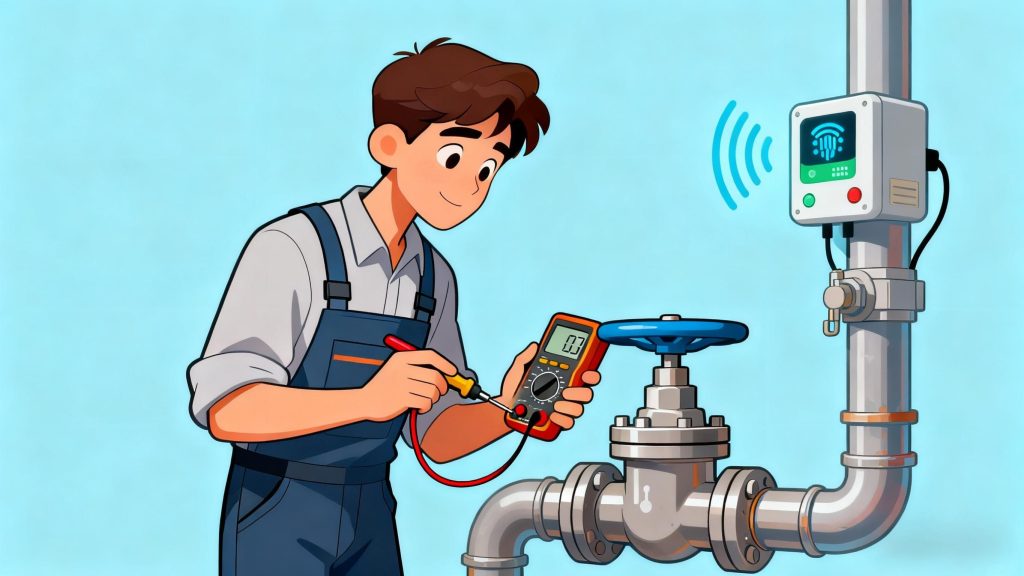
Even a well-selected valve can fail early if it is installed incorrectly. Common mistakes include flange misalignment, excessive pipe stress, wrong flow direction, poor gasket installation, contaminated pipeline, actuator misalignment, and lack of commissioning checks.
Installation Checklist
- Confirm valve size, pressure rating, material, and connection standard before installation.
- Clean the pipeline to remove welding slag, sand, rust, and other particles.
- Check flow direction marking for check valves, globe valves, and directional designs.
- Align flanges correctly and tighten bolts evenly.
- Operate the valve several times after installation to confirm smooth movement.
- Record baseline torque, leakage test results, and actuator settings.
When to Repair and When to Replace
Repair may be practical when the issue is limited to packing, gaskets, actuator adjustment, or minor seat cleaning. Replacement is usually safer when the body is corroded, the pressure boundary is damaged, repeated leakage occurs, or the original valve was incorrectly selected.
For critical pipelines, replacement decisions should consider not only valve price but also downtime, safety risk, spare-part availability, maintenance labor, and the cost of another failure. For broader standards research, the ISO standards catalogue can help teams identify relevant valve and pipeline standards before final project review.
How Vcore Valve Helps Reduce Common Valve Problems
Vcore Valve supports industrial buyers with valve selection, material matching, drawing confirmation, project documentation, inspection planning, and customized valve solutions. If you are dealing with repeated leakage, corrosion, actuator problems, or poor service life, our team can review your medium, pressure, temperature, installation conditions, and operating frequency before recommending a suitable valve type.
Relevant resources include industrial ball valves, valve trim material selection, and custom project consultation.
FAQ
What is the most common valve problem?
Leakage is one of the most common valve problems. It may occur internally through the seat or externally around the stem, bonnet, gasket, or flange connection.
Why does a valve become difficult to operate?
Common reasons include corrosion, deposits inside the valve body, worn packing, damaged stem threads, excessive pressure differential, or an incorrectly sized actuator. A careful analysis of valve problems should compare torque, pressure, deposits, and maintenance history before replacing the valve.
Can the wrong valve type cause failure?
Yes. For example, using a gate valve for continuous throttling can damage the seat and gate. Valve type should match the control function, medium, pressure, temperature, and operating frequency.
How can common valve problems be prevented?
Prevention depends on correct selection, compatible materials, clean installation, proper commissioning, regular inspection, and timely maintenance of packing, gaskets, actuators, and sealing surfaces. In practice, analysis of valve problems should become part of routine reliability review.
Final Recommendation
Most valve problems are preventable when the valve is selected, installed, and maintained according to real working conditions. Before replacing a failed valve, review the root cause: medium compatibility, pressure and temperature, flow velocity, operation frequency, installation quality, and maintenance history.