
Magnetic Particle Inspection (MPI) for Valve Quality Assurance: A Comprehensive Guide
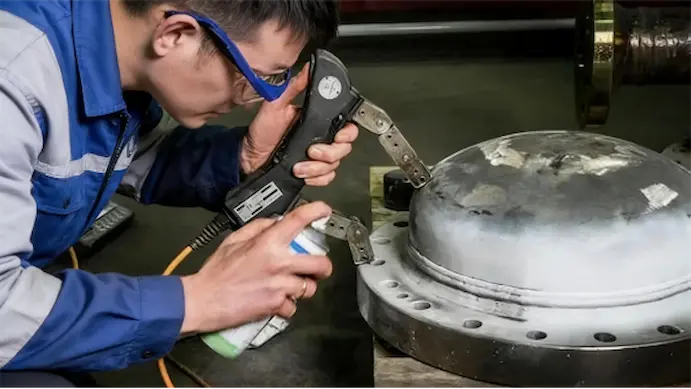
Learn how Magnetic Particle Inspection (MPI) detects surface and near-surface discontinuities in ferromagnetic valve components without damaging the parts. The guide explains the magnetisation, particle application, inspection, and demagnetisation process, while showing how MPI supports valve quality control, pressure integrity, operational safety, and early crack detection.
Fireproof & Anti-Static D-Ball Valves: Ensuring Industrial Safety
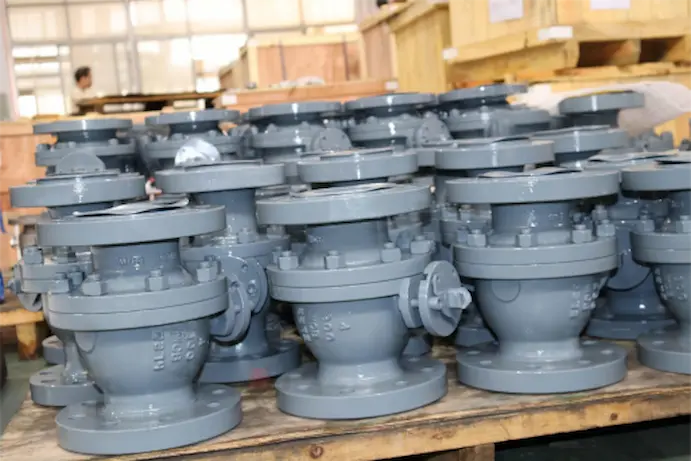
Learn how fire-safe and anti-static D-ball valves reduce ignition, fire, and explosion risks in systems handling flammable liquids and gases. The guide explains their fire-resistant sealing, static-charge dissipation, operating benefits, selection considerations, and applications in oil and gas, petrochemical, refinery, chemical-processing, and offshore systems.
What Is the Difference Between a Fail-Close and Fail-Open Valve?
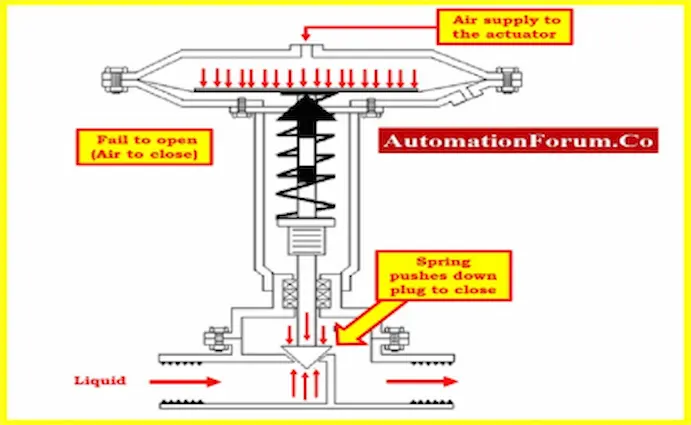
Compare fail-closed and fail-open valves by their response to loss of power, air supply, or control signal. The guide explains how fail-closed configurations stop potentially hazardous flow, while fail-open configurations maintain essential cooling, venting, or circulation, and outlines the safety, actuator, differential-pressure, and process requirements that determine the correct failure position.
Ball Valve Wrenches and Manual Operating Tools: Safe Torque and Operation Guide
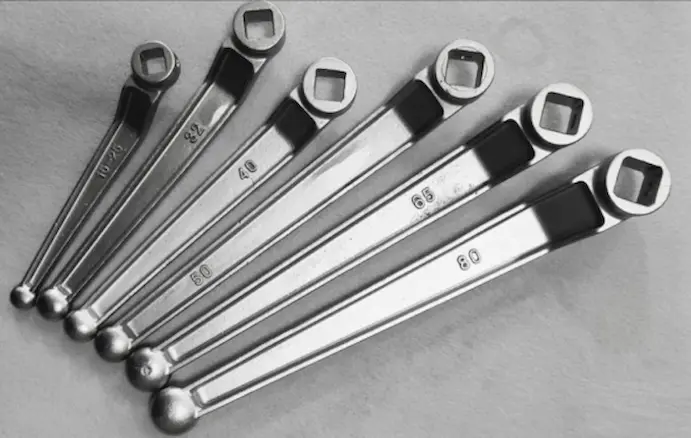
Learn how ball valve wrenches and manual operating tools affect safe and reliable valve operation. The guide explains why wrench length, valve size, operating torque, stem design, seat friction, pressure conditions, tool fit, and operator technique must be matched correctly to avoid over-torque, stem damage, seat wear, unsafe handle movement, and premature ball valve failure.
Analysis of Valve Problems: Diagnosis and Prevention Guide
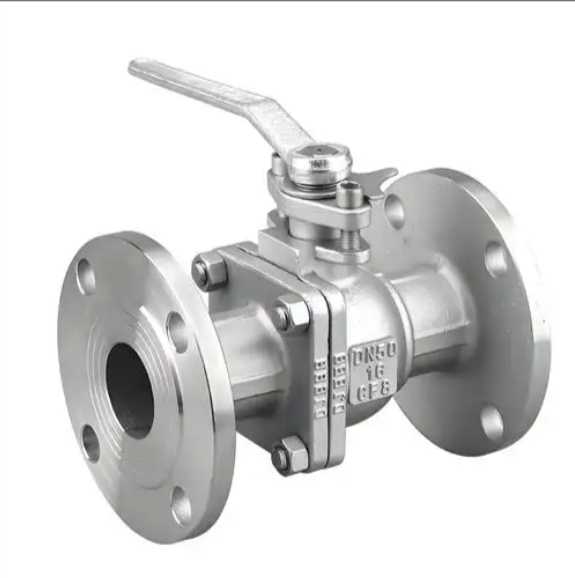
Use this analysis of valve problems to diagnose leakage, stuck operation, corrosion, cavitation, actuator faults and wrong valve selection before repair or RFQ.