Quick Summary
Ball valves vs gate valves: ball valves use a quarter-turn rotating ball for fast shutoff, low pressure drop, and easy automation. Gate valves use a rising or non-rising gate for full-bore isolation in pipelines that stay fully open or fully closed. Choose a ball valve for frequent operation, compact automation, and quick isolation. Choose a gate valve for low-frequency full-bore isolation, large pipelines, and applications where gradual opening is acceptable.
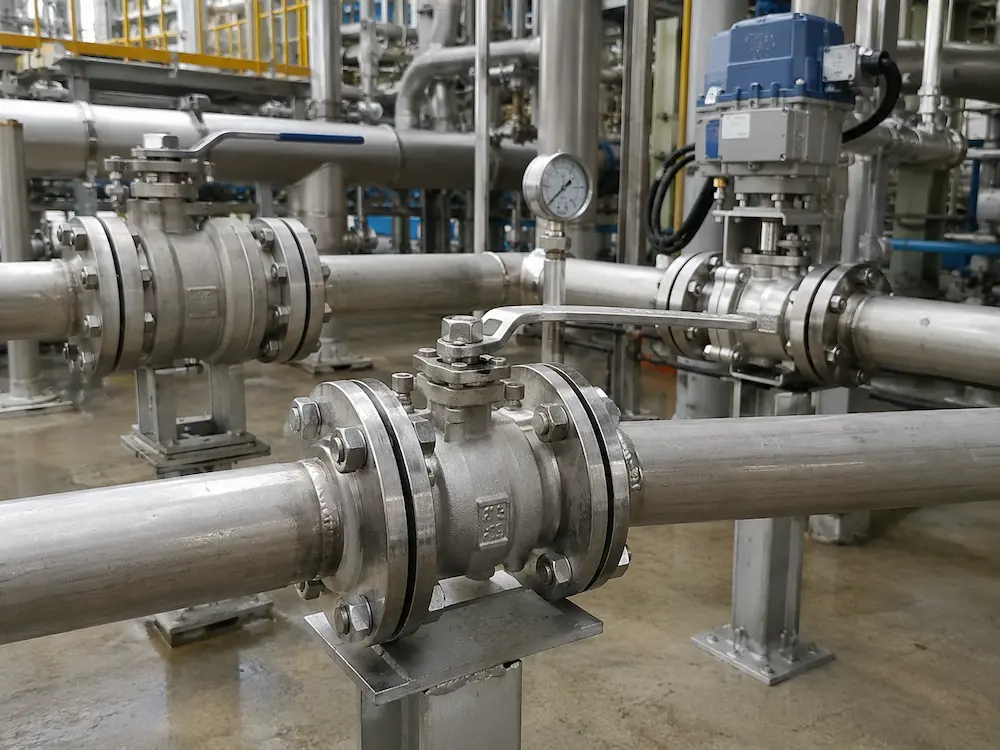
Ball Valves vs Gate Valves: Main Difference
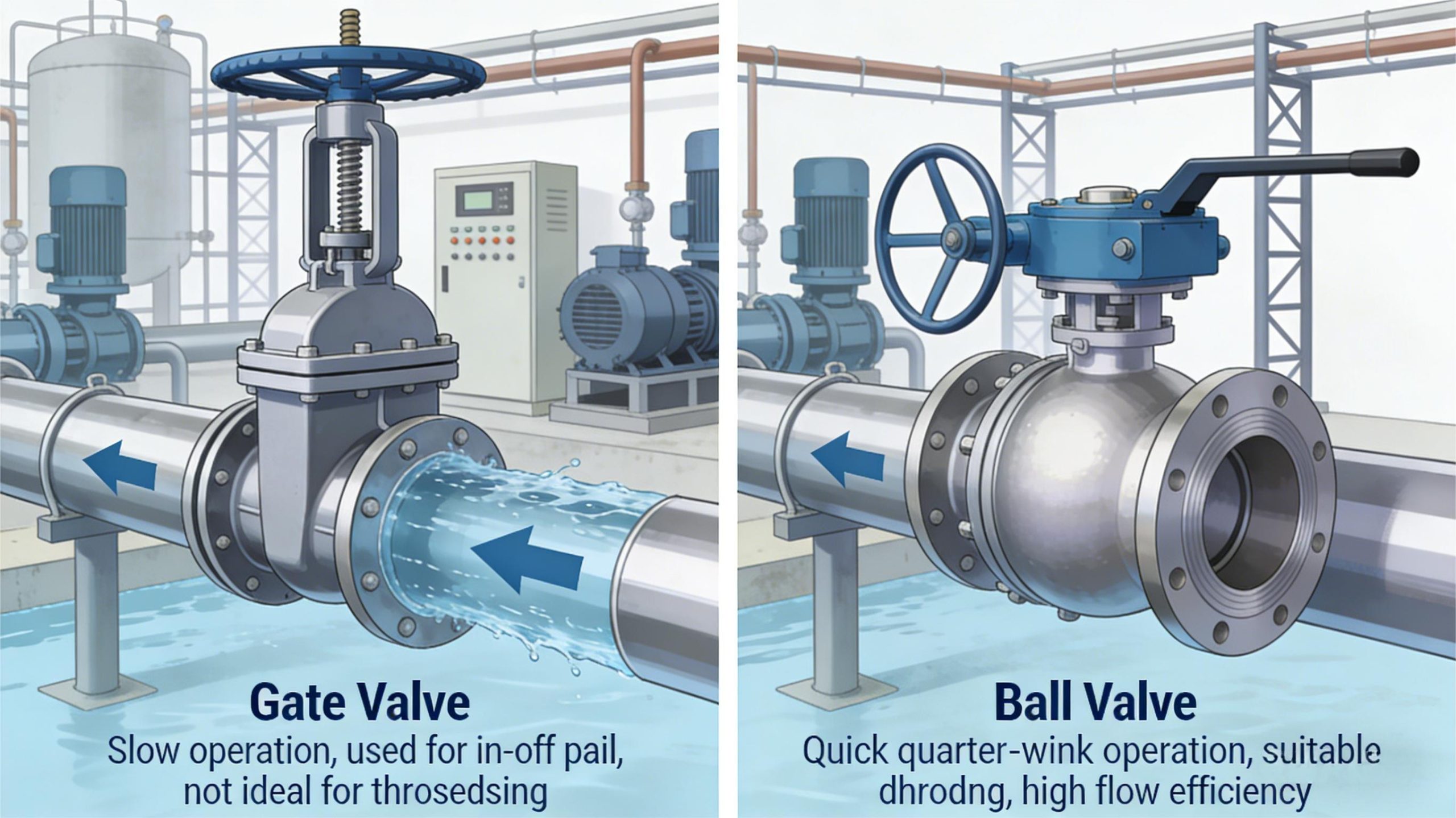
These two industrial shutoff valve types solve different pipeline problems. A ball valve opens and closes by rotating a bored ball 90 degrees. A gate valve opens and closes by lifting a wedge or gate out of the flow path. This structural difference affects operating speed, pressure drop, automation, sealing behavior, maintenance, and service life.
For procurement teams, the question is not which valve is universally better. The correct question is: which valve fits the medium, pressure, temperature, operation frequency, installation space, and control requirement?
Quick Comparison Table
| Comparison Point | Ball Valve | Gate Valve | Selection Note |
|---|---|---|---|
| Operating method | Quarter-turn rotation | Multi-turn lifting gate | Quarter-turn valves are faster |
| Best function | Fast on/off shutoff | Full-bore pipeline isolation | Neither is ideal for precise throttling |
| Operation frequency | Suitable for frequent operation | Better for low-frequency operation | Gate valves can wear if cycled often |
| Automation | Easy with electric or pneumatic actuator | Possible but slower and larger | Quarter-turn designs are common in automated systems |
| Pressure drop | Low, especially full port | Very low when fully open | Both can support low-resistance flow |
| Installation space | Compact | Requires vertical stem/handwheel space | Check site clearance before selection |
How Quarter-Turn Shutoff Valves Work
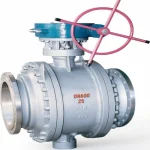
A ball valve uses a rotating ball with a hole through the center. When the bore aligns with the pipeline, media flows through the valve. When the handle or actuator rotates 90 degrees, the solid side of the ball blocks the flow path.
Ball valves are widely used in water, oil, gas, chemical, utility, and automated pipeline systems because they provide fast operation, compact structure, reliable shutoff, and simple actuator mounting. For more design options, see the guide to industrial ball valves.
How Wedge Isolation Valves Work
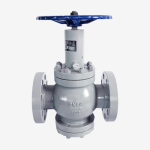
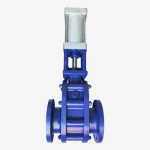
A gate valve uses a gate or wedge that moves up and down to open or close the flow path. When fully open, the gate is lifted out of the pipeline and the valve creates very low flow resistance. When closed, the gate presses against the seats to stop flow.
Gate valves are suitable for full-open or full-close service in pipelines where operation frequency is low. They are common in water supply, oil and gas, power, industrial utility, and large-diameter isolation systems.
Key Differences Between Ball Valves and Gate Valves
1. Opening and Closing Speed
A ball valve opens or closes with a 90-degree turn, so it is faster than a gate valve. A gate valve usually needs multiple turns of the handwheel or actuator.
2. Automation
Quarter-turn valves are easier to automate because the actuator only needs quarter-turn motion. Gate valve automation is possible, but the actuator is usually larger and slower.
3. Throttling Suitability
Standard ball valves and gate valves are mainly designed for shutoff, not precise throttling. For control service, consider a globe valve or control valve after reviewing pressure drop and flow stability.
4. Flow Resistance
Full port ball valves and fully open gate valves both provide low pressure drop. Reduced port ball valves create more pressure drop but may reduce cost and size.
5. Sealing Behavior
Quarter-turn shutoff designs often use soft seats such as PTFE or reinforced PTFE for tight shutoff. Wedge isolation designs may use metal seats, resilient seats, or special trim depending on service conditions.
6. Maintenance
Quarter-turn valves are compact and simple to operate, but seat wear can occur in abrasive or throttling service. Wedge isolation valves require attention to stem, packing, wedge, and seat condition.
7. Installation Space
Quarter-turn valves are compact. Wedge isolation valves require more vertical clearance for the stem and handwheel, especially rising-stem designs.
8. Cost
Small and medium ball valves are often economical for frequent shutoff. Large or high-pressure trunnion ball valves can cost more. Gate valves may be cost-effective for large full-bore isolation.
9. Media Compatibility
Both valve types can be supplied in carbon steel, stainless steel, alloy steel, ductile iron, bronze, or lined designs. Material selection should follow medium, temperature, corrosion, and pressure requirements.
10. Service Life
Service life depends on operation frequency, media cleanliness, pressure, temperature, and maintenance. Wrong application is one of the most common causes of early valve failure.
11. Emergency Shutoff
The quarter-turn option is usually better for emergency shutoff because they close quickly and can be automated easily.
12. Large Pipeline Isolation
Gate valves remain a common choice for large pipelines where the valve stays fully open most of the time and full-bore flow is important.
Application Selection Guide
| Application | Better Choice | Reason |
|---|---|---|
| Frequent open/close operation | Ball valve | Fast quarter-turn movement |
| Automated chemical dosing line | Ball valve | Easy electric or pneumatic actuation |
| Large water transmission isolation | Gate valve | Full-bore flow and low operation frequency |
| Clean gas emergency shutoff | Ball valve | Fast closure and tight shutoff |
| Pipeline that remains open for months | Gate valve | Good isolation for low-cycle service |
| Precise flow regulation | Neither as first choice | Review globe valve or control valve |
Common Selection Mistakes
- Using a gate valve for frequent cycling when a ball valve would be more practical.
- Using a standard ball valve for long-term throttling without reviewing seat wear and flow stability.
- Selecting only by valve size and pressure rating while ignoring material compatibility.
- Ignoring actuator torque, operating frequency, and site clearance.
- Ignoring datasheets, actuator torque, seat material, and pressure-temperature limits before purchase.
Engineering Selection Workflow
For a new pipeline project, start with the function of the valve instead of the product name. Define whether the line needs quick isolation, low-cycle isolation, emergency shutoff, drain service, bypass service, tank transfer, or automatic switching. This first step prevents a common mistake: selecting a familiar product style before the real operating duty is clear.
Next, review the medium. Clean water, compressed air, steam, fuel oil, natural gas, acid, alkali, slurry, and mixed chemical service all create different risks for body material, trim, seat, packing, and gasket selection. A soft-seated quarter-turn design may give excellent tight shutoff in clean service, while abrasive particles may require a more careful seat and trim review.
After the medium is confirmed, check pressure, temperature, and pressure differential. A valve that is acceptable at ambient temperature may not be suitable for hot oil, steam, cryogenic media, or high-pressure gas. In automated service, pressure differential also affects actuator torque, closing safety, and emergency operation.
Finally, review installation space and maintenance access. A compact quarter-turn valve can fit in a narrow skid or equipment package. A rising-stem wedge isolation design needs more vertical clearance but can be practical for large utility lines where operation frequency is low. The best choice is the one that matches the operating duty, not the one that looks strongest on a catalogue page.
RFQ Information Buyers Should Prepare
- Pipeline size, pressure class, and connection standard.
- Medium name, concentration, temperature, solids content, and corrosion risk.
- Operating mode: manual, electric actuator, pneumatic actuator, or gearbox.
- Operation frequency and whether emergency shutoff is required.
- Required body material, trim material, seat material, and gasket material.
- Inspection documents, pressure test requirements, and project standards.
- Installation orientation, available space, and maintenance access.
Providing these details helps Vcore Valve compare the two valve structures accurately and recommend a safer option for the actual working conditions.
Related Vcore Valve Resources
For product selection, compare ball valves, gate valves, and valve material selection. If the valve is failing in service, also review common valve problems before replacing it with the same design.
For general standards research, the ISO standards catalogue can help engineering teams identify applicable valve and pipeline standards. Final selection should follow the project specification and end-user requirements.
FAQ
Which is better, ball valve or gate valve?
Neither is always better. A ball valve is usually better for fast shutoff, frequent operation, and automation. A gate valve is usually better for low-frequency full-bore isolation in larger pipelines.
Can a gate valve replace a ball valve?
A gate valve can replace a ball valve only when the service requirement allows slower operation, more installation space, and low-frequency cycling. It is not a direct replacement in automated or emergency shutoff systems.
Can ball valves and gate valves be used for throttling?
Standard ball valves and gate valves are not ideal for precise throttling. Long-term partially open operation can damage seats, create vibration, and shorten service life.
Which valve is easier to automate?
Quarter-turn valves are generally easier to automate because they require only quarter-turn movement and compact actuators.
Final Recommendation
When comparing ball valves vs gate valves, start with the operating function. If the pipeline needs quick shutoff, frequent operation, compact automation, or emergency isolation, choose a ball valve. If the pipeline needs full-bore isolation and will stay fully open or fully closed for long periods, choose a gate valve. For uncertain applications, send Vcore Valve the medium, pressure, temperature, size, connection standard, and operation frequency for selection support.