
How Ball Valves Work in Hazardous Locations: Key Insights
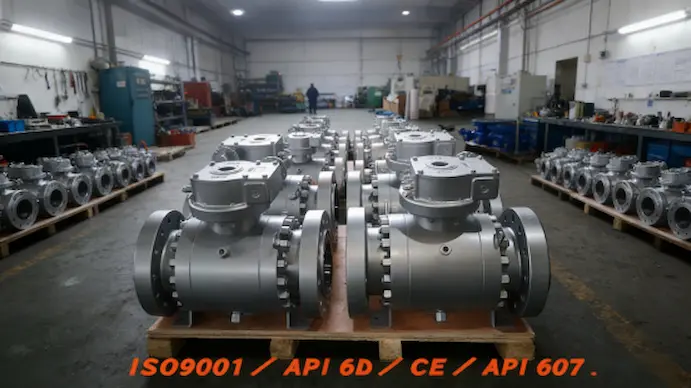
Learn how ball valves are selected for hazardous locations involving flammable gases, vapors, combustible dust, corrosive media, high pressure, or fire-risk service. This guide explains fire-safe ball valve design, anti-static structure, material selection, soft-seat and metal-seat limitations, explosion-proof electric actuators, pneumatic automation, ATEX, IECEx, API 607, leakage testing, emergency shutoff requirements, and key selection factors for oil and gas, chemical processing, refineries, offshore platforms, and hazardous industrial pipeline systems.
Why Ball Valves are the Best Choice for Gases
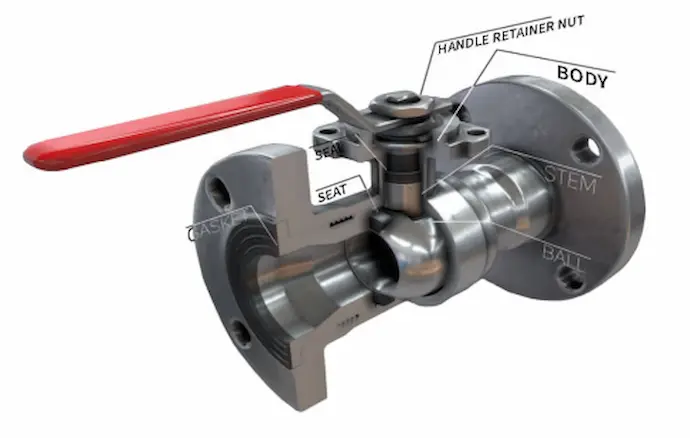
Learn why ball valves are widely used for natural gas, industrial gas, biogas, and other pressurized gas systems. The guide explains their quarter-turn operation, tight shutoff, low flow resistance, pressure capability, material options, and key selection factors for reducing leakage and maintaining safe, reliable gas isolation.
Ball Valves: Types, Uses & Buying Guide for Industrial & Home Applications
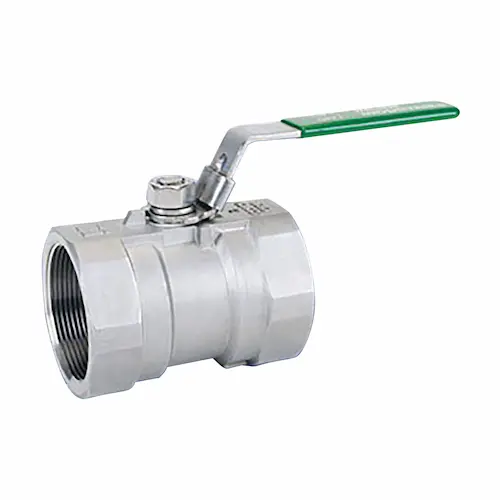
Quick Summary When it comes to controlling the flow of liquids, gases, or even solids in pipelines, ball valves stand out as one of the most reliable and versatile mechanical devices. A typical ball valve operates with a 90-degree handle rotation to open or close, aligning or blocking a ball-shaped disc’s hole with the flow path. This […]
Top 6 Applications of Ball Valves in the Oil and Gas Industry
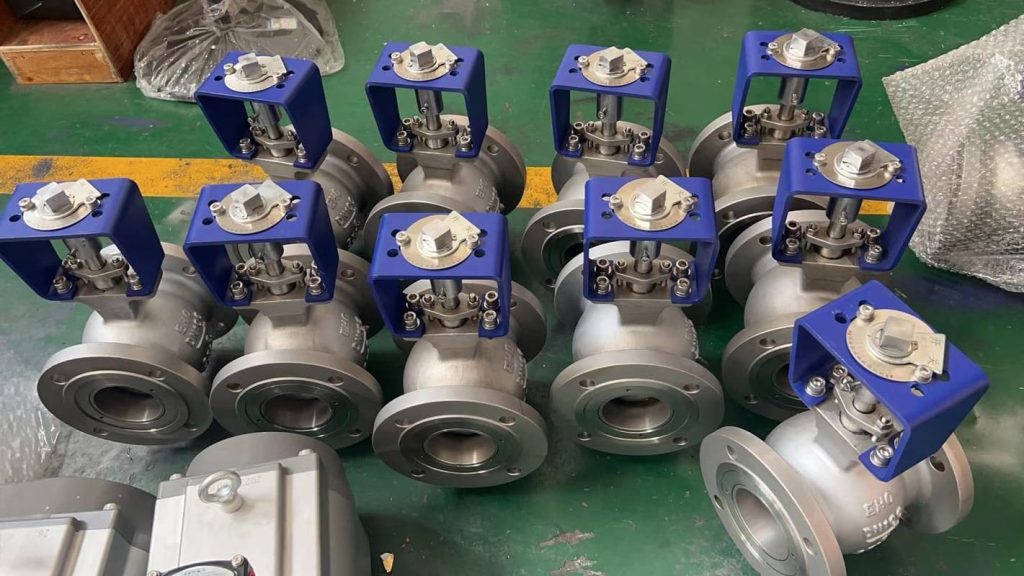
Quick Summary Ball valves are essential components in the oil and gas industry, providing efficient flow control, leak prevention, and pressure regulation. From upstream exploration to downstream refining, these valves are widely used in diverse applications, ensuring safety, reliability, and performance under demanding conditions. Imagine you’re in the heart of an oil refinery, where temperatures […]
Ball Valves vs Gate Valves: Selection Guide for Industrial Pipelines
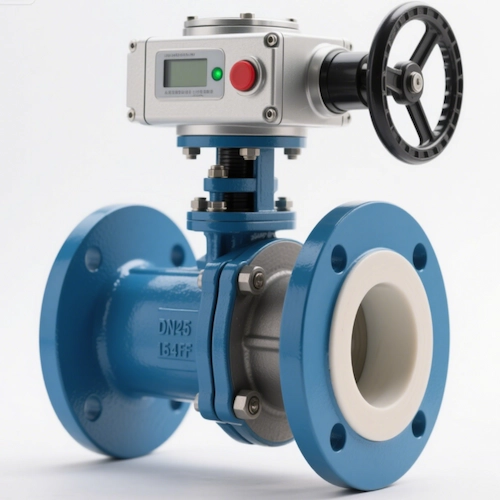
Compare ball valves vs gate valves by operation speed, sealing, pressure drop, automation, maintenance, cost and pipeline duty before RFQ.