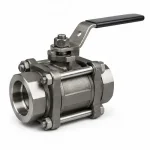
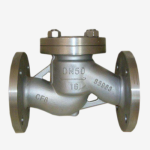
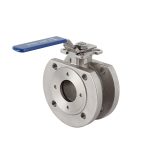
Valve trim materials are critical for industrial valve performance because the trim is often the part most directly exposed to flow velocity, pressure drop, corrosion, erosion, throttling, and sealing wear. A valve body may be suitable for the pipeline pressure, but the valve can still fail if the trim material is not compatible with the medium or service condition.
In many valve orders, buyers pay attention to the body material first, such as WCB, CF8M, WC6, WC9, duplex stainless steel, or ductile iron. However, the internal trim material can be equally important, especially for globe valves, control valves, gate valves, check valves, ball valves, and high-temperature or corrosive service valves.
This guide explains what valve trim means, which parts are included, how common trim materials such as 13Cr, 304, 316, Stellite, Monel, Inconel, duplex, and hardfacing are selected, and what buyers should confirm before ordering.
For broader valve material selection, read our valve material selection guide. For seat and sealing material selection, read our valve seat materials guide.
What Is Valve Trim?
Valve trim refers to the internal parts of a valve that are exposed to the flow medium and are directly involved in controlling flow, sealing, guiding movement, or resisting wear. The exact trim parts depend on valve type and design.
Valve trim may include:
- Stem
- Disc
- Ball
- Gate or wedge
- Plug
- Seat ring
- Control valve plug and cage
- Guide parts
- Bushing
- Check valve disc, plate, hinge pin, or spring
- Hardfaced sealing surfaces
Not every valve uses the same trim definition. For example, a ball valve trim may include the ball and stem, while a globe control valve trim may include the plug, seat ring, cage, stem, guide, and related internal parts.
Valve Body Material vs Valve Trim Material
Valve body material and valve trim material are not the same. The body contains pressure and connects the valve to the pipeline. The trim controls flow, sealing, movement, wear resistance, and medium contact inside the valve.
| Item | Valve Body Material | Valve Trim Material |
|---|---|---|
| Main Function | Pressure-containing shell | Flow control, sealing, guiding, wear resistance |
| Common Parts | Body, bonnet, cover | Stem, disc, ball, plug, seat ring, cage, guide |
| Common Materials | WCB, LCB, CF8, CF8M, WC6, WC9, ductile iron, duplex | 13Cr, SS304, SS316, Stellite, Monel, Inconel, duplex, hardfacing |
| Main Risk | Pressure failure, corrosion, cracking | Leakage, erosion, galling, corrosion, cavitation damage, seat wear |
| Selection Focus | Pressure, temperature, medium, project standard | Medium, flow velocity, pressure drop, erosion, corrosion, sealing requirement |
Why Valve Trim Material Selection Matters
Valve trim is often exposed to higher flow velocity than the valve body. In throttling service, the trim may also face pressure drop, turbulence, flashing, cavitation, erosion, and vibration. For shutoff valves, the sealing surface must resist wear and corrosion to maintain tight closure.
Wrong trim material can cause:
- Seat leakage
- Stem corrosion
- Disc or plug erosion
- Galling between moving parts
- Cavitation damage
- Loss of shutoff performance
- Unstable flow control
- Short maintenance interval
- Unexpected valve failure
Common Valve Trim Materials
13Cr Valve Trim
13Cr stainless trim is commonly used in many carbon steel valves for general water, oil, gas, steam, and industrial service. It provides better corrosion and wear resistance than plain carbon steel trim in many normal conditions.
13Cr trim may be used for:
- General carbon steel gate valves
- Globe valves for steam or utility service
- Check valve discs and seats
- Oil, gas, and water service
- Moderate temperature industrial service
13Cr trim is not a universal solution for severe corrosion, seawater, strong acid, high-chloride service, or severe throttling. Stainless steel, hardfaced, duplex, Monel, Inconel, or other special materials may be required.
SS304 Valve Trim
SS304 trim is used where general stainless steel corrosion resistance is required. It may be selected for clean water, mild chemical service, food-related systems, air, and general stainless process applications.
SS304 trim may be suitable for:
- Clean water
- Air and non-corrosive gas
- Mild chemical service
- General stainless steel process lines
- Applications where 304-type corrosion resistance is acceptable
SS304 trim should be reviewed carefully in chloride-containing service. If the medium contains chlorides or the project requires 316-type material, SS316 or CF8M-related trim may be more suitable.
SS316 Valve Trim
SS316 trim is selected when better corrosion resistance is required than SS304. The molybdenum content in 316 stainless steel improves resistance in many chloride-containing and chemical environments.
SS316 trim may be used for:
- Chemical processing
- Chloride-containing water
- Wastewater with higher corrosion risk
- Marine and coastal applications
- 316 stainless steel valve assemblies
- Applications where CF8M body material is specified
SS316 trim is stronger than SS304 for many corrosive services, but it is not enough for all severe acids, high-temperature chloride service, seawater, or aggressive chemical media. Duplex, Monel, Inconel, titanium, PTFE lining, or other solutions may be required.
Stellite Hardfaced Trim
Stellite hardfacing is commonly used on valve sealing surfaces where wear resistance, erosion resistance, high-temperature performance, or severe-service durability is required. It is often applied to seat rings, discs, plugs, wedges, or control valve trim surfaces.
Stellite hardfacing may be selected for:
- Steam service
- High-temperature service
- Throttling service
- Globe valves and control valves
- Metal seated gate valves
- Severe erosion or wear conditions
- Applications requiring hardfaced sealing surfaces
Stellite trim should be selected according to valve type, leakage requirement, pressure drop, temperature, and medium compatibility. It may increase cost and manufacturing complexity, but it can significantly improve durability in suitable applications.
Monel Valve Trim
Monel trim is used in selected corrosive environments, especially where nickel-copper alloy performance is required. It may be considered for seawater, marine service, hydrofluoric acid-related applications, and selected chemical services depending on exact conditions.
Monel trim may be reviewed for:
- Marine service
- Seawater-related applications
- Selected chemical processing
- Corrosive service where stainless steel may be insufficient
- Special project specifications requiring nickel-copper alloy trim
Monel should not be selected only by name. Buyers should confirm the exact alloy grade, medium composition, temperature, pressure, and project requirements.
Inconel Valve Trim
Inconel trim is used in demanding high-temperature, corrosive, and severe-service applications. It may be selected where stainless steel, 13Cr, or standard alloy trim cannot provide enough corrosion or temperature performance.
Inconel trim may be considered for:
- High-temperature corrosive service
- Severe chemical processing
- High-performance control valve trim
- Oil and gas severe service
- Applications requiring nickel-based alloy performance
- Project-specified special alloy trim
Inconel is expensive and should be selected only when the service condition justifies it. Material certificate, PMI, and project specification requirements should be confirmed before order.
Duplex and Super Duplex Trim
Duplex and super duplex stainless steel trim may be selected for seawater, offshore, desalination, chloride-containing water, and corrosive industrial applications where standard stainless steel may not be enough.
Duplex trim may be used for:
- Seawater service
- Offshore platforms
- Desalination systems
- Chloride-containing process water
- Corrosion-resistant check valve internals
- Duplex stainless steel valve assemblies
The exact duplex grade should be confirmed in the purchase order and material certificate. Do not specify only “duplex trim” if the project requires a specific UNS or ASTM material grade.
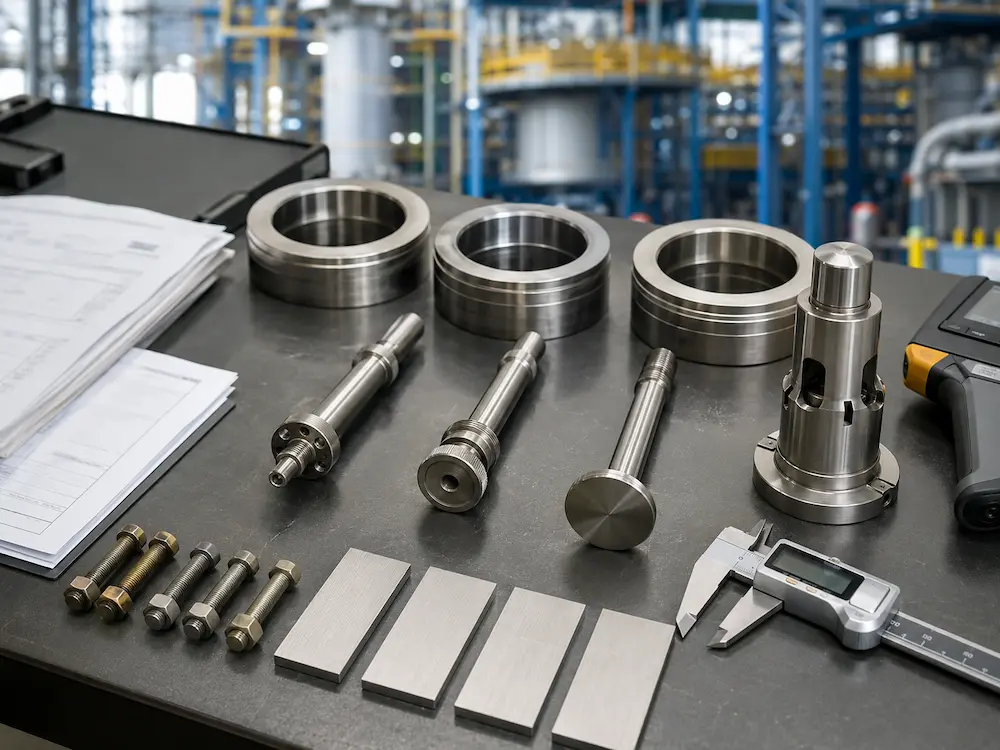
Hardfaced and Coated Trim
In severe applications, trim parts may use hardfacing, coating, or surface treatment to improve wear, erosion, corrosion, or galling resistance. This may include hardfaced seat rings, coated balls, hardfaced plugs, or special control valve trim.
Hardfaced or coated trim may be selected for:
- Abrasive slurry
- High-pressure drop service
- Severe throttling
- Cavitation risk
- Steam erosion
- Metal seated ball valves
- Control valves with high velocity flow
Hardfacing and coating should be selected according to actual service conditions, not only by generic material name. Seat leakage class, machining quality, lapping, coating thickness, and bonding quality may all affect performance.
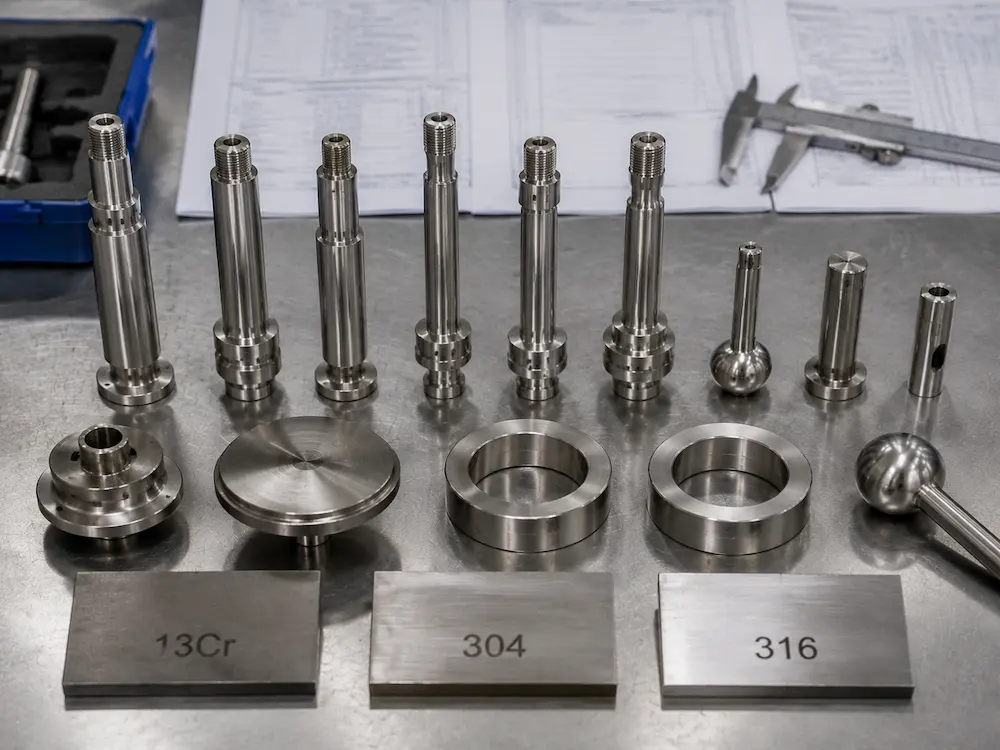
Valve Trim Material Comparison Table
| Trim Material | Main Strength | Common Use | Main Caution |
|---|---|---|---|
| 13Cr | General stainless trim for many industrial valves | Carbon steel gate, globe, check valves | Not enough for severe corrosion or high-chloride service |
| SS304 | General stainless corrosion resistance | Clean water, mild chemical, general process service | Limited chloride resistance compared with 316 |
| SS316 | Better corrosion resistance than 304 in many services | Chemical, wastewater, chloride-containing service | Still not suitable for all severe chemicals or seawater |
| Stellite | Hardfacing for wear, erosion, and high-temperature service | Steam valves, control valves, globe valves, metal seats | Higher cost and requires correct application |
| Monel | Nickel-copper alloy corrosion resistance | Marine and selected chemical service | Exact alloy and compatibility must be checked |
| Inconel | High-temperature and severe corrosion resistance | Severe service, high-temperature chemical, special process valves | High cost and strict documentation requirements |
| Duplex / Super Duplex | Strength and chloride corrosion resistance | Seawater, offshore, desalination, chloride service | Exact grade, PMI, and MTC should be confirmed |
| Hardfaced / Coated Trim | Improved wear, erosion, and galling resistance | Severe throttling, abrasive media, metal seated valves | Leakage class and coating quality must be reviewed |
Trim Material by Valve Type
Gate Valve Trim Materials
Gate valve trim may include the stem, wedge, seat ring, and sealing surfaces. Common trim options include 13Cr, SS304, SS316, Stellite hardfacing, Monel, or special alloys depending on medium and temperature.
For general carbon steel gate valves, 13Cr trim is common. For corrosive service, stainless steel, duplex, Monel, or other special trim may be required. For high-temperature or severe shutoff service, hardfaced sealing surfaces may be selected.
Globe Valve Trim Materials
Globe valves often experience throttling, high velocity, and pressure drop near the seat and disc. Trim material is very important for globe valves because erosion and seat wear can directly affect shutoff and flow control.
Common globe valve trim options include 13Cr, SS304, SS316, Stellite hardfacing, and special alloys. For steam and high-temperature service, Stellite hardfaced trim and graphite packing are often reviewed.
Control Valve Trim Materials
Control valve trim selection is more demanding because the trim controls flow continuously. Plug, seat ring, cage, guide, and stem materials must be selected according to pressure drop, cavitation, flashing, erosion, corrosion, temperature, and leakage class.
For severe service control valves, Stellite, hardened stainless steel, Monel, Inconel, duplex, or special trim designs may be required. Anti-cavitation and low-noise trim may also be needed depending on service conditions.
For control valve options, buyers can review Vcore Valve’s control valve solutions.
Check Valve Trim Materials
Check valve trim may include the disc, plate, hinge pin, spring, shaft, and seat ring. In pump discharge service, trim must resist impact, flow reversal, wear, and pressure surge. For corrosive media, all wetted parts must be reviewed carefully.
For check valve selection, read our industrial check valves selection guide.
Ball Valve Trim Materials
Ball valve trim may include the ball, stem, seat support components, and sometimes metal sealing surfaces. Common ball materials include SS304, SS316, duplex, Monel, Inconel, coated ball, or hardfaced ball depending on service.
For metal seated ball valves, trim hardness, coating, lapping, and seat material are important. For chemical soft-seated ball valves, ball and stem corrosion resistance must be checked together with PTFE, RPTFE, PEEK, or other seat materials.
Butterfly Valve Trim Materials
Butterfly valve trim may include the disc, shaft, seat, and sealing edge. Common disc materials include ductile iron with coating, stainless steel, duplex stainless steel, bronze, or special alloys. Shaft material must be checked for corrosion and mechanical strength.
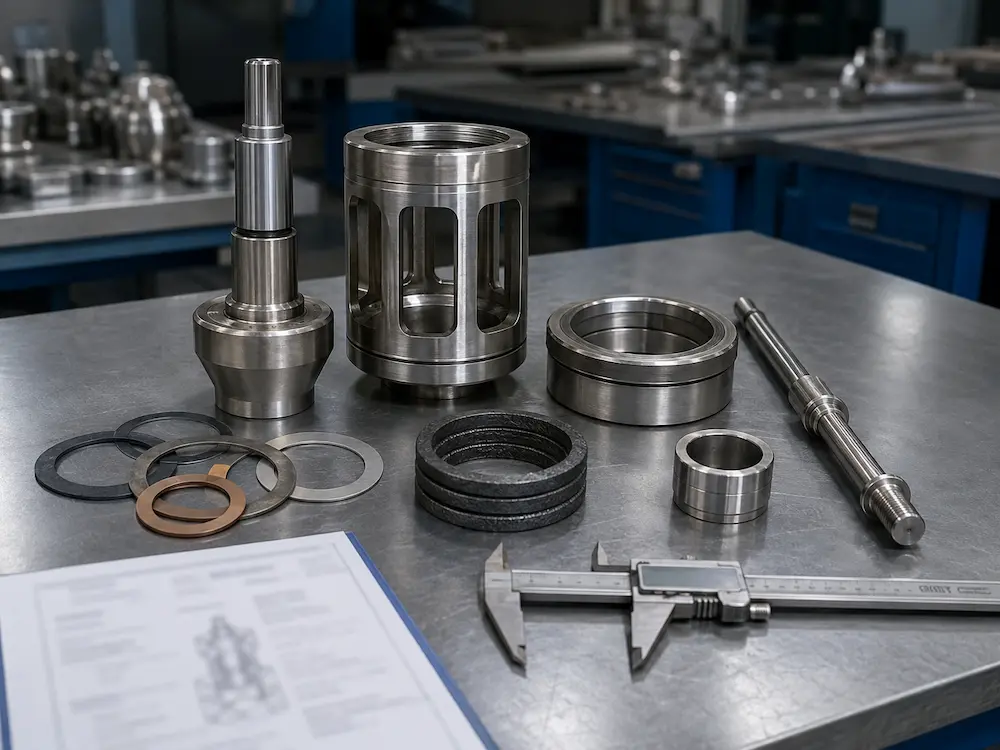
Trim Material by Service Condition
Water and Wastewater Service
For clean water and general wastewater, 13Cr, SS304, SS316, coated ductile iron, or rubber-lined structures may be used depending on valve type. If the medium contains chlorides, chemicals, or solids, stronger corrosion or abrasion resistance may be required.
Steam and High-Temperature Service
Steam service often requires trim materials that can resist heat, erosion, and sealing wear. 13Cr, stainless steel, Stellite hardfacing, graphite packing, and metal seats are common options depending on pressure and temperature.
For high-temperature body material selection, read our WC6 vs WC9 valve material guide.
Chemical Processing
Chemical service requires trim compatibility with the process fluid. SS316, duplex, Monel, Inconel, PTFE-lined structures, or other special materials may be needed depending on chemical concentration, temperature, pressure, and corrosion risk.
For chemical valve selection, read our industrial valves for chemical processing guide.
Oil and Gas Service
Oil and gas valves may require 13Cr, stainless steel, Stellite, Monel, Inconel, or other project-specified trim depending on pressure, temperature, sour service, erosion, sand content, and fire-safe requirements.
Slurry and Abrasive Service
Slurry service requires trim materials that can resist abrasion and erosion. Hardfaced trim, coated trim, rubber-lined structures, ceramic options, or special alloy trim may be reviewed depending on particle size, solids concentration, velocity, and pressure.
Seawater and Chloride Service
For seawater and chloride-containing service, SS316 may be better than SS304, but duplex, super duplex, Monel, or other special materials may be needed for more severe conditions. Spring, pin, stem, bolting, and seat materials should also be checked.
Hardfacing, Coating and Surface Treatment
Trim material selection is not only about base metal. In many valves, the surface condition is equally important. A hardfaced sealing surface can provide better wear resistance than the base material alone.
Hardfacing may be used on:
- Seat rings
- Gate or wedge sealing surfaces
- Globe valve discs
- Control valve plugs
- Metal seated ball valve balls
- Check valve discs
- Severe-service trim components
Buyers should confirm hardfacing material, thickness if required, machining quality, lapping requirement, leakage class, and inspection method before ordering.
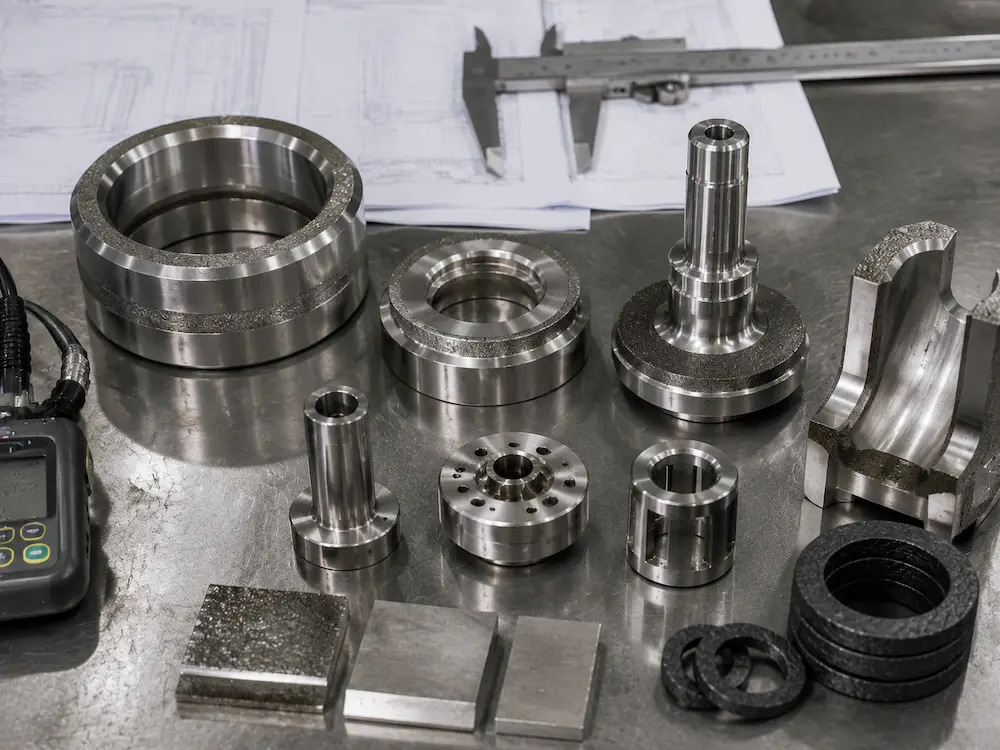
Valve Trim Material and Leakage Class
Trim material affects sealing performance, but leakage class also depends on valve design, seat structure, machining accuracy, lapping quality, actuator force, pressure differential, and test standard.
Soft seats can often provide tighter shutoff in suitable clean service. Metal seats and hardfaced seats are selected for higher temperature, abrasion, pressure, or severe service, but buyers should confirm leakage class before ordering.
For the differences between Class IV, Class V and Class VI, including metal-seat, soft-seat, actuator force and test conditions, see our Control Valve Leakage Classes Guide.
For seat material selection, read our valve seat materials guide.
Valve Trim Material Certificate and PMI
For project orders, buyers may require material certificates for trim parts, especially when the trim is stainless steel, duplex, Monel, Inconel, or another special alloy. PMI may also be required to verify alloy composition.
Buyers should check:
- Exact trim material grade
- Whether trim material is shown in the datasheet
- Which trim parts require MTC
- Whether PMI is required
- Whether hardfacing material needs verification
- Whether the trim material matches the purchase order
- Whether the trim material is suitable for the medium and temperature
For documentation details, read our valve certificates and quality documents guide.
Common Mistakes When Selecting Valve Trim Materials
Mistake 1: Selecting Only the Body Material
A correct body material does not guarantee valve performance. The trim may fail earlier than the body if it is exposed to corrosion, erosion, throttling, or high velocity.
Mistake 2: Using Standard 13Cr Trim for Severe Service
13Cr is common for many general services, but it may not be suitable for severe corrosion, chloride service, abrasive media, or demanding control valve applications.
Mistake 3: Ignoring Pressure Drop and Velocity
High pressure drop and high velocity can damage trim parts through erosion, cavitation, flashing, or vibration. This is especially important for globe valves and control valves.
Mistake 4: Assuming Stellite Solves Every Wear Problem
Stellite hardfacing is useful in many wear and high-temperature applications, but it must still match the medium, valve design, leakage requirement, and manufacturing process.
Mistake 5: Ignoring Spring, Pin and Guide Materials
In check valves and control valves, smaller internal parts such as springs, pins, bushings, and guides can fail if they are not compatible with the medium.
Mistake 6: Not Confirming Trim Scope
The word “trim” can mean different parts for different valve types. Buyers should confirm exactly which parts are included in the trim material specification.
How to Choose Valve Trim Materials
| Selection Question | Why It Matters | Typical Direction |
|---|---|---|
| What is the medium? | Determines corrosion compatibility | 13Cr, SS304, SS316, duplex, Monel, Inconel, lined structure |
| Is the valve throttling? | Throttling increases velocity and erosion risk | Hardfaced trim, Stellite, control valve trim review |
| Is pressure drop high? | May cause cavitation, flashing, or erosion | Special control valve trim, hardfacing, anti-cavitation design |
| Is temperature high? | Soft or standard materials may lose performance | 13Cr, SS316, Stellite, alloy trim, graphite sealing |
| Is the medium abrasive? | Abrasion can destroy trim surfaces | Hardfaced trim, coated trim, rubber lining, ceramic, special alloys |
| Is chloride present? | Chlorides can attack unsuitable stainless materials | SS316, duplex, super duplex, Monel, special alloys |
| Is tight shutoff required? | Sealing surface quality and seat material matter | Confirm leakage class, seat type, hardfacing, lapping quality |
Information Buyers Should Provide Before Quotation
- Valve type and size
- Valve pressure class
- Body material
- Required trim material if specified
- Medium name and chemical composition
- Operating pressure and design pressure
- Operating temperature and design temperature
- Whether throttling or frequent operation is required
- Pressure drop across the valve
- Whether cavitation, flashing, erosion, or slurry is possible
- Required leakage class
- Seat material and gasket material requirements
- Whether hardfacing is required
- Whether MTC, PMI, or third-party inspection is required
- Project specification or datasheet if available
Related Valve Material Guides
- Valve Material Selection Guide — main guide for valve body, trim, seat, seal, gasket, and bolting material selection.
- 304 vs 316 Stainless Steel Valves — explains stainless steel material selection including CF8 and CF8M.
- WC6 vs WC9 Valve Material — explains alloy steel body material selection for high-temperature service.
- Control Valve Solutions — product and application overview for flow regulation and process control valves.
Final Recommendations for Industrial Buyers
Valve trim material selection should not be treated as a small detail. In many applications, the trim experiences the most severe flow, pressure drop, erosion, corrosion, and sealing stress. A valve with the right body material can still leak or fail early if the trim material is wrong.
For general industrial service, 13Cr, SS304, or SS316 trim may be suitable depending on the medium. For steam, throttling, high-temperature, or wear service, Stellite or hardfaced trim may be required. For seawater, chloride, chemical, or severe corrosion service, duplex, Monel, Inconel, or other special materials may be needed.
If you need help selecting valve trim materials for gate valves, globe valves, control valves, check valves, ball valves, butterfly valves, steam valves, chemical valves, or severe-service valves, Vcore Valve can review your medium, pressure, temperature, flow condition, leakage requirement, and project specification.
For industrial sourcing, the key question is not only “What is the valve body material?” The better question is: “Are the stem, disc, ball, plug, seat ring, cage, spring, hardfacing, and sealing surfaces suitable for the exact service condition?”
FAQ
1. What are valve trim materials?
Valve trim materials are the materials used for internal valve parts such as stem, disc, ball, plug, gate, seat ring, cage, guide, spring, or hardfaced sealing surfaces depending on valve type.
2. What is 13Cr trim used for?
13Cr trim is commonly used in many carbon steel industrial valves for general water, oil, gas, steam, and utility service. It provides better corrosion and wear resistance than plain carbon steel trim in many normal conditions.
3. When should Stellite trim be used?
Stellite hardfaced trim is usually selected for high-temperature, steam, throttling, erosion, wear, or severe-service applications where standard stainless trim may wear too quickly.
4. Is valve trim the same as valve seat?
No. The seat may be part of the trim in some valve types, but trim can also include stem, disc, ball, plug, cage, guide, spring, or other internal parts. Buyers should confirm the trim scope clearly.
5. Which trim material is best for chemical service?
Chemical service may require SS316, duplex, Monel, Inconel, PTFE-lined structures, or other special materials depending on chemical type, concentration, temperature, pressure, and corrosion risk.
6. Do valve trim materials need certificates?
For project orders or critical service, buyers may require material certificates, PMI inspection, or traceability for trim parts, especially when stainless steel, duplex, Monel, Inconel, or special alloy trim is specified.