
Product Overview
| Product Name | NBR Lined Valve |
|---|---|
| Lining Material | NBR / nitrile rubber |
| Main Function | Internal body protection and resilient sealing in suitable oil-containing media |
| Common Valve Types | Butterfly valve, check valve, gate valve, ball valve or project-specific lined valve |
| Body Material | Ductile iron, cast iron, cast steel, carbon steel or stainless steel |
| Typical Applications | Oily wastewater, industrial water, pump discharge, cooling water with oil traces and selected hydrocarbon-containing service |
| Operation Options | Manual, gearbox, pneumatic actuator or electric actuator depending on valve type |
| Key Selection Factors | Oil content, chemical composition, pressure, temperature, solids content, valve type and installation position |
What Is an NBR Lined Valve?
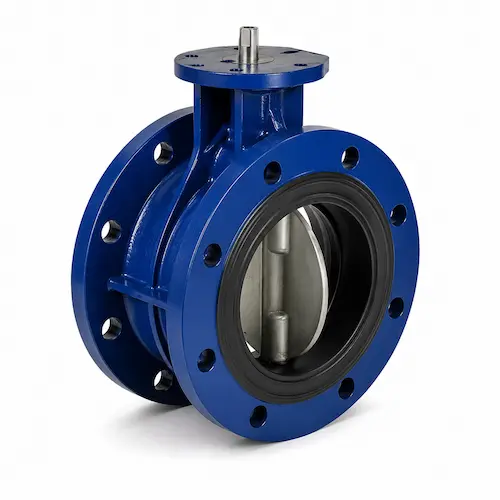
An NBR lined valve is a valve with nitrile rubber lining applied to the internal flow-contacting area. The purpose of the lining is to reduce direct contact between the medium and the metal valve body. In many industrial water systems, the medium may contain oil, grease, process residue or mixed wastewater. In these cases, NBR may be more suitable than EPDM or natural rubber.
NBR lined valves are not limited to one valve structure. Depending on the pipeline function, the NBR lining can be used in butterfly valves, check valves, gate valves, ball valves or customized lined valve designs. The correct valve type should be selected according to whether the pipeline needs shutoff, backflow prevention, flow control or slurry handling.
For general comparison between rubber lining and stronger chemical lining options, you can also read our guide on PTFE lined valve vs rubber lined valve.
 Why NBR Is Used for Oily Wastewater
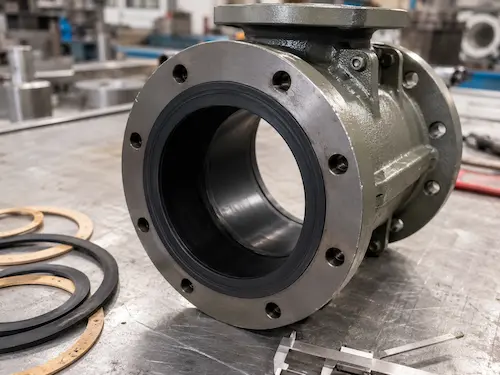 Why NBR Is Used for Oily Wastewater
Oily wastewater can be difficult for standard rubber materials. Some rubber compounds may swell, soften or lose sealing performance when exposed to oil or hydrocarbon-containing media. NBR is commonly used where oil resistance is required, making it a practical lining option for many industrial wastewater and process water systems.
This does not mean NBR is suitable for every oil or chemical condition. The actual oil type, concentration, temperature, cleaning chemicals and operating pressure should be checked before selection. If the medium contains strong solvents, aggressive chemicals or high temperature, another lining or valve material may be required.
Main Advantages of NBR Lining
- Better oil resistance than EPDM and natural rubber in many suitable applications.
- Useful for oily wastewater and industrial water with oil traces or grease contamination.
- Internal body protection against direct contact with the process medium.
- Resilient sealing performance when the valve design uses NBR as the seat or liner.
- Good option for selected pump discharge lines where oil-containing water may pass through the valve.
Main Limitations of NBR Lining
- Not suitable for every solvent or chemical medium.
- Not usually selected for strong oxidizing chemicals.
- Not the best choice for outdoor ozone exposure compared with EPDM.
- High temperature can shorten rubber service life.
- Material compatibility should be checked when the wastewater contains mixed chemicals.
Main Structural Features
NBR-Lined Flow Path
The NBR lining covers the internal flow path and helps protect the valve body from the medium. This is useful in industrial water systems where oil contamination or wastewater composition may damage unprotected metal surfaces or unsuitable rubber materials.
Valve Type Based on Pipeline Function
An NBR lined valve can be supplied in different valve structures. A butterfly valve is often used for compact shutoff and larger pipe sizes. A check valve is used for backflow prevention. A ball valve provides quick shutoff and lower flow resistance in selected applications. A gate valve may be used where full-bore isolation is required.
Soft Sealing or Lined Body Protection
Depending on the valve design, NBR may work as the main soft sealing material, the internal body lining, or both. The sealing structure should be reviewed according to the valve type and service condition.
Manual or Automated Operation
The valve can be supplied with manual operation, gearbox operation, pneumatic actuator or electric actuator depending on valve size and system requirements. For automated industrial water systems, actuator torque, control signal and installation environment should be checked before selection.
Material Options
| Part | Common Options | Selection Guide |
|---|---|---|
| Body | Ductile iron, cast iron, cast steel, carbon steel, stainless steel | Select according to pressure, pipe size, installation environment and corrosion risk. |
| Lining / Seat | NBR / nitrile rubber | Used when oil resistance is required in oily wastewater or industrial water service. |
| Disc / Ball / Gate | Coated ductile iron, stainless steel, rubber-lined part or project-specific material | The moving part should match both corrosion and wear conditions. |
| Shaft / Stem | Stainless steel, alloy steel or project-specified material | Should match torque, corrosion level and operating frequency. |
| External Coating | Epoxy coating, fusion bonded epoxy or custom anti-corrosion coating | Useful for humid industrial water systems and outdoor installations. |
| Operation | Lever, gearbox, pneumatic actuator, electric actuator | Choose according to valve type, size, torque and automation requirement. |
Technical Specifications
| Specification Item | Available Options |
|---|---|
| Product Type | NBR lined valve / nitrile rubber lined valve |
| Valve Forms | Butterfly valve, check valve, gate valve, ball valve or customized lined valve |
| Lining Material | NBR / nitrile rubber |
| Nominal Size | Project-based; available according to valve type and pipeline requirement |
| Pressure Rating | PN10, PN16, Class 125, Class 150 or project-required pressure class |
| Body Material | Ductile iron, cast iron, cast steel, carbon steel or stainless steel |
| Connection Type | Wafer, lug, flanged, threaded or project-specific connection depending on valve type |
| Operation Type | Manual, gearbox, pneumatic actuator or electric actuator |
| Suitable Media | Oily wastewater, industrial process water, pump discharge water, cooling water with oil traces and selected oil-containing media |
| Not Recommended For | Strong solvents, aggressive oxidizing chemicals, high-temperature service beyond rubber limits or media incompatible with NBR |
| Testing | Shell test, seat test, lining inspection and functional test according to agreed standard |
| Documentation | Pressure test report, material certificate, inspection report, operation manual and packing photos |
Applications in Oily Wastewater and Industrial Water
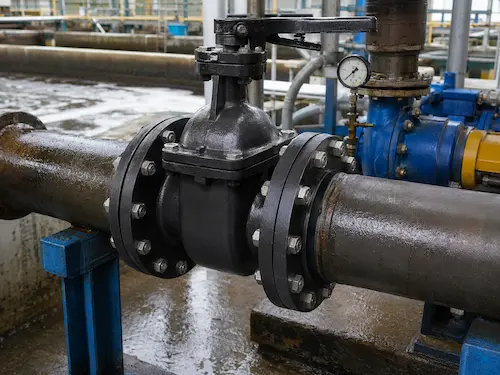 Applications in Oily Wastewater and Industrial Water
NBR lined valves are mainly used where industrial water contains oil, grease, process residue or hydrocarbon traces. These conditions may appear in manufacturing plants, wastewater treatment systems, pump discharge lines, cooling water systems, machinery drainage and selected chemical process utilities.
For broader system selection, you can review our water treatment valve solutions and chemical processing valve solutions pages.
- Oily wastewater treatment pipelines
- Industrial process water systems
- Pump discharge lines with oil-containing water
- Cooling water systems with oil contamination risk
- Machinery drainage and plant utility water
- Oil-water separation system pipelines
- Selected hydrocarbon-containing water service
- General industrial wastewater lines where NBR is compatible
Media Compatibility and Limitations
NBR is often selected because of oil resistance, but the final valve material should be based on the actual medium. Oily wastewater can contain oil, surfactants, cleaning chemicals, suspended solids, acids, alkalis or solvents. These details can affect lining performance and valve life.
| Media / Service | NBR Suitability | Important Note |
|---|---|---|
| Oily wastewater | Commonly suitable | Check oil type, concentration, temperature and cleaning chemicals. |
| Industrial process water | Often suitable | Confirm whether the water contains oil, chemicals or solids. |
| Pump discharge water with oil traces | Often suitable | Confirm pressure, temperature and flow conditions. |
| Cooling water with oil contamination risk | Conditionally suitable | Check additives, temperature and oil concentration. |
| Clean water without oil | Possible, but EPDM may be more common | EPDM is often preferred for standard water and wastewater service. |
| Strong solvents | Not generally recommended | PTFE or another lining material may be required. |
| Strong oxidizing chemicals | Not generally recommended | Review chemical compatibility before selection. |
NBR vs EPDM vs Natural Rubber vs PTFE Lining
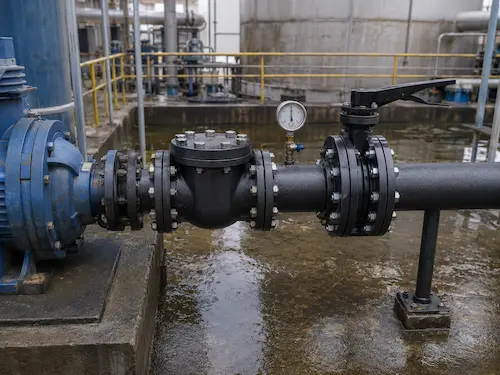
Different lining materials are used for different service conditions. The correct material depends on whether the main challenge is oil resistance, water compatibility, abrasion resistance or chemical resistance.
| Lining Material | Main Strength | Main Limitation | Typical Use |
|---|---|---|---|
| NBR | Oil resistance and suitability for selected oily wastewater | Not ideal for strong solvents, ozone exposure or some aggressive chemicals | Oily wastewater, industrial water, pump discharge with oil traces |
| EPDM | Good for water, wastewater, ozone and outdoor service | Not suitable for oil and many hydrocarbons | Water treatment, wastewater, cooling water |
| Natural Rubber | Good abrasion resistance in selected wet slurry service | Limited chemical and oil resistance | Mining slurry, tailings, abrasive wastewater |
| PTFE | Broad chemical resistance | Higher cost and different wear behavior than rubber linings | Corrosive chemical service, acids, alkalis and solvents |
If the pipeline contains mixed chemicals, oils or corrosive media, our anti-corrosion valve materials guide can help you compare different valve material systems.
Valve Type Selection for NBR Lining
| Valve Type | Typical Function | When to Use |
|---|---|---|
| NBR Lined Butterfly Valve | Shutoff or general flow control | Useful for larger industrial water pipelines and compact installation. |
| NBR Lined Check Valve | Backflow prevention | Used in pump discharge lines and one-way flow systems. |
| NBR Lined Ball Valve | Quick shutoff | Used where low flow resistance and reliable isolation are required. |
| NBR Lined Gate Valve | Full-bore isolation | Used when the system requires low pressure drop in fully open position. |
For related lined product structures, you can compare our rubber lined butterfly valve and rubber lined ball valve pages.
Inspection, Testing and Packing
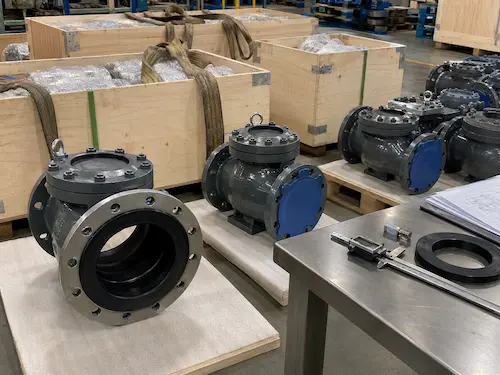
For NBR lined valves, inspection should focus on lining condition, sealing surface, dimensions, operation and test performance. Since the lining is a functional part of the valve, it should be protected during handling, installation and transport.
| Inspection Item | Purpose |
|---|---|
| Visual lining inspection | Check NBR lining surface, bonding condition, edge finishing and visible defects. |
| Dimension inspection | Confirm valve size, flange drilling, face-to-face dimension and installation compatibility. |
| Operation test | Check smooth opening and closing without abnormal friction or excessive torque. |
| Shell test | Verify valve body pressure integrity according to the agreed standard. |
| Seat test | Check sealing performance under specified test conditions. |
| Packing inspection | .ts before shipment. |
Export packing can include protective flange covers, moisture-resistant wrapping, plywood cases, reinforced crates and palletized loading. Rubber-lined areas should not be scratched, compressed or exposed to sharp metal parts during transport.
Information to Confirm Before Ordering
- Valve type and pipeline function
- Valve size and quantity
- Working pressure and temperature
- Oil type and oil concentration in the wastewater
- Other chemicals, cleaning agents or solvents in the medium
- Solids content or particle size if applicable
- Flange standard and face-to-face dimension
- Body material, internal part material and NBR lining requirement
- Manual, pneumatic or electric operation requirement
- Testing documents, packing method and delivery schedule
FAQ
1. What is an NBR lined valve used for?
An NBR lined valve is used for oily wastewater, industrial process water, pump discharge lines and selected oil-containing media. The NBR lining helps protect the valve body and provides better oil resistance than EPDM or natural rubber in suitable service conditions.
2. Is NBR better than EPDM for oily wastewater?
Yes, NBR is usually a better choice than EPDM when the medium contains oil, grease or selected hydrocarbons. EPDM is commonly used for water and wastewater, but it is generally not recommended for oil-containing media.
3. Can NBR lined valves be used for clean water?
NBR lined valves can be used in some clean water systems, but EPDM is often more common for standard water service. NBR is mainly selected when oil resistance is required or when the water may contain oil contamination.
4. What media should not use NBR lining?
NBR lining is generally not recommended for strong solvents, aggressive oxidizing chemicals or high-temperature service beyond the rubber limit. If the wastewater contains mixed chemicals, the full medium composition should be reviewed before selection.
5. What information is needed for an NBR lined valve quotation?
For quotation, it is recommended to provide valve type, size, pressure rating, temperature, oil content, chemical composition, flange standard, body material, operation method, quantity and required testing documents. These details help confirm whether NBR is suitable for the actual service condition.