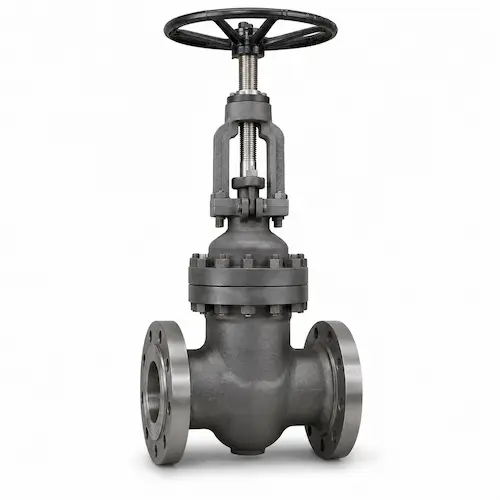
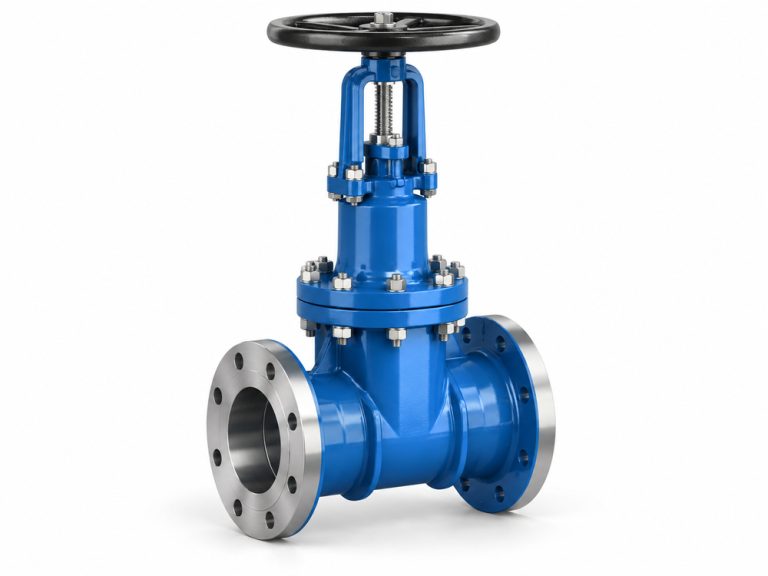
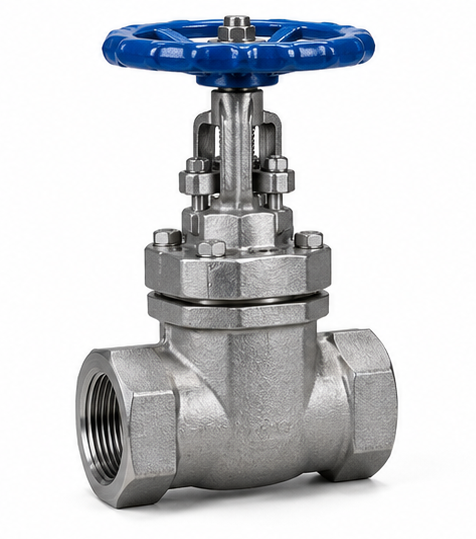
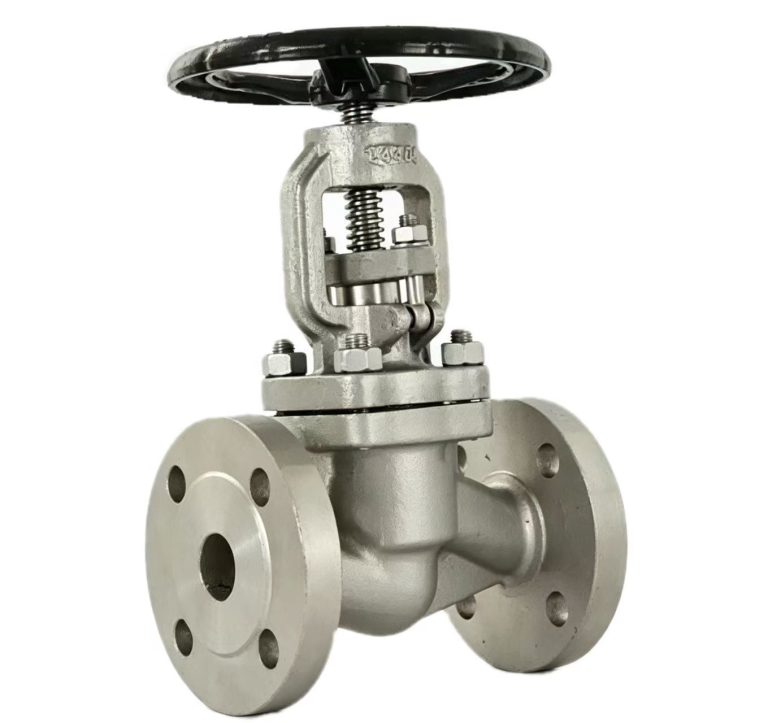
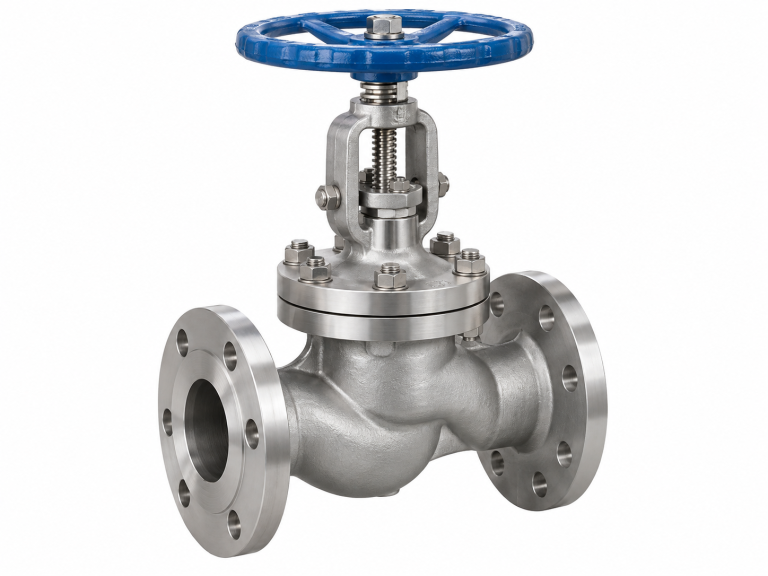
This valve should be treated as a high-pressure isolation valve, not as a throttling valve. It is commonly reviewed for main steam lines, boiler feedwater isolation, power plant auxiliary lines, refinery high-pressure systems and high-temperature process pipelines where reliable shut-off and bonnet sealing performance are important.
Built for High Pressure Shut-Off, Not Continuous Throttling
A pressure seal gate valve is mainly selected for full-open or full-closed isolation. It is not intended for continuous throttling service. When a gate valve is operated at a partially open position under high pressure drop, the wedge and seat surfaces may suffer vibration, wire drawing, erosion or unstable sealing performance.
For high pressure steam or process lines, this distinction matters. If the service requires continuous flow regulation, a control valve or globe valve should be reviewed instead. If the service requires high pressure isolation with low flow resistance in the fully open position, a pressure seal gate valve can be a suitable choice after confirming the actual pressure, temperature, medium and project standard.
 How the Pressure Seal Bonnet Works
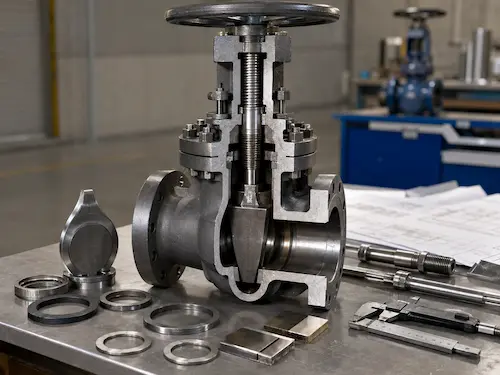 How the Pressure Seal Bonnet Works
The pressure seal bonnet is the core feature of this valve. In a bolted bonnet valve, the bonnet gasket is compressed mainly by external bolting. In a pressure seal valve, the bonnet sealing arrangement is designed so that internal pressure helps load the sealing area.
As internal pressure increases, the pressure seal gasket is energized against the bonnet and body sealing surfaces. This design is commonly used in high pressure service because the sealing force can increase with line pressure when the valve is correctly manufactured and assembled.
The pressure seal system must be selected and assembled carefully. Important details include gasket material, bonnet sealing surface finish, body cavity geometry, pressure seal ring condition, bolt loading, material compatibility and inspection before shipment.
What Parts Matter Most in a Pressure Seal Gate Valve?
For a pressure seal gate valve, buyers should not look only at valve size and pressure class. The sealing structure, wedge design, seat material and stem arrangement directly affect service reliability.
| Key Part | Why It Matters | What Buyers Should Confirm |
|---|---|---|
| Pressure Seal Bonnet | Provides bonnet sealing under high internal pressure | Pressure seal structure, gasket material and assembly quality |
| Wedge / Disc | Controls shut-off between the two seat surfaces | Flexible wedge, solid wedge or project-specified wedge design |
| Seat Rings | Provide sealing surface for the wedge | Welded, threaded or integral seat design according to valve construction |
| Stem | Transfers handwheel, gear or actuator movement to the wedge | Rising stem design, material, thread condition and backseat requirement |
| Body Material | Must match pressure-temperature and medium conditions | Carbon steel, alloy steel, stainless steel or project-specified material |
| End Connection | Determines installation method and piping compatibility | Butt weld, flanged or pressure-class-specific connection standard |
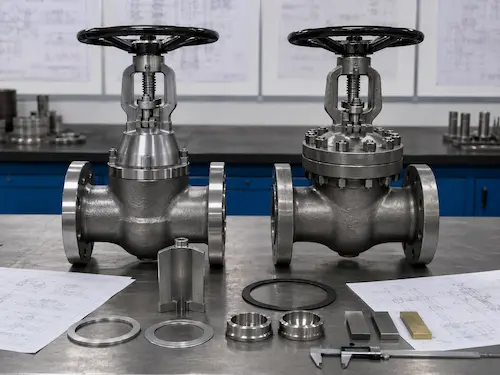
Pressure Seal Gate Valve vs Bolted Bonnet Gate Valve
Pressure seal gate valves and bolted bonnet gate valves are both used for pipeline isolation, but their bonnet sealing concepts are different. The pressure seal design is usually reviewed for higher pressure applications, while bolted bonnet gate valves are common in many general industrial services.
| Selection Question | Pressure Seal Gate Valve | Bolted Bonnet Gate Valve |
|---|---|---|
| Where is it usually considered? | High pressure steam, power plant and high temperature process lines | General industrial isolation service within suitable pressure-temperature limits |
| How is the bonnet sealed? | Internal pressure helps energize the pressure seal gasket | Bonnet gasket is compressed mainly by bolting |
| What is the main selection concern? | Pressure seal gasket, bonnet sealing surface, high pressure material and assembly quality | Bonnet gasket, bolt loading, body-bonnet joint and general sealing condition |
| What applications fit better? | Power plant steam, boiler, high pressure water and severe pressure-temperature service | Water, oil, gas, steam and general process isolation where bolted bonnet design is suitable |
For general gate valve selection and standards, review our API 600 Gate Valve Guide. For other gate valve products, visit the Gate Valve category.
 Where Pressure Seal Gate Valves Are Commonly Selected
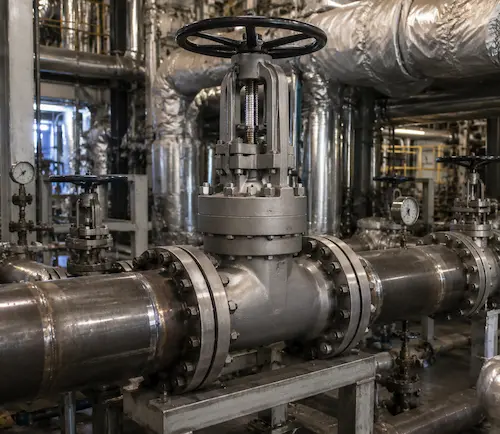 Where Pressure Seal Gate Valves Are Commonly Selected
Pressure seal gate valves are normally selected where pressure, temperature and shut-off reliability are more important than frequent operation or throttling. Typical review areas include:
- Main steam isolation lines
- Boiler outlet and high pressure steam systems
- Power plant auxiliary steam and water lines
- High pressure boiler feedwater isolation
- Refinery high pressure process pipelines
- High temperature oil, gas or process service after material review
- Power generation and thermal plant isolation service
- Industrial systems requiring pressure seal bonnet construction
For steam and power plant valve applications, review our Power Plant Valves and Power & Steam Valve Solutions.
Body, Wedge, Seat and Stem Selection
A pressure seal gate valve must be matched to the actual service condition. The body material should be selected according to pressure-temperature rating and medium. The wedge and seat materials should be reviewed according to shut-off requirement, temperature, thermal cycling and wear risk.
- Carbon steel body: commonly reviewed for suitable steam, water, oil and general high pressure service within applicable limits.
- Alloy steel body: often reviewed for high temperature steam and power plant service where alloy material is required by the project.
- Stainless steel body: reviewed for selected corrosive or clean service where stainless material is required.
- Hard-faced sealing surfaces: may be reviewed for high temperature or demanding shut-off service.
- Rising stem design: helps show valve position and is common for industrial gate valve service.
- Gear or actuator operation: may be used for larger size, higher torque or remote operation requirements.
Do not assume one material is suitable for all high pressure steam conditions. Steam temperature, pressure class, operating cycle, applicable standard and customer specification must be confirmed before final selection.
Bypass, Drain and Equalizing Requirements
Some high pressure gate valves may require bypass, drain or equalizing arrangements depending on size, pressure differential, startup condition and operating procedure. These options should be confirmed during quotation, especially for large-size or high-pressure steam applications.
- Bypass valve: may be reviewed to reduce pressure differential before opening the main valve.
- Drain connection: may be required for condensate removal, testing or system operation.
- Vent connection: may be specified for pressure release or system procedure requirements.
- Gearbox or actuator: may be required when manual operation torque is high.
These accessories should not be added casually. They must match the project datasheet, piping design and plant operating procedure.
Common Selection Mistakes
Pressure seal gate valves are often used in demanding service. A wrong specification can cause leakage, operation difficulty or shortened service life. Common mistakes include:
- Selecting the valve only by nominal size and pressure class without checking temperature.
- Using a gate valve for continuous throttling under high pressure drop.
- Ignoring required body material for high temperature steam service.
- Failing to confirm bypass or equalizing requirements for large high-pressure valves.
- Confusing bolted bonnet gate valve with pressure seal gate valve.
- Ignoring actuator or gearbox torque requirement.
- Not confirming end connection, face-to-face dimension or welding standard.
- Assuming leakage class, hard-facing or NACE requirement without project confirmation.
The safest quotation approach is to confirm the process data, piping standard, material requirement and inspection requirement before selecting the final valve configuration.
When This Valve Should Be Reviewed Carefully
A pressure seal gate valve is strong for high pressure isolation, but some conditions need extra review:
- Frequent operation or fast cycling
- Continuous throttling or partially open operation
- High differential pressure during opening
- Severe thermal cycling or rapid temperature change
- Dirty steam, scale, solid particles or erosive media
- Corrosive service requiring special alloy or stainless material
- Automated operation with high torque requirement
- Critical service requiring third-party inspection or special test documentation
Do not claim universal high temperature suitability, zero leakage, maintenance-free operation or standard compliance without matching the actual project specification.
 Inspection Focus Before Shipment
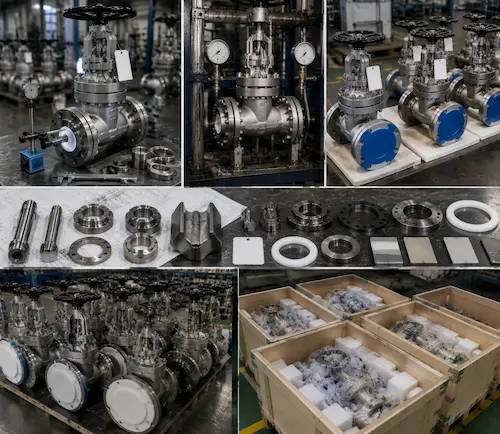 Inspection Focus Before Shipment
For pressure seal gate valves, inspection should focus on pressure-containing parts, bonnet sealing structure, wedge-seat contact, stem operation and final pressure testing.
- Check body, bonnet, wedge, seat ring and stem material certificates when required.
- Inspect the pressure seal bonnet area and gasket assembly condition.
- Check wedge and seat sealing surfaces for surface finish and contact condition.
- Verify valve opening and closing movement through full travel.
- Confirm shell pressure test and seat leakage test according to the approved inspection plan.
- Check end connection dimensions, welding ends or flange dimensions.
- Confirm bypass, drain, vent, gear operator or actuator accessories when specified.
- Check nameplate, marking, coating, packing and export protection before shipment.
Export packing should protect flange faces, butt weld ends, stem threads, handwheel, gearbox, actuator and sealing surfaces. Large pressure seal gate valves should be supported properly inside reinforced wooden cases to reduce transport vibration and coating damage.
What Buyers Should Confirm Before RFQ
To quote a pressure seal gate valve correctly, the following information should be confirmed before selection:
- Valve size and quantity
- Medium: steam, water, oil, gas or process fluid
- Operating pressure and design pressure
- Operating temperature and design temperature
- Pressure class or applicable piping standard
- Body material requirement: carbon steel, alloy steel, stainless steel or specified grade
- Wedge, seat and stem material requirement if specified
- End connection: butt weld, flanged or project-specific connection
- Operation method: handwheel, gear, electric actuator or pneumatic actuator
- Bypass, drain, vent or equalizing requirement
- Required inspection and test standard
- Material certificate, test report or third-party inspection requirement
- Special requirements such as NACE, low-temperature impact test or special painting if applicable
FAQ
What is a pressure seal gate valve used for?
A pressure seal gate valve is used for high pressure shut-off service in steam, boiler, power plant, oil, gas and high temperature industrial pipeline systems.
How is a pressure seal gate valve different from a bolted bonnet gate valve?
A pressure seal gate valve uses internal pressure to help energize the bonnet sealing area. A bolted bonnet gate valve relies mainly on bolting to compress the bonnet gasket.
Can a pressure seal gate valve be used for throttling?
It is not recommended for continuous throttling. A gate valve should normally be used in fully open or fully closed position. For flow regulation, a globe valve or control valve should be reviewed.
Where are pressure seal gate valves commonly installed?
They are commonly reviewed for main steam lines, boiler systems, high pressure feedwater isolation, power plant auxiliary lines and high pressure process pipelines.
What information is needed for quotation?
For quotation, provide valve size, quantity, medium, pressure, temperature, pressure class, body material, end connection, operation method, bypass or drain requirement, testing standard and documentation requirements.