Quick Overview
Choosing the right industrial butterfly valve requires more than confirming the pipeline size. Buyers should evaluate the working medium, operating pressure, temperature, flow requirements, valve design, connection type, body and disc materials, seat compatibility and actuation method. Concentric, double offset and triple offset butterfly valves serve different operating conditions, while wafer, lug and double-flanged designs offer different installation arrangements. This guide explains the key selection factors to help engineers and procurement professionals specify a suitable butterfly valve for their industrial applications.
Industrial butterfly valves are widely used in water treatment, chemical processing, oil and gas, power generation, HVAC, marine systems and general industrial pipelines. Their compact construction, quarter-turn operation and flexible material options make them a practical choice for many pipeline isolation and flow-control duties.
However, not every butterfly valve is suitable for every application. A valve designed for general water service may not be appropriate for corrosive chemicals, high-temperature steam or abrasive slurry. Selecting the wrong body material, seat design or connection type can lead to leakage, premature wear, installation difficulties and unnecessary maintenance costs.
For engineers, contractors and industrial buyers, the selection process should begin with actual operating conditions and project requirements. This guide explains how to choose an industrial butterfly valve by considering valve structure, connection type, materials, pressure, temperature and operation method.
1. Understand the Main Types of Industrial Butterfly Valves
Before selecting a butterfly valve, it is important to understand the differences between the main designs. Butterfly valves can be classified by their disc and seat geometry, body construction and connection arrangement.
1.1 Concentric Butterfly Valves
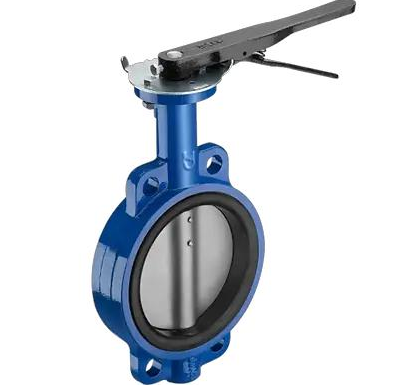
A concentric butterfly valve has a stem positioned along the centreline of the valve body and disc. The disc rotates through an elastomeric seat, maintaining contact with the seat during much of its movement.
This design is commonly used in water distribution, wastewater treatment, HVAC and general utility systems where operating conditions are compatible with resilient seat materials.
Key considerations include:
- Compatibility of the rubber seat with the working medium.
- Operating temperature and pressure limitations of the selected seat.
- Required shut-off performance and pressure direction.
- Operating torque and frequency of operation.
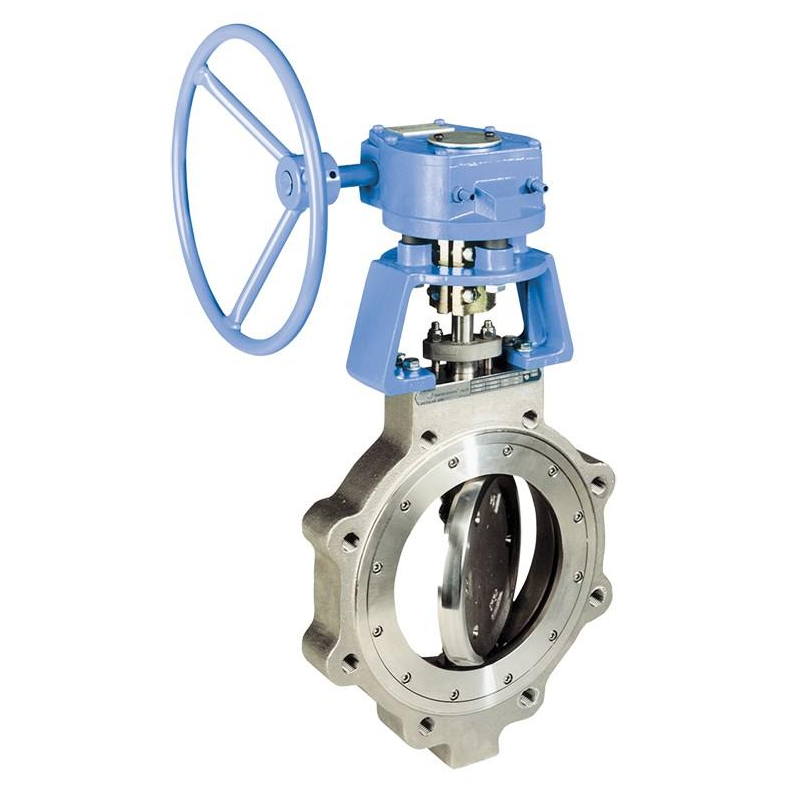
1.2 Double Offset Butterfly Valves
A double offset butterfly valve, also known as a double eccentric or high-performance butterfly valve, uses two offsets in the shaft and disc geometry. This arrangement allows the disc to move away from the seat more quickly during opening, reducing continuous friction between the sealing surfaces.
Compared with many concentric designs, double offset valves can offer reduced seat wear and lower operating torque. They are considered for water and wastewater systems, HVAC, chemical processing, oil and gas, marine applications and selected steam services.
Final suitability depends on the seat construction, pressure direction, operating temperature, body material and specified leakage requirements.
Explore the Vcore Double Offset Butterfly Valve for further product information.
1.3 Triple Offset Butterfly Valves
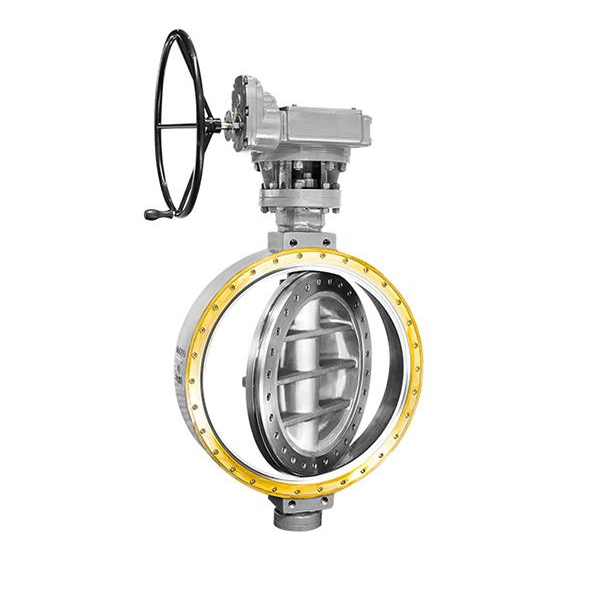
A triple offset butterfly valve adds a third angular offset to the sealing geometry. This creates a conical sealing arrangement that minimises sliding contact between the disc and seat during most of the opening and closing movement.
Triple offset designs commonly use metal-seated sealing systems and are considered for demanding isolation duties, including selected high-temperature, steam, power generation, oil and gas and chemical process applications.
Buyers should confirm the metal sealing design, leakage acceptance, pressure-temperature rating, material selection and actuator requirements for the specific model.
For more information, see the Vcore Triple Offset Butterfly Valve.
| Valve Design | Sealing Principle | Typical Applications | Key Selection Consideration |
|---|---|---|---|
| Concentric | Disc operates against a resilient seat. | Water, HVAC and utility systems. | Seat compatibility and operating limits. |
| Double Offset | Eccentric geometry reduces continuous disc-to-seat contact. | Water, chemicals, utilities and selected industrial process duties. | Seat design, pressure direction and operating conditions. |
| Triple Offset | Angular sealing geometry with minimal sliding contact. | Steam, power generation and demanding isolation duties. | Metal sealing arrangement, leakage requirements and temperature. |
2. Choose the Correct Butterfly Valve Connection Type
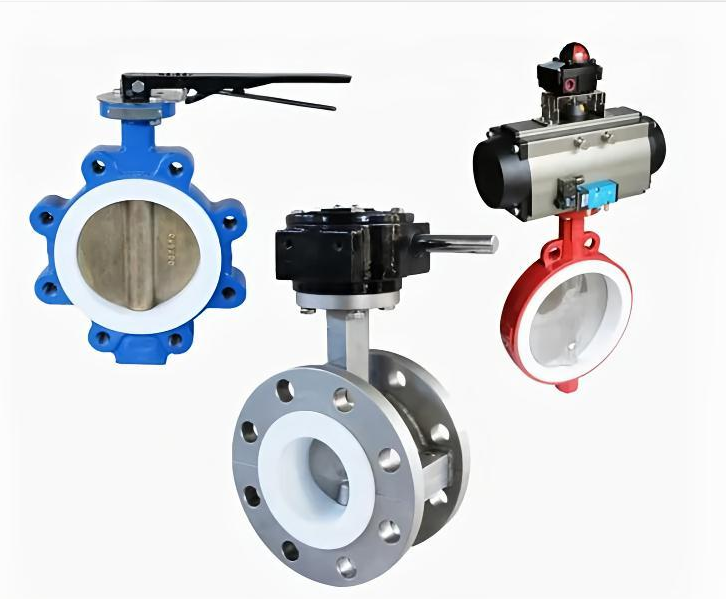
The connection arrangement determines how a butterfly valve is installed in the pipeline. Wafer, lug and double-flanged butterfly valves are common configurations, but they are not interchangeable in every installation.
2.1 Wafer Butterfly Valve
A wafer butterfly valve is installed between two mating pipeline flanges and is secured using the specified bolting arrangement. Its compact construction makes it suitable for installations where space and weight are important considerations.
Before ordering, check the flange standard, bolt arrangement, face-to-face dimensions and disc clearance within the pipeline.
2.2 Lug Butterfly Valve
A lug butterfly valve has threaded or otherwise specified mounting lugs around its body. It provides a different bolting arrangement from a wafer design and can be useful where pipeline maintenance or one-side disconnection is required.
However, not every lug butterfly valve is suitable for dead-end service. Buyers must confirm the manufacturer’s permitted installation arrangement, pressure rating and dead-end capability for the specific valve model.
2.3 Double-Flanged Butterfly Valve
A double-flanged butterfly valve has integral flanges on both sides of the body. It is frequently considered for larger pipeline installations, water distribution systems, wastewater treatment plants and industrial piping networks.
Important checks include flange drilling, pressure class, face-to-face dimensions, pipeline alignment and support requirements.
| Connection Type | Main Characteristics | Suitable Installation Considerations |
|---|---|---|
| Wafer | Compact body installed between mating flanges. | Confirm flange compatibility, bolting and disc clearance. |
| Lug | Individual mounting lugs provide a different bolting arrangement. | Confirm bolt engagement, pressure direction and dead-end rating if required. |
| Double Flanged | Integral flanges on both sides of the valve body. | Confirm flange standard, face-to-face dimensions and pipeline support. |
3. Select the Appropriate Body, Disc and Seat Materials
Material selection is one of the most important parts of butterfly valve specification. The body, disc, stem, seat and sealing components may be exposed to different mechanical, thermal and chemical conditions.
Choosing materials based only on the working medium is not sufficient. Concentration, temperature, pressure, solids content, corrosion exposure and operating frequency should also be considered.
3.1 Valve Body Materials
- Cast Iron: Commonly considered for suitable low-pressure utility and water applications. Pressure, temperature and corrosion limitations must be checked.
- Ductile Iron: Often selected for water distribution and wastewater systems where mechanical strength and cost considerations are important.
- Carbon Steel: Used in many industrial applications where mechanical strength and pressure-temperature requirements are suitable.
- Stainless Steel: Considered where corrosion resistance and compatibility with the working medium are required. The exact grade must be checked against the fluid and environment.
- Alloy Steel: May be specified for specialised operating conditions depending on the alloy composition and design requirements.
3.2 Disc Materials
The disc is directly exposed to the flowing medium. Its material should therefore be selected according to corrosion resistance, erosion risk, mechanical loading and operating conditions.
Common options include stainless steel, carbon steel with suitable protective coating, ductile iron with coating and selected alloy materials. The coating or material grade must be compatible with the actual fluid and temperature.
3.3 Seat and Lining Materials
The seat material affects sealing performance, operating torque, temperature capability and chemical compatibility.
| Seat Material | Typical Applications | Important Limitations |
|---|---|---|
| EPDM | Water and selected wastewater or utility services. | Generally unsuitable for many hydrocarbon and oil services. Confirm the fluid compatibility and temperature. |
| NBR | Selected oil and hydrocarbon-related services. | Compatibility varies with fluid composition and temperature. |
| PTFE | Selected corrosive chemical applications. | Pressure, temperature, deformation and chemical compatibility must be evaluated. |
| Metal Seat | Selected high-temperature and demanding industrial isolation duties. | Leakage acceptance, sealing surface design and operating torque require confirmation. |
For corrosive and abrasive applications, buyers may also consider lined butterfly valve designs. Vcore provides a range of rubber-lined butterfly valves and PTFE-lined configurations, subject to project requirements.
4. Confirm the Pressure and Temperature Requirements
A butterfly valve must be rated for the actual operating and design conditions of the pipeline. Nominal pressure or pressure class alone does not establish whether a valve is suitable for a particular application.
Before selecting a valve, confirm the following:
- Normal Operating Pressure: The pressure under normal operating conditions.
- Maximum Design Pressure: The maximum pressure the valve must withstand under the specified design conditions.
- Operating Temperature: The normal and maximum temperatures of the working medium.
- Pressure Direction: Whether the valve must seal against pressure from one or both directions.
- Pressure Surges: Potential transient pressure changes, including water hammer.
Industrial butterfly valves may be specified using PN pressure ratings or ASME Class designations. These rating systems should not be treated as directly interchangeable based only on their nominal numbers. The applicable pressure-temperature tables, material group, valve design and project piping standard must be reviewed.
For example, a resilient-seated butterfly valve and a metal-seated high-performance butterfly valve may have different pressure-temperature limitations even when they share the same nominal pressure designation.
For more information on transient pressure conditions, read Water Hammer in Butterfly Valves: Causes and Prevention.
5. Select the Correct Operation Method
Butterfly valves can be operated manually or fitted with an actuator for remote or automated operation. The correct choice depends on valve size, operating torque, frequency, control requirements and site conditions.
Manual Lever Operation
Lever operation is commonly used for smaller butterfly valves where operating torque is manageable and frequent automation is not required.
Gearbox Operation
A worm gear operator provides mechanical assistance for opening and closing valves where direct lever operation may require excessive force or become impractical.
Pneumatic Actuation
Pneumatic actuators are considered for automated pipelines and process systems where compressed air is available. Buyers should confirm air supply pressure, actuator torque, control accessories and required fail position.
Electric Actuation
Electric actuators are suitable for applications requiring electrical remote operation or integration with an automated control system. Confirm the power supply, control signal, enclosure protection, operating time and torque requirements.
| Operation Method | Typical Application | Selection Factors |
|---|---|---|
| Lever | Manual operation for suitable smaller valves. | Operating torque, accessibility and locking requirements. |
| Worm Gear | Manual operation of larger or higher-torque valves. | Gear ratio, handwheel access and required torque. |
| Pneumatic | Automated isolation and process systems. | Air supply, fail action, control signal and actuator sizing. |
| Electric | Remote operation and automated process control. | Voltage, control interface, enclosure protection and torque. |
6. Consider the Industrial Application
Different industries have different operating conditions. The selected butterfly valve must be matched to the actual process medium, temperature, pressure and installation requirements.
Water and Wastewater Treatment
Wafer, lug and double-flanged butterfly valves are frequently considered for water distribution, filtration systems, pump stations and wastewater pipelines. Seat material, corrosion protection, pressure rating and pipeline connection should be confirmed.
Chemical Processing
Chemical applications require careful consideration of fluid concentration, temperature and material compatibility. PTFE-lined or other chemically compatible configurations may be considered depending on the specific chemical and operating conditions.
Oil and Gas
Butterfly valves can be used in selected oil and gas utility and process applications. Buyers should verify the pressure-temperature rating, body and disc materials, seat construction, leakage acceptance and any applicable fire-safe or fugitive-emission requirements.
Power Generation and Steam Systems
Selected high-performance and triple offset butterfly valves may be considered for steam and power plant applications. The seat, packing, body material and pressure class must be suitable for the actual operating temperature and pressure.
Marine and Seawater Applications
Seawater service requires careful material selection because chloride exposure can affect valve components. Body, disc, shaft, fasteners and sealing materials should be evaluated for the actual water chemistry, temperature and operating conditions.
7. Check Applicable Design and Testing Standards
Industrial butterfly valve specifications may refer to international standards for design, dimensions, pressure-temperature ratings, testing and inspection.
- API 609: A key standard for specified butterfly valve designs, including double-flanged, lug, wafer and applicable butt-welding-end configurations.
- EN 593: A European standard covering metallic butterfly valves.
- ASME B16.34: May be referenced for pressure-temperature design requirements where applicable to the valve specification.
- ISO 5208: May be specified for pressure testing of industrial valves.
- API 598: May be specified for inspection and testing of valves within its scope.
These standards do not automatically apply to every butterfly valve. The required design, edition, testing standard and acceptance criteria should be confirmed in the project specification and approved datasheet. A standard reference should not be treated as proof of certification or compliance unless the specific product has been assessed accordingly.
8. Field Insight: What Industrial Buyers Should Confirm Before Ordering
Field Insight: Avoiding Butterfly Valve Specification Mismatches
In industrial procurement, specifying only the valve size and pressure rating is rarely enough. Two butterfly valves with the same nominal size can have different body styles, seat materials, disc materials, pressure directions and operating requirements.
What to Check:
- Confirm the working medium, normal and maximum pressure, and operating temperature.
- Specify whether a wafer, lug or double-flanged body is required, including the applicable flange standard.
- Identify the valve design, seat material, disc material and required leakage acceptance.
- Confirm whether the valve is for isolation, throttling or automated process control.
- Provide actuator, fail-position, inspection and documentation requirements where applicable.
Vcore Valve recommends reviewing the complete operating conditions and technical specification before quotation. If the original valve model or brand is known, provide its datasheet, drawing or nameplate information to help assess a suitable alternative configuration.
9. What Information Is Required for an Industrial Butterfly Valve Quotation?
Providing complete technical information helps suppliers review the application and prepare a more accurate quotation. Industrial buyers should include as many of the following details as possible:
| Required Information | Details to Provide |
|---|---|
| Valve Type | Concentric, double offset, triple offset or lined butterfly valve. |
| Nominal Size | DN or NPS size. |
| Pressure Rating | PN rating, ASME Class or project-specific rating. |
| Working Medium | Water, wastewater, steam, oil, gas, chemical or slurry. |
| Temperature | Normal, minimum and maximum operating temperature. |
| Body Material | Cast iron, ductile iron, carbon steel, stainless steel or specified alloy. |
| Disc and Seat Materials | Required disc grade, EPDM, NBR, PTFE, metal seat or other specified materials. |
| Connection | Wafer, lug, double flanged and applicable flange standard. |
| Operation | Lever, gearbox, pneumatic or electric actuator. |
| Quantity | Required quantity and any size breakdown. |
| Project Documents | Datasheet, technical specification, drawing, inspection requirements and applicable standards. |
If some technical information is unavailable, buyers can provide the original valve nameplate, product photograph, existing model number or pipeline drawing for an initial technical review.
10. Frequently Asked Questions About Industrial Butterfly Valve Selection
What are the main types of industrial butterfly valves?
The main types include concentric, double offset and triple offset butterfly valves, as well as wafer, lug and double-flanged body configurations. The correct selection depends on the operating conditions, sealing requirements and pipeline installation.
What is the difference between wafer and lug butterfly valves?
A wafer butterfly valve is installed between two mating pipeline flanges and secured using the specified bolting arrangement. A lug butterfly valve has threaded or otherwise specified mounting lugs around its body. Lug designs may support one-side pipeline disconnection, but dead-end service must be confirmed for the specific model.
When should I choose a double offset butterfly valve?
A double offset butterfly valve is considered when reduced disc-to-seat friction, lower operating torque and improved seat durability are required compared with many concentric designs. Its suitability depends on the selected seat system, pressure, temperature and working medium.
When is a triple offset butterfly valve required?
A triple offset butterfly valve is commonly considered for demanding isolation applications where metal-seated sealing and reduced sliding contact are important. It may be suitable for selected high-temperature and severe-service conditions, subject to the approved design and operating limits.
Which seat material is suitable for a butterfly valve?
The suitable seat material depends on the working medium, concentration, temperature and pressure. EPDM, NBR, PTFE and metal seating systems have different application characteristics and limitations. Material compatibility should be checked against the actual process conditions.
Can butterfly valves be used for flow regulation?
Some butterfly valve designs can be used for flow regulation, but not every model is suitable for continuous throttling. Buyers should confirm the valve flow characteristics, operating angle, pressure drop, cavitation risk and actuator sizing for the intended control duty.
What standards apply to industrial butterfly valves?
Depending on the valve design and project requirements, relevant standards may include API 609, EN 593, ASME B16.34, ISO 5208 and API 598. The applicable editions, scope and testing requirements should be confirmed in the project specification.
What information should I provide when requesting a butterfly valve quotation?
Provide the valve size, pressure rating, working medium, operating temperature, body and disc materials, seat material, connection type, flange standard, operation method, quantity and available technical drawings or specifications.
Find the Right Industrial Butterfly Valve with Vcore Valve
Selecting an industrial butterfly valve requires a clear understanding of the working medium, pressure, temperature, pipeline connection, sealing requirements and operating conditions. The correct valve configuration can help improve installation compatibility, operational reliability and maintenance planning.
Vcore Valve supplies a range of industrial butterfly valve solutions, including wafer, lug, double-flanged, rubber-lined, PTFE-lined, double offset and triple offset configurations, subject to project requirements.
Whether you are sourcing valves for water treatment, chemical processing, oil and gas, power generation or general industrial pipelines, our team can review your technical requirements and help identify a suitable configuration.
Need an industrial butterfly valve quotation? Send us your valve size, pressure rating, working medium, temperature, material requirements, connection type, operation method and quantity.
Explore Vcore Industrial Butterfly Valves | Contact Vcore Valve for a Quotation
Technical References: