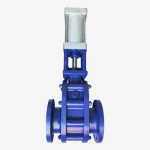
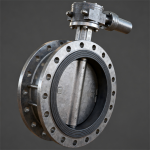
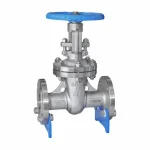
Valves help prevent contamination in drinking water systems by controlling flow direction, isolating maintenance zones, stabilizing pressure and preventing backflow from unsafe sources. In municipal, commercial and industrial water systems, the wrong valve choice can create leakage, stagnant zones, pressure surges or cross-contamination risk.
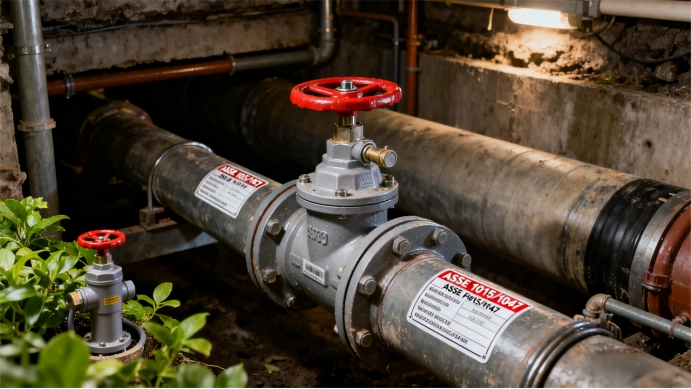
Backflow Is the Main Contamination Risk
Backflow happens when water moves in the wrong direction because of backpressure or backsiphonage. If a drinking water line is connected to a chemical tank, irrigation system, process skid or fire protection system, backflow can pull contaminants into the clean water network. For valve basics, our check valves preventing backflow guide is a useful companion article.
Valve Roles in Water Safety
| Valve function | Common product path | How it helps |
|---|---|---|
| Prevent reverse flow | check valves | Stop contaminated water from flowing back into clean supply lines. |
| Isolate zones for repair | ball valves or gate valves | Allow maintenance without exposing the whole system. |
| Control large distribution lines | butterfly valves | Provide compact isolation in large water pipelines. |
| Stabilize pressure | control valves | Reduce pressure fluctuation that can stress pipes and seals. |
Check Valve Selection Must Match Flow Conditions
A check valve should close reliably at the expected flow rate and pressure. If the valve is oversized or installed incorrectly, it may chatter, slam or fail to close fully. Buyers should confirm pipe size, flow rate, pressure, installation orientation and acceptable pressure drop before ordering.
Material Compatibility Protects Water Quality
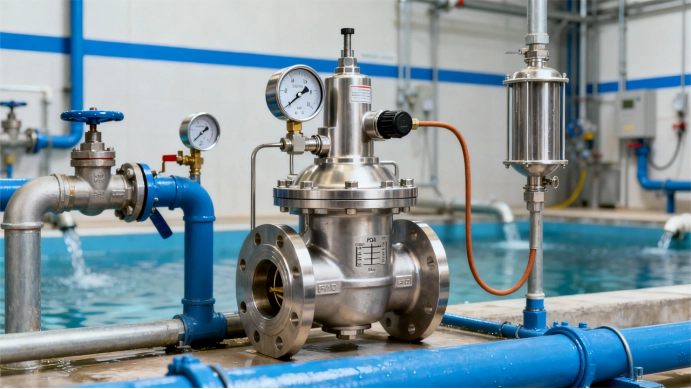
Valve materials should be suitable for potable water and the project specification. Stainless steel, ductile iron with approved coatings, bronze and suitable elastomers may be used depending on the system. Seat and seal materials should not contaminate water or degrade under disinfectant exposure. For general material logic, see valve material selection guide.
Pressure Surges Can Create Secondary Risks
Sudden valve closure can cause water hammer. Pressure surges can damage seals, loosen joints and create leakage points. Large systems should review closing speed, actuator behavior and pressure control. A stable system is easier to keep clean because leaks and uncontrolled reversals are less likely.
Installation and Commissioning Are Part of Hygiene
Even a correct valve can create problems if it is installed with debris, wrong flow direction or poor gasket practice. Flush the line, verify the arrow direction, record test results and inspect for leakage before handover. Our valve installation and commissioning checklist gives a practical field sequence.
Maintenance Keeps Protection Reliable
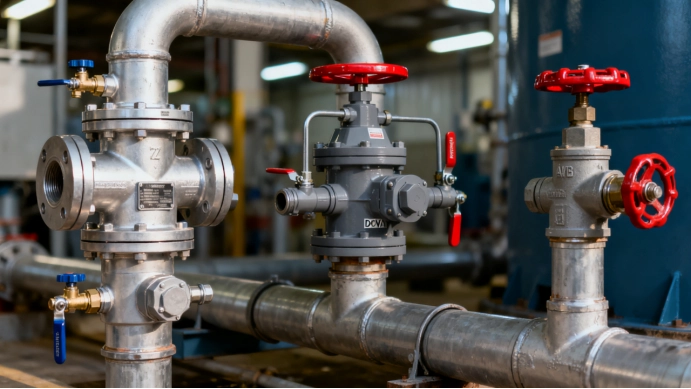
Check valves, isolation valves and control valves should be inspected at planned intervals. Common maintenance points include leakage, seat wear, sticking, pressure fluctuation, corrosion and failed actuators. For general maintenance planning, see valve maintenance tips.
RFQ Checklist for Drinking Water Valves
- Valve type, size, pressure rating and connection standard
- Water quality, disinfectant exposure and temperature
- Flow rate, pressure range and installation orientation
- Required potable-water material or coating specification
- Backflow prevention, isolation or pressure control duty
- Manual or actuated operation and maintenance access
- Certificates, pressure test reports and inspection records
Practical Recommendation
To choose valves for drinking water systems, send us the valve list, pipe size, pressure, flow rate, material requirement and installation drawings. We can recommend check valves, isolation valves and control valves that support contamination prevention and long-term maintenance.
Drinking Water System Buyer Note
For a Drinking Water System, valve selection should consider contamination prevention, pressure stability and maintenance access together. General drinking water safety guidance from the World Health Organization also reinforces why backflow control and material compatibility should be treated as system-level decisions, not only valve price decisions.
To Prevent Contamination, buyers should mark every cross-connection, tank inlet, chemical dosing point and maintenance bypass on the piping drawing before choosing the valve package.
FAQ
Which valve helps prevent backflow contamination?
Check valves and backflow prevention assemblies are commonly used to stop reverse flow from entering clean drinking water lines.
Why does valve material matter in drinking water systems?
Material matters because unsuitable metals, coatings or elastomers can corrode, degrade or affect water quality.
What information is needed for a drinking water valve quotation?
Provide valve type, size, pressure, flow rate, water quality, installation orientation, material requirements and required certificates.