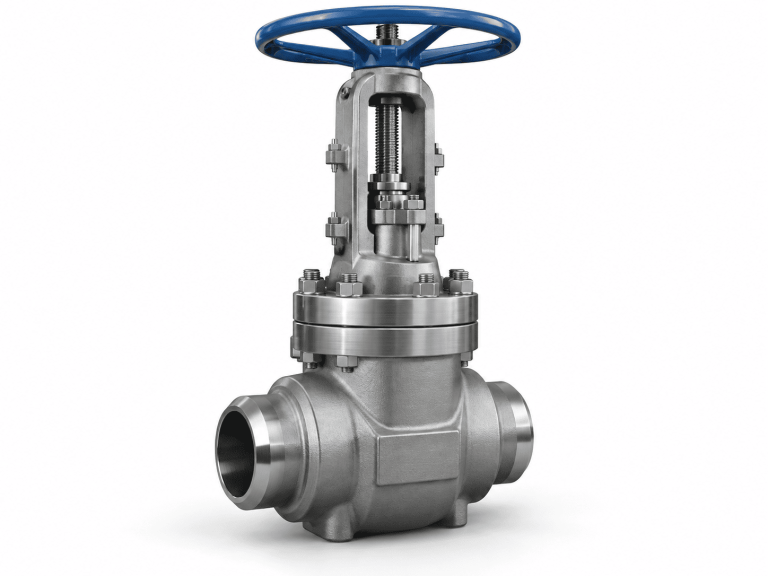
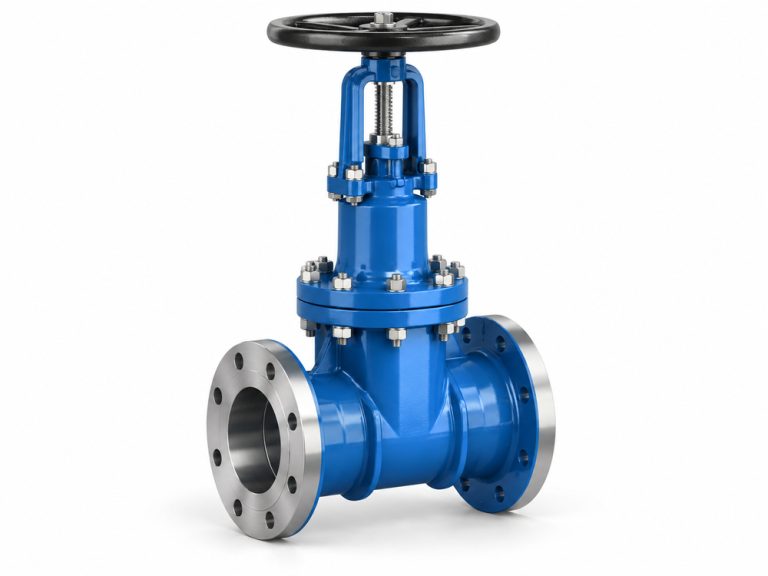
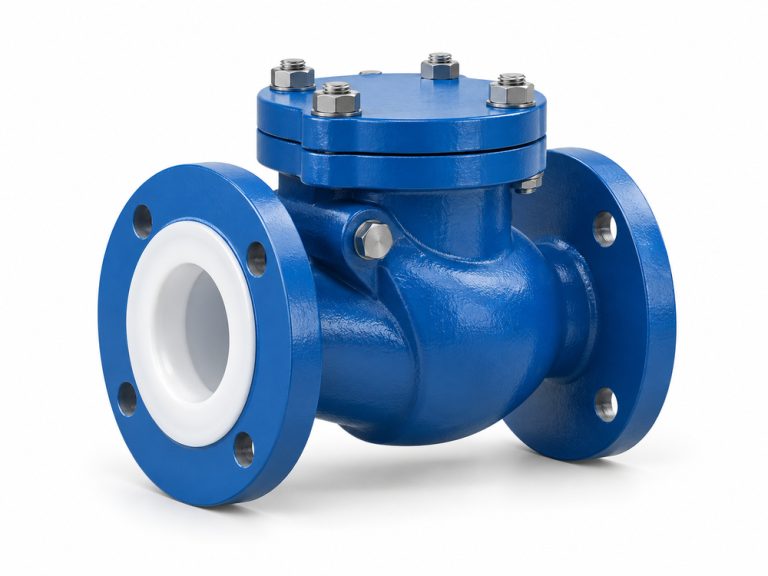
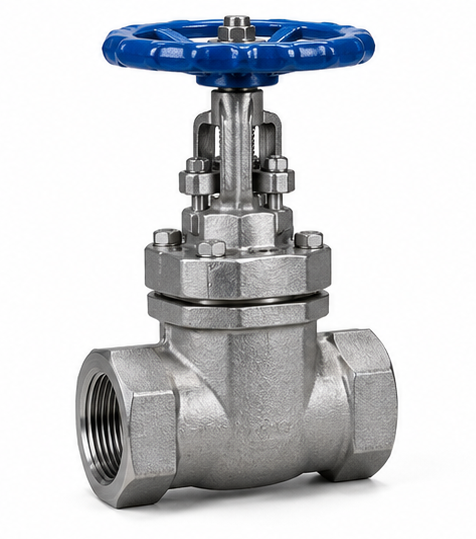
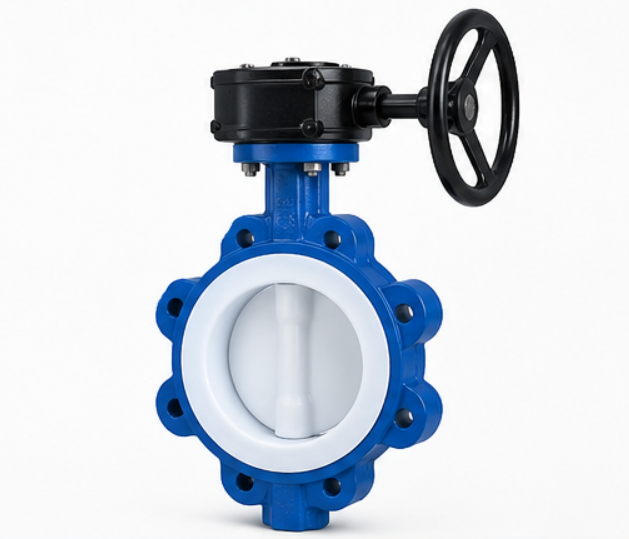
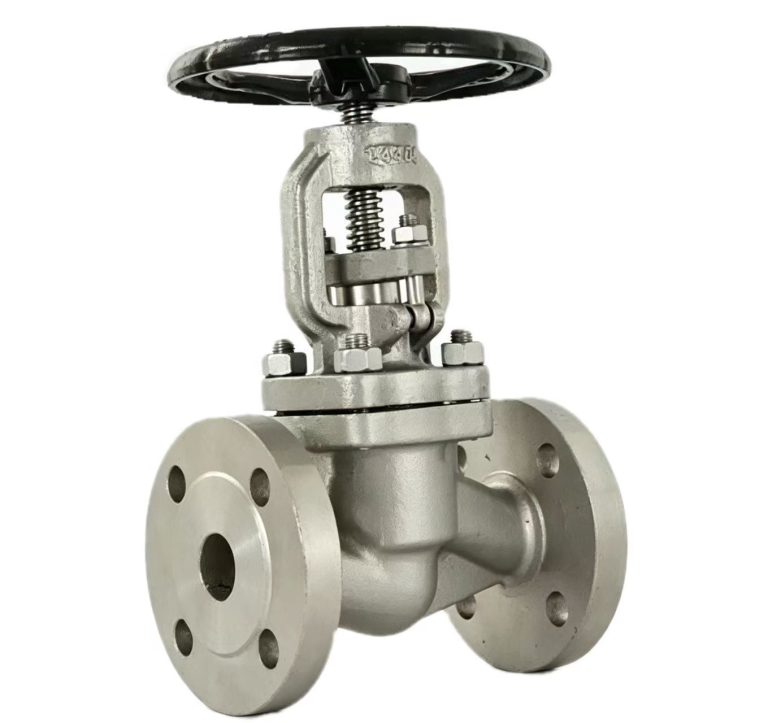
Rubber Seat Gate Valve Product Overview
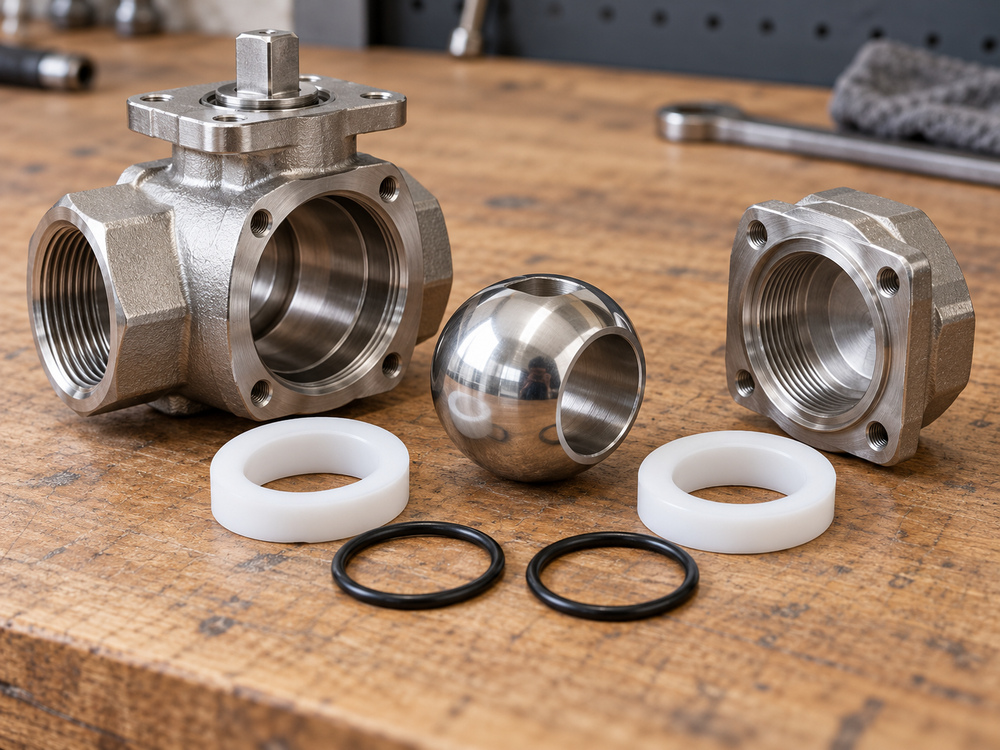
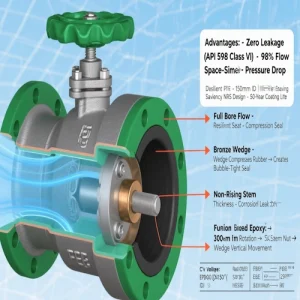
A rubber seat gate valve uses a resilient seating arrangement to support shutoff performance in clean water and compatible utility service. Selection should confirm seat material, body coating, wedge design, connection type and operating method before ordering.
This optimized page keeps the old URL unchanged and gives engineers a clearer checklist for resilient seated gate valve selection without publishing unconfirmed rating or standard values.
Product Configuration Review
Use this configuration table to confirm the selected resilient seated gate valve model before quotation, drawing approval or purchase release.
| Configuration item | What to confirm | Why it matters |
|---|---|---|
| Seat material | Confirm EPDM, NBR or project-specified resilient material | Matches medium and temperature compatibility |
| Body coating | Confirm internal and external coating requirement | Improves corrosion resistance in water service |
| Connection type | Confirm flange, groove or project connection | Ensures installation compatibility |
| Operator | Confirm handwheel, gearbox, actuator or supervisory option | Matches site access and operation frequency |
Technical Specification Checklist
Final size, pressure, temperature, coating and testing values must come from the approved model datasheet and project requirement.
| Specification area | Engineering check | Confirmation source |
|---|---|---|
| Seat compatibility | Check rubber material against medium and temperature | Datasheet and material confirmation |
| Pressure boundary | Confirm rating only from selected model | Approved drawing and datasheet |
| Coating system | Review coating thickness and environment | Coating specification |
| Testing | Confirm shell and seat test scope | ITP and test report |
Application and Installation Notes
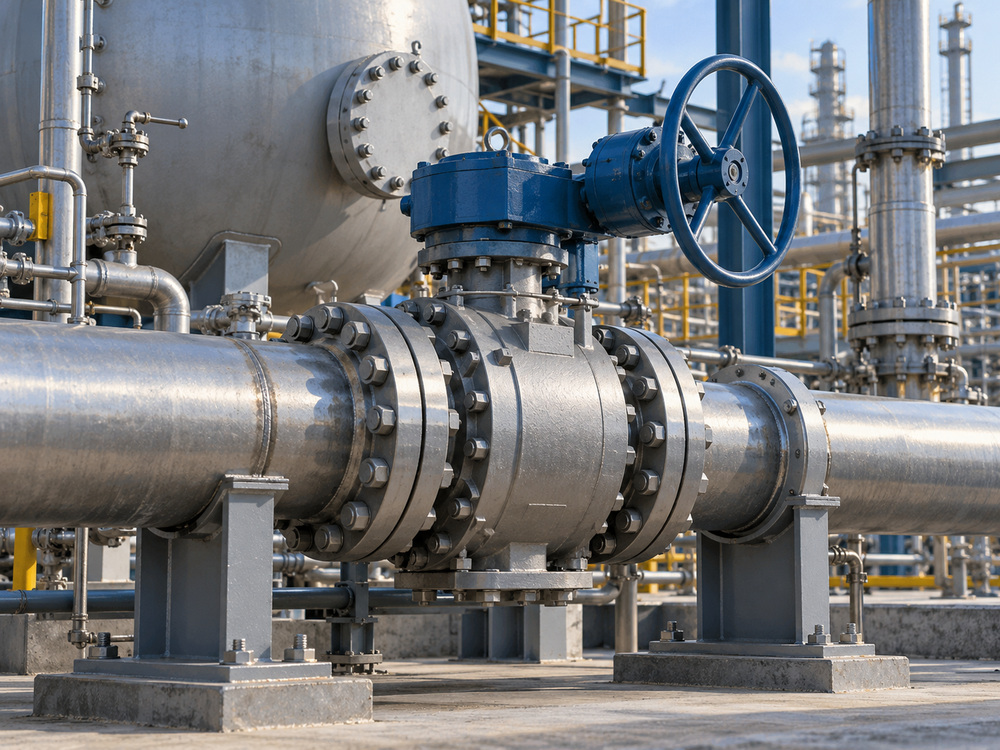
Rubber seat gate valves are commonly reviewed for water supply, HVAC, building service and compatible utility lines. Final suitability depends on medium cleanliness, temperature, coating, connection and operation requirements.
| Application area | Selection note | Engineering caution |
|---|---|---|
| Water supply | Confirm seat material and coating | Use clean-water service data |
| HVAC loops | Review access, operation and connection | Match building service design |
| Utility networks | Confirm medium cleanliness and pressure requirement | Avoid abrasive or incompatible service |
| Fire or building services | Check project approval requirements | Confirm documentation before ordering |
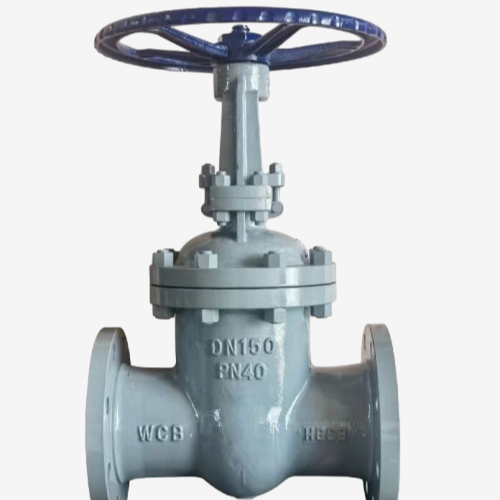
Inspection and Packing Checklist
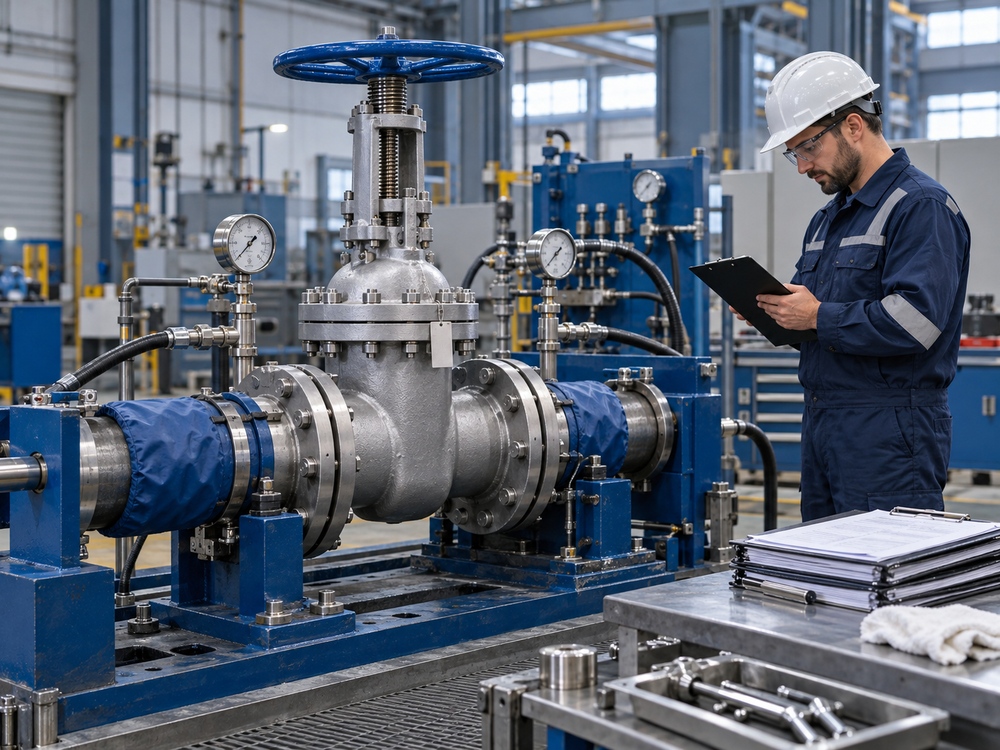
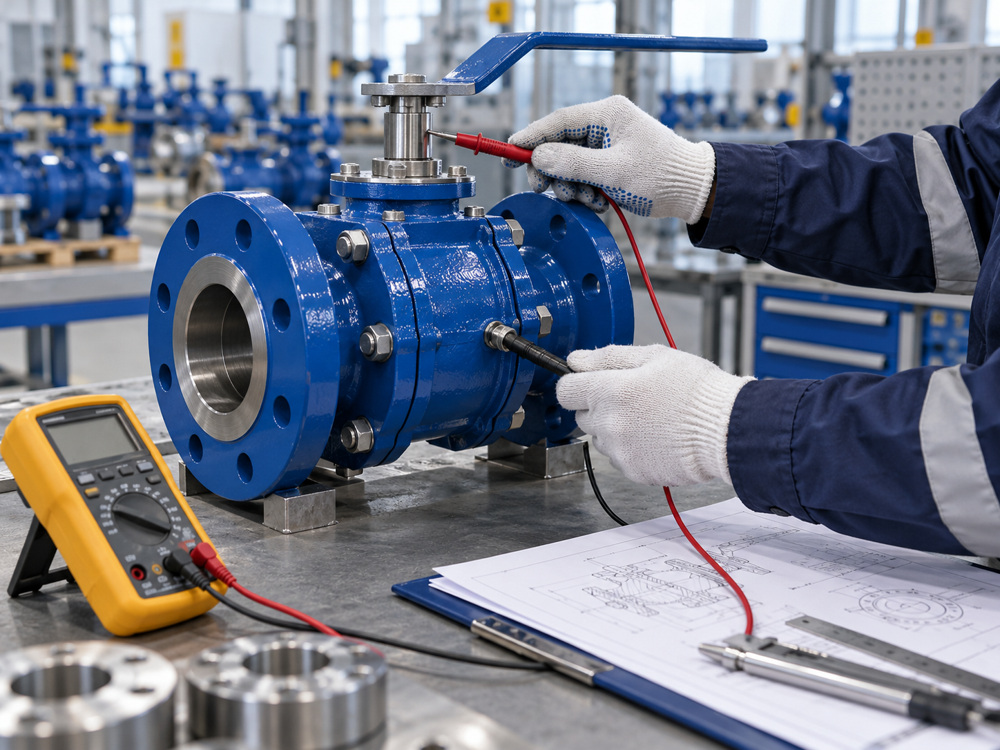
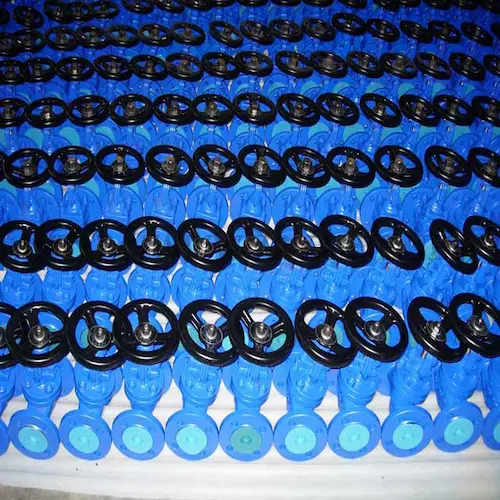
Inspection and packing should protect the resilient seat, coating, stem, operator and connection faces before shipment.
| Checkpoint | What to verify | Record or evidence |
|---|---|---|
| Seat inspection | Verify resilient wedge and seat condition | Inspection photos |
| Coating check | Confirm coverage and finish | Coating record |
| Dimensional check | Verify connection and face-to-face | Dimension report |
| Packing | Protect coating, seat and connection faces | Packing photos |
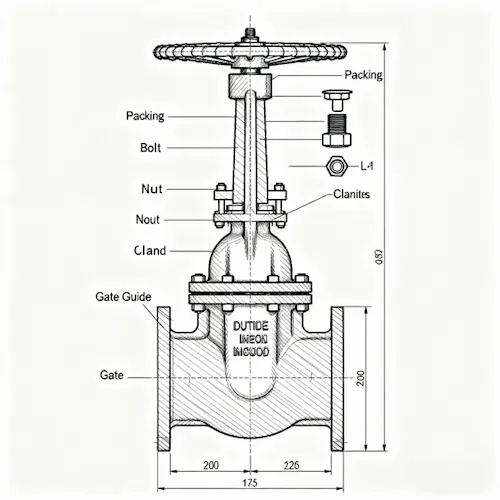
Related Gate Valve Options
Rubber Seat Gate Valve FAQ
Where is a rubber seat gate valve used?
It is commonly used in water supply, HVAC, building service and compatible utility isolation duties.
Is the rubber seat material always the same?
No. Seat material such as EPDM or NBR must be confirmed against the medium and project datasheet.
Can Vcore Valve confirm coating requirements?
Yes. Coating requirements can be confirmed according to the project environment and datasheet.
What information is needed for quotation?
Please provide size, connection, medium, pressure requirement, seat material, coating, operator and inspection requirements.