
Hydraulic Check Valve – High-Performance Fluid Control for Industrial Applications | Vcore Valve
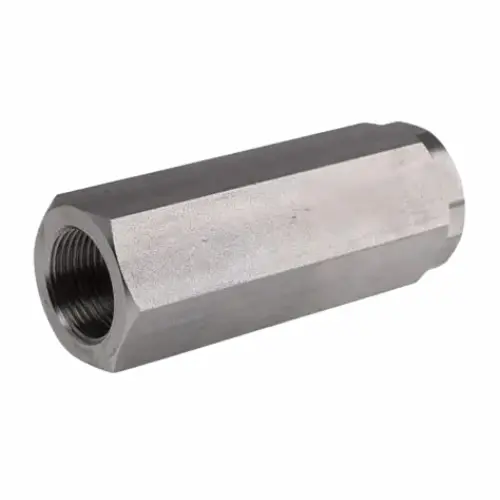
Basic Parameters
Size Range: ½”–12″ (DN15–DN300)
Pressure Rating:
ANSI Class 150 / 300 / 600
PN10 / PN16 / PN40
Body Material:
Carbon Steel (WCB / A105)
Stainless Steel (CF8 / CF8M)
Ductile Iron
Type:
Spring Loaded (Normally Closed)
Ball Type
Poppet Type
Design Standards:
API 600 / API 6D / ASME B16.34
Air Release Valve | Prevent Air Locks & Improve System Efficiency
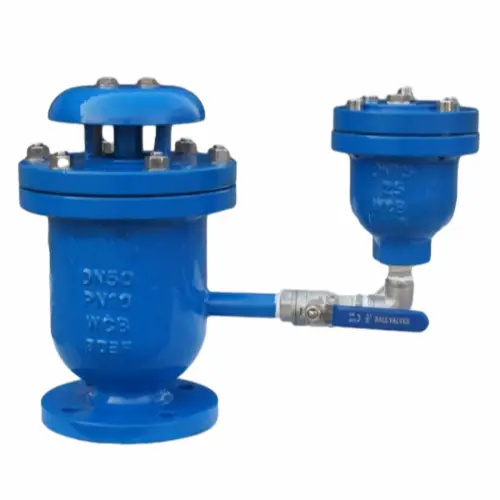
1. Introduction to Air Release Valves In pipeline systems, trapped air or gas can lead to pressure buildup, flow restrictions, and system inefficiencies. Air release valves are designed to expel trapped air or gas, ensuring that your pipeline runs smoothly, efficiently, and safely. These valves are essential in systems dealing with water, wastewater, chemicals, and […]
Pilot Operated Relief Safety Valve
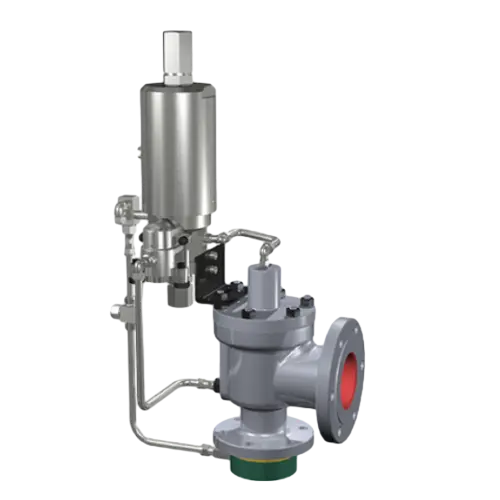
Pilot Operated Relief Safety Valve
Material:
Body: Typically made from stainless steel, carbon steel, or alloy steel, selected for their strength, durability, and resistance to corrosion in high-pressure and high-temperature environments. Stainless steel is preferred for applications requiring excellent corrosion resistance.
Pilot Valve Components: The pilot valve, which controls the operation of the main valve, is usually made from stainless steel or bronze for its durability and resistance to wear.
Seals: Viton, EPDM, PTFE, or similar elastomers are commonly used for seals to ensure a tight shutoff and prevent leakage, especially in chemically aggressive environments.
Size (Nominal Pipe Diameter):
Common sizes typically range from 1/2″ to 10″, though sizes can be customized to suit specific system requirements and applications.
Spring-Loaded Safety Valve
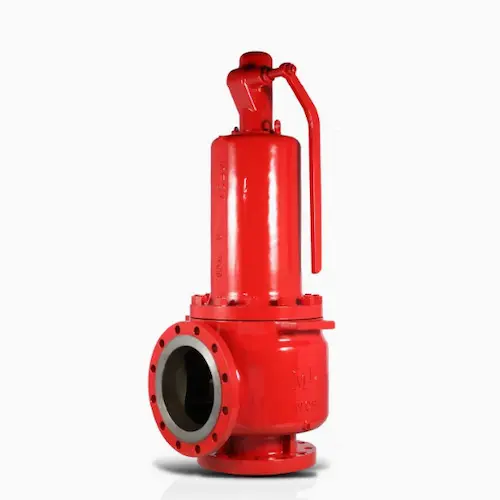
Spring-Loaded Safety Valve
Material:
Body: Commonly made from stainless steel, carbon steel, or alloy steel, depending on the system’s pressure, temperature, and fluid compatibility. Stainless steel is frequently chosen for its corrosion resistance, especially in harsh or corrosive environments.
Internal Components: The disc, spring, and seat are typically made from stainless steel or alloy steel for strength, durability, and resistance to wear.
Seals: Seals are usually made from Viton, EPDM, or PTFE materials to ensure a reliable, leak-proof seal and good chemical resistance.
Size (Nominal Pipe Diameter):
Common sizes range from 1/2″ to 6″, with larger sizes available for specific applications.
304 Stainless Steel Ball Valve
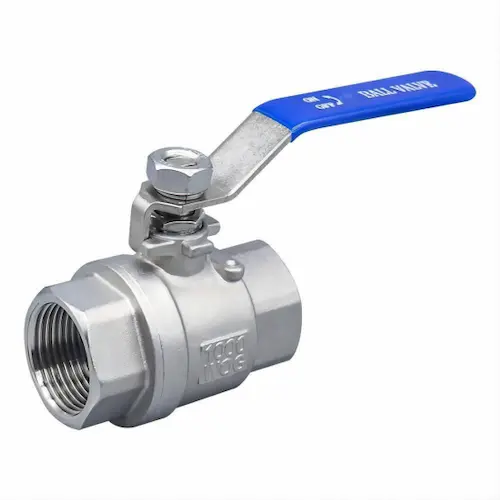
Core Material: 304 Stainless Steel Ball Valve, with excellent corrosion resistance, oxidation resistance and mechanical strength;
Core Functions: Rapid cut-off, connection and regulation of fluid media;
Application Fields: Chemical industry, water treatment, food and pharmaceutical industry, HVAC and other fields;
Core Features: Good sealing performance, easy operation and long service life;
Product Positioning: A key fluid control component in industrial pipeline systems;
Suitable Media: Common media such as water, steam, oil products, weak acids and alkalis.
0-Leaking Gate Valve
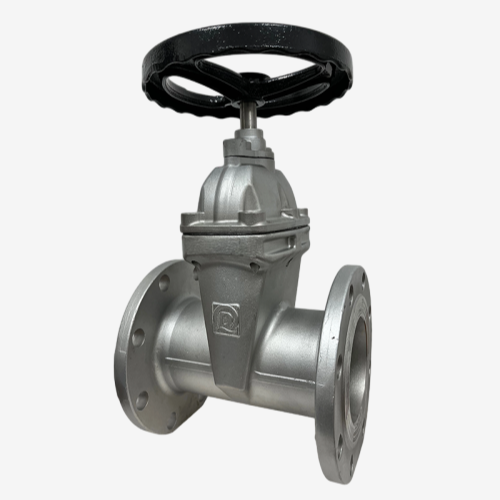
Size Range: DN50 – DN2000 (2” – 80”)
Pressure Rating: PN10 / PN16 / ANSI Class 150
Temperature Range: -20°C to +180°C depending on seat and material options
Body Material: Cast Iron, Ductile Iron, Carbon Steel, Stainless Steel
Seat Material: EPDM, NBR, PTFE, Metal Seals (for high-pressure applications)
Gate Material: Ductile Iron or Stainless Steel with corrosion-resistant coatings
Stem Material: Stainless Steel 420/431
End Connections: Flanged to EN 1092-2, ANSI B16.5, or custom drilling
Operation: Manual (Handwheel), Gear, Pneumatic, Electric Actuation
Testing: Hydrostatic Shell Test: 1.5× rated pressure, Seat Test: 1.1× rated pressure per EN 12266 / API 598
Lug Wafer Dual-Disc Swing Check Valve
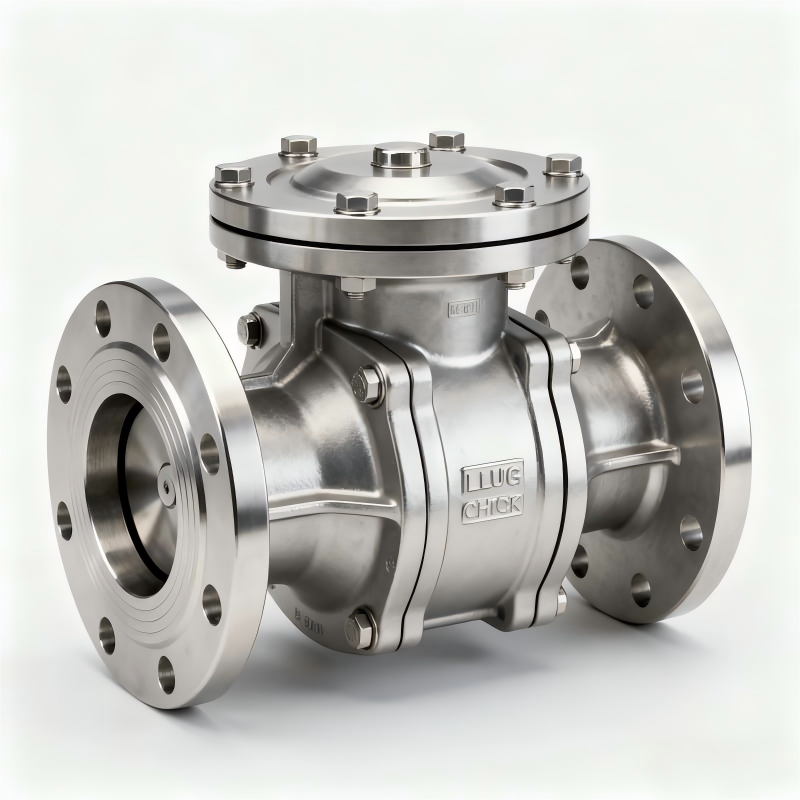
The Lug Wafer Dual-Disc Swing Check Valve is a high-performance fluid control component meticulously designed to meet the diverse needs of modern industrial fluid systems. It stands out for its exceptional adaptability and reliability, ensuring seamless integration into various pipeline setups while delivering long-lasting, stable operation. Whether in high-pressure industrial pipelines or low-flow municipal water systems, this valve provides an efficient solution to prevent backflow, safeguarding equipment and optimizing system performance.
12 – Inch Double Eccentric Butterfly Valve
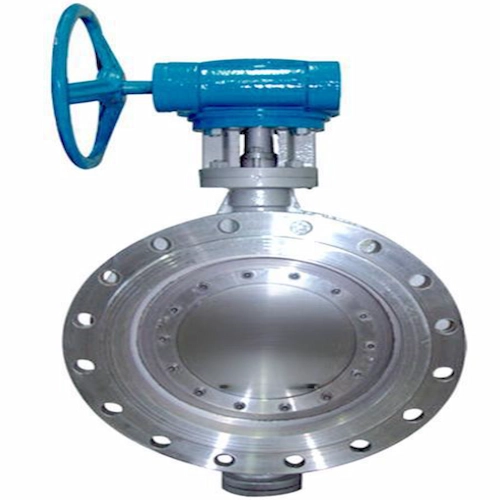
12 – Inch Double Eccentric Butterfly Valve
Size Range: DN300 (12”)
Pressure Rating: PN10 / PN16 / ANSI Class 150 / 300
Temperature Range: -20°C to +180°C (depending on seat material)
Body Material: Ductile Iron, Cast Steel, Stainless Steel
Seat Material: EPDM, NBR, FPM, PTFE
Disc Material: Stainless Steel 304/316, Ductile Iron with Epoxy Coating
Stem Material: Stainless Steel 304/316
End Connections: Flanged to ANSI B16.5, EN 1092-2
Operation: Manual (Handwheel), Gear, Pneumatic, Electric Actuation
Testing: Shell Test: 1.5× rated pressure, Seat Test: 1.1× rated pressure per EN 12266 / API 598
Sealing Type: Soft-seal or Metal-seal for high-temperature and high-pressure applications
4″ Wafer Butterfly Valve
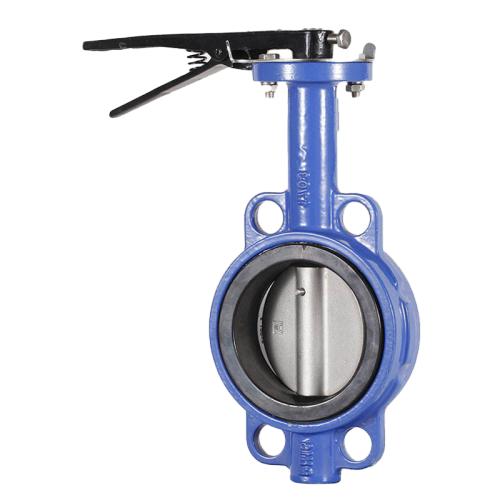
4″ Wafer Butterfly Valve
Basic Parameters
Size Range: 2″–24″ (DN50–DN600)
Pressure Rating:
ANSI Class 150 / 300
PN10 / PN16
Body Material:
Ductile Iron
Cast Iron
Stainless Steel (SS304 / SS316)
Disc Material:
Stainless Steel (SS304 / SS316)
Ductile Iron with EPDM / NBR Coating
Seat Material:
EPDM / NBR / PTFE
End Connection:
Wafer Type (Flanged)
Operation Type:
Manual (Handle)
Pneumatic / Electric Actuator (Optional)
Design Standards:
API 609 / ASME B16.34 / EN 593
Pneumatically Actuated Pipe Ball Valve
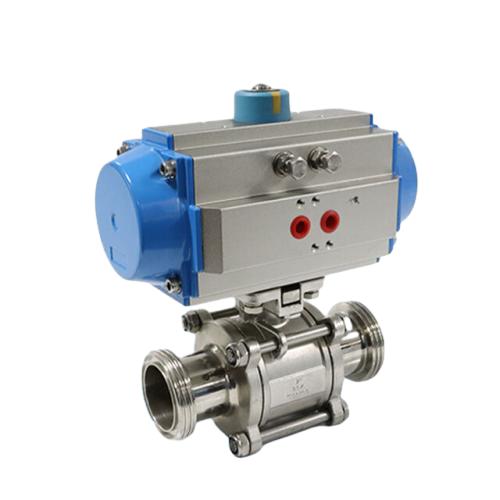
Pneumatically Actuated Pipe Ball Valve
Material:
Body: The body of a Pneumatically Actuated Pipe Ball Valve is typically made from stainless steel, carbon steel, or ductile iron
Ball: The ball is generally made from stainless steel, brass, or PTFE-coated materials to prevent corrosion and ensure smooth operation.
Seat: The seat material is typically PTFE (Polytetrafluoroethylene), PFA (Perfluoroalkoxy), or Viton depending on the chemical compatibility and temperature range.
Stem: Stainless steel or alloy steel is used for the stem, providing durability, corrosion resistance, and smooth movement of the ball.
Seals: PTFE or Viton elastomers are commonly used for seals, providing tight sealing performance while being resistant to various chemicals and temperature extremes.
Size (Nominal Pipe Diameter):
Common sizes range from 1/4″ to 6″, but larger sizes (up to 24″ or more) can also be made depending on the specific application.
Sizes are generally available in standard pipeline dimensions to match the system requirements
On-Off Ball Valve
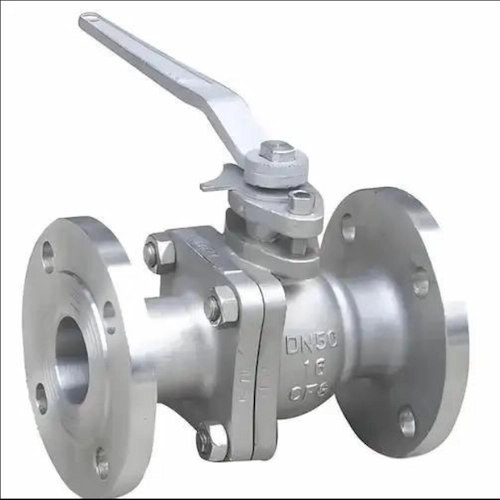
Valve Type: On-Off Ball Valve
Function: Used for simple open/close operation to control flow in pipelines.
Design: Full port or reduced port for different flow rates.
Actuation: Manual, electric, pneumatic, or hydraulic actuators.
Body Material: Carbon Steel, Stainless Steel, Cast Steel, or Alloy Materials.
Size Range: 1/2″ to 36″ (DN15 to DN900).
Pressure Rating: Up to 1500 PSI or PN100 depending on model and material.
PTFE Seated Ball Valve
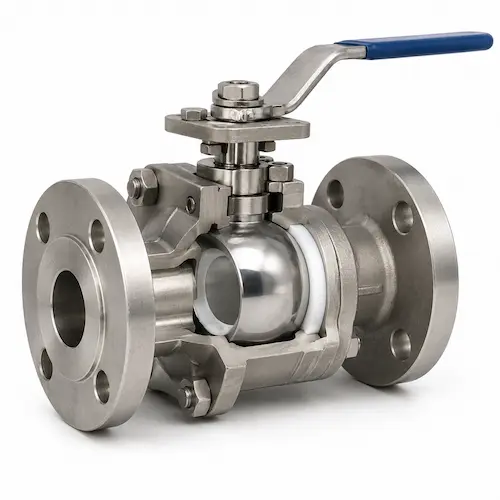
PTFE Seated Ball Valve is designed for on-off isolation in chemical, water treatment, utility and selected corrosive media service. The PTFE seat provides low friction and chemical resistance for compatible fluids, while body material, pressure rating, temperature range and end connection should be selected according to the actual medium and project specification.