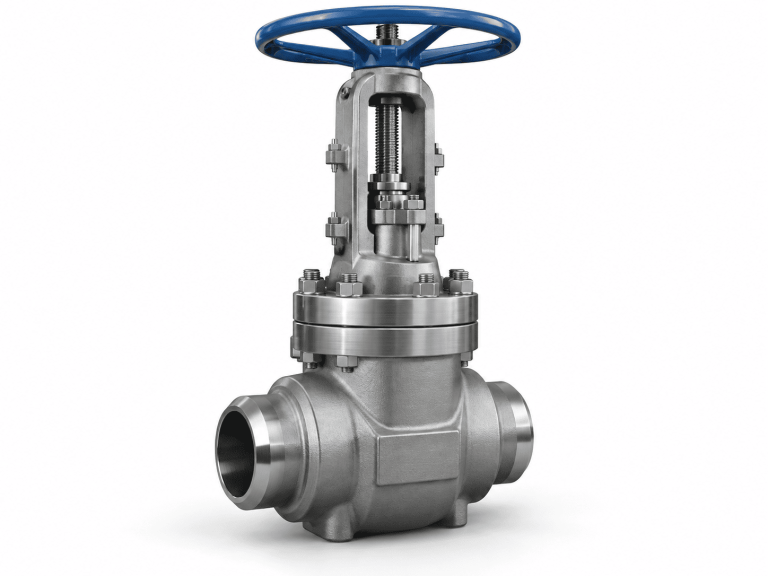
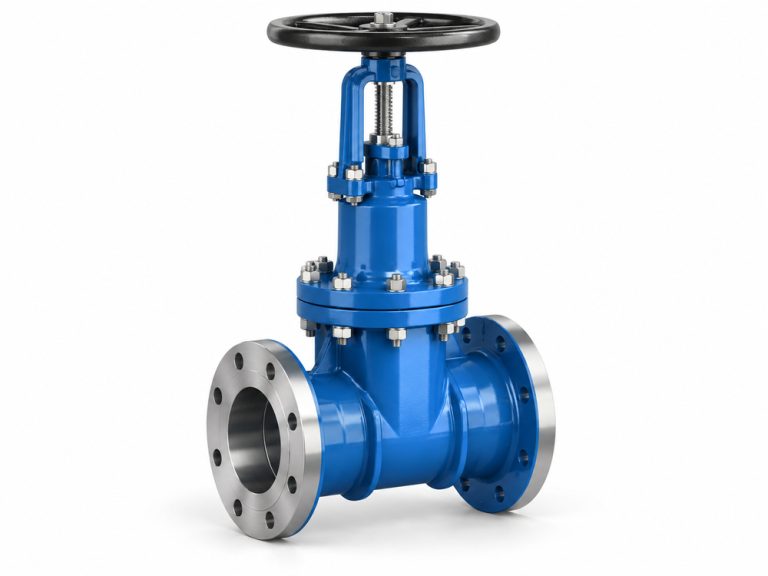
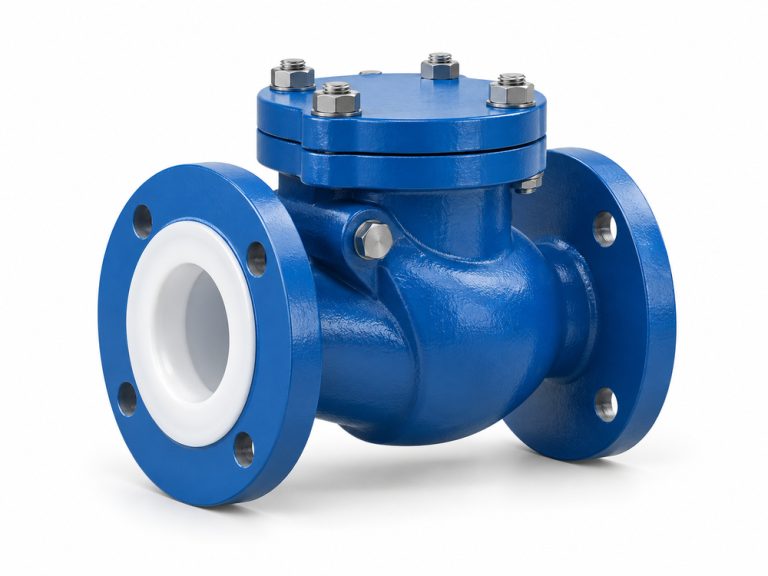
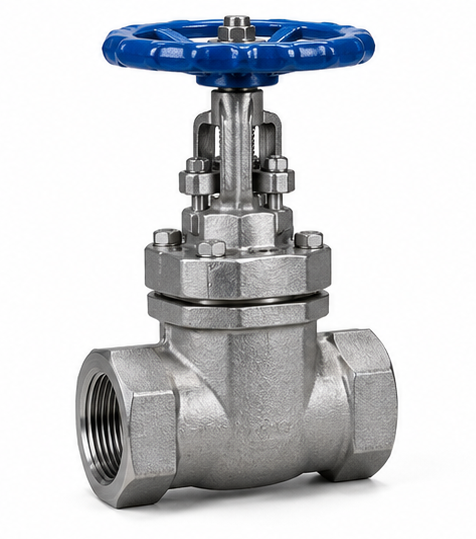
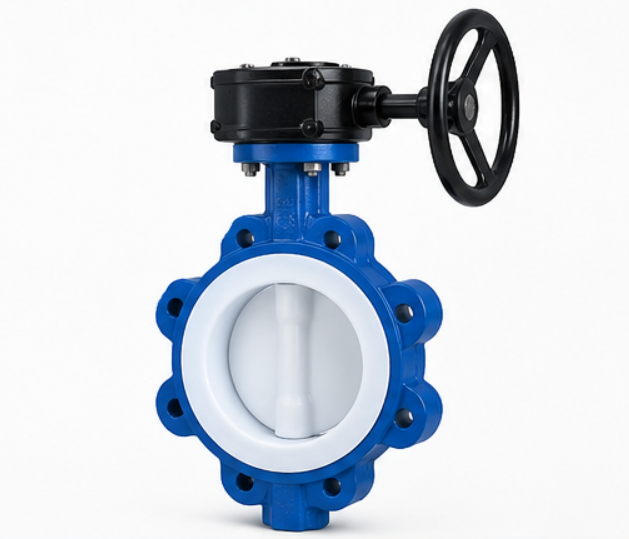
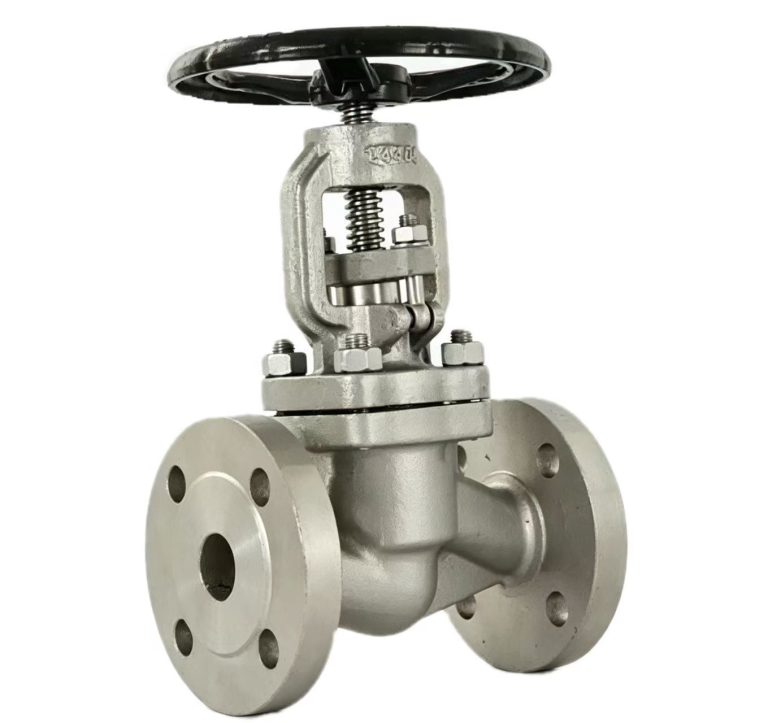
Flange V-Notch Ball Valve Overview
A Flange V-Notch Ball Valve is selected when a pipeline requires flow regulation rather than simple isolation. It is especially useful when the opening characteristic, trim geometry, and actuator response must work together.
Selection should consider flow range, media type, pressure drop, noise, cavitation risk, actuator resolution, seat material, and flange connection. Vcore Valve reviews these factors before confirming the final configuration.
For model selection, review the Vcore Valve product range or contact Vcore Valve with the service condition, drawing, and datasheet requirement.
V-Port Ball Structure
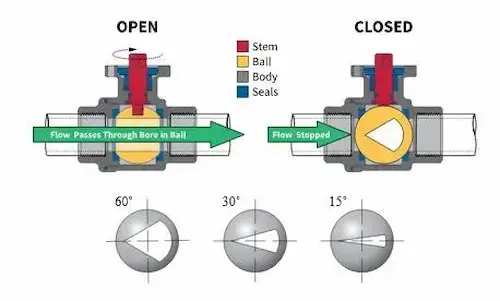
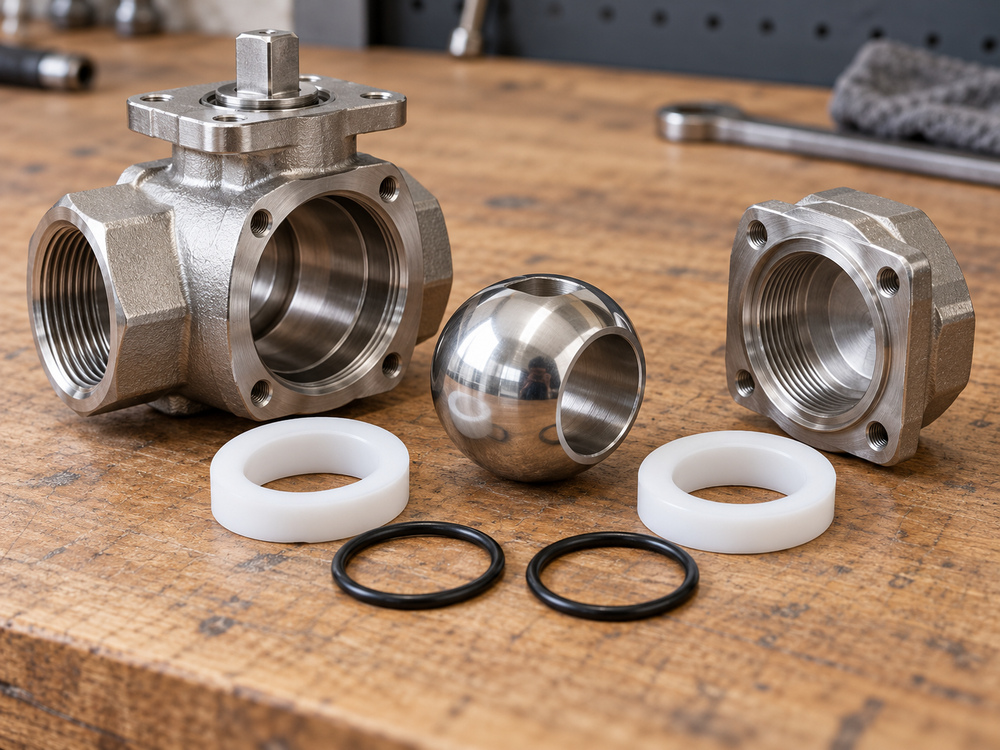
The V-port ball creates a shaped opening that can support more controlled throttling than a standard full-bore ball. Vcore Valve confirms the V-notch profile from the required control behavior, medium, and actuator package.
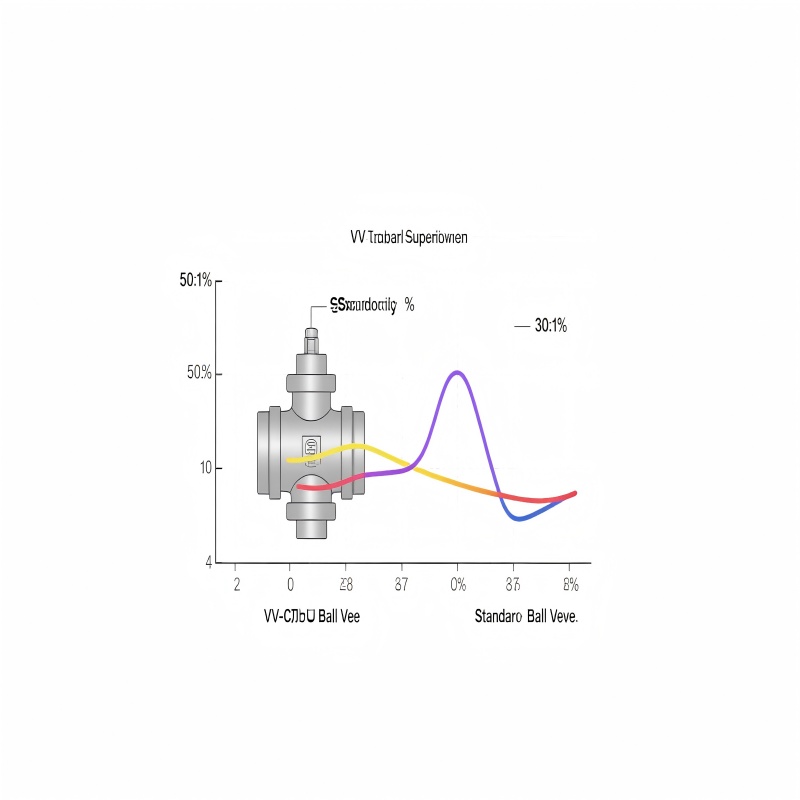
The comparison image helps buyers understand why a V-notch valve is selected for regulation while a standard ball valve is mainly used for open-close service.
Product Configuration
Use the configuration guide below to define the control requirement before quotation.
| Configuration Area | Selection Question | Vcore Valve Review |
|---|---|---|
| Control objective | Is the valve for throttling, proportional control, or occasional regulation? | Reviews the control target before recommending V-port and actuator details. |
| V-notch profile | What opening behavior and control range are required? | Confirms V-notch design from process data and selected model. |
| Seat and trim material | Will media, pressure drop, or throttling duty affect trim wear? | Selects seat and trim after media and duty review. |
| Flange connection | Which flange requirement and installation space are needed? | Confirms flange details from project data. |
| Actuator package | Does the valve need positioner, feedback, or control accessories? | Can configure actuator and accessories when specified. |
Technical Specifications
The items below are selection guidance only. Final size range, pressure class, temperature range, leakage class, and standard compliance must be confirmed by the selected model and approved datasheet.
| Technical Item | Selection Guidance |
|---|---|
| Valve type | Flanged V-notch ball valve for modulating or regulating flow service. |
| Control element | V-port ball trim selected according to process control requirement. |
| Seat and trim | Material and seat design are confirmed by selected model and service condition. |
| Actuation | Manual, pneumatic, or electric operation can be reviewed; control duty often requires an actuator package. |
| Connection | Flange details are confirmed by project specification and selected datasheet. |
Actuated Application Review
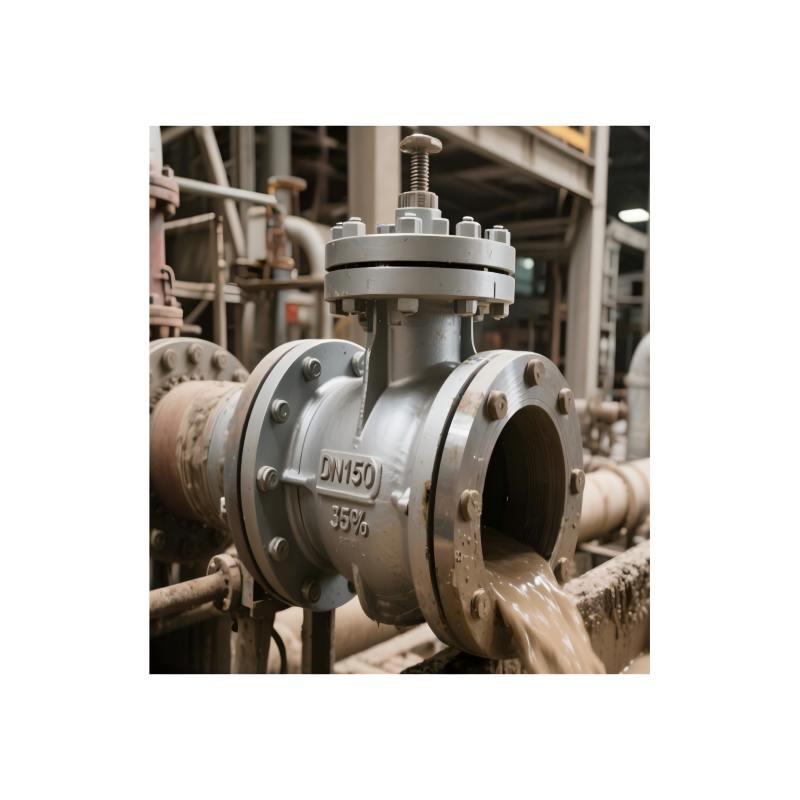
Control applications often require an actuator, positioner, and feedback accessories. Vcore Valve reviews flow range, pressure drop, and control accuracy before confirming the package.
Inspection and Packing Review
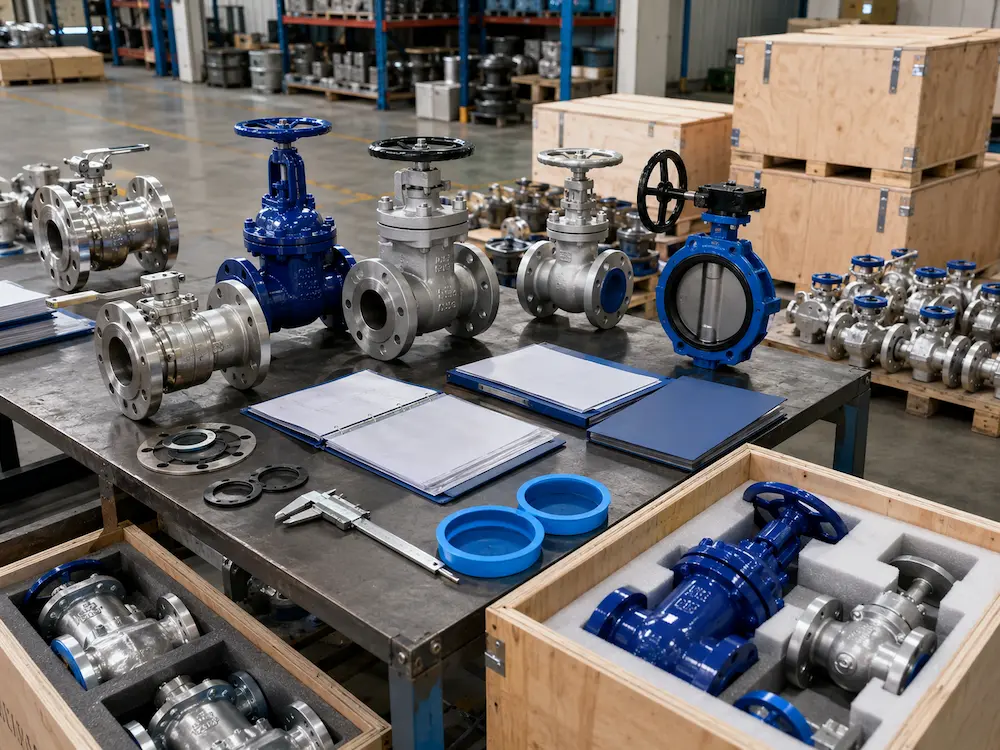
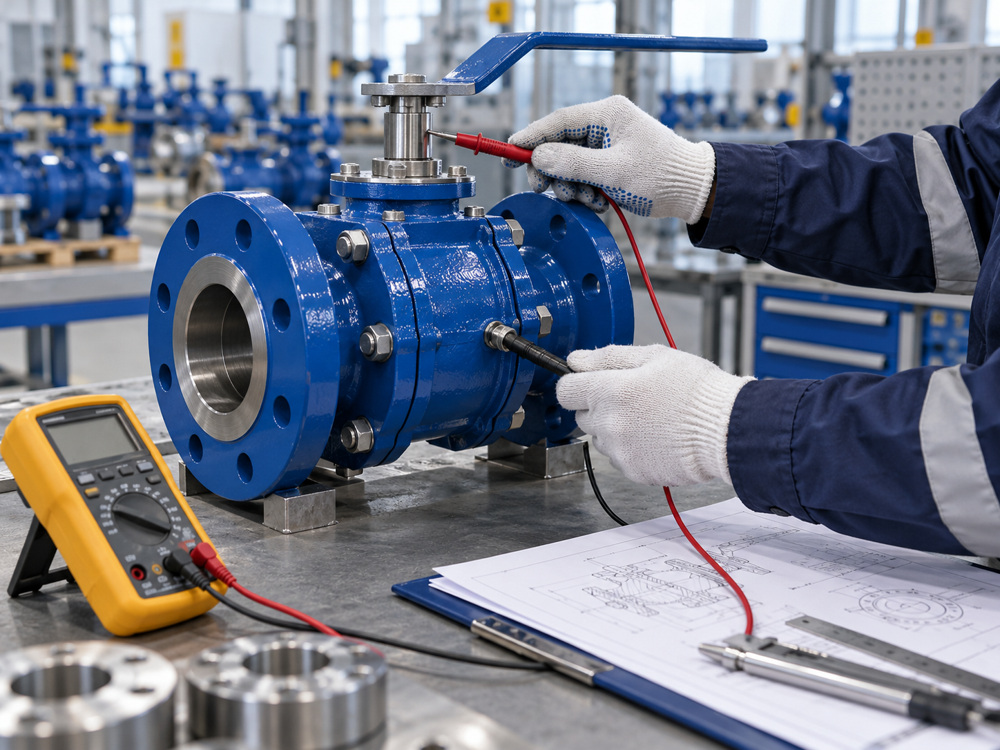
Before shipment, Vcore Valve can review inspection, marking, documentation, and export packing requirements according to the confirmed purchase specification.
Performance Advantages
- Provides more controlled opening behavior than a standard full-bore shut-off ball valve.
- Can be matched with actuation and accessories for modulating process control.
- V-notch trim, seat, and material can be selected for the actual media and pressure drop.
- Flanged connection supports straightforward installation when matched to the line standard.
- Avoids overclaiming ratings until the exact model and datasheet are approved.
Comparison Guide
| Decision Point | Flange V-Notch Ball Valve | Alternative Option |
|---|---|---|
| Control behavior | V-port ball supports shaped opening for regulation. | Standard ball valves are mainly for on-off service. |
| Actuation | Often paired with pneumatic or electric control accessories. | Manual valves may fit simple adjustment but not control loops. |
| Media review | Requires checking pressure drop, particles, and throttling duty. | Simple shut-off service has fewer control variables. |
| Selection risk | Needs process data for accurate trim and actuator choice. | Generic selection may cause poor control or seat wear. |
Application Checklist
Use this checklist before confirming a quotation so the valve matches the actual service condition instead of an unverified catalogue value.
- Confirm whether the valve is for continuous modulation or occasional adjustment.
- Provide flow range, pressure drop, medium, and any solids or cavitation concern.
- Confirm flange requirement and actuator or control accessory needs.
- Review seat and trim material against throttling duty.
- Approve the datasheet before using any fixed rating, leakage, or standard statement.
Typical Applications
| Application Scenario | Why This Valve Type Fits |
|---|---|
| Process flow regulation | Used where a shaped opening can support better throttling behavior. |
| Chemical dosing and blending | Can be reviewed for controlled flow adjustment after media confirmation. |
| Water treatment systems | Suitable for selected regulating duties when pressure drop and actuation are checked. |
| Automated control loops | Can be paired with actuators and feedback devices after duty review. |
Related Ball Valve Options
For nearby selections, compare this product with fully welded ball valves, fire safe ball valves, and API 6D ball valves when those designs are technically relevant to the service.
Frequently Asked Questions
What is a Flange V-Notch Ball Valve used for?
It is used for regulating or modulating flow where a V-port ball provides a more controlled opening characteristic than a standard on-off ball valve.
Is it the same as a normal ball valve?
No. A standard ball valve is mainly for open-close service, while a V-notch ball valve is selected for flow regulation when correctly configured.
How is the V-notch profile selected?
The V-notch profile is selected from the required control behavior, flow range, medium, and selected model datasheet.
Can Vcore Valve supply an actuated V-notch ball valve?
Yes. Pneumatic or electric actuation, positioners, and feedback options can be reviewed for control applications.
Are size and pressure ratings fixed on this page?
No. Final size, pressure class, temperature range, leakage class, and standard compliance must be confirmed by the selected datasheet.