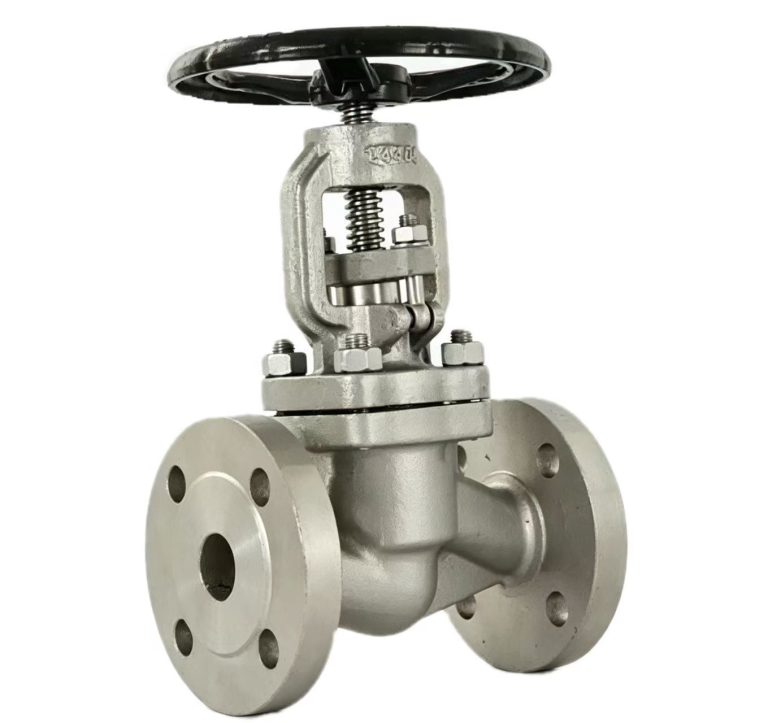
WCB Track Ball Valve Overview
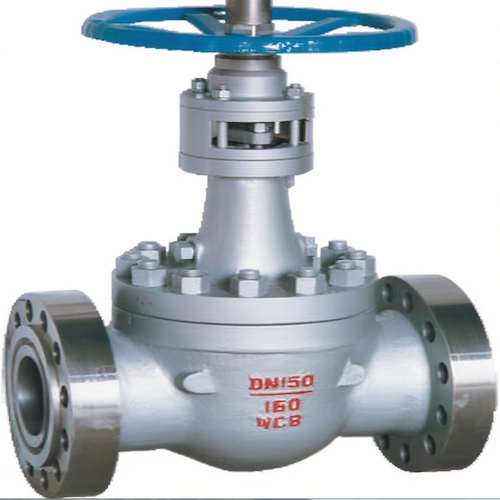
A WCB Track Ball Valve is intended for service where ball movement and sealing surface contact require careful control. It can be considered for abrasive, slurry, or demanding shut-off duties after the actual service condition is reviewed.
The final product must be reviewed by duty. Vcore Valve checks media type, particle content, operating frequency, seat material, body material, and actuation method before confirming whether this valve style is suitable.
For model selection, review the Vcore Valve product range or contact Vcore Valve with the service condition, drawing, and datasheet requirement.
Track-Motion Structure
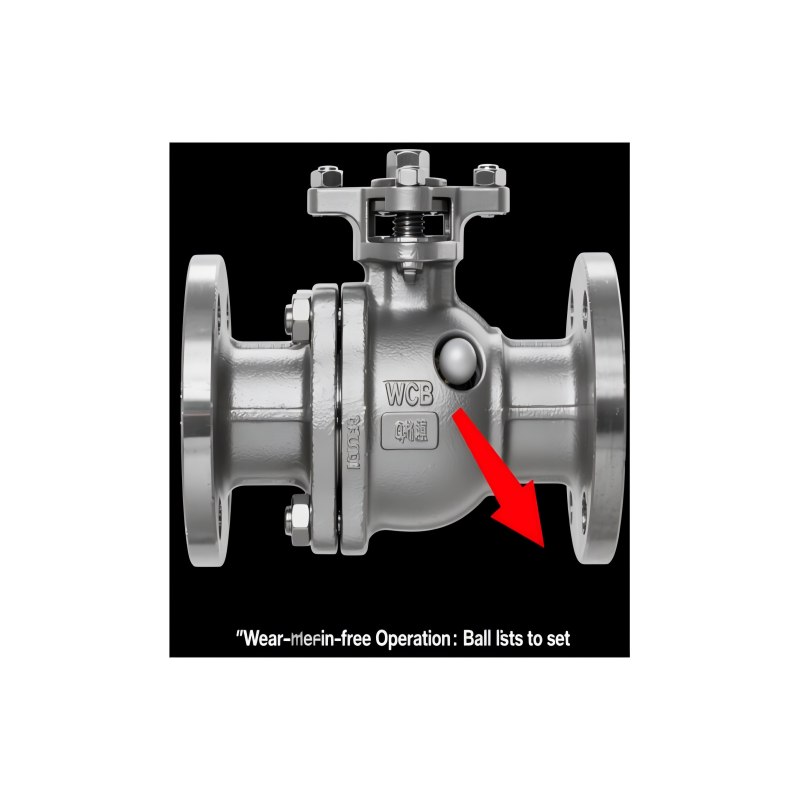
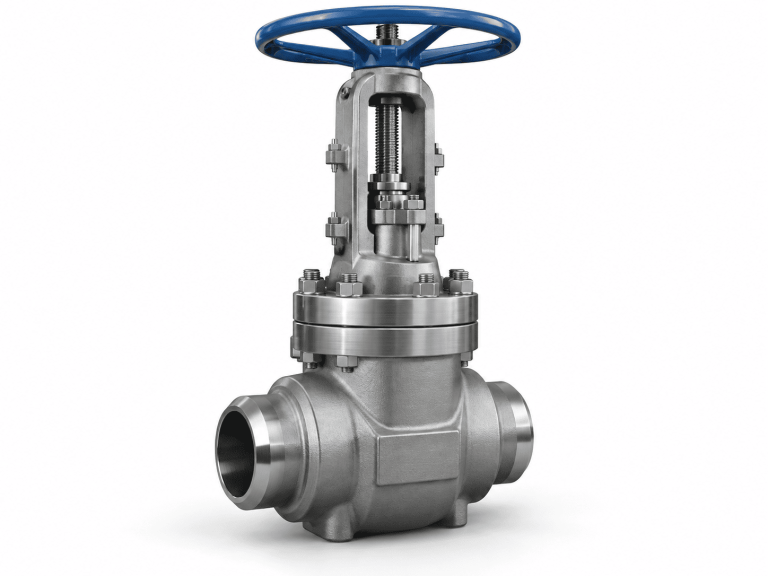
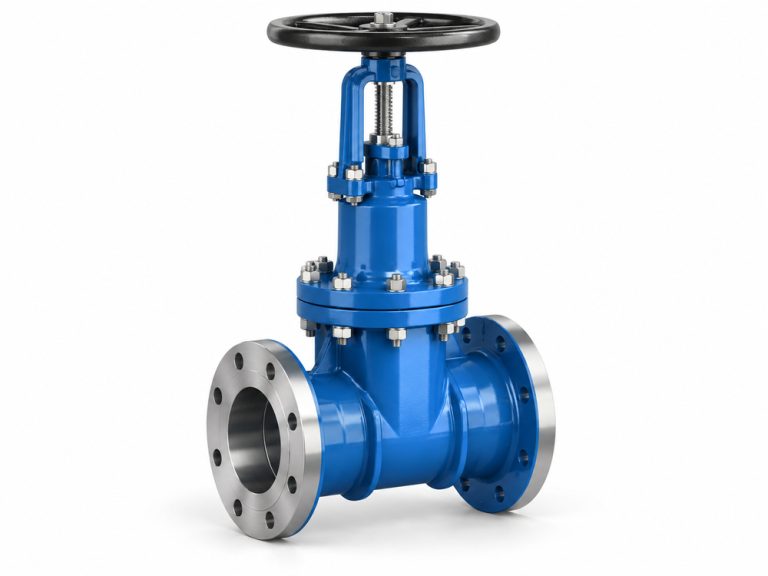
The track-motion concept guides the ball movement so sealing contact can be controlled during opening and closing. The final structure must be checked against media, solids content, and operating frequency.
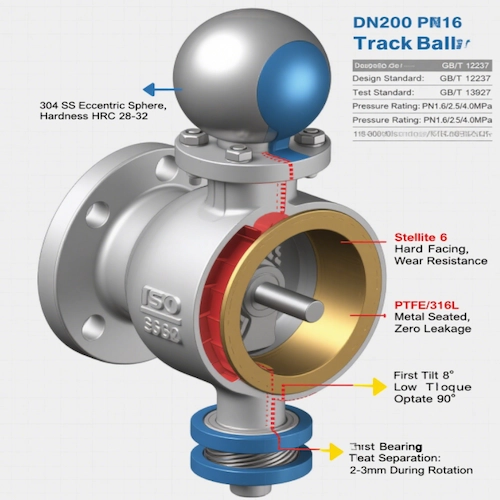
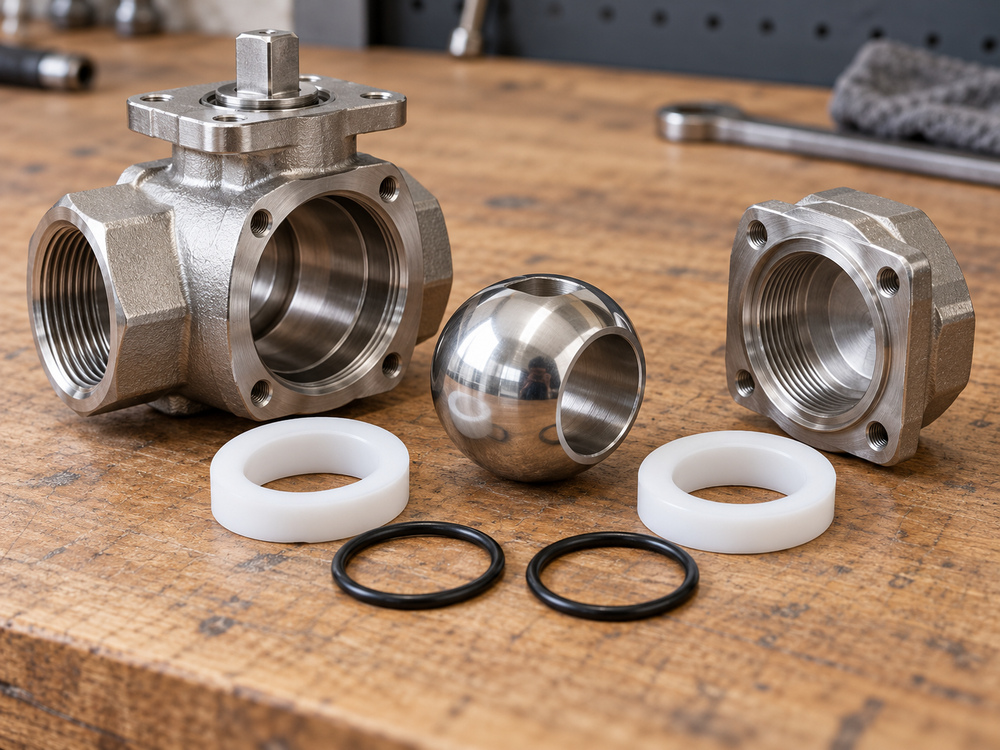
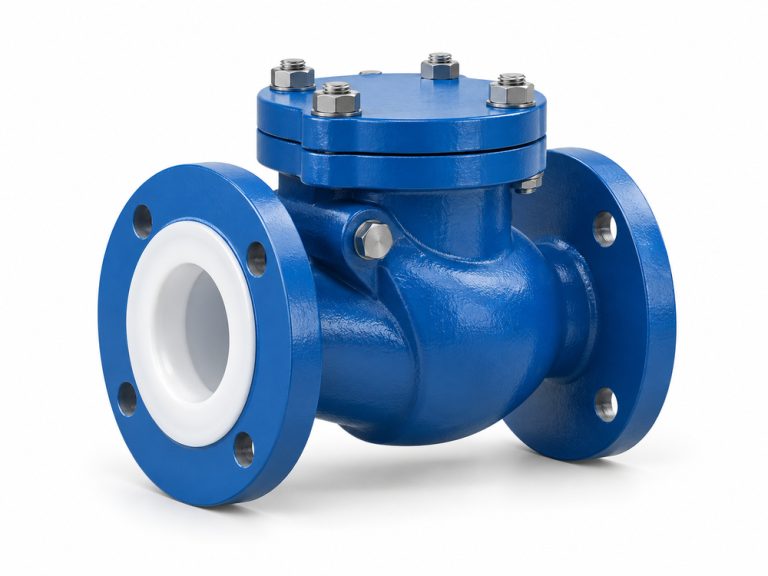
The seat and sealing image helps explain why media condition and sealing material should be reviewed before selecting a track valve for abrasive or slurry service.
Product Configuration
These points help define whether a track-type ball valve is appropriate for the process.
| Configuration Area | Selection Question | Vcore Valve Review |
|---|---|---|
| Media condition | Does the line contain slurry, abrasive particles, viscous media, or clean fluid? | Reviews media data before recommending seat and material options. |
| Guided movement requirement | Does the service need controlled ball movement and seat contact? | Confirms model suitability instead of assuming one design fits all service. |
| Seat material | What wear resistance and shut-off behavior are required? | Selects seat options after media and operating condition are known. |
| Body and trim | Are corrosion or abrasion concerns present? | Confirms material by selected model and project specification. |
| Operation method | Is manual, gear, pneumatic, or electric operation required? | Reviews actuator needs with the final valve construction. |
Technical Specifications
The items below are selection guidance only. Final size range, pressure class, temperature range, leakage class, and standard compliance must be confirmed by the selected model and approved datasheet.
| Technical Item | Selection Guidance |
|---|---|
| Valve type | Track ball valve for guided movement and controlled sealing contact. |
| Service review | Selection depends on medium, solids content, cycling frequency, and shut-off expectation. |
| Material selection | Body, ball, stem, and seat materials are confirmed by datasheet and project media. |
| Actuation | Manual or automated operation can be considered after torque data is confirmed. |
| Inspection | Testing and inspection requirements are confirmed with the purchase specification. |
Abrasive and Slurry Application Review
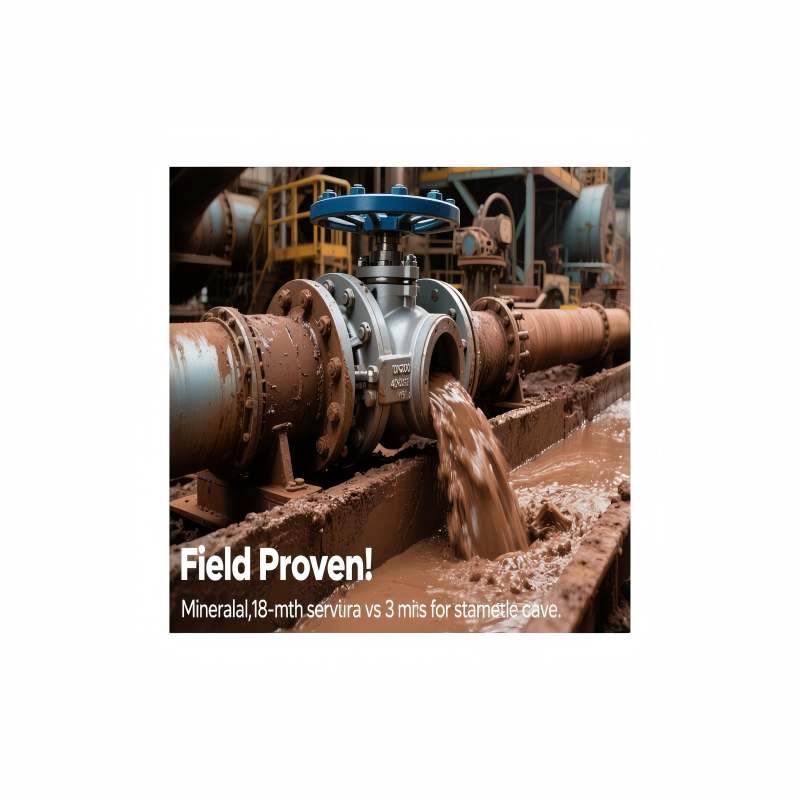
Track ball valves may be reviewed for slurry or abrasive service when ordinary soft-seat designs are not suitable. Vcore Valve checks solids content, abrasion level, and material compatibility before selection.
Inspection and Packing Review
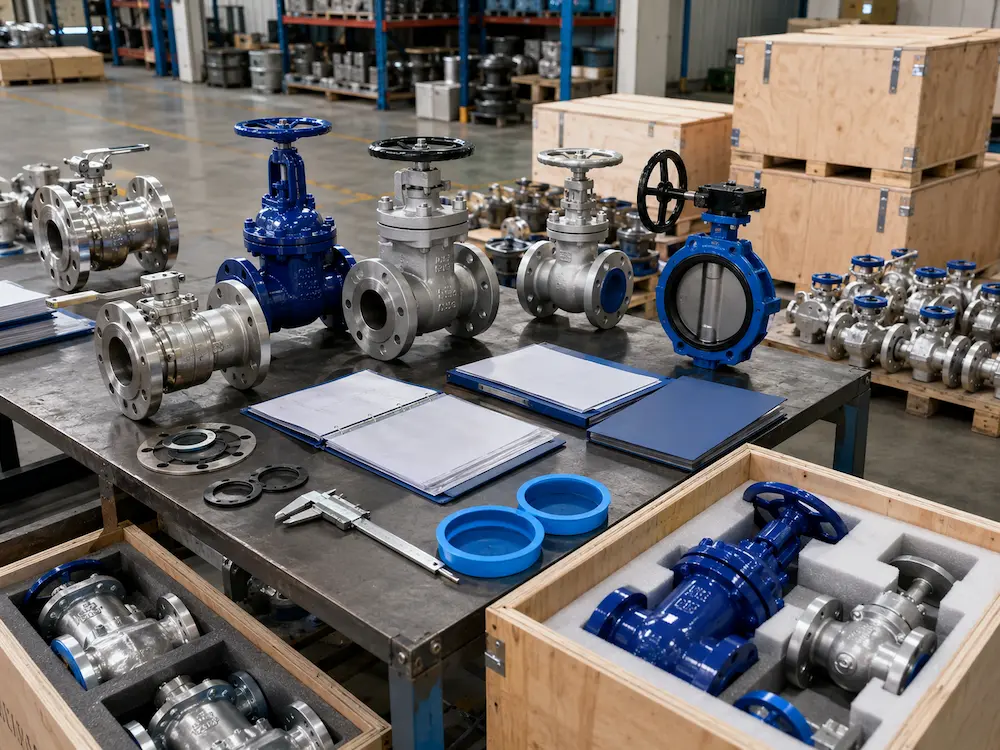
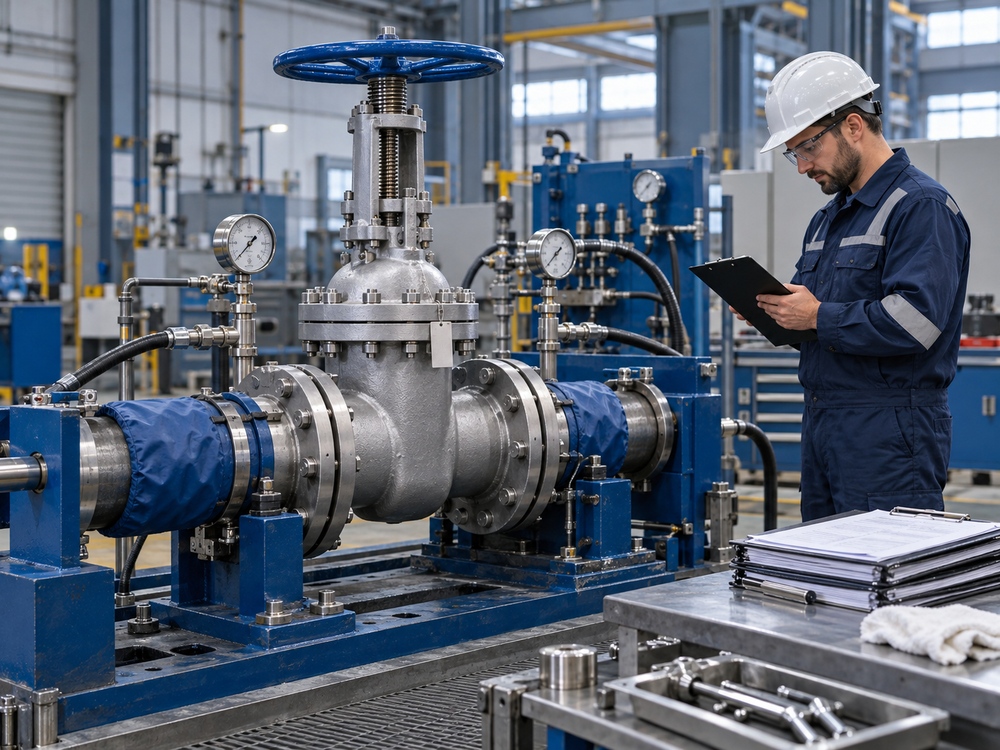
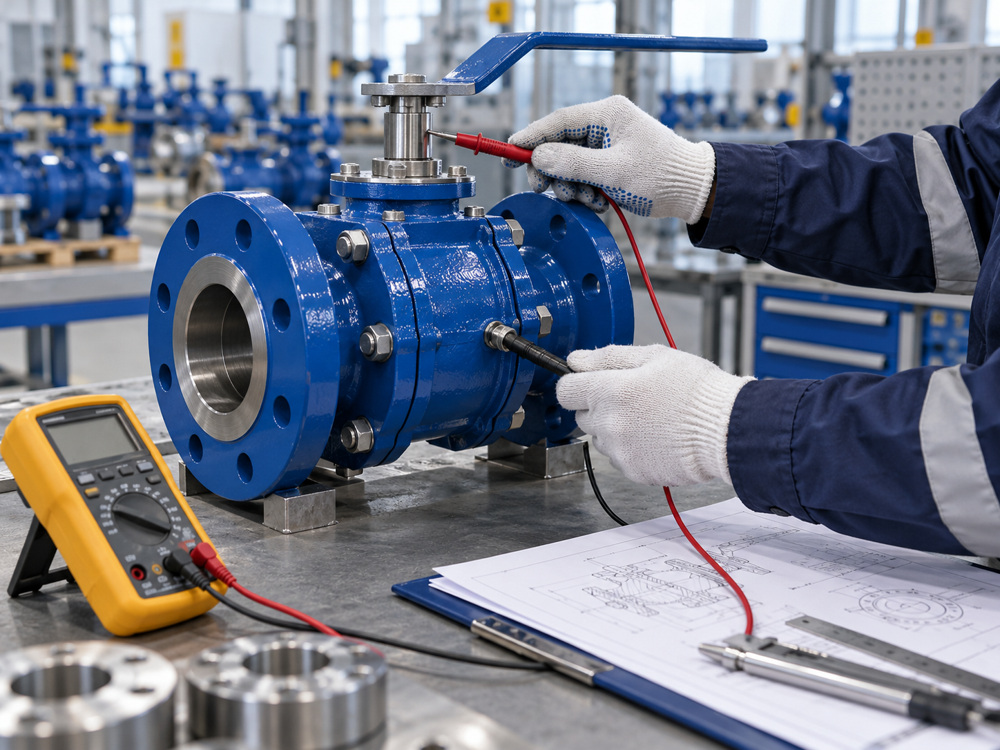
Before shipment, Vcore Valve can review inspection, marking, documentation, and export packing requirements according to the confirmed purchase specification.
Performance Advantages
- Guided ball movement can help reduce unnecessary rubbing during opening and closing when correctly selected.
- Material and seat options can be reviewed for abrasion and corrosion concerns.
- Helps buyers avoid using a standard ball valve where media conditions require more careful sealing behavior.
- Can be specified with manual or automated operation after torque review.
- Datasheet-based confirmation keeps technical claims aligned with the actual product supplied.
Comparison Guide
| Decision Point | WCB Track Ball Valve | Alternative Option |
|---|---|---|
| Sealing movement | Uses a guided movement concept to manage seat contact. | Standard ball valves may rotate with more direct seat contact. |
| Abrasive service | Can be evaluated for slurry or abrasive media after media review. | Ordinary soft-seat valves may wear quickly if selected incorrectly. |
| Specification detail | Requires media and solids information before recommendation. | Generic shut-off valves may be easier to quote but risk mismatch. |
| Operation | Actuator sizing should be based on confirmed torque. | Assumed torque may cause automation problems. |
Application Checklist
Use this checklist before confirming a quotation so the valve matches the actual service condition instead of an unverified catalogue value.
- Describe the medium and whether particles, slurry, or crystallization are present.
- Provide expected operating frequency and normal valve position.
- Confirm body material, seat material, and end connection requirements if already specified.
- State any inspection, documentation, or testing requirements in the inquiry.
- Use the final datasheet before publishing ratings, leakage class, or standard compliance.
Typical Applications
| Application Scenario | Why This Valve Type Fits |
|---|---|
| Slurry transfer lines | Can be reviewed where media contains particles and sealing wear is a concern. |
| Abrasive process service | Material and seat selection can be matched to the wear condition. |
| Chemical and utility isolation | Useful when controlled movement and stable shut-off are needed. |
| Automated process packages | Can be configured with actuation after torque and duty are confirmed. |
Related Ball Valve Options
For nearby selections, compare this product with fully welded ball valves, fire safe ball valves, and API 6D ball valves when those designs are technically relevant to the service.
Frequently Asked Questions
What is the advantage of a WCB Track Ball Valve?
It uses guided ball movement to help manage contact between the ball and seat, which can be useful in demanding shut-off service.
Is a Track Ball Valve always suitable for slurry?
No. Slurry suitability depends on particle size, concentration, abrasion level, material selection, and the selected model datasheet.
Can it be supplied with an actuator?
Yes. Pneumatic or electric actuation can be reviewed after torque, operating frequency, and control requirements are confirmed.
Can Vcore Valve confirm leakage class?
Leakage class must be confirmed by the selected valve model, seat design, inspection requirement, and datasheet.
What information is needed for selection?
Provide medium, solids content, operating condition, connection type, material preference, and any required test or documentation standard.