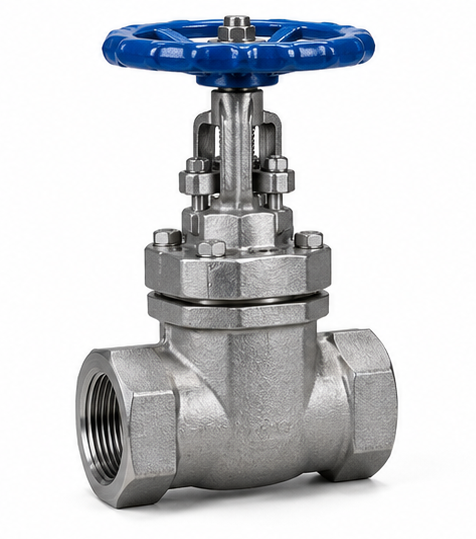
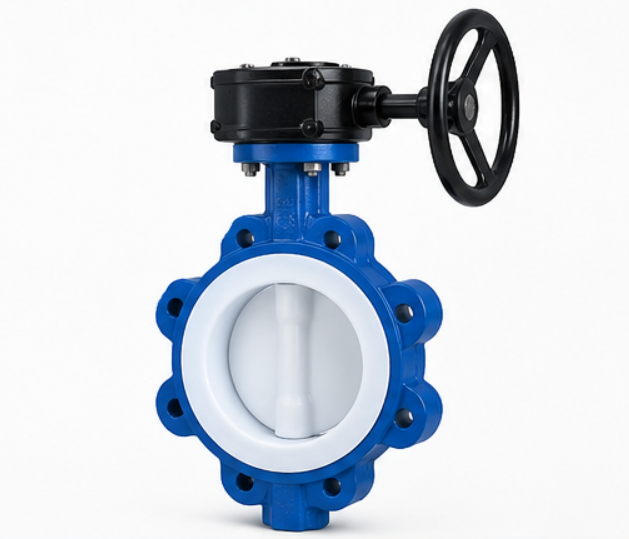
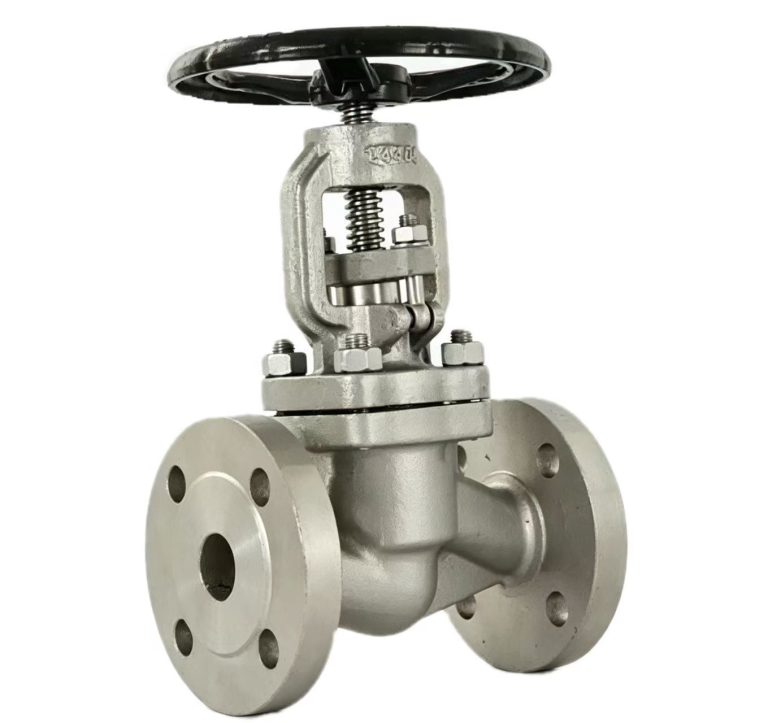
Spring Check Valve
Product Overview
At Vcore Valve Company, we understand that reliable flow control is critical to maintaining the safety and efficiency of your systems. That’s why we proudly offer our Spring Check Valve, a high-performance valve designed to prevent backflow and ensure the safe, one-way flow of liquids and gases in various industrial applications.
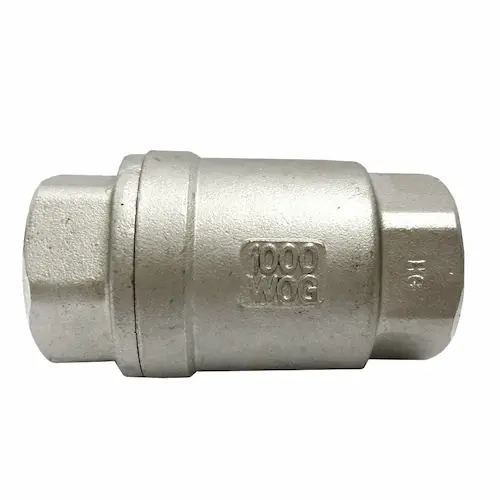
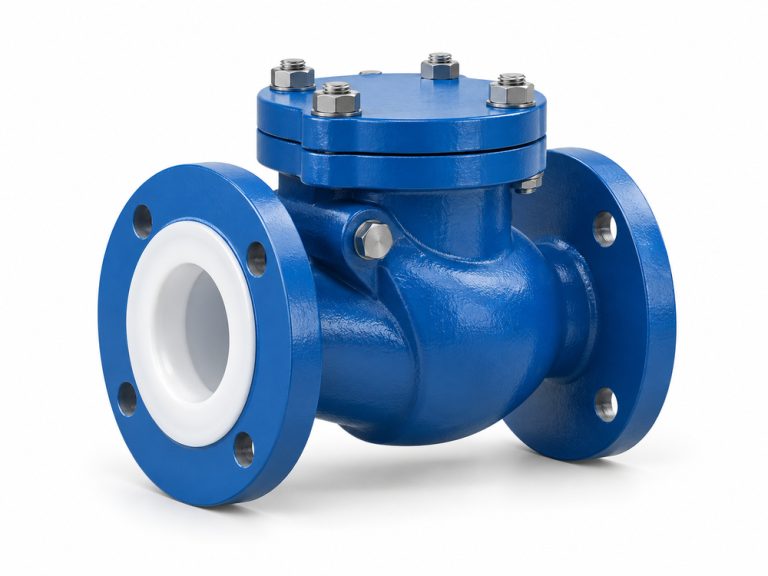
A spring check valve uses a spring mechanism to automatically close when fluid flow reverses, preventing the flow from reversing and protecting pumps, pipes, and other critical equipment from damage. This valve is essential in applications where maintaining consistent, one-way flow is crucial for system integrity, making it ideal for use in water treatment, oil and gas, HVAC systems, and other industrial processes.
Why Choose Our Spring Check Valve?
-
Reliable Backflow Prevention: The primary function of the spring check valve is to allow fluid flow in only one direction, effectively preventing backflow. This ensures that your system operates continuously without interruption, protecting pumps and other equipment from potential damage caused by reverse flow.
-
Spring-Loaded Mechanism: The built-in spring mechanism enables the valve to automatically close when the flow of fluid reverses, ensuring consistent performance. This design eliminates the need for manual intervention, saving time and reducing labor costs.
-
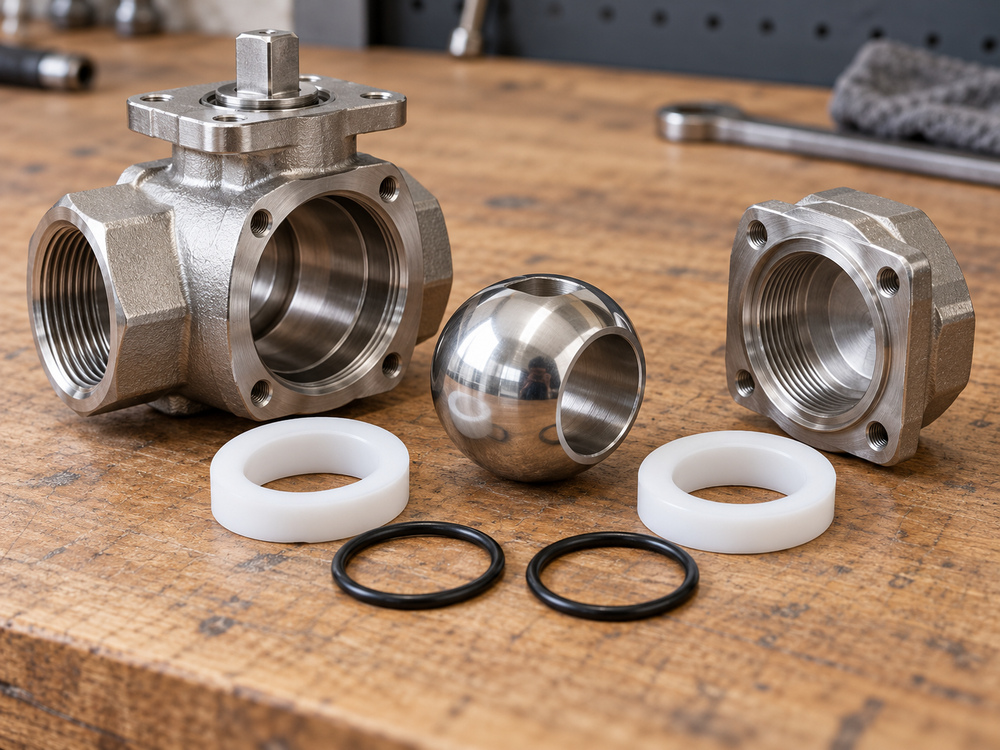
Durable Construction: Our spring check valves are made from high-quality materials such as stainless steel, cast iron, and brass. These corrosion-resistant materials ensure that the valve performs well even in harsh environments, such as those exposed to chemicals, water, or oil.
-
Compact and Efficient: The compact design of the spring check valve makes it easy to install in tight spaces while still delivering reliable performance. Its small size doesn’t compromise its ability to prevent backflow, providing an efficient solution for various system sizes and requirements.
-
Low Maintenance: Designed for durability, the spring check valve is low-maintenance and has a long service life. The simple, robust mechanism minimizes the need for frequent repairs and ensures continuous operation.

Product Specifications
| Feature | Specification |
|---|---|
| Material | Stainless Steel, Cast Iron, Brass (Custom materials available) |
| Size Range | 1 inch to 12 inches (Custom sizes available) |
| Pressure Rating | PN16, PN25 (Custom ratings available) |
| Temperature Range | -20°C to 150°C |
| Connection Type | Flanged, Threaded, Welded |
| Flow Direction | One-way (Prevents backflow) |
| Spring Type | Tension Spring (Adjustable tension) |
| Service Life | Long-lasting with low maintenance |
| Application | Water, Oil, Gas, Chemicals, HVAC, Fire Protection |
| End Connection | Male/Female Thread, Flanged, Welded |
Key Benefits of Choosing Our Spring Check Valve
-
Automatic Backflow Prevention: The spring-loaded mechanism ensures that the valve automatically closes when the flow reverses, preventing backflow without the need for manual intervention.
-
Corrosion-Resistant Construction: Our valves are made from high-quality, corrosion-resistant materials such as stainless steel and brass. This ensures that the valve remains reliable even in harsh environments, reducing the risk of damage due to rust or wear.
-
Low Maintenance and Long Lifespan: With fewer moving parts and a durable spring mechanism, the spring check valve requires minimal maintenance and offers a long service life, reducing operational costs and downtime.
-
Compact and Space-Saving: Despite its small footprint, our spring check valve provides powerful backflow prevention, making it ideal for installations with limited space without compromising on performance.
-
Versatile and Efficient: This valve is suitable for a wide range of applications, including water systems, oil pipelines, HVAC systems, and industrial fluid control systems, offering a reliable solution for various industries.

Ideal Applications
Our Spring Check Valve is designed for industries and systems that require precise flow control and backflow prevention. Here are some of the ideal applications:
-
Water Treatment: In water treatment plants, preventing backflow is crucial to avoid contamination of treated water. Our spring check valve ensures that the treated water remains in the correct direction, protecting the system and maintaining water quality.
-
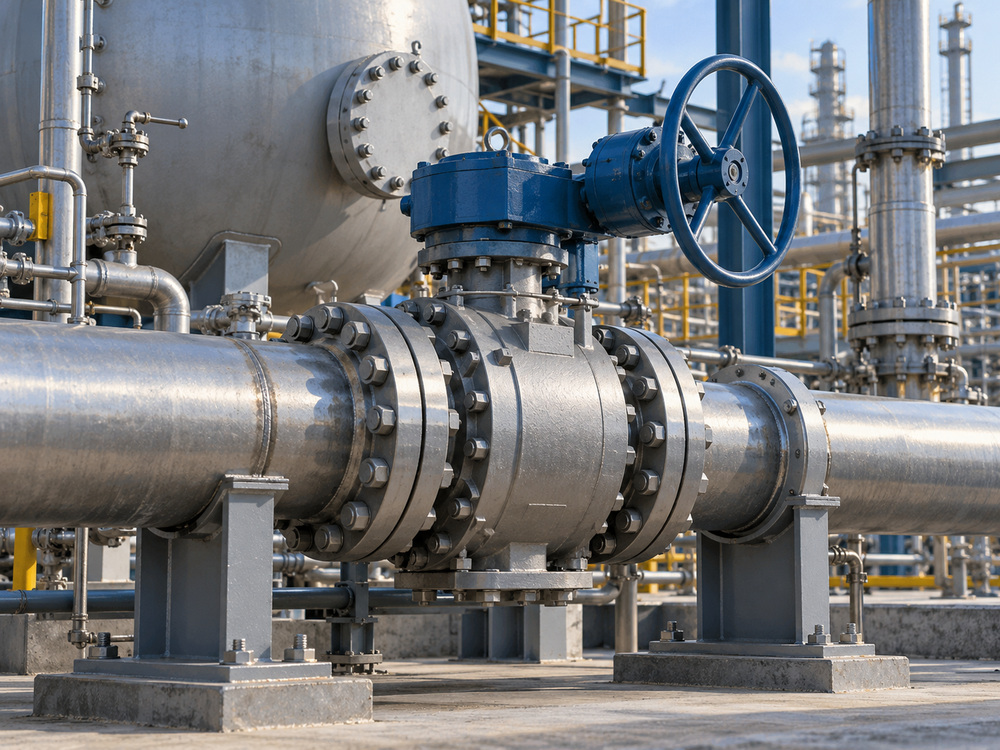
Oil & Gas: In the oil and gas industry, preventing reverse fluid flow is critical for maintaining system pressure and ensuring safe operations. The spring check valve ensures the safe and efficient transport of oil, gas, and other liquids through pipelines.
-
HVAC Systems: In heating, ventilation, and air conditioning systems, backflow can affect system efficiency. The spring check valve helps maintain the correct flow direction of fluids, preventing reverse flow and ensuring optimal performance.
-
Fire Protection: In fire protection systems, it is crucial that water flows in the correct direction. The spring check valve helps maintain system integrity, ensuring that water reaches the sprinkler heads when required and preventing reverse flow that could damage the system.
-
Chemical Processing: In chemical plants, backflow could lead to dangerous contamination of chemicals or other fluids. The spring check valve ensures safe, one-way fluid movement, protecting your processes and maintaining safety.
Installation Guidelines
-
Correct Flow Direction: Ensure that the valve is installed with the correct flow direction, indicated by the arrow on the valve body. The spring check valve should be placed at the end of the suction line to prevent backflow.
-
Connection Type: Choose the appropriate connection (flanged, threaded, or welded) based on your system’s requirements. Properly tighten all connections to prevent leaks and ensure the valve functions as intended.
-
System Testing: After installation, perform a system test to ensure the valve is working properly. Check for leaks and verify that the valve closes properly when the flow direction reverses.
Maintenance Tips
-
Periodic Inspection: Regularly inspect the valve for any signs of wear or corrosion, especially around the spring mechanism and seals. Ensure that the valve closes tightly when backflow occurs.
-
Cleaning: Clean the valve and its components if you notice any debris or build-up. This is particularly important in systems where the fluid carries particles or chemicals that could clog the valve.
-
Spring Tension Check: If you notice the valve not closing properly, check the spring tension. Adjust it as necessary to ensure reliable operation.
-
Seal Replacement: Over time, seals may wear out. If the valve is leaking, replacing the seals will help restore its functionality.