Quick Summary
This article delves into soft vs hard seal valve durability life tests, focusing on two core structures and three key metrics.
User Pain Points
Uncertainty About Durability in Harsh Environments
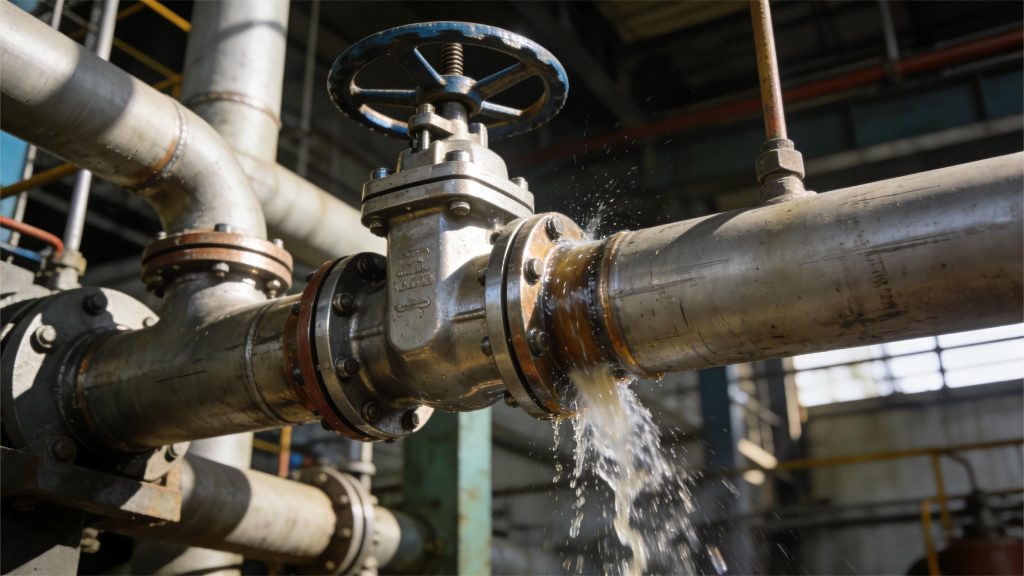
Many industrial users struggle to predict how soft vs hard seal valves will perform in extreme conditions. Soft-seal valves, with their elastomeric seals, often fail prematurely in high-heat settings, while hard-seal valves may leak in low-pressure applications. This uncertainty leads to unplanned downtime, costly replacements, and compromised production safety.
Lack of Clear Metrics for Durability Comparison
Without standardized metrics, comparing soft vs hard seal valves becomes a shot in the dark. Users often rely on vague manufacturer claims instead of concrete data.
Difficulty in Matching Valve Type to Application
Different industries have unique needs, but many users lack clear guidance on which seal type fits their use case. For instance, a food plant might opt for soft seal valves for tight sealing but overlook their vulnerability to frequent cleaning cycles, while an oil refinery might choose hard seal valves without considering their higher torque requirements. This misalignment leads to reduced valve lifespan and increased maintenance costs.
Solutions & Recommendations
Conduct Targeted Durability Life Tests Based on Operating Conditions
Customise life tests for soft vs hard seal valves to mimic your specific operating environment. For high-temperature applications, test valves at 200–500°C with cyclic pressure changes to measure seal degradation. For corrosive media, use simulated process fluids to assess material resistance. Partner with accredited labs to ensure test results are reliable.
Adopt 3 Core Metrics for Standardised Comparison
Focus on three key metrics to compare soft vs hard seal valves durability: cycle life, seal tightness, and material wear. Document these metrics in a standardised format, making it easy to compare different valve models and manufacturers. This data-driven approach removes ambiguity and enables informed decision-making.
Refer to Industry-Specific Application Guides
Leverage industry guidelines and manufacturer application notes to match soft vs hard seal valves to your use case. For example, the International Organisation for Standardisation (ISO) provides standards for valve selection in different industries. Additionally, reputable manufacturers offer tailored recommendations—e.g., soft seal valves for low-pressure, non-corrosive applications like water treatment, and hard seal valves for high-pressure, high-temperature applications like oil and gas. Internal link: [Industrial Valve Application Guide for Different Sectors]
Case: Petrochemical Refinery High-Temperature Application
A petrochemical refinery tested soft vs hard seal valves for its distillation column (operating at 350°C and 15 bar). Soft seal valves (Viton seals) failed after 2,000 cycles due to seal melting, while hard seal valves (alloy 625 seats) lasted 80,000+ cycles with minimal wear. The refinery standardised on hard seal valves for high-temperature lines, reducing unplanned downtime from 8 hours/month to 1 hour/month. External link (DoFollow): [API Standard 6D for Valves in Petroleum and Natural Gas Industries]
Data Comparison
Key Structures of soft vs hard seal valves
Two core structures define soft vs hard seal valves:
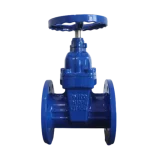
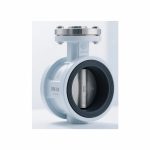
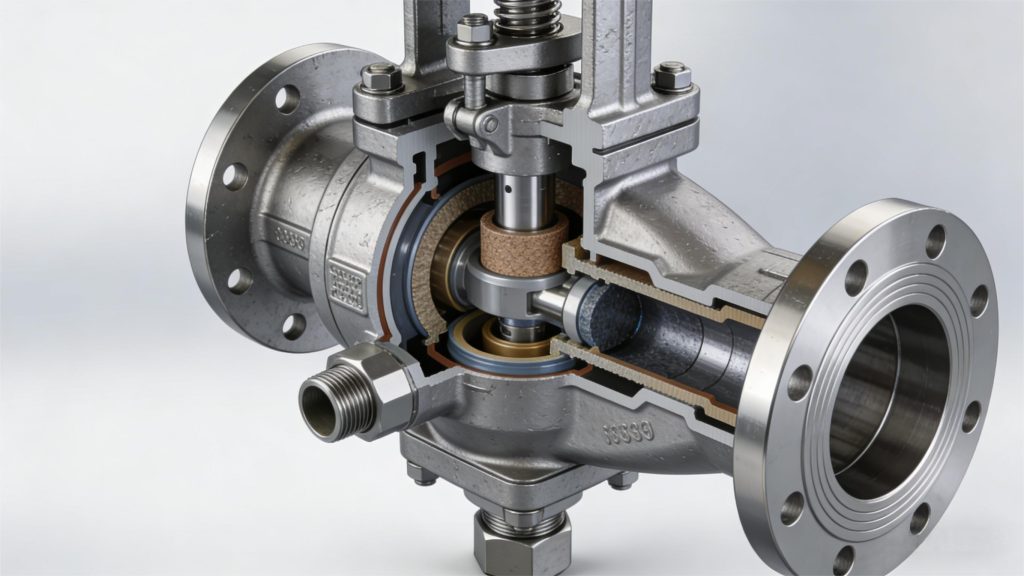
- Soft Seal Valve Structure: Consists of a metal valve body and an elastomeric seal (e.g., EPDM, PTFE, Viton). The soft seal provides a tight shut-off (ANSI Class VI) but is vulnerable to high temperatures, chemicals, and mechanical wear.
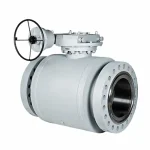
- Hard Seal Valve Structure: Features metal-to-metal seals (e.g., stainless steel, alloy, ceramic). The rigid structure offers high temperature and pressure resistance but has slightly lower sealing performance (ANSI Class IV–V) without inserts.
Durability Test Metrics Comparison Table
| Metric | Soft Seal Valve (EPDM Seal) | Hard Seal Valve (Stainless Steel Seat) | Test Conditions |
| Cycle Life (Open/Close Cycles) | 15,000–30,000 | 50,000–100,000 | 2–5 bar, 25°C, water media |
| Seal Tightness (Leakage Rate) | ≤0.1 ml/min | ≤1.0 ml/min (without insert); ≤0.2 ml/min (with PTFE insert) | 10 bar, 25°C, air media |
| Material Wear (Seal Thickness Loss) | 15% after 10,000 cycles | 3% after 50,000 cycles | 5 bar, 30°C, water with 5% sand particles |
| Max Operating Temperature | 120°C (EPDM); 200°C (Viton) | 450°C (stainless steel); 600°C (alloy) | Continuous operation for 1,000 hours |
Trends
The global soft vs hard seal valves market is evolving with three key trends:
Hybrid Seal Technology: Manufacturers are developing hybrid valves that combine soft and hard seal advantages—e.g., metal seats with PTFE inserts. These valves offer tight sealing (ANSI Class VI) and high durability, catering to industries like pharmaceuticals that need both precision and reliability. Market research predicts hybrid valves will capture 25% of the industrial valve market by 2030.
Smart Durability Monitoring: IoT-enabled valves with sensors are becoming mainstream. These sensors track cycle life, seal wear, and temperature in real time, allowing predictive maintenance for soft vs hard seal valves. A 2024 report by Grand View Research found that smart valves reduce maintenance costs by 35% compared to traditional valves.
Sustainability Focus: Demand for eco-friendly valves is rising. Soft seal valves with recyclable elastomers and hard seal valves made from recycled alloys are gaining traction. Additionally, longer-lasting hard seal valves reduce waste from frequent replacements, aligning with global sustainability goals.
Style
Soft Seal Valve Usage Tips
Use soft vs hard seal valves in low-temperature (≤120°C for EPDM), low-pressure (≤10 bar) applications with non-corrosive media (e.g., water, air). Avoid using them in abrasive or high-chlorine environments, as these degrade soft seals. Regularly inspect seals for cracks or swelling—replace them every 6–12 months in high-use applications. Internal link: [Soft Seal Valve Maintenance Checklist]
Hard Seal Valve Usage Tips
Opt for soft vs hard seal valves in high-temperature (up to 600°C), high-pressure (up to 100 bar) applications with corrosive or abrasive media (e.g., oil, chemicals, slurry). For tight sealing needs, choose hard seal valves with PTFE inserts. Lubricate valve stems regularly to reduce torque and wear—use high-temperature lubricants for extreme conditions.
Conclutions
Soft vs hard seal valves’ durability depends on their structures (elastomeric vs metal-to-metal seals) and performance across three key metrics: cycle life, seal tightness, and material wear. Soft seal valves excel in low-pressure, tight-sealing applications, while hard seal valves dominate high-temperature, high-pressure environments. Hybrid technology and smart monitoring are shaping the future of valve durability.
FAQ
Q1: What is the main difference between soft vs hard seal valves?
A1: The key difference is the seal material: soft seal valves use elastomers (EPDM, PTFE) for tight shut-off, while hard seal valves use metal-to-metal seals for high temperature/pressure resistance. Soft seals offer ANSI Class VI sealing but have lower durability in harsh conditions, while hard seals have higher durability but slightly lower sealing performance (unless fitted with inserts).
Q2: How long do soft vs hard seal valves typically last?
A2: Soft seal valves last 15,000–30,000 cycles in standard conditions (25°C, 2–5 bar), while hard seal valves last 50,000–100,000 cycles. Lifespan varies by operating conditions—high temperature, corrosion, or abrasion can reduce soft seal life to 6–8 months and hard seal life to 2–3 years.
Q3: Can soft seal valves be used in high-temperature applications?
A3: Most soft seal valves (EPDM) are limited to ≤120°C. Viton-sealed soft valves can handle up to 200°C, but beyond that, soft seals melt or degrade. For temperatures above 200°C, hard seal valves are the better choice.
Q4: Do hard seal valves require more maintenance than soft seal valves?
A4: Hard seal valves require less frequent replacement but may need regular lubrication to reduce stem torque. Soft seal valves need more frequent seal replacements (every 6–12 months in high-use) but have simpler maintenance procedures.
Q5: Are hybrid soft-hard seal valves worth the investment?
A5: Yes, for applications that need both tight sealing (ANSI Class VI) and durability (high temperature/pressure). Hybrid valves (metal seats with PTFE inserts) cost 15–20% more than standard valves but reduce downtime and replacement costs by 30–40% in the long run.
Q6: How do I test the durability of soft vs hard seal valves in my plant?
A6: Partner with an accredited lab to conduct tests mimicking your operating conditions (temperature, pressure, media). Focus on cycle life, seal tightness, and material wear. Many manufacturers offer free sample testing—contact your valve supplier for details.
Q7: Which industries prefer soft vs hard seal valves?
A7: Soft seal valves are preferred in water treatment, food processing, and pharmaceuticals (tight sealing, low pressure). Hard seal valves are used in oil and gas, petrochemicals, and power generation (high temperature/pressure, corrosive media).