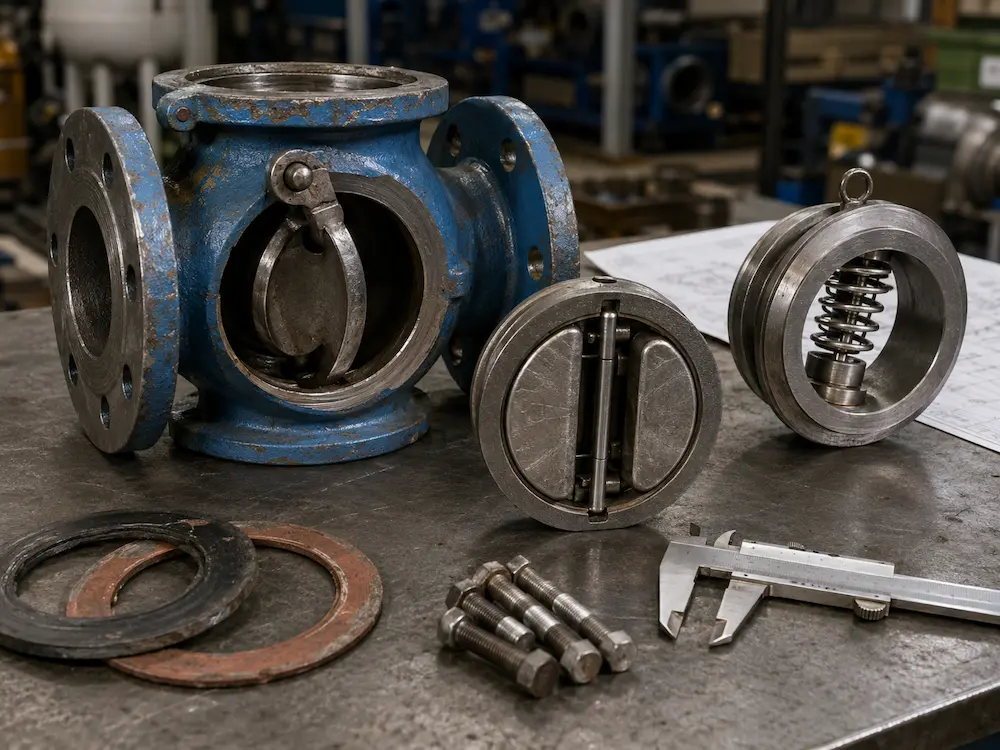
Common check valve problems can cause backflow, pump damage, water hammer, leakage, vibration, noise, pressure loss, and unplanned maintenance in industrial pipeline systems. A check valve is designed to work automatically, but it still depends on correct valve type, flow velocity, installation direction, material selection, and maintenance condition.
In water treatment plants, pump stations, chemical process lines, HVAC systems, wastewater pipelines, power plant utilities, oil and gas systems, and industrial process pipelines, check valve failure can affect both safety and equipment reliability. A small leakage problem may lead to pump reverse rotation, pressure fluctuation, system contamination, or repeated shutdowns.
This guide explains the most common check valve problems, how to diagnose the cause, and how to prevent repeated failure. For a complete overview of check valve types and selection logic, read our main guide on industrial check valves.
Why Check Valves Fail
Check valves usually fail for one of three reasons: wrong selection, wrong installation, or unsuitable operating conditions. A check valve may be manufactured correctly, but still fail if it is oversized, installed backward, used in the wrong flow direction, exposed to dirty media, or selected without considering water hammer risk.
Unlike manual valves, check valves depend on flow behavior. If the flow is too low, unstable, pulsating, or reversing quickly, the disc, plate, piston, or spring may not operate correctly. This can lead to chatter, slam, leakage, or early wear.
Main Causes of Check Valve Failure
- Incorrect valve type for the application
- Oversized valve causing unstable disc movement
- Low or fluctuating flow velocity
- Wrong installation direction or orientation
- Water hammer and pressure surge
- Dirty media, solids, scale, or deposits
- Seat wear, disc damage, or hinge pin wear
- Spring fatigue or corrosion
- Unsuitable body, trim, seat, or gasket material
- Poor flange alignment or pipe support
Problem 1: Check Valve Leakage
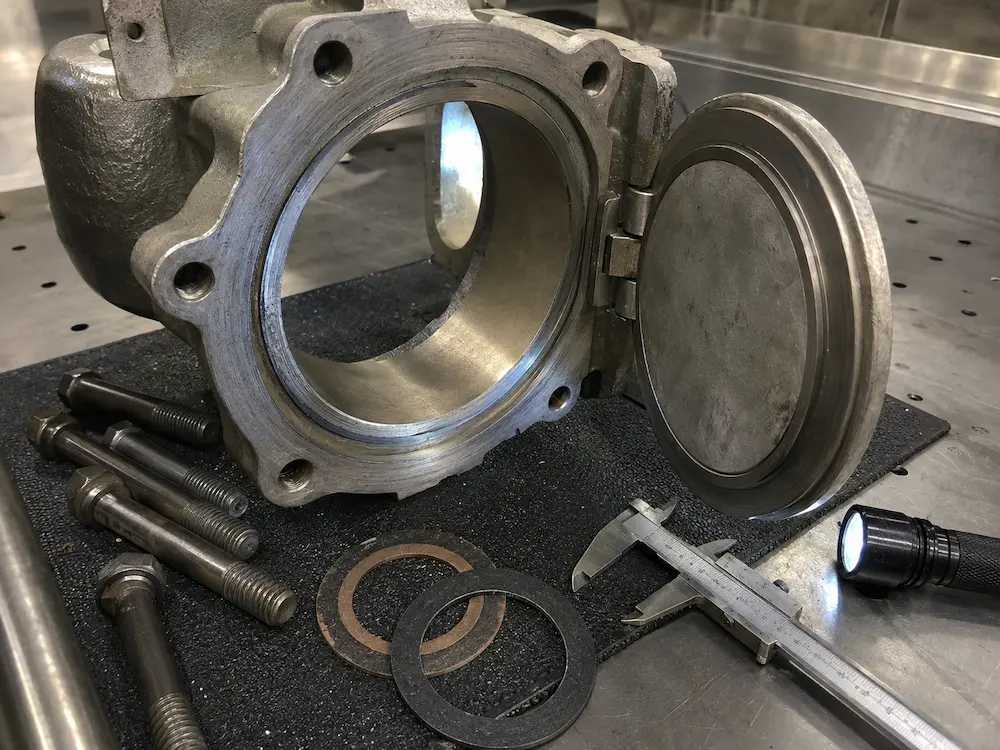
Check valve leakage can be internal or external. Internal leakage means the valve does not fully stop reverse flow. External leakage means fluid escapes from the body, cover, gasket, flange joint, or threaded connection.
Common Causes of Internal Leakage
- Damaged seat surface
- Worn disc, plate, piston, or ball
- Debris trapped between seat and closure element
- Corrosion or erosion on sealing surfaces
- Insufficient back pressure for proper seating
- Valve installed in the wrong direction
- Disc or plate not closing fully because of hinge or spring damage
Common Causes of External Leakage
- Damaged flange gasket
- Uneven bolt tightening
- Poor flange alignment
- Body or cover gasket failure
- Cracked valve body caused by pressure, corrosion, or freezing
- Wrong gasket material for pressure, temperature, or medium
How to Prevent Leakage
- Confirm correct flow direction before installation
- Clean the pipeline before commissioning
- Select suitable seat material for the medium
- Check flange alignment and gasket compression
- Inspect sealing surfaces during maintenance
- Avoid using the valve in dirty or abrasive service unless designed for it
Problem 2: Check Valve Slam
Check valve slam occurs when the closure element closes suddenly against the seat after reverse flow has already developed. This can create loud noise, vibration, pressure surge, and mechanical damage.
Swing check valves may slam in pump discharge systems if the disc closes too late. Dual plate, spring, and nozzle check valves may reduce slam risk when correctly selected, but no check valve should be chosen without reviewing the actual flow condition.
Common Causes of Check Valve Slam
- Slow-closing valve used in rapid flow reversal conditions
- Long pump discharge pipeline
- High static head
- Frequent pump start-stop operation
- Oversized check valve
- Low flow velocity causing unstable disc movement
- Wrong valve type for the pump discharge system
How to Reduce Check Valve Slam
- Select a faster-closing check valve where needed
- Review spring, dual plate, or nozzle check valve options
- Avoid oversizing the valve
- Confirm normal and minimum flow rate
- Review pump shutdown behavior
- Provide proper pipe support near the valve
For high-risk pump systems, read our article on nozzle check valves for water hammer prevention.
Problem 3: Water Hammer
Water hammer is a pressure surge caused by a sudden change in fluid velocity. In check valve systems, it often happens when reverse flow is stopped suddenly as the valve closes. Water hammer can damage valves, pumps, gaskets, pipe supports, and downstream equipment.
Signs of Water Hammer
- Loud banging noise after pump shutdown
- Pipe vibration or movement
- Pressure gauge fluctuation
- Repeated flange gasket leakage
- Valve seat or disc impact damage
- Loose supports or anchor movement
How to Prevent Water Hammer
- Select a check valve with suitable closing speed
- Use non-slam or nozzle check valves for high-risk systems
- Review pump shutdown conditions
- Check pipeline length and elevation changes
- Confirm flow velocity and pressure class
- Consider surge analysis for critical systems
For pump outlet systems, read our guide on check valves for pump discharge.
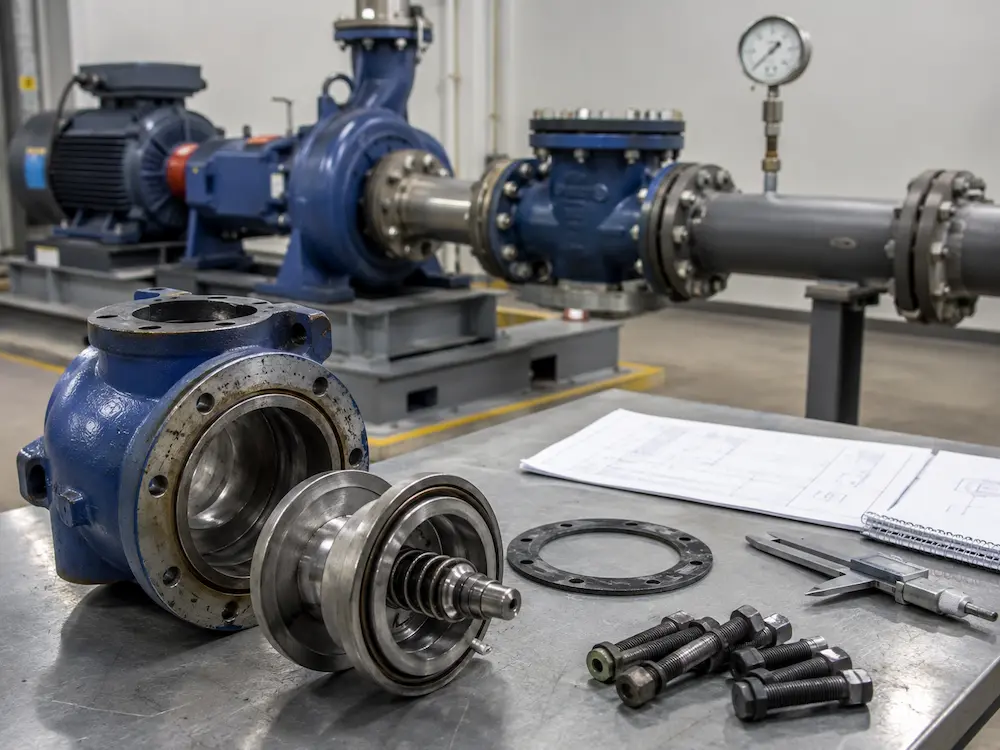
Problem 4: Noise and Vibration
Check valve noise and vibration usually indicate unstable internal movement. The disc, plate, piston, or spring may be moving repeatedly instead of staying fully open or fully closed.
Common Causes of Noise and Vibration
- Valve oversized for actual flow rate
- Low minimum flow velocity
- Flow turbulence near pump outlet, elbow, reducer, or control valve
- Disc chatter caused by unstable flow
- Loose hinge pin, spring, or internal guide
- Incorrect installation direction
- Water hammer or repeated valve slam
How to Solve Noise and Vibration
- Check whether the valve is fully opening during normal operation
- Review valve sizing against actual flow data
- Inspect hinge, spring, disc, plate, and guide components
- Confirm pipeline support and flange alignment
- Review whether a different check valve type is needed
Problem 5: Disc Chatter
Disc chatter occurs when the closure element repeatedly opens and closes under unstable flow. This problem is common when the valve is too large for the actual flow rate or when flow velocity is too low to keep the valve fully open.
Why Disc Chatter Is Dangerous
- Accelerates seat wear
- Damages disc or plate edges
- Creates vibration and noise
- Increases pressure drop
- May lead to leakage
- Can cause spring fatigue in spring-assisted designs
How to Prevent Disc Chatter
- Select the valve according to actual flow rate, not only pipe size
- Confirm minimum flow velocity
- Avoid oversizing
- Use suitable spring-assisted or guided designs where needed
- Install the valve away from severe turbulence when possible
Problem 6: High Pressure Drop
A check valve can create excessive pressure drop if it is not fully open, if the internal flow path is restrictive, or if the valve type is not suitable for the system. High pressure drop may reduce pump efficiency, process capacity, and system performance.
Common Causes of High Pressure Drop
- Valve not opening fully
- Cracking pressure too high
- Spring force too strong
- Wrong valve type for the flow rate
- Debris or scale restricting internal movement
- Valve too small for required flow
How to Reduce Pressure Drop
- Compare Cv or flow coefficient data
- Confirm normal, minimum, and maximum flow rate
- Select correct valve size and type
- Inspect internal parts for obstruction
- Choose low-resistance designs where energy loss matters
Problem 7: Sticking or Failure to Open
A check valve may stick closed or fail to open when the closure element cannot move freely. This can restrict flow, increase pressure, and stop the system from operating correctly.
Common Causes of Sticking
- Rust, scale, or deposits inside the valve
- Sticky or crystallizing media
- Corrosion on guide, hinge, or piston surfaces
- Swollen or damaged soft seat
- Incorrect material for chemical service
- Spring corrosion or mechanical damage
How to Prevent Sticking
- Use suitable materials for the medium
- Avoid piston or guided designs in dirty media unless confirmed
- Clean pipeline before startup
- Inspect internal parts during shutdown maintenance
- Use strainers where appropriate
Problem 8: Spring Failure
Spring-assisted check valves, dual plate check valves, and nozzle check valves depend on spring performance. If the spring fails, the valve may close slowly, leak, chatter, or fail to prevent reverse flow.
Common Causes of Spring Failure
- Corrosion from unsuitable spring material
- Fatigue from frequent cycling
- Excessive temperature
- Chemical attack
- Incorrect spring force for the application
- Debris interfering with spring movement
How to Prevent Spring Failure
- Select spring material according to medium and temperature
- Confirm cycle frequency in frequent start-stop systems
- Inspect spring condition during maintenance
- Use corrosion-resistant spring materials in seawater or chemical service
- Replace fatigued or corroded springs before failure
Problem 9: Corrosion and Erosion
Corrosion and erosion can damage the valve body, disc, plate, seat, hinge pin, spring, gasket, or guide surfaces. Once sealing surfaces are damaged, the valve may leak or fail to close properly.
Corrosion Risk Factors
- Wrong body or trim material
- Chloride-rich water or seawater
- Acids, alkalis, or chemical dosing media
- High temperature accelerating corrosion
- Galvanic corrosion between dissimilar metals
Erosion Risk Factors
- Abrasive particles
- High flow velocity
- Slurry or wastewater solids
- Partially open disc causing local turbulence
- Cavitation or flashing in severe conditions
For corrosive chemical services, buyers should also review our article on common valve failures in chemical pipelines.
Problem 10: Wrong Installation Direction
A check valve installed backward cannot operate correctly. It may block forward flow, increase system pressure, damage the pump, or cause internal valve damage.
How to Avoid Direction Errors
- Check the flow direction arrow on the valve body
- Confirm actual pipeline flow direction on site
- Review pump suction and discharge orientation
- Confirm horizontal or vertical installation suitability
- Check valve drawing before final tightening
For installation details, read our check valve installation guide.
Check Valve Troubleshooting Table
| Symptom | Possible Cause | Recommended Action |
|---|---|---|
| Backflow | Seat damage, debris, wrong installation direction, disc not closing | Inspect seat, clean valve, confirm flow direction, check closure element |
| Internal leakage | Worn seat, damaged disc, corrosion, trapped solids | Inspect sealing surfaces and replace damaged parts |
| External leakage | Gasket failure, flange misalignment, loose bolts | Replace gasket, realign flanges, tighten bolts evenly |
| Valve slam | Slow closure, reverse flow, pump shutdown, oversized valve | Review closing speed, pump data, valve type, and sizing |
| Water hammer | Pressure surge caused by sudden flow change | Review non-slam check valve, pump shutdown, and surge control |
| Noise and vibration | Disc chatter, unstable flow, low velocity, turbulence | Check flow rate, sizing, support, and valve position |
| High pressure drop | Valve not fully open, spring too strong, wrong valve type | Compare flow data, Cv, cracking pressure, and valve design |
| Valve stuck closed | Corrosion, scale, sticky media, damaged guide or spring | Clean internal parts, inspect materials, replace damaged components |
How to Prevent Check Valve Failure
The best way to prevent check valve failure is to select and install the valve according to real operating conditions. Preventive maintenance is important, but it cannot fully correct a poor selection.
Prevention Checklist
- Select check valve type according to flow behavior
- Confirm normal, minimum, and maximum flow rate
- Avoid oversizing
- Confirm installation direction and pipeline orientation
- Review pump discharge and water hammer risk
- Choose suitable body, trim, seat, spring, and gasket materials
- Keep the pipeline clean before commissioning
- Provide proper pipe support and flange alignment
- Inspect internal components during shutdown maintenance
- Replace worn seats, springs, hinges, and gaskets before failure
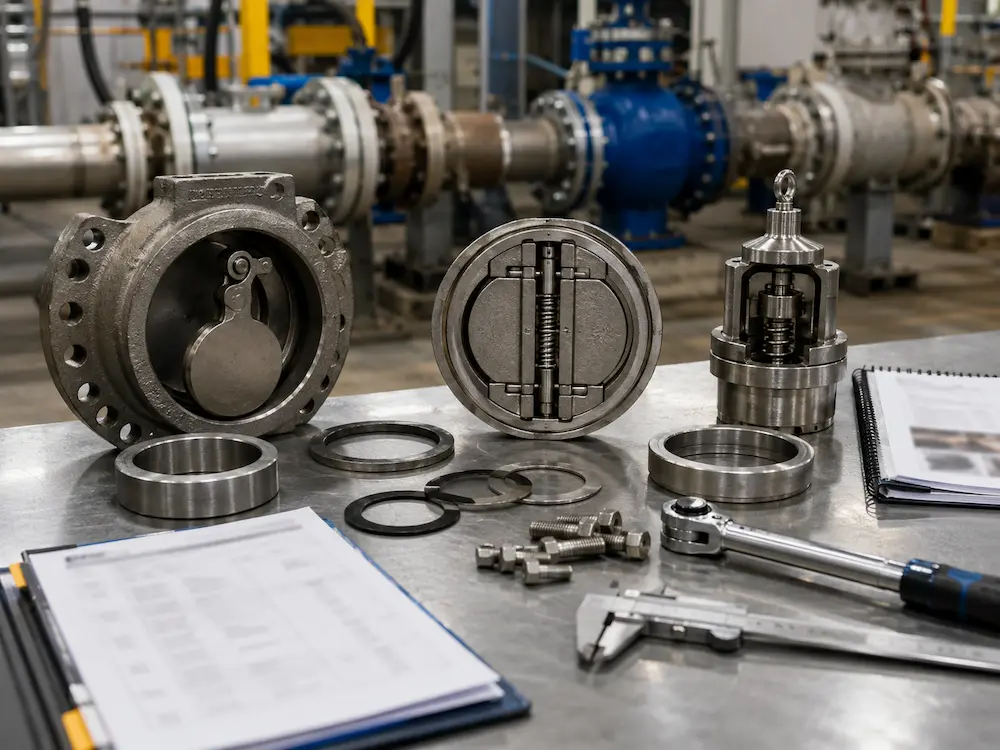
Information Buyers Should Provide for Troubleshooting or Replacement
- Valve type, size, pressure class, and connection type
- Medium name and cleanliness condition
- Operating pressure and temperature
- Normal, minimum, and maximum flow rate
- Installation direction: horizontal or vertical
- Application: pump discharge, water treatment, wastewater, chemical, gas, oil, steam, or utility service
- Failure symptom: leakage, slam, noise, vibration, pressure drop, sticking, or backflow
- Whether the problem occurs during startup, normal operation, or shutdown
- Photos of installed valve, flange joints, and pipeline layout
- Previous valve drawing, datasheet, test report, or material certificate if available
Related Check Valve Guides
For more specific check valve selection and troubleshooting topics, these guides may help:
- Industrial Check Valves: Types, Applications and Selection Guide — main guide for check valve types, materials, and selection logic.
- Check Valves for Pump Discharge — explains pump outlet backflow, reverse rotation, and water hammer protection.
- Nozzle Check Valve for Water Hammer Prevention — explains when fast non-slam closure is needed.
- Check Valve Installation Guide — covers flow direction, vertical installation, flange alignment, and installation mistakes.
Final Recommendations for Industrial Buyers
Common check valve problems are usually not isolated failures. Leakage, slam, vibration, water hammer, disc chatter, pressure drop, and sticking often come from a combination of valve selection, system flow, installation direction, material compatibility, and maintenance condition.
For steady clean water systems, a properly sized swing, spring, or dual plate check valve may work well. For pump discharge systems with water hammer risk, a nozzle check valve or non-slam check valve should be reviewed. For dirty media, wastewater, slurry, or chemical service, internal structure and material compatibility must be checked carefully.
If you need help diagnosing check valve leakage, valve slam, water hammer, backflow, noise, vibration, or repeated failure, Vcore Valve can review your working conditions and recommend a suitable check valve configuration or replacement direction.
For industrial sourcing and maintenance, the key question is not only “Why did this check valve fail?” The better question is: “Was the valve type, size, material, installation direction, and closing behavior correct for this exact system?”
FAQ
1. What are the most common check valve problems?
The most common check valve problems include leakage, backflow, valve slam, water hammer, noise, vibration, disc chatter, high pressure drop, sticking, corrosion, spring failure, and wrong installation direction.
2. Why does a check valve leak?
A check valve may leak because of seat damage, debris trapped in the sealing area, worn disc or plate, corrosion, erosion, insufficient back pressure, or incorrect installation direction.
3. What causes check valve slam?
Check valve slam usually occurs when reverse flow develops before the valve closes. It is common in pump discharge systems with rapid shutdown, long pipelines, high static head, or slow-closing valve designs.
4. Why is my check valve making noise?
Check valve noise may be caused by disc chatter, low flow velocity, oversized valve, turbulence, water hammer, loose internal parts, or poor pipe support.
5. How can I prevent check valve failure?
To prevent check valve failure, select the correct valve type and size, confirm flow rate, avoid oversizing, install the valve in the correct direction, use suitable materials, control water hammer risk, and inspect internal parts regularly.