Quick Overview
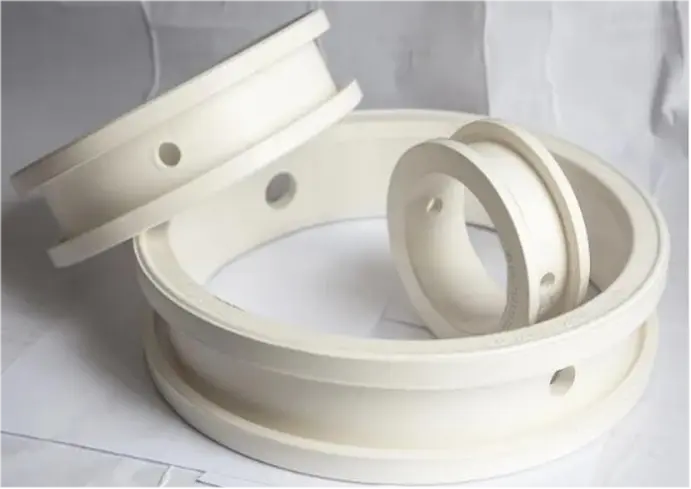
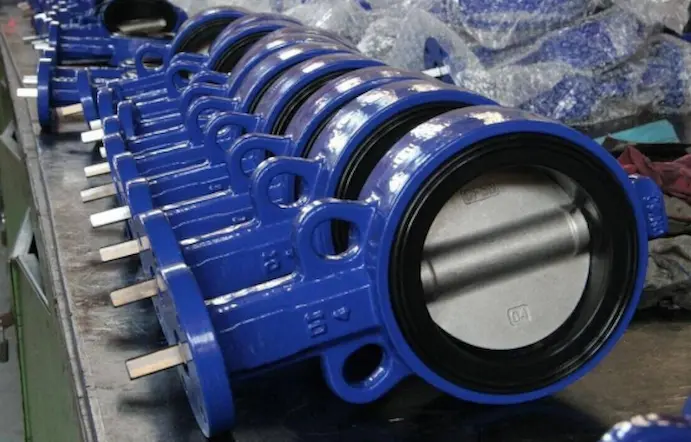
EPDM (Ethylene Propylene Diene Monomer) butterfly valve liners offer excellent corrosion resistance and sealing properties. This makes them ideal for industries handling water, chemicals, and other harsh fluids. In this article, we’ll explore the unique properties and diverse applications of EPDM valve liners, and how they contribute to the overall performance and longevity of butterfly valves.
Introduction
Butterfly valves are widely used in various industrial applications to regulate the flow of liquids and gases. The valve liner, which forms the primary seal within the valve, plays a pivotal role in the valve’s overall functionality. One of the most commonly used materials for these liners is EPDM, a synthetic rubber known for its durability and versatility.
But what exactly makes EPDM butterfly valve liners so valuable? How do their properties contribute to their performance in critical applications? And why is it important to select the right liner material for specific environments?
Common Challenges in Valve Liner Selection
-
Corrosion and Chemical Resistance: Exposure to aggressive chemicals can deteriorate valve liners, leading to leakage or premature failure.
-
Temperature Sensitivity: Many valve liners are vulnerable to high temperatures, limiting their effectiveness in certain industrial processes.
-
Sealing Effectiveness: Poor sealing performance can lead to flow control issues, increasing maintenance costs and system downtime.
Solutions and Recommendations
-
Corrosion Resistance: EPDM liners are highly resistant to oxidation, acids, and water, making them ideal for applications in industries like water treatment and chemicals. They provide a reliable seal in harsh environments, reducing the risk of valve failure due to corrosion.
For more detailed information on how different materials affect the pricing of butterfly valves, you can refer to Factors Affecting Butterfly Valve Prices.
-
Temperature Range Compatibility: The allowable temperature range of an EPDM butterfly valve liner depends on the specific rubber compound, curing system, fluid, pressure, and valve manufacturer. Standard compounds commonly operate at approximately −40°C to +120°C, while specially formulated EPDM may support higher temperatures.
-
Improved Sealing Performance: EPDM’s superior sealing properties ensure that valves remain leak-free, even under fluctuating pressures. This results in lower maintenance costs and reduced system downtime.
Case Study: EPDM Valve Liner in Chemical Processing
In a recent case with a major chemical plant, the replacement of outdated valve liners with EPDM butterfly valve liners resulted in significant improvements in performance. The plant was previously dealing with frequent leaks and corrosion issues in their valves, which led to high maintenance costs and production downtime. After installing EPDM liners, they noticed a 30% reduction in maintenance expenses and a marked increase in valve lifespan.
Data Comparison
To better understand the benefits of EPDM, a comparative study was conducted to evaluate the performance of EPDM liners against other common valve liner materials. The study measured corrosion resistance, sealing performance, and overall durability under standard operating conditions. EPDM consistently outperformed other materials, offering superior resistance to chemical corrosion and better sealing performance at high pressures and temperatures.
| Property | EPDM | Nitrile (Buna-N) | Fluoroelastomer (Viton) | Neoprene |
|---|---|---|---|---|
| Temperature Resistance | -50°C to +150°C | -30°C to +100°C | -20°C to +200°C | -40°C to +120°C |
| Chemical Resistance | Excellent against water, acids, and alkalis | Good resistance to oils and fuels | Excellent against chemicals, acids | Moderate resistance to acids, oils |
| Durability | High | Medium | Very High | High |
| Corrosion Resistance | Excellent | Fair | Excellent | Good |
| Sealing Performance | Superior | Good | Excellent | Good |
| Cost | Moderate | Low | High | Moderate |
| Applications | Water treatment, chemical processing | Automotive, fuel systems | Pharmaceuticals, food processing | Refrigeration, HVAC systems |
Trends in Valve Liner Technology
The valve liner industry is continually evolving to meet the demands of modern industrial applications. Innovations in material science have led to the development of more robust, temperature-resistant, and chemically-resistant liners. EPDM remains a popular choice due to its cost-effectiveness, reliability, and ability to perform in extreme conditions.
Style/Usage Suggestions
When choosing a butterfly valve liner, consider the following:
-
Assess the Fluid Type: Determine if your application involves exposure to acidic or basic fluids, as EPDM excels in chemically aggressive environments.
-
Consider the Operating Temperature: Ensure that the EPDM liner selected is suitable for the temperature range of your process.
-
Regular Maintenance: Even the most durable materials require regular maintenance. Perform routine inspections to ensure your valve liners are in optimal condition.
Conclusion
EPDM butterfly valve liners offer excellent resistance to corrosion, chemical attacks, and temperature extremes, making them ideal for a variety of industrial applications. By understanding their properties and selecting the appropriate material for your application, you can significantly improve valve performance and extend service life.
For more information on our butterfly valves and other products, please visit our Butterfly Valve Product Page. You can also learn more about our company and its commitment to quality by visiting our About Us Page.
FAQs
-
What is EPDM material?
EPDM (Ethylene Propylene Diene Monomer) is a synthetic rubber known for its high resistance to heat, chemicals, and weathering. It is commonly used in valve liners due to its durability and sealing performance. -
What are the benefits of EPDM butterfly valve liners?
EPDM liners offer superior corrosion resistance, temperature stability, and sealing performance, making them ideal for various industrial applications. -
How long do EPDM valve liners last?
The lifespan of EPDM valve liners depends on factors such as fluid type, temperature, and pressure. However, when properly maintained, EPDM liners can last for many years. -
Can EPDM liners be used in high-temperature applications?
Yes, EPDM can withstand a temperature range of -50°C to +150°C, making it suitable for many high-temperature industrial applications. -
Are EPDM valve liners compatible with all chemicals?
EPDM is highly resistant to a wide range of chemicals, including acids and water, but may not be suitable for strong solvents and oils. Always check the chemical compatibility for your specific application.