Quick Overview
Actuators are essential components in modern valve automation systems, controlling the opening and closing of valves based on specific commands. The choice between single-acting and double-acting actuators can significantly impact the efficiency and operation of your valve system. This article explains the key differences between these two actuator types, helping you make an informed decision for your valve automation needs.
Introduction: Understanding Actuators and Their Importance
In automated systems, actuators play a vital role in enabling valves to perform their intended functions without human intervention. Whether you’re working with industrial processes, water treatment, or oil and gas systems, understanding the actuator types available is essential to ensure optimal performance and safety.
Single-acting and double-acting actuators are two commonly used options. But how do you decide which one is right for your application? In this article, we’ll delve into the key differences between these actuator types, their benefits, and how to select the one that best suits your needs.
Pain Points in Choosing Actuators
1. Complexity in Selecting the Right Actuator Type
The wide range of actuator options available can make it difficult to determine which is best suited for a specific application, leading to potential inefficiencies or increased costs.
2. Energy Efficiency Issues
Actuators can consume significant energy, and choosing the wrong type could lead to higher operational costs, especially in large-scale or continuous processes.
3. Maintenance and Durability Concerns
Choosing an actuator with the wrong specifications can lead to increased wear and tear, more frequent maintenance, and shorter lifespans.
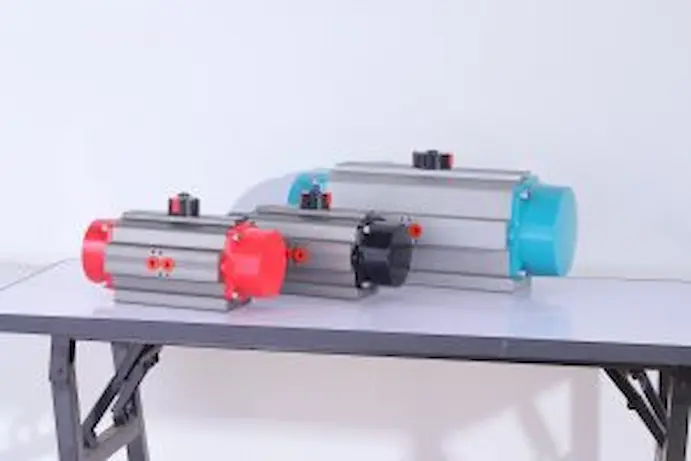
Solutions: Single-Acting vs Double-Acting Actuators
1. Single-Acting Actuators: Simplicity and Cost-Effectiveness
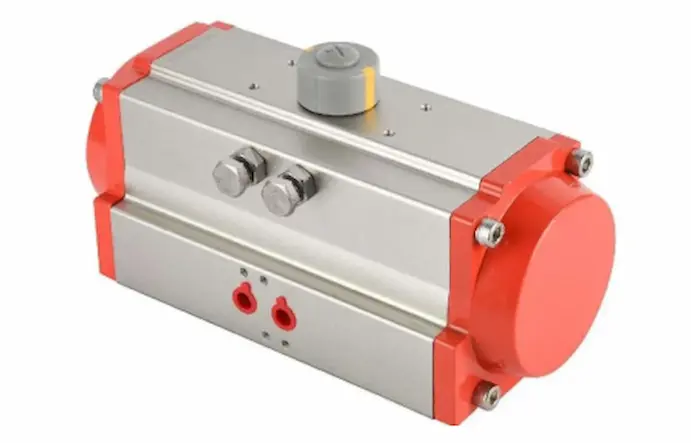
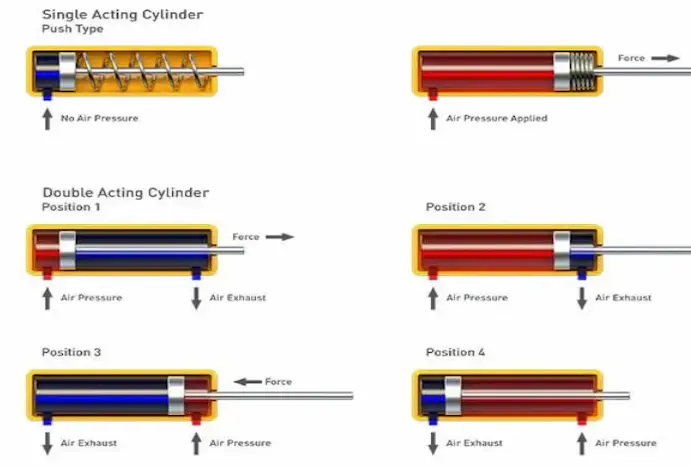
Single-acting actuators, as the name suggests, only operate in one direction. These actuators are typically used when the valve needs to be returned to a default or closed position after an action. They are generally more affordable and simpler to maintain due to their fewer moving parts. They are ideal for applications where the actuator does not require continuous force to open and close the valve.
2. Double-Acting Actuators: Enhanced Control and Versatility
Double-acting actuators provide more precise control by operating in both directions. These actuators are often chosen for more complex applications where the valve needs to be opened and closed with equal force. The double-acting design offers greater versatility and is ideal for applications requiring a higher degree of control, such as modulating valves in critical processes.
3. Energy Considerations
Single-acting actuators typically consume less energy because they only need power to open the valve, while the spring mechanism takes care of closing. Double-acting actuators require continuous power to both open and close the valve, but they offer more consistent performance in more demanding environments.
Case Study: Choosing the Right Actuator for a Chemical Processing Plant
In a recent project, a chemical processing plant was faced with the decision of whether to use single-acting or double-acting actuators for their large-scale valve automation. After evaluating their needs, they opted for double-acting actuators for their critical flow control valves due to the need for precise modulation. The result was a more stable process with reduced downtime, as the plant experienced fewer instances of valve failure or underperformance.
Data Comparison
To better understand the trade-offs, here’s a comparison of the key features of single-acting and double-acting actuators:
| Feature | Single-Acting Actuator | Double-Acting Actuator |
|---|---|---|
| Direction of Operation | One direction (open or close) | Both directions (open and close) |
| Energy Consumption | Lower (uses a spring return) | Higher (continuous power for both actions) |
| Complexity | Simpler, fewer moving parts | More complex with two independent actions |
| Cost | Lower cost | Higher cost due to added complexity |
| Maintenance | Easier and less frequent | Requires more frequent maintenance due to higher complexity |
| Best For | Simple applications, emergency shut-off | Complex processes, modulating valves |
Trends Insights
The demand for energy-efficient actuator solutions is on the rise, driven by increasing energy costs and environmental concerns. Single-acting actuators, with their energy-saving capabilities, are becoming more popular in applications where energy consumption is a key consideration. On the other hand, the versatility of double-acting actuators makes them a strong choice for industries requiring precise, real-time control over flow or pressure.
Another growing trend in actuator technology is the integration of smart features, such as remote monitoring and control, which provide real-time feedback on actuator performance. This is particularly valuable in industries such as water treatment and oil and gas, where actuator reliability is crucial.
Style Suggestions
When selecting an actuator, consider the following:
-
Application Complexity: For simple, on/off applications like emergency shut-off, single-acting actuators are typically sufficient. For modulating control where continuous feedback is needed, double-acting actuators are a better fit.
-
Energy Efficiency: If your system is energy-conscious, opt for single-acting actuators to save on operational costs. However, for applications requiring precise control, the energy consumption of double-acting actuators may be justified by the benefits of enhanced performance.
-
Maintenance Requirements: Single-acting actuators are easier to maintain due to their simpler design. Double-acting actuators, while more complex, provide superior control in demanding environments, but may require more frequent checks and maintenance.
Conclusion
Choosing the right actuator for your valve system is critical to the success of your operations. Single-acting actuators offer simplicity and cost-effectiveness for less complex applications, while double-acting actuators provide the precision and versatility needed for more demanding processes. To ensure optimal performance, it’s important to understand your specific requirements and consult with professionals like Vcore Valve to select the best actuator for your needs.
The single-acting or double-acting configuration should be selected only after the required torque, fail position, air supply, operating frequency and control function are confirmed. Review the complete actuator selection process for pneumatic, electric and hydraulic valve packages.
For further advice on actuator selection and valve automation systems, contact Vcore Valve today!
FAQs
1. What is the primary difference between single-acting and double-acting actuators?
Single-acting actuators operate in one direction and use a spring to return to the default position, while double-acting actuators operate in both directions and require continuous power for both actions.
2. Which actuator is more energy-efficient?
Single-acting actuators are generally more energy-efficient as they use a spring return mechanism, while double-acting actuators require power for both opening and closing actions.
3. Can single-acting actuators handle complex processes?
Single-acting actuators are best for simple, on/off applications. For more complex, modulating processes, double-acting actuators provide better control and versatility.
4. Are double-acting actuators more expensive?
Yes, double-acting actuators tend to be more expensive due to their increased complexity and ability to perform in both directions.
5. What applications benefit from single-acting actuators?
Single-acting actuators are ideal for emergency shut-off valves, simple on/off applications, and situations where energy efficiency is important.
Reference
-
Types of Pneumatic Actuators: A Beginner’s Guide
-
Advantages of Double-Acting Actuators in Process Control