
Valve Actuator Selection Guide: Pneumatic, Electric and Hydraulic Systems
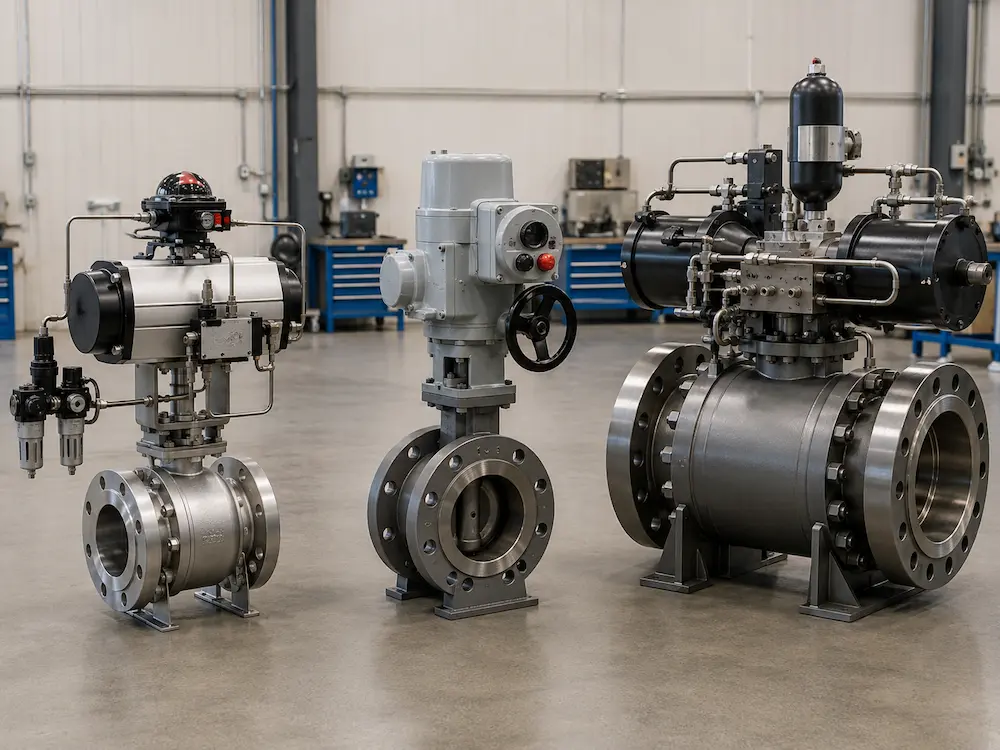
This practical valve actuator selection guide explains how to select pneumatic, electric or hydraulic actuation by valve motion, operating torque or thrust, available utilities, fail action, control mode, duty, environment, mounting interface and package testing requirements.
Pneumatic Actuator Air Consumption: How to Size Air Supply for Actuated Valves
Calculate pneumatic actuator air consumption from chamber volume, absolute supply pressure and cycle frequency, then size the solenoid, regulator and tubing for the much higher flow required during valve travel. Includes a worked example, air-receiver screening method and commissioning checks.
ISO 5211 Actuated Valve Mounting: Flange, Drive and Bracket Alignment
ISO 5211 actuated valve mounting standardizes key attachment dimensions, but a matching flange code does not guarantee a reliable assembly. Learn how to verify the drive, coupling, bracket, alignment, torque path and final travel.
Valve Actuator Torque Sizing: Break Torque, Running Torque and Safety Factor
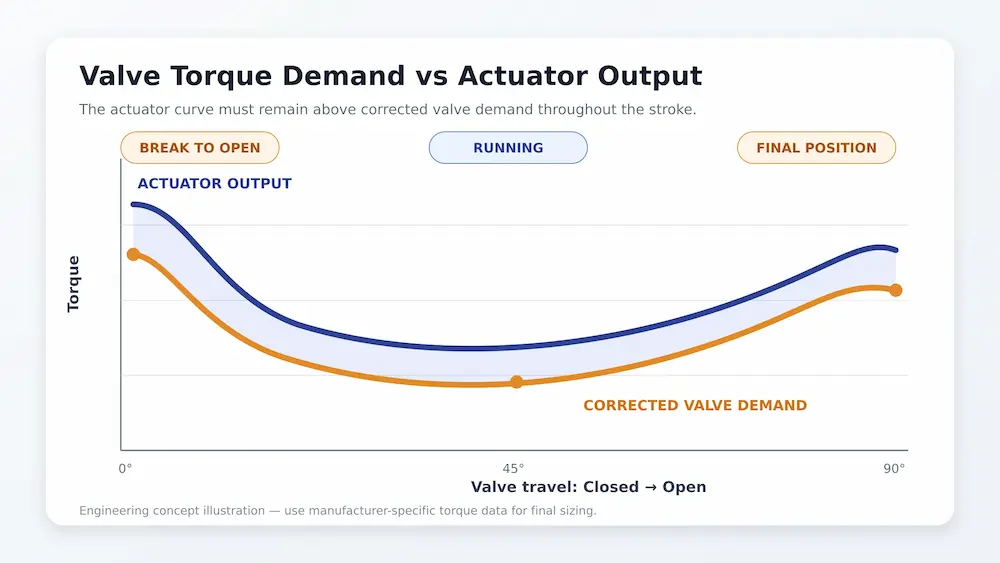
Learn how to size valve actuators using break torque, running torque, seating torque, safety factor, minimum air pressure, spring-return output, electric actuator limits and MAST.
Electric Ball Valves in Chemical Plants: Automation, Safety and Flow Control
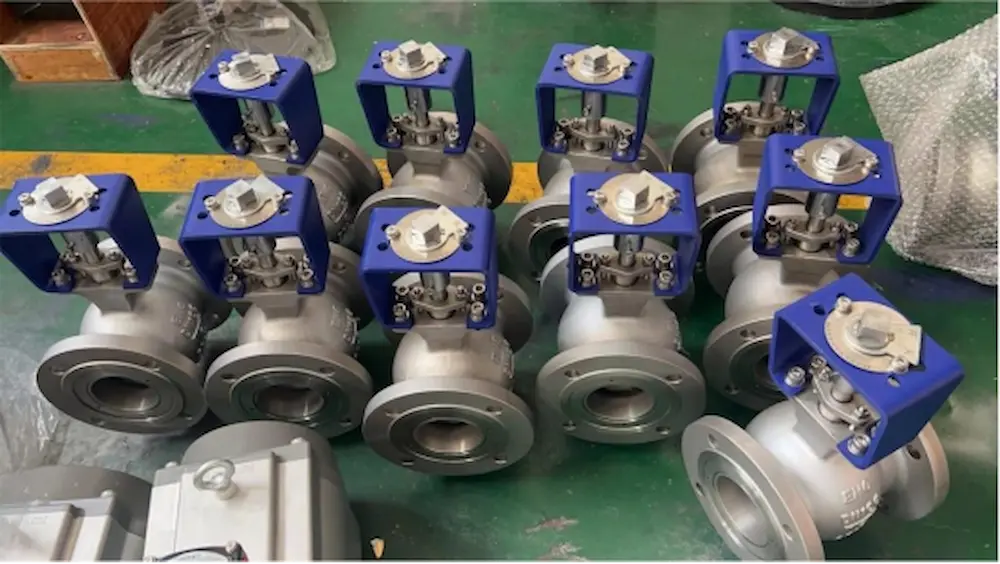
Learn how to choose electric ball valves for chemical plants by valve material, actuator torque, control signal, safety, corrosion resistance, and flow control needs.
The Role of Air Release Valves in Piping Systems
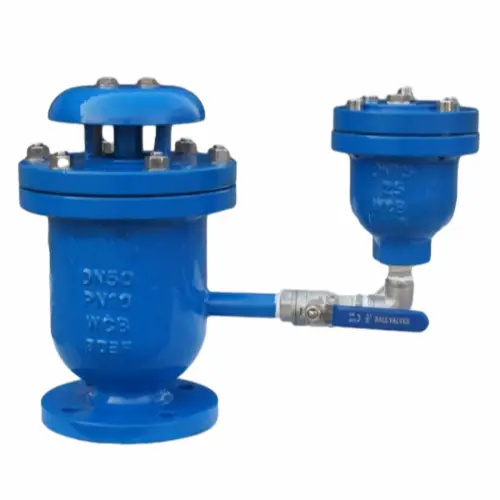
Learn how air release valves remove trapped air from pipelines to prevent air pockets, flow restriction, pressure fluctuations, water hammer, and reduced system efficiency. The guide explains their operating principle, typical installation at pipeline high points, common applications, and key considerations for sizing, inspection, and maintenance.
How Ball Valves Work in Hazardous Locations: Key Insights
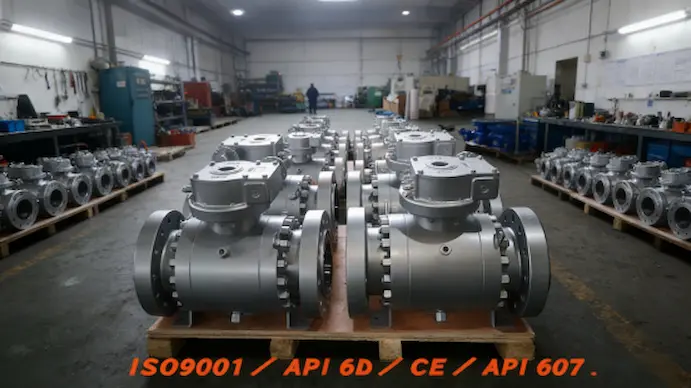
Learn how ball valves are selected for hazardous locations involving flammable gases, vapors, combustible dust, corrosive media, high pressure, or fire-risk service. This guide explains fire-safe ball valve design, anti-static structure, material selection, soft-seat and metal-seat limitations, explosion-proof electric actuators, pneumatic automation, ATEX, IECEx, API 607, leakage testing, emergency shutoff requirements, and key selection factors for oil and gas, chemical processing, refineries, offshore platforms, and hazardous industrial pipeline systems.
Choosing Valves for Multiphase Flow: Key Considerations
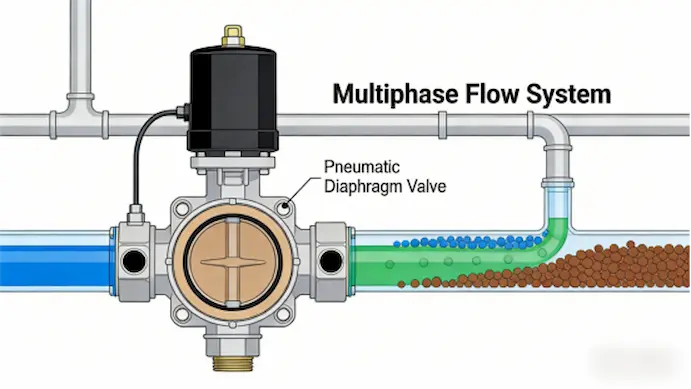
Quick Overview Selecting the right valves for multiphase flow is crucial for efficient and reliable system performance. Multiphase flow involves the simultaneous transportation of multiple phases (liquids, gases, or solids), which can present significant challenges. This article explores the key factors to consider when choosing valves for multiphase flow systems, highlighting the most suitable valve […]
Difference Between Single-Acting and Double-Acting Actuators
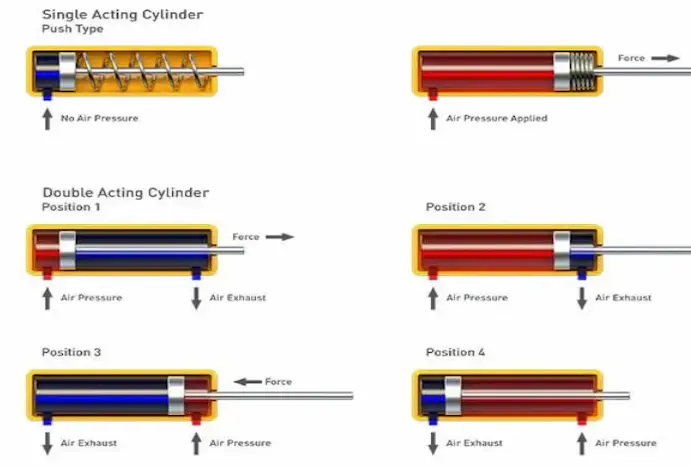
Compare single-acting and double-acting actuators by operating principle, fail-safe function, air consumption, torque output, control capability, maintenance, and application. Single-acting actuators use spring return for automatic fail-open or fail-close operation, while double-acting actuators use air or power in both directions to provide higher torque and more consistent control for demanding valve automation systems.
Pneumatic Butterfly Valve: Actuator Types, Applications and Selection Guide

Learn how pneumatic butterfly valves combine a quarter-turn butterfly valve with a compressed-air actuator for fast and repeatable automated operation. The guide explains double-acting and spring-return actuator options, wafer and lug valve body selection, actuator torque matching, positioner and limit-switch accessories, air-supply requirements, throttling limitations, and key configuration factors for water, HVAC, chemical, food, oil and gas, and industrial automation systems.
Pneumatic Control Valve vs Hydraulic Valve Comparison
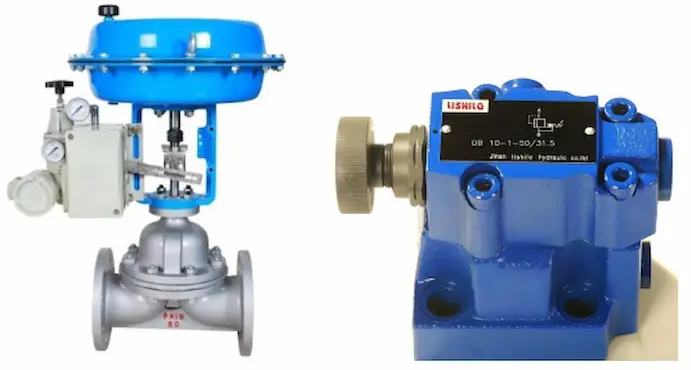
Compare pneumatic control valves and hydraulic valves by power medium, output force, response speed, control accuracy, maintenance, environmental risk, and application. Pneumatic control valves offer fast, clean, and relatively simple operation for chemical, food, pharmaceutical, and automated process systems, while hydraulic valves provide much higher actuation force and precise heavy-load control for mining, steel, heavy machinery, and other demanding applications.