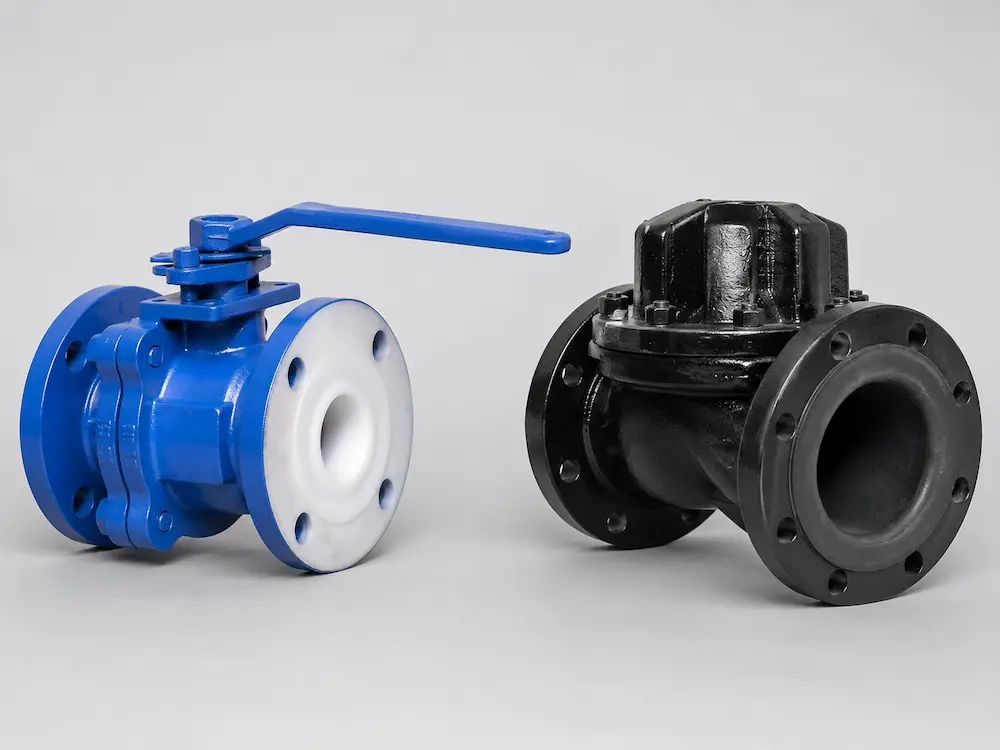
When industrial buyers compare PTFE lined valves and rubber lined valves, the real question is not which one is universally better. The real question is which lining system is better for the actual working condition. In chemical processing, water treatment, mining, fertilizer, wastewater, and slurry systems, the wrong lining choice can cause corrosion, swelling, lining damage, leakage, or early valve failure.
This is why PTFE lined valves and rubber lined valves should not be treated as interchangeable products. Each lining system has its own strengths, limitations, and best-fit applications. PTFE is often chosen for strong chemical resistance, while rubber lining is often selected when abrasion resistance, slurry handling, or cost-performance is important.
This article compares PTFE lined valves and rubber lined valves from a practical B2B buyer’s perspective. It covers chemical resistance, abrasion resistance, temperature and pressure considerations, slurry suitability, mechanical performance, common applications, and selection mistakes. For a broader overview of valve categories and chemical service selection, read our main guide on industrial valves for chemical processing.
Why This Comparison Matters in Chemical Projects
Many buyers know they need a corrosion-resistant valve, but they are not sure whether PTFE lining or rubber lining is the better choice. The confusion usually happens when a project handles acids, alkalis, chemical wastewater, slurry, or mixed media. A supplier may offer both PTFE lined valves and rubber lined valves, but the lower price or familiar material is not always the right choice.
A PTFE lined valve may perform very well in one strong acid application but may not be the best choice for abrasive slurry. A rubber lined valve may perform well in slurry or selected chemical water systems but may not be suitable for certain solvents or high-temperature corrosive media. In other words, the correct lining depends on both chemical compatibility and mechanical service conditions.
If you are comparing lined valves for acid and alkali transfer lines, you can also read our related guide on corrosion-resistant valves for acid and alkali pipelines.
What Is a PTFE Lined Valve?
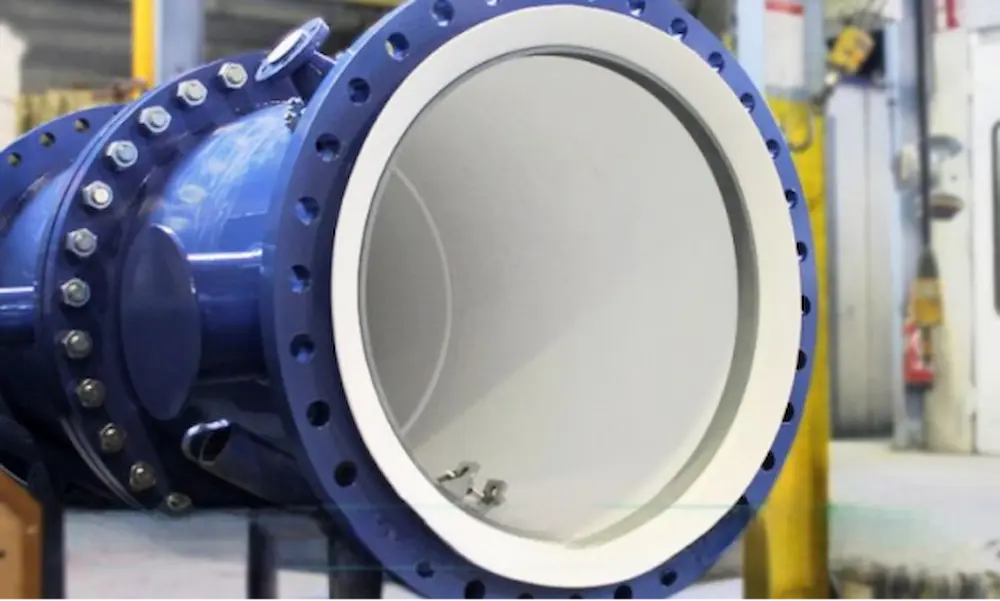
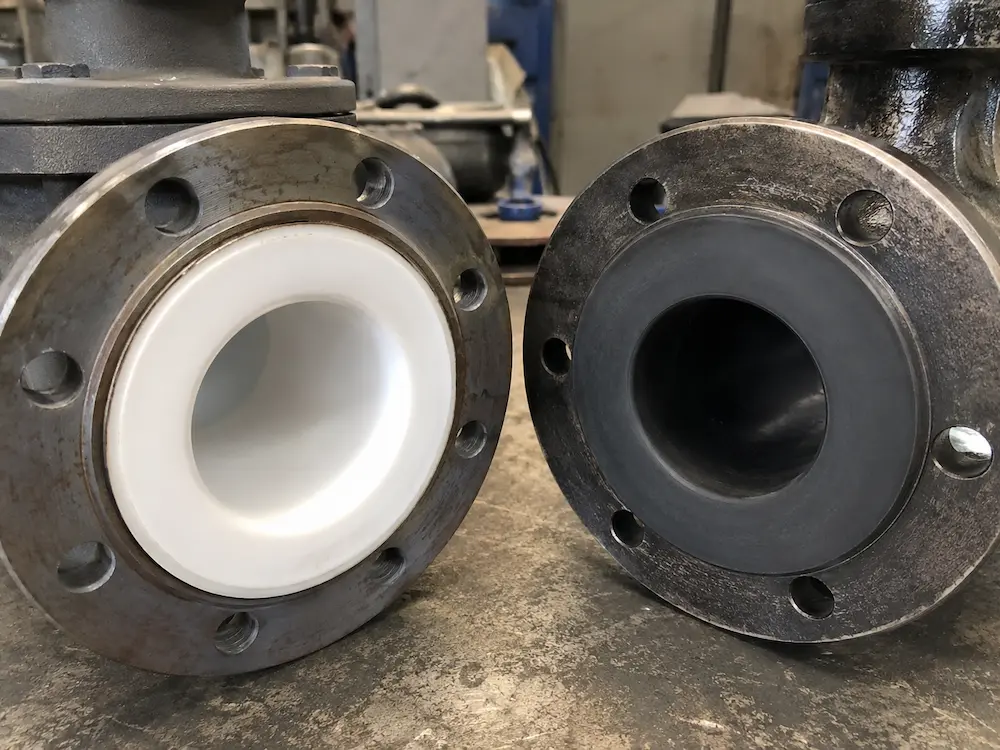
A PTFE lined valve is a valve with an internal lining made from polytetrafluoroethylene or related fluoropolymer materials depending on the design. The purpose of the lining is to isolate the metal body from the process medium and provide strong resistance to many corrosive chemicals.
PTFE lined valves are commonly used in chemical processing, acid and alkali systems, pharmaceutical systems, chemical transfer, and other services where broad chemical resistance is required. Common valve types include PTFE lined ball valves, butterfly valves, plug valves, and diaphragm valves.
The main strength of PTFE lining is chemical resistance. However, buyers still need to evaluate pressure, temperature, vacuum conditions, permeation risk, and mechanical stress. A lined valve should not be selected by chemical compatibility alone.
For projects that require a ball valve structure with PTFE seating and chemical-resistant sealing performance, buyers may also evaluate a PTFE ball valve. This type of valve can be useful in chemical, water treatment, food and beverage, and other fluid control applications where low friction, reliable sealing, and chemical resistance are important.
What Is a Rubber Lined Valve?
A rubber lined valve uses an internal rubber lining to protect the valve body from the process medium. Depending on the application, the lining may use EPDM, natural rubber, nitrile rubber, neoprene, or other elastomer systems. Rubber lined valves are widely used in water treatment, slurry transfer, selected chemical services, wastewater, mining, and abrasive process conditions.
Rubber lining often offers good abrasion resistance and practical cost-performance in suitable services. It is often found in butterfly valves, diaphragm valves, and selected slurry valve designs. However, rubber is not universal. Different rubber materials behave differently in acids, alkalis, solvents, hydrocarbons, oxidizing chemicals, and elevated temperatures.
This means a buyer should not ask only for a “rubber lined valve.” The specific rubber material must be matched to the chemical medium and operating conditions.
For abrasive chemical media, slurry handling, and corrosive process conditions, buyers can also compare rubber-lined valves designed for chemical processing, water treatment, mining, and aggressive fluid applications. This helps buyers evaluate whether rubber lining is more suitable than PTFE lining when wear resistance and corrosion protection are both required.
PTFE Lined Valve vs Rubber Lined Valve: Key Difference Overview
| Comparison Factor | PTFE Lined Valve | Rubber Lined Valve | Typical Buyer Conclusion |
|---|---|---|---|
| Chemical Resistance | Very broad chemical resistance in many corrosive services | Depends heavily on rubber type and medium | PTFE is usually preferred for aggressive chemical media. |
| Abrasion Resistance | Usually lower than rubber in abrasive slurry service | Often better in selected slurry and abrasive applications | Rubber often performs better in mechanical wear conditions. |
| Temperature Range | Often favorable for many chemical services, but valve design limits still matter | Depends on rubber compound and application limits | Neither should be generalized; temperature must be checked case by case. |
| Pressure / Vacuum Suitability | Needs careful evaluation for lining support and vacuum conditions | Needs evaluation for mechanical deformation and lining integrity | Both require design review, not only material review. |
| Slurry Suitability | May not be ideal in heavy abrasive slurry | Often more suitable in slurry and abrasive media | Rubber often has an advantage in slurry applications. |
| Solvent Resistance | Often strong, depending on actual service | Can be limited depending on rubber type | PTFE often has a safer compatibility range. |
| Cost-Performance | Often justified in strong corrosive media | Often attractive in general chemical water and slurry service | Cost must be compared with service life and failure risk. |
Chemical Resistance Comparison
PTFE Lined Valve Chemical Resistance
PTFE lined valves are widely recognized for broad chemical resistance. They are often chosen for strong acids, alkalis, oxidizing chemicals, corrosive process fluids, and chemical mixtures where standard metals or elastomers may have limited resistance. This is one of the main reasons PTFE lined valves are common in chemical processing plants.
For buyers handling highly corrosive media, PTFE is often one of the first materials considered. However, even when PTFE itself is chemically suitable, the overall valve design still matters. Buyers should review temperature, pressure, lining quality, support structure, and whether the service involves vacuum, permeation, or strong cycling.
Rubber Lined Valve Chemical Resistance
Rubber lined valves can also perform well in many services, but chemical resistance depends strongly on the rubber compound. EPDM, natural rubber, and other elastomers have different resistance profiles. Some may be suitable for selected acids or alkalis, while others may perform poorly in solvents, oils, hydrocarbons, or oxidizing chemicals.
Because of this, rubber lined valves require more precise compatibility review. A buyer should match the exact rubber type to the medium, concentration, and temperature instead of assuming that all rubber lined valves perform the same way.
Which Is Better for Chemical Resistance?
For broad chemical resistance alone, PTFE lined valves usually have the advantage. For many aggressive chemical media, PTFE is the safer first option. Rubber lined valves may still be suitable in selected services, especially where the medium is less chemically aggressive or where abrasion is an important factor. But from a pure corrosion-resistance perspective, PTFE is often preferred.
Abrasion Resistance and Slurry Performance
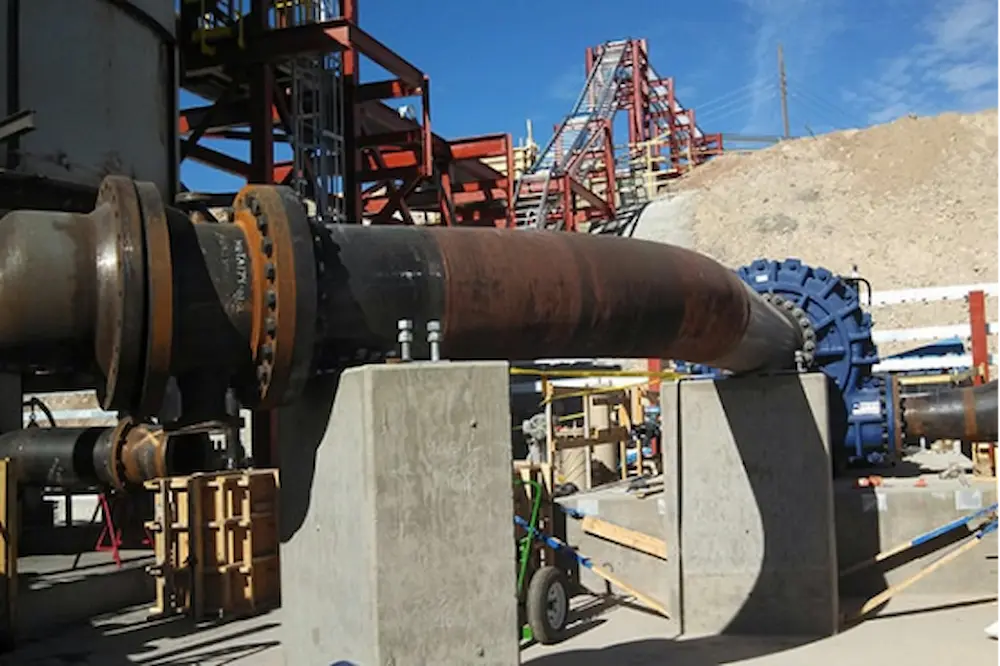
This is where rubber lined valves often become more competitive. In slurry service or applications involving suspended solids, mechanical wear can be more important than pure chemical resistance. A lining that resists chemicals but wears quickly under abrasion may not deliver the best total service life.
Rubber Lined Valves in Slurry Service
Rubber lining often provides good resilience and abrasion resistance in selected slurry services. This makes rubber lined valves a common choice for mining, wastewater, chemical slurry, and abrasive fluid applications. In many cases, the rubber lining helps absorb impact and resist particle wear better than a rigid fluoropolymer lining.
PTFE Lined Valves in Slurry Service
PTFE lined valves are excellent in many corrosive chemical applications, but they are not always the best choice for abrasive slurry. If the process fluid contains solid particles, erosion, or repeated mechanical wear, buyers should carefully evaluate whether PTFE lining is suitable for the service life target.
Which Is Better for Slurry?
For many slurry or abrasive services, rubber lined valves often have the advantage. This is especially true when the chemical medium is moderate but the wear risk is high. For corrosive slurry, the decision becomes more complex because both chemical resistance and abrasion resistance must be balanced.
Temperature and Pressure Considerations
Many buyers compare lining materials only by chemical name, but temperature and pressure can change the result. A lining that works well at ambient temperature may perform differently at higher temperature. Pressure and vacuum conditions can also affect lining stability, deformation, and long-term reliability.
PTFE Lined Valve Considerations
PTFE lined valves are often chosen for corrosive service, but buyers still need to check the manufacturer’s specific design limits. Temperature, pressure, vacuum service, permeation, and support structure all matter. A chemically resistant lining can still fail if the operating conditions exceed the valve’s structural design.
Rubber Lined Valve Considerations
Rubber lined valves must also be checked carefully for temperature range, pressure class, and mechanical support. Rubber compounds have different heat resistance levels. Some rubber materials are well suited for moderate-temperature service, while others may harden, soften, or degrade under unsuitable thermal conditions.
Which Is Better for Temperature and Pressure?
There is no universal winner. The correct choice depends on the actual valve design and the exact lining compound. Buyers should always compare the service condition with the manufacturer’s rating, not only with general material reputation.
Mechanical Reliability and Lining Integrity
Lined valve selection is not only about the chemical compatibility chart. Buyers should also consider how the lining behaves mechanically over time. Common lining-related concerns include adhesion, blistering, deformation, delamination, cracking, permeation, and localized damage at sealing or flow-contact areas.
PTFE Lining Concerns
PTFE lined valves require attention to lining quality, support, sealing design, and manufacturing consistency. In chemically aggressive service, poor lining quality can create early failure even if PTFE is theoretically the correct material.
Rubber Lining Concerns
Rubber lined valves require attention to chemical swelling, wear, temperature influence, and long-term elasticity. In inappropriate media, rubber may swell, crack, soften, or lose mechanical integrity.
In both cases, lining quality and manufacturer experience are important. A good lining system is not only about the material name but also about the production process and design quality.
Typical Applications: Where PTFE Usually Wins
- Strong corrosive chemical transfer
- Acid and alkali pipelines with high corrosion risk
- Chemical media with broad compatibility demands
- Applications where solvent resistance is important
- Projects where chemical attack is the dominant failure risk
For buyers working on acid and alkali systems, PTFE lined valves are often part of the shortlist for chemical resistance. They are especially attractive when corrosion risk is high and the process fluid is relatively clean rather than heavily abrasive.
Typical Applications: Where Rubber Usually Wins
- Slurry and abrasive chemical applications
- Mining and mineral process lines
- Wastewater treatment chemical systems
- Applications where mechanical wear is significant
- Projects where selected chemical compatibility and good cost-performance are both important
Rubber lined valves often become more attractive when the process includes solids, impact, or abrasion. In these cases, the mechanical benefit of rubber may outweigh the broader chemical resistance of PTFE.
Cost-Performance Comparison
Some buyers compare PTFE lined valves and rubber lined valves mainly by initial price. This is understandable, but it can be misleading. The better comparison is total cost of ownership. A lower-cost valve that fails early may create higher overall cost through downtime, replacement labor, flushing, shutdown, and safety management.
PTFE lined valves often justify their cost when corrosion resistance is the main challenge. Rubber lined valves often provide attractive cost-performance when the chemical environment is suitable and abrasion resistance is important. The correct decision depends on failure risk, maintenance cycle, and required service life.
Common Buyer Mistakes When Comparing PTFE and Rubber Lined Valves
Mistake 1: Comparing Only by Price
Choosing the cheaper lined valve without reviewing chemical compatibility and service conditions can lead to premature failure and higher long-term cost.
Mistake 2: Treating PTFE as Automatically Better in Every Case
PTFE is excellent for many corrosive services, but it may not be the best option for abrasive slurry or mechanically aggressive conditions.
Mistake 3: Treating Rubber as One Single Material
Rubber lining is not one universal material. EPDM, natural rubber, and other elastomers have different compatibility and temperature limits.
Mistake 4: Ignoring Temperature and Solids Content
A valve that works well in a clean liquid at room temperature may not perform the same way in hot media or abrasive slurry.
Mistake 5: Ignoring Lining Quality
Even the correct material can fail if the lining quality, adhesion, support design, or manufacturing standard is poor.
PTFE Lined Valve vs Rubber Lined Valve Selection Checklist
| Selection Question | If the Answer Is Yes | Likely Better Direction |
|---|---|---|
| Is the chemical medium strongly corrosive? | Broad chemical resistance is needed. | PTFE lined valve |
| Does the process contain abrasive solids or slurry? | Mechanical wear is important. | Rubber lined valve |
| Is solvent compatibility a concern? | Rubber may be limited depending on compound. | Often PTFE lined valve |
| Is the service mainly water treatment or mild chemical duty? | Selected rubber compounds may be suitable. | Often rubber lined valve |
| Is abrasion the dominant failure risk? | Wear life is more important than broad chemical range. | Often rubber lined valve |
| Is corrosion the dominant failure risk? | Broad corrosion resistance is critical. | Often PTFE lined valve |
Which One Should Industrial Buyers Choose?
If your main problem is strong chemical corrosion, PTFE lined valves are often the stronger candidate. If your main problem is slurry, abrasion, or selected chemical service with particle wear, rubber lined valves may be more practical.
In many projects, the decision is not “PTFE or rubber?” but rather “What is the actual failure mode?” If the likely failure mode is chemical attack, PTFE often wins. If the likely failure mode is abrasion or wear, rubber often becomes more attractive.
Buyers who are still comparing the broader chemical service context should start with our main guide on industrial valves for chemical processing. If your application specifically involves corrosive acid or alkali lines, our article on corrosion-resistant valves for acid and alkali pipelines provides a more application-focused decision framework.
Final Recommendations for B2B Buyers
PTFE lined valves and rubber lined valves both play important roles in chemical processing systems, but they solve different problems. PTFE lined valves are often preferred for aggressive chemical corrosion and broad compatibility requirements. Rubber lined valves are often preferred for selected chemical services where slurry, abrasion resistance, or cost-performance is more important.
The best choice should be based on chemical name, concentration, temperature, pressure, solids content, abrasion level, operation mode, and expected service life. Buyers should also review lining quality, manufacturing consistency, and the supplier’s ability to recommend the correct lining configuration rather than simply offering the lowest-priced option.
If you need help comparing PTFE lined valves and rubber lined valves for your process conditions, Vcore Valve can help review your medium, concentration, temperature, pressure, valve size, solids content, and operating conditions. Buyers can also browse our industrial valve product range to compare lined valves and other industrial valve solutions for chemical processing projects.
For industrial buyers, the best question is not “Which lining is better in general?” The better question is: “Which lining is better for this specific chemical media and failure risk?”
FAQs
1. Is PTFE lining better than rubber lining?
PTFE lining is often better for broad chemical resistance and aggressive corrosive media, while rubber lining is often better for selected slurry and abrasive applications. The better choice depends on the actual working condition rather than the material name alone.
2. When should I choose a PTFE lined valve?
You should usually consider a PTFE lined valve when the medium is strongly corrosive, when broad chemical compatibility is required, or when solvent resistance and corrosion resistance are more important than abrasion resistance.
3. When should I choose a rubber lined valve?
You should usually consider a rubber lined valve when the process includes slurry, solids, abrasive wear, or selected chemical water service where the rubber compound is compatible and mechanical wear resistance is important.
4. Are rubber lined valves suitable for acids and alkalis?
Rubber lined valves can be suitable for some acids and alkalis, but the answer depends on the specific rubber compound, chemical concentration, temperature, and operating condition. Rubber should never be selected as a general category without compatibility review.
5. Can PTFE lined valves handle slurry?
PTFE lined valves can handle some slurry services, but they are not always the best choice for heavy abrasive slurry. When abrasion is the dominant concern, rubber lined valves may offer better service life.