
PTFE Lined Diaphragm Valve vs Plug Valve for Corrosive Chemical Service
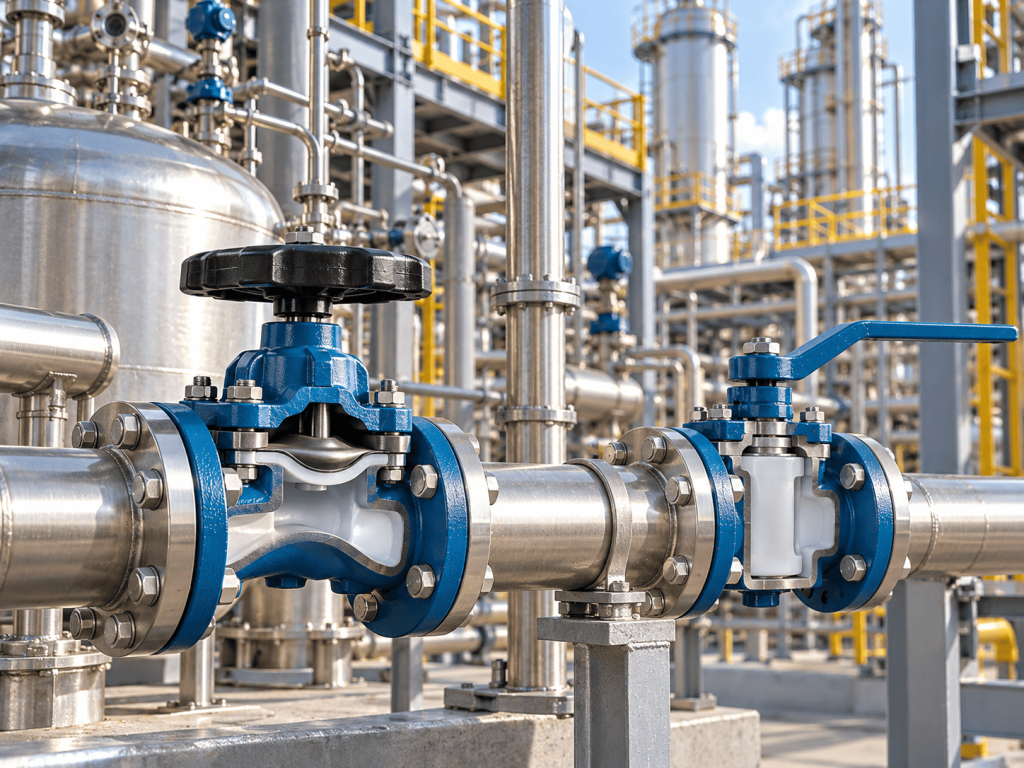
Quick Summary: When comparing a PTFE lined diaphragm valve vs plug valve for corrosive chemical service, the main selection factors are stem isolation, internal flow resistance, lining integrity, sealing materials, operating frequency, temperature and maintenance requirements. A lined diaphragm valve separates the stem and operating mechanism from the process medium through a flexible diaphragm. A […]
Duplex Stainless Steel Valves for Seawater and Corrosive Service
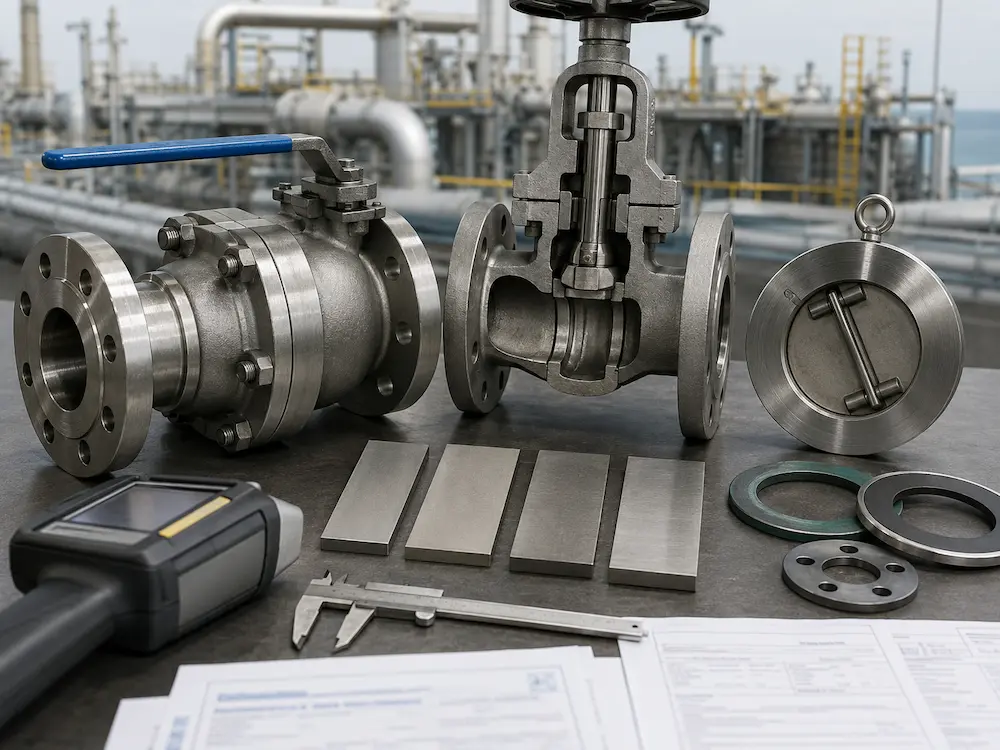
Learn when to choose duplex stainless steel valves for seawater, chloride-containing water, offshore, desalination, chemical, and corrosive industrial service.
Electric Ball Valves in Chemical Plants: Automation, Safety and Flow Control
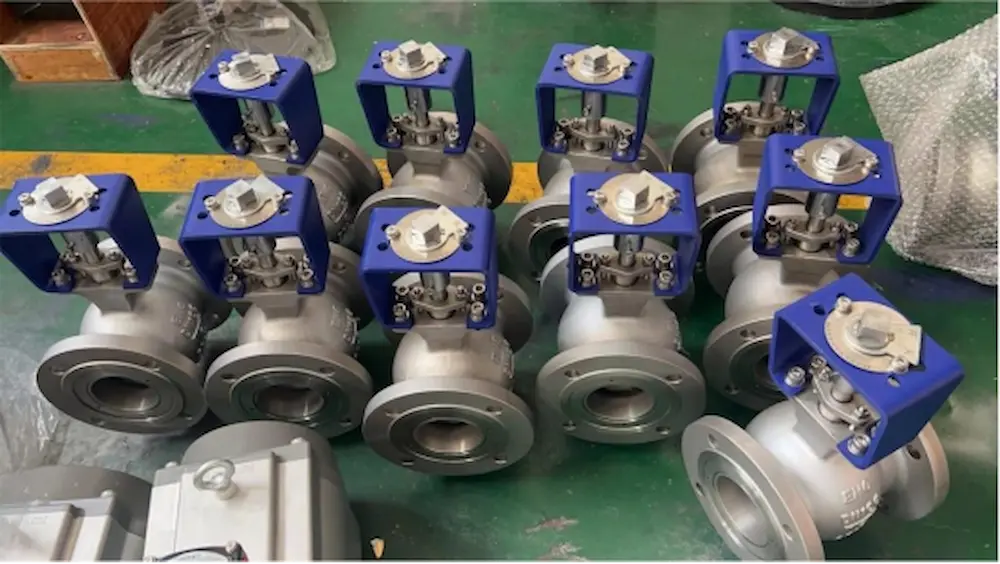
Learn how to choose electric ball valves for chemical plants by valve material, actuator torque, control signal, safety, corrosion resistance, and flow control needs.
Anti-Corrosion Valve Materials for Chemical Processing: Stainless Steel, PTFE, EPDM and Alloys
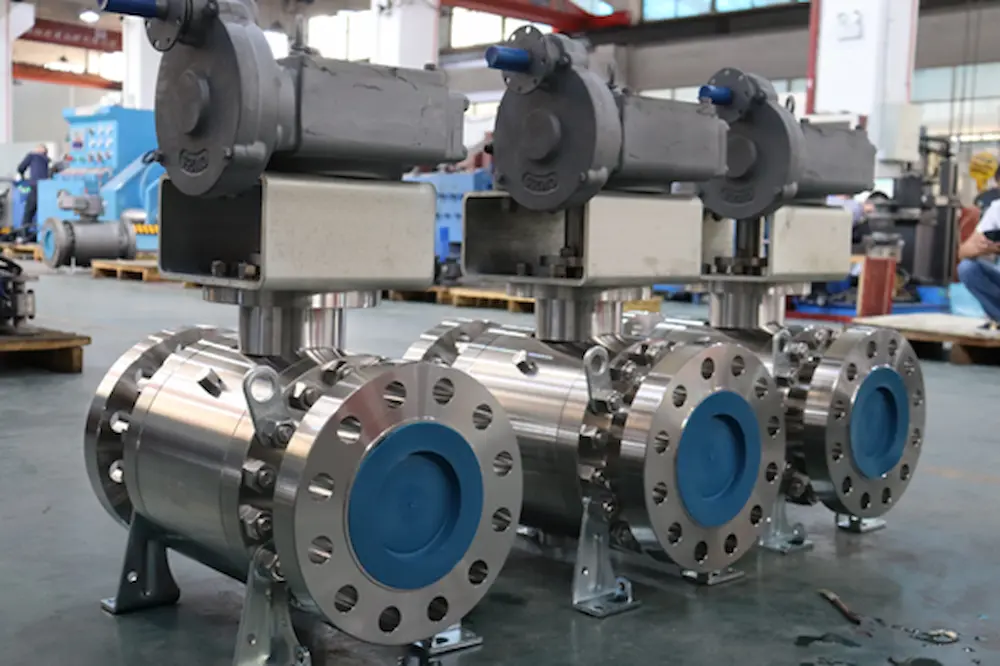
Learn how to compare anti-corrosion valve materials for chemical processing, including stainless steel, PTFE, EPDM, FKM, rubber lining, titanium, and alloy options.
PTFE Lined Valve vs Rubber Lined Valve: Which Is Better for Chemical Media?
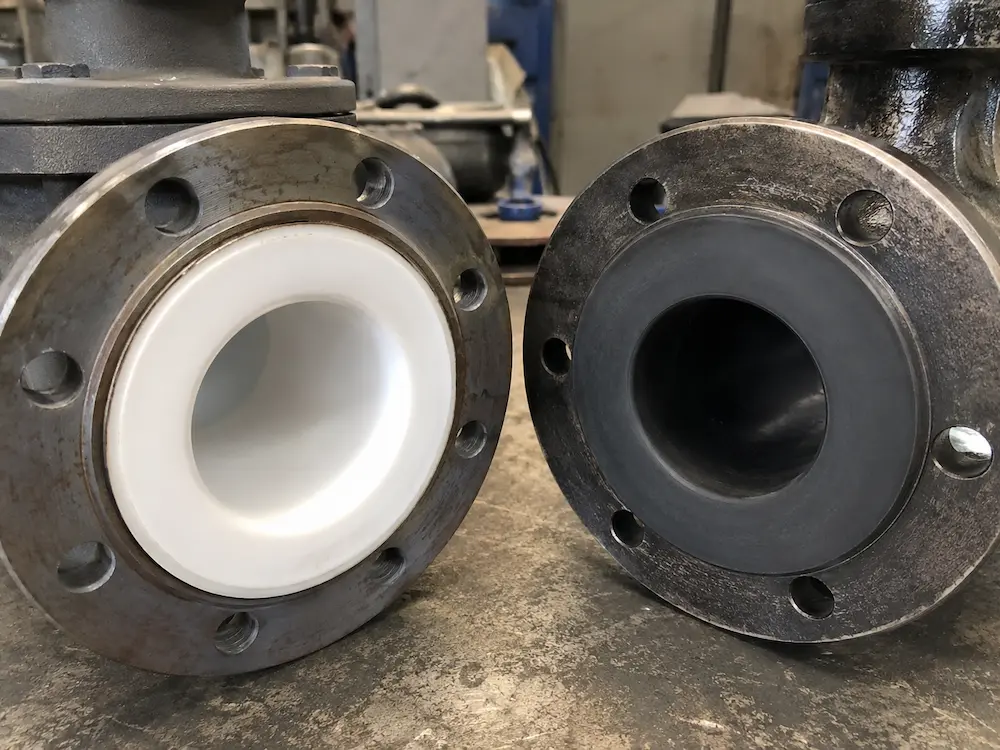
Compare PTFE lined valves and rubber lined valves for chemical media by corrosion resistance, abrasion resistance, temperature, pressure, slurry suitability, and cost.
How to Choose Corrosion-Resistant Valves for Acid and Alkali Pipelines
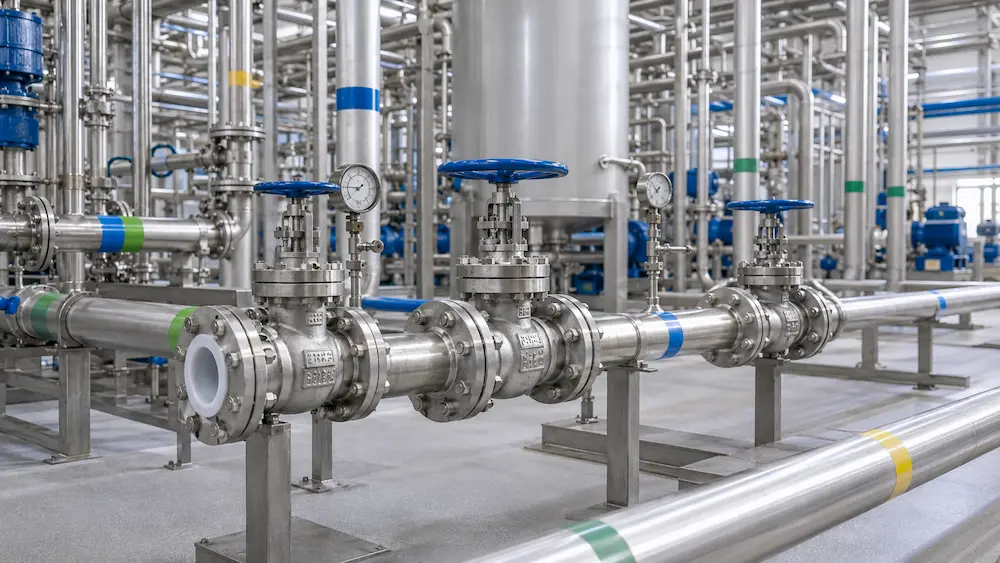
Learn how to choose corrosion-resistant valves for acid and alkali pipelines by chemical compatibility, valve type, material, lining, pressure, temperature, and failure risk.
Industrial Valves for Chemical Processing: Types, Materials and Selection Guide
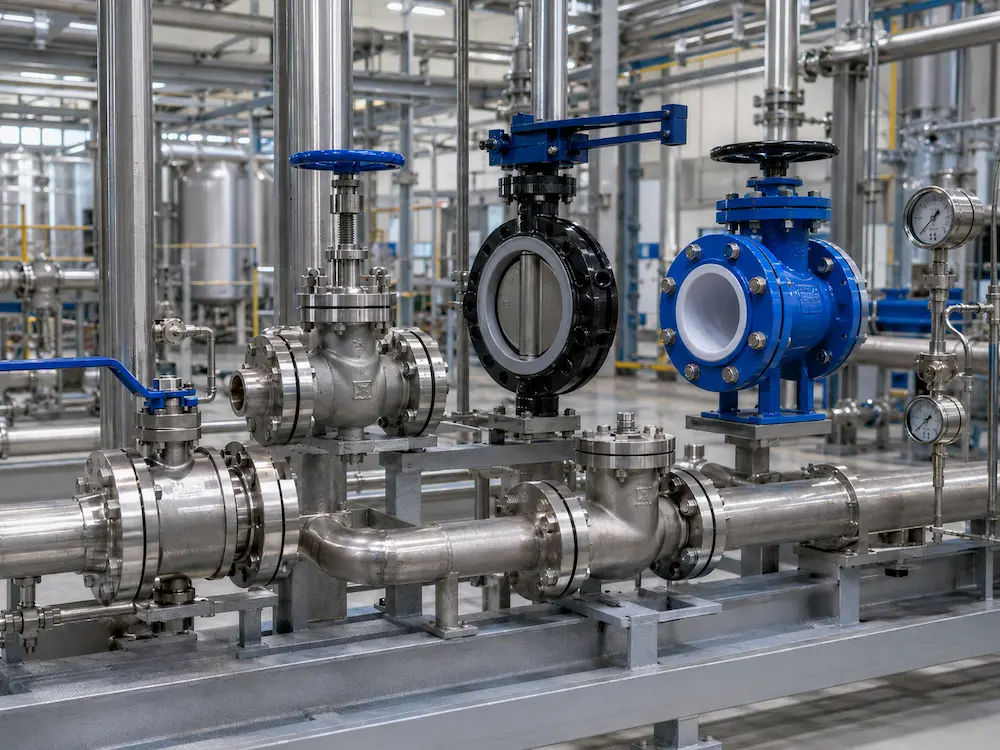
Learn how to select industrial valves for chemical processing, including ball valves, butterfly valves, control valves, PTFE lined valves, rubber lined valves, corrosion-resistant materials, failure risks and RFQ requirements.
Sanitary vs Industrial Valves: Key Differences and Applications
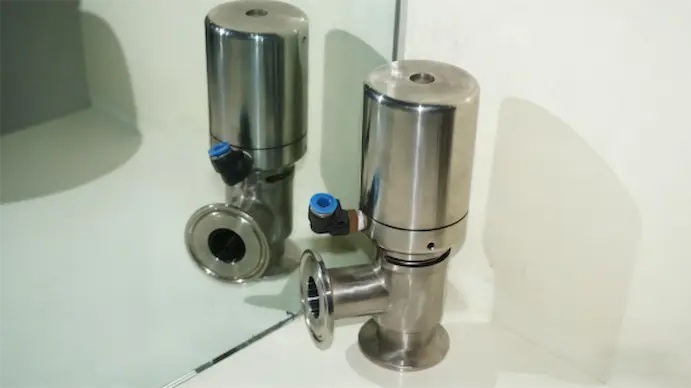
Compare sanitary and industrial valves by hygienic design, surface finish, materials, cleaning requirements, pressure capability, and application. Sanitary valves are designed for contamination-sensitive food, beverage, pharmaceutical, and biotechnology systems, while industrial valves prioritize durability, pressure resistance, and reliable operation in oil and gas, chemical processing, power generation, and water treatment.
How Coatings Help Prevent Scaling on Gate Valves
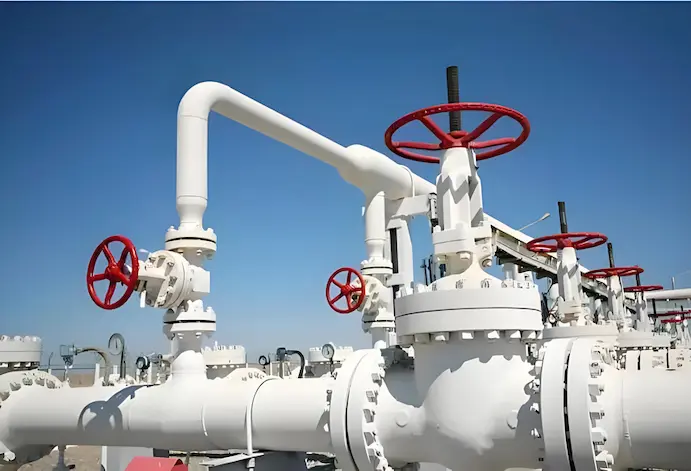
Learn how scaling affects gate valve operation in water treatment, industrial water, chemical, oil and gas, and mineral-rich pipeline systems. This guide explains how scale deposits can cause sticking, incomplete opening or closing, increased torque, leakage risk, and maintenance problems, while covering coating options such as epoxy, ceramic, and fluoropolymer coatings, fluid-chemistry control, inspection routines, cleaning practices, coating limitations, and key selection factors for coated gate valves.
How Ball Valves Work in Hazardous Locations: Key Insights
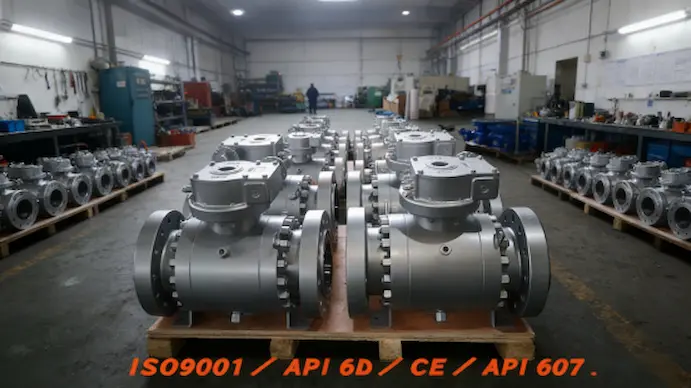
Learn how ball valves are selected for hazardous locations involving flammable gases, vapors, combustible dust, corrosive media, high pressure, or fire-risk service. This guide explains fire-safe ball valve design, anti-static structure, material selection, soft-seat and metal-seat limitations, explosion-proof electric actuators, pneumatic automation, ATEX, IECEx, API 607, leakage testing, emergency shutoff requirements, and key selection factors for oil and gas, chemical processing, refineries, offshore platforms, and hazardous industrial pipeline systems.
Duplex Steel Valves: Corrosion Resistance & Selection for Seawater
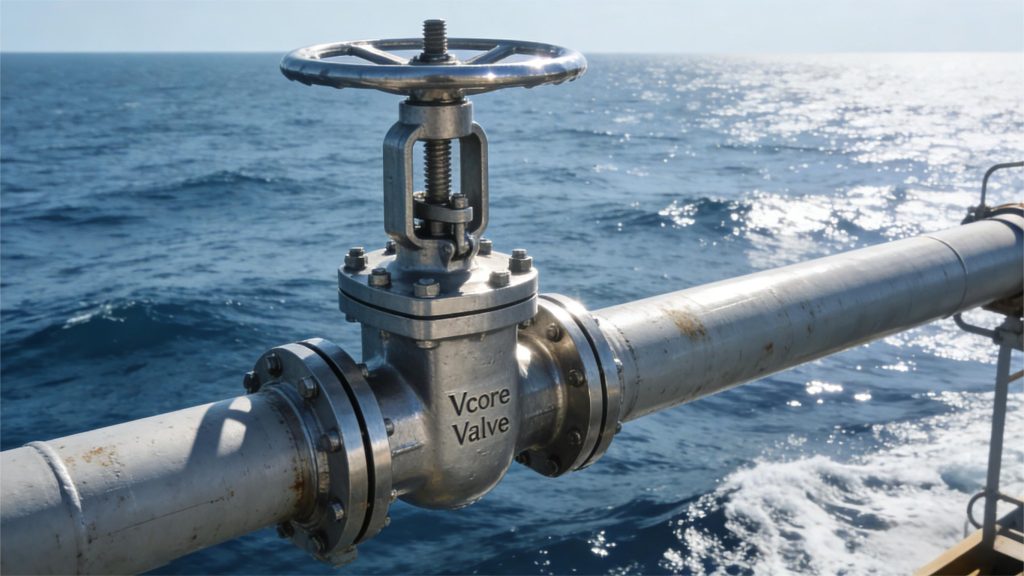
Quick Summary Duplex steel valves are engineered to combat the extreme corrosivity of seawater, outperforming standard carbon and stainless steel alternatives in marine, offshore, and water treatment applications. Blending austenitic and ferritic steel properties, these valves deliver unrivaled strength, pitting resistance, and durability in saltwater environments. This guide breaks down their corrosion-fighting capabilities, critical selection criteria, […]
Best Valves for Seawater Applications
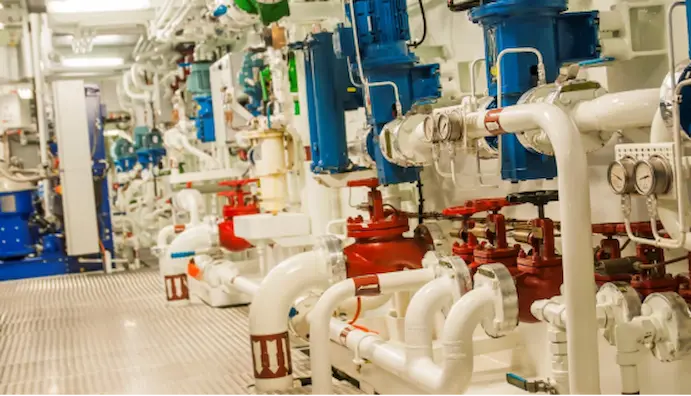
Valves for seawater applications need chloride corrosion review, suitable materials, lining or coating, and clear RFQ data for seawater valve selection.