
Slurry Valve Solutions for Abrasive, Mud and Solid-Containing Fluid Systems
Application-based valve selection for abrasive slurry, mining pipelines, mud handling, wastewater sludge, tailings transport, and solid-containing industrial fluid systems.
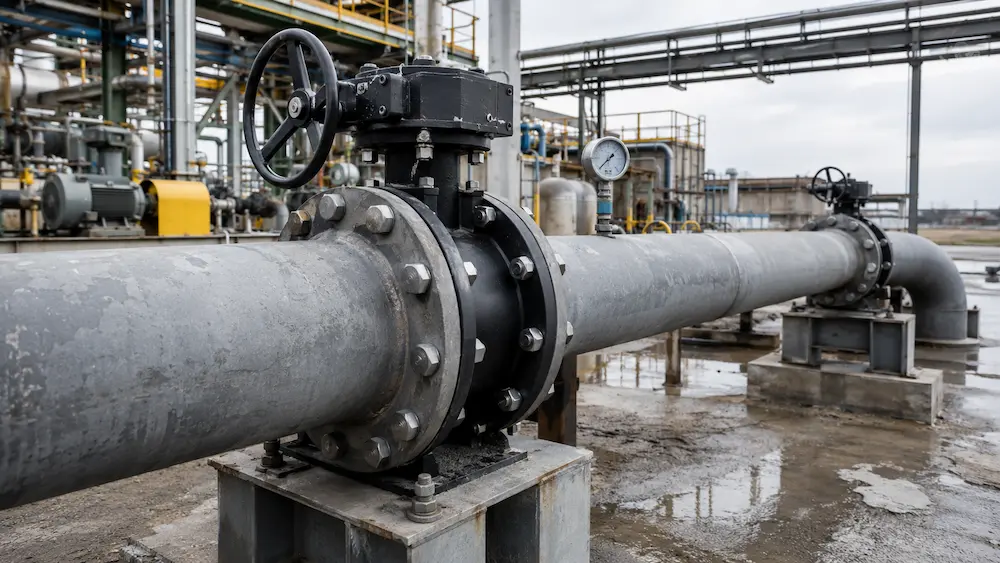
Common Challenges in Slurry Valve Applications
Slurry systems require valve solutions that can handle abrasive particles, high solid content, clogging risk, erosion, frequent operation, and demanding pipeline conditions.
Abrasion and Erosion Resistance
Slurry media may contain sand, ore particles, sludge, tailings, or suspended solids that can damage seats, liners, and flow passages.
Clogging and Flow Restriction
Valve structure, bore design, and flow path must be selected carefully to reduce clogging risk in solid-containing fluid systems.
Lining and Seat Protection
Rubber lining, wear-resistant materials, and suitable seat designs help protect the valve body and sealing area from abrasive damage.
Maintenance and Service Life
Slurry valves should be selected according to particle size, solid concentration, operating frequency, pressure drop, and maintenance accessibility.
Recommended Valve Types for Slurry Systems
Valve selection for slurry applications depends on particle content, abrasion level, pressure, flow velocity, valve function, lining material, and maintenance requirements.
Valve Type
Typical Application
Selection Focus
Rubber-Lined Valve
Abrasive slurry, wastewater sludge, mud, and corrosive solid-containing media
Lining adhesion, abrasion resistance, sealing protection
Butterfly Valve
Large-diameter slurry, wastewater, sludge, and low-to-medium pressure systems
Low torque, compact design, lining and disc material
Segment Ball Valve
Slurry control, high solid content media, and applications requiring anti-clogging flow path
V-port or segment structure, wear resistance, flow control
Check Valve
Pump discharge protection and backflow prevention in slurry and sludge pipelines
Disc design, closing response, anti-clogging structure
Knife Gate Valve
Thick slurry, sludge, pulp, tailings, and heavy solid-containing service
Full-bore passage, cutting edge, seat protection
Material and Lining Selection
Slurry valve selection depends on particle size, solid concentration, pressure, flow velocity, abrasion level, corrosion risk, and operating frequency. Rubber lining, abrasion-resistant materials, metal seats, and suitable disc or ball structures may be selected according to the working conditions.
- Rubber lining
- Wear-resistant body
- Full-bore flow path
- Abrasion-resistant seat
- Anti-clogging structure
- Flanged pipeline connection
Typical Slurry Valve Applications
- Mining slurry pipelines
- Tailings transport systems
- Mud handling systems
- Wastewater sludge lines
- Abrasive process water
- Solid-containing chemical media
- Pulp and paper slurry
- Coal slurry systems
- Pump discharge protection
- Slurry isolation points
Related Slurry Valve Products
Select suitable valve products for abrasive slurry, sludge, mud, wastewater, tailings transport, and solid-containing industrial fluid systems.
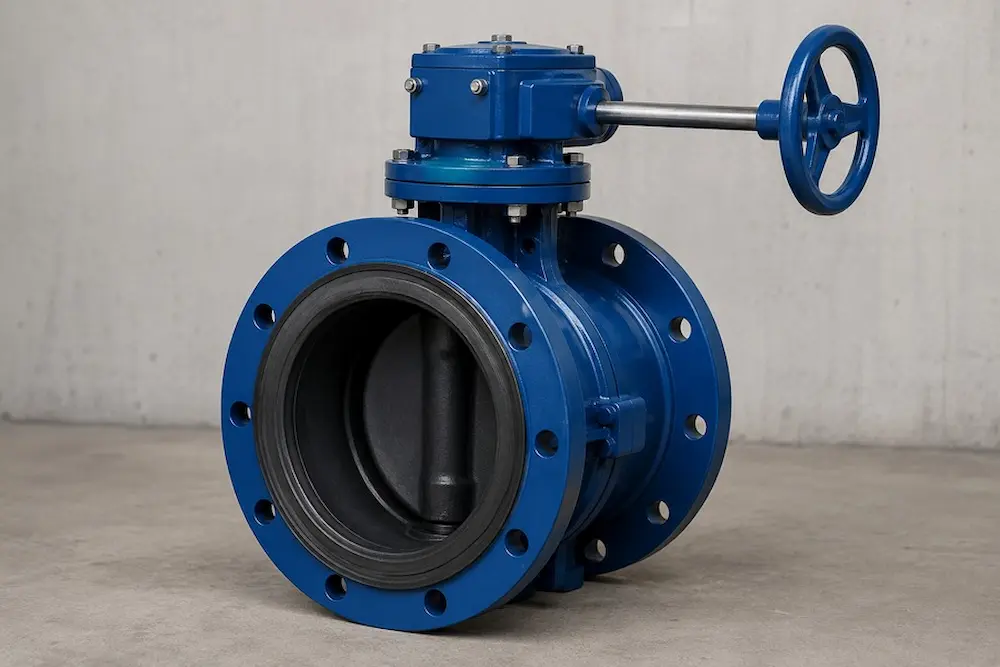
Rubber-Lined Valve
Lined valve options for abrasive, corrosive, or solid-containing slurry service where body protection is required.
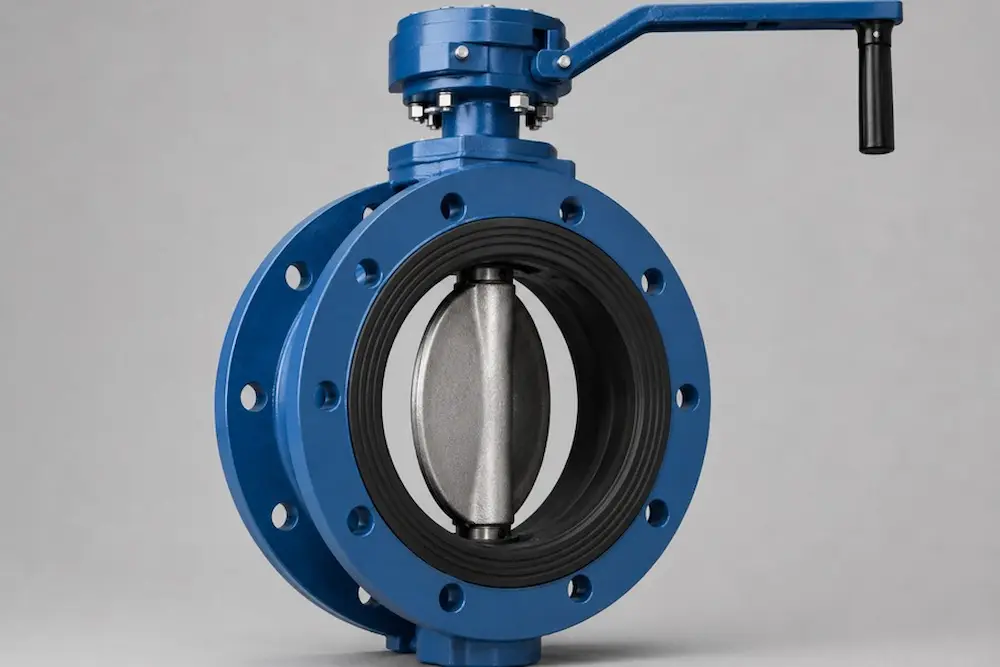
Butterfly Valve
Compact valve options for large-diameter slurry, sludge, wastewater, and low-to-medium pressure pipeline systems.
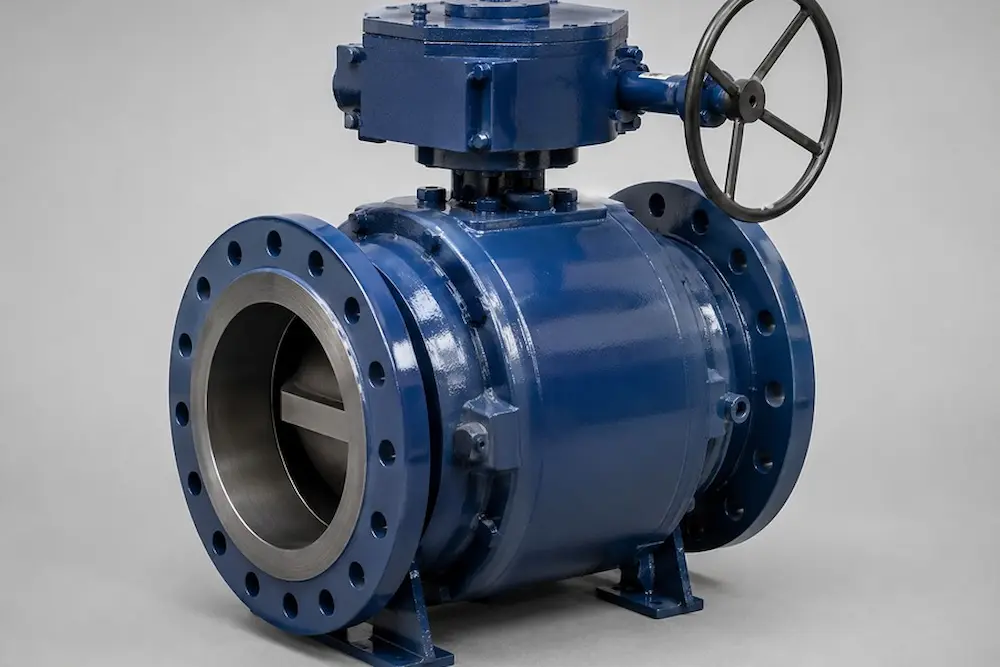
Ball Valve
Ball valve options for slurry isolation or control where reliable shut-off and anti-clogging flow design are required.
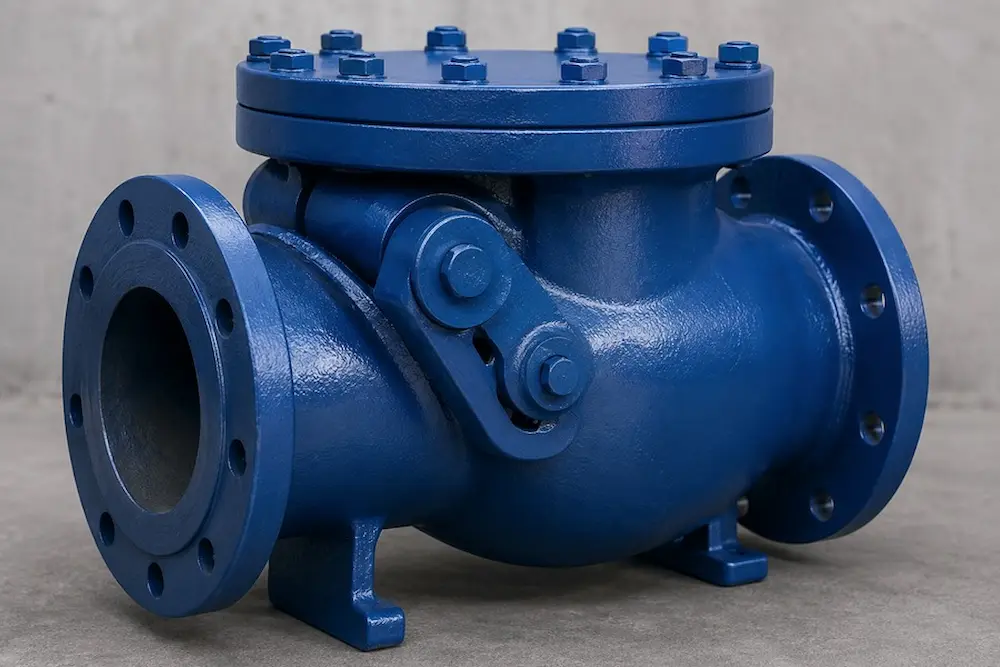
Check Valve
Backflow prevention valves for slurry pump discharge, wastewater sludge lines, and abrasive process pipelines
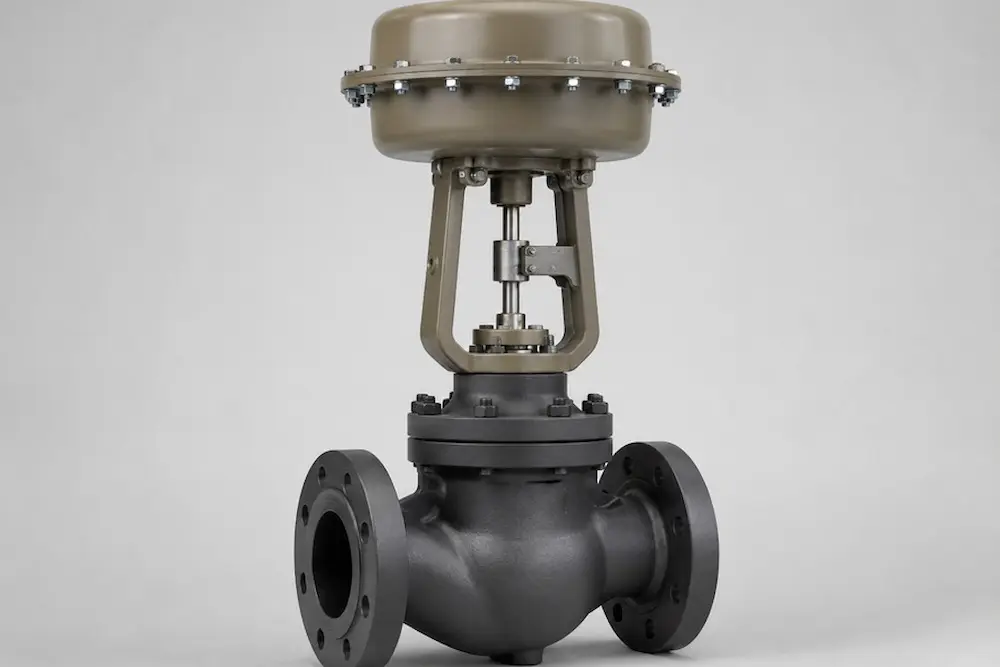
Control Valve
Control valve options for slurry flow regulation, process control, and demanding solid-containing fluid applications.
Quality Control and Project Documentation
For slurry valve projects, Vcore Valve can support pressure testing, sealing inspection, lining inspection, dimensional checks, material verification, drawings, packing documents, and export documentation according to order requirements.
Testing and Inspection Support
Pressure testing, sealing inspection, lining checks, dimensional inspection, and operational tests can be arranged according to slurry valve project requirements before shipment.
- Shell strength testing
- Seat sealing inspection
- Lining and visual checks
- Operational performance inspection
Project Documentation Support
Project-related documents can be provided according to order requirements, helping customers complete procurement, inspection, installation, and export procedures more smoothly.
- Material certificates
- Pressure test reports
- Technical drawings
- Packing and export documents
Slurry Valve Solution FAQs
Find answers to common questions about slurry valve selection, abrasion resistance, lining materials, testing, documentation, and project requirements.
Rubber-lined valves, butterfly valves, segment ball valves, check valves, and knife gate valves are commonly used for slurry, sludge, mud, tailings, and solid-containing media depending on pressure, particle size, and operating conditions.
Rubber lining is commonly used for abrasive slurry and sludge service. The final lining material should be selected according to particle content, corrosion risk, temperature, pressure, and media composition.
Valve wear can be reduced by selecting suitable lining materials, full-bore or anti-clogging flow paths, abrasion-resistant seats, correct valve type, and proper installation position.
Please provide media type, particle size, solid concentration, pressure, temperature, flow rate, pipe size, valve function, material requirement, operation method, quantity, and project standards if available.
Yes. Material certificates, pressure test reports, inspection records, drawings, packing documents, and export documents can be provided according to order requirements.
Request a Slurry Valve Solution
Send us your slurry valve requirements, including media type, particle size, solid concentration, pressure, temperature, size, material, quantity, and operation method. Vcore Valve will help you select suitable valve products for your project.