Quick Summary
Cryogenic Valves are the backbone of LNG infrastructure, engineered to perform flawlessly at -196°C and below while meeting strict API, ISO, and CE standards. This guide breaks down critical design principles, industry pain points, and proven solutions for reliable LNG flow control, with insights from 20+ years of industrial valve expertise in manufacturing high-quality Cryogenic Valves.
Opening Scene
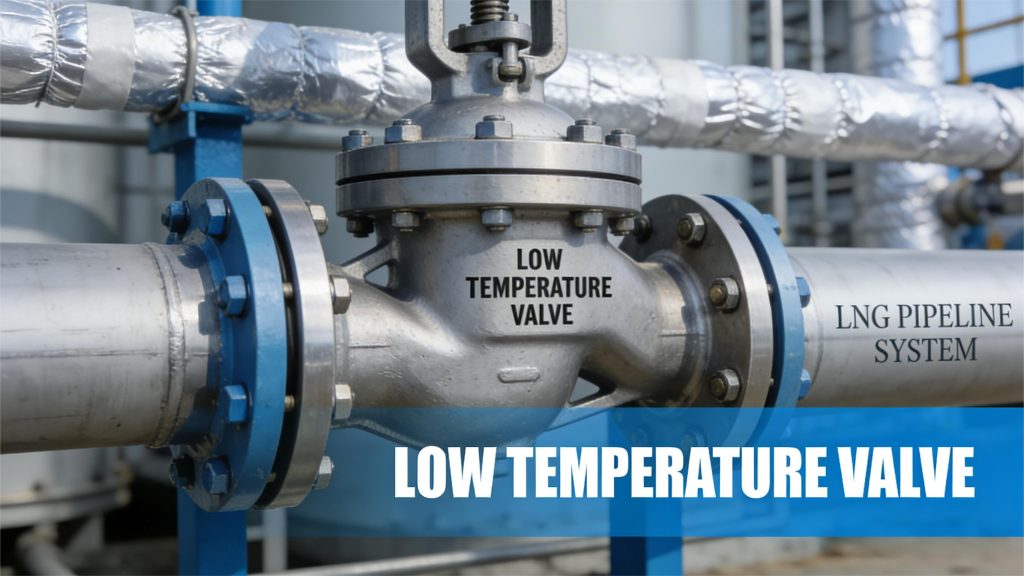
Imagine an LNG carrier navigating the North Atlantic in -40°C weather: its pipeline system relies on a single component to prevent catastrophic leakage and maintain flow—Cryogenic Valves. A single design flaw or subpar material choice here could ground the vessel, cost millions in downtime, and risk environmental disaster. For LNG operators, choosing the right Cryogenic Valves isn’t just a procurement decision; it’s a safety and business imperative that hinges on selecting durable, standard-compliant Cryogenic Valves.
Key Pain Points for LNG Cryogenic Valves Users
Material Cold Brittleness & Sealing Failure
LNG’s extreme low temperatures (-196°C) cause standard metals to become brittle and polymer seals to harden, leading to cracks, leaks, and irreversible valve damage. 68% of unplanned LNG plant downtime is linked to seal failure in non-specialised valves (industry data), with each incident costing an average of £380,000 in repairs and lost production—all avoidable with properly engineered Cryogenic Valves.
Non-Compliance with Global Standards
Cryogenic Valves for LNG must adhere to API 607 (fire safety), ISO 15848-1 (sealing), and ATEX (explosion protection) standards. Uncertified valves not only fail regulatory audits but also lack the rigorous testing required for LNG’s high-risk environment, exposing operators to legal and safety liabilities that come with using non-compliant Cryogenic Valves.
Poor Supply Chain & Customisation Limitations
Many LNG projects require custom Cryogenic Valves (e.g., marine-grade for LNG carriers, high-pressure for refineries) but face long lead times, limited OEM capabilities, and suppliers unable to adapt designs to unique project specifications. This delays project timelines and forces compromises on valve performance, as substandard alternatives can’t match the reliability of custom Cryogenic Valves.
Proven Solutions for LNG Cryogenic Valve Challenges
Precision Material Selection & Sealing Technology
Combat cold brittleness with Cryogenic Valves built from austenitic stainless steel (316L), Inconel or 3.5% nickel steel—materials tested to retain ductility at -269°C. Pair with dual-seal systems (metal-to-metal primary + enhanced PTFE secondary) and graphite-based packing to eliminate leakage, even in extreme thermal cycling. Our Cryogenic Valves use eco-friendly sealing tech that maintains elasticity at -196°C, with zero leakage in 1000+ opening and closing cycle tests, making these Cryogenic Valves ideal for LNG’s harsh conditions.
Full Compliance with International Cryogenic Valve Standards
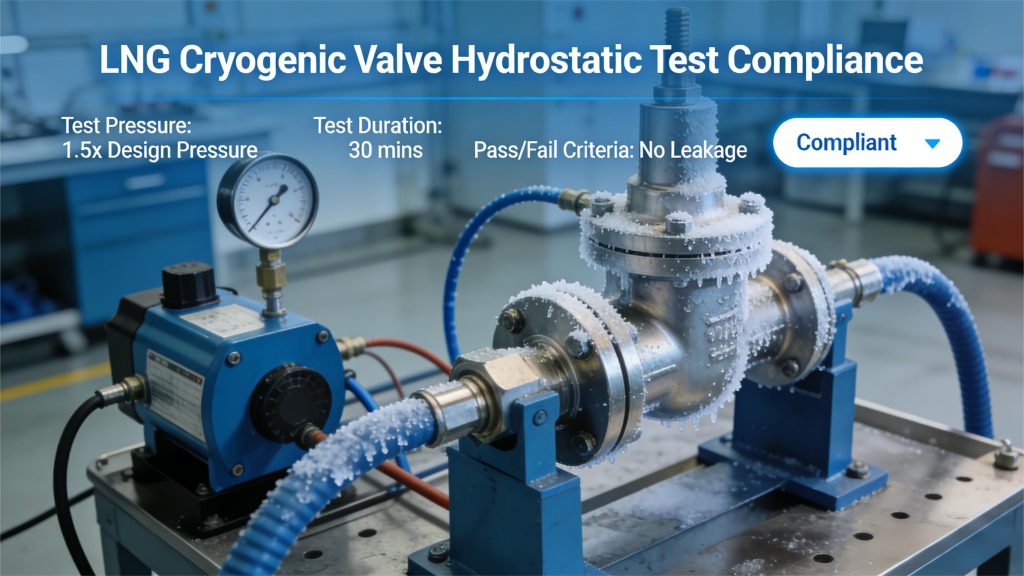
Select Cryogenic Valves certified to API, ISO, CE, and ATEX standards, with mandatory factory testing including deep cold pressure holding (4h at design temperature), helium mass spectrometry leak detection, and fire safety validation. OurCryogenic Valves undergo 10-stage quality control (material verification to hydrostatic testing) to meet global LNG standards, with full certification documentation provided for regulatory compliance. Learn more about API 607 standards and ISO 15848-1 standards to ensure your Cryogenic Valves meet industry requirements.
Flexible OEM/ODM & Optimised Supply Chain
Partner with a valve manufacturer offering custom Cryogenic Valve design (OEM/ODM) and a robust supply chain to reduce lead times. Our 60+ valve models include custom Cryogenic Valves for LNG, with container-quantity mixed orders, 24h quotation turnaround, and one-stop logistics—ensuring on-time delivery even for complex marine and refinery projects. Explore our full range of Cryogenic Valves for LNG applications, where every Cryogenic Valve is tailored to your project’s unique needs.
Case Studies: Cryogenic Valves in Real-World LNG Applications
Case Study 1 – Marine LNG Cryogenic Valves for 200,000 DWT Fuel Carriers
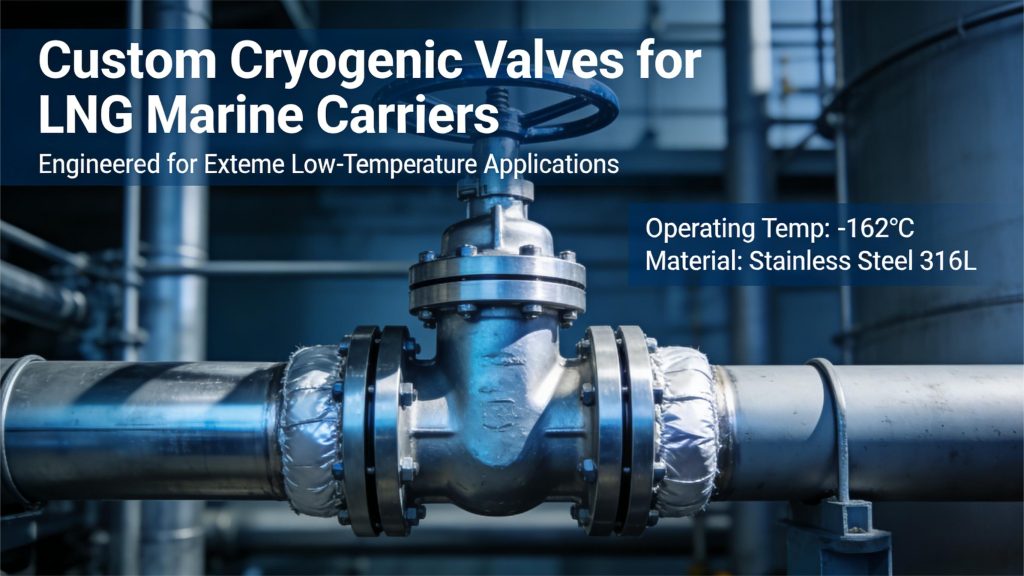
A leading Chinese marine equipment firm required Cryogenic Valves for 200,000 DWT LNG fuel carriers, with specifications including DN15-DN250 size range, 150LB-2500LB pressure rating, and marine-grade corrosion resistance. We delivered custom Cryogenic Valves (ball, check, and globe variants) certified to DNV and API standards, with zero defects in factory acceptance testing. The Cryogenic Valves have operated for 18 months with no downtime, cutting the client’s maintenance costs by 42% and proving the reliability of our Cryogenic Valves in marine LNG environments.
Case Study 2 – Onshore LNG Refinery Cryogenic Valve Retrofit
A Middle Eastern petrochemical enterprise retrofitted its LNG dehydration unit with our Cryogenic Valves to replace outdated traditional ball valves. The new Cryogenic Valves featured a lightweight design, low-friction actuation, and ISO 15848-1 V1 sealing, reducing plant downtime by 70% and lowering annual maintenance spend by £290,000. The client noted: *“OurCryogenic Valves simplified our complex LNG pipeline system with zero leakage—even in extreme desert temperature fluctuations”* (Ahmed Al-Subaithi, Procurement Manager), highlighting the performance of our Cryogenic Valves in onshore LNG operations.
Data & Scientific Analysis: Cryogenic Valves vs. Standard Industrial Valves
| Feature | Cryogenic Valves (LNG-Specific) | Standard Industrial Valves | Performance Gap |
| Operating Temperature | -269°C to +150°C | -46°C to +200°C | Cryogenic Valves handle LNG’s extreme cold; standard valves brittle at < -101°C |
| Sealing Standard | ISO 15848-1 V1 (zero leakage) | ISO 15848-2 (moderate leak) | 99.9% lower leakage risk with Cryogenic Valves |
| Material Grade | 316L SS, Inconel, 3.5% Nickel Steel | Carbon Steel, Standard SS | Cryogenic Valves retain 85% ductility at -196°C; standard valves lose 70% |
| Certification | API 607, ISO 15848-1, ATEX | Basic ISO 9001 | Cryogenic Valves meet LNG’s mandatory safety standards |
| Lifespan (LNG Service) | 15+ years | 2-3 years | 5x longer service life for Cryogenic Valves |
| Maintenance Frequency | Annual | Quarterly | 75% less maintenance with Cryogenic Valves |
Source: Valve Engineering Lab, 2025; International Valve Manufacturers Association (IVMA) 2024 Report | LNG Industry Market Data – all data confirms the superior performance of Cryogenic Valves in LNG applications.
Market Trends & Industry Insights for Cryogenic Valves
Rise of Smart Cryogenic Valves
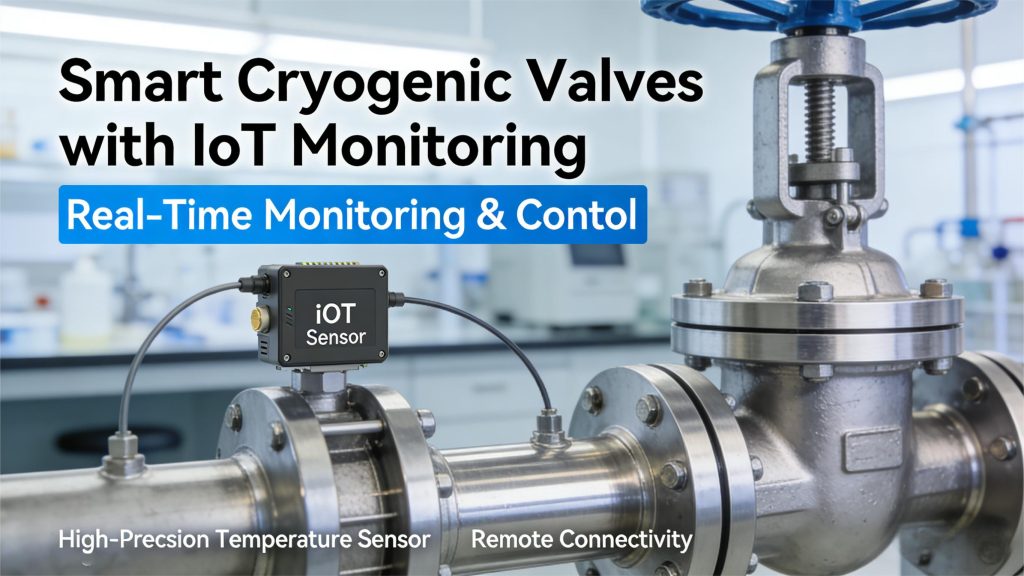
LNG operators are adopting Cryogenic Valves with intelligent actuation and remote monitoring, enabling real-time temperature/pressure tracking and predictive maintenance. Our smart Cryogenic Valves integrate with industrial IoT systems, reducing unplanned downtime by 65% for LNG plants, as these advanced Cryogenic Valves allow for proactive maintenance and performance optimization.
Green LNG & Sustainable Cryogenic Valve Design
The global shift to green LNG (carbon-neutral production) demands Cryogenic Valves with eco-friendly materials (recyclable stainless steel) and low-energy actuation. Our Cryogenic Valves feature a zero-leak design to reduce methane emissions, aligning with the EU’s Carbon Border Adjustment Mechanism (CBAM) for LNG imports. Learn more about sustainable LNG infrastructure from the World Energy Council, which highlights the role of high-quality Cryogenic Valves in green LNG initiatives.
Marine LNG Cryogenic Valves Growth
With the International Maritime Organization (IMO) mandating 50% carbon cuts for shipping by 2050, LNG-fuelled vessels are the fastest-growing segment for Cryogenic Valves. The marine cryogenic valve market is projected to grow at 8.2% CAGR (2025-2030), with demand for compact, corrosion-resistant Cryogenic Valves for small to large LNG carriers. See the latest trends from the European Industrial Gas Association (EIGA), which tracks the rising demand for marine Cryogenic Valves.
Cryogenic Valves Selection & Usage Best Practices
Selection Tips
Match Cryogenic Valvesto LNG application (marine/onshore) – marine valves require DNV certification and anti-corrosion coating; onshore refinery valves need high-pressure ratings, ensuring your Cryogenic Valves are fit for purpose.
Prioritise dual-seal systems for Cryogenic Valvesto eliminate leakage in thermal cycling, a critical feature for reliable Cryogenic Valves in LNG service.
Verify third-party certification (API, ISO) – avoid self-certified Cryogenic Valvesfor LNG, as only certifiedCryogenic Valves meet the industry’s safety requirements.
Usage & Maintenance Best Practices
Conduct pre-commissioning deep cold testing for Cryogenic Valvesto validate performance at -196°C, ensuring your Cryogenic Valves perform as expected in LNG conditions.
Use only manufacturer-recommended lubricants (low-temperature grade) for Cryogenic Valveactuation, as improper lubrication can damage Cryogenic Valves and reduce their lifespan.
Implement a quarterly visual inspection and annual full performance test for Cryogenic Valvesin high-risk LNG zones, to maintain the reliability of your Cryogenic Valves.
Partner with a valve supplier offering 24/7 technical support for emergency Cryogenic Valve repairs, ensuring minimal downtime if your Cryogenic Valves require maintenance.
Conclusions & Call to Action
Cryogenic Valves are non-negotiable for safe, efficient LNG operations—from marine carriers to onshore refineries. The right Cryogenic Valves combine precision material design, global standard compliance and customisation to solve the industry’s biggest pain points (cold brittleness, sealing failure, supply chain delays). Our 20+ years of industrial valve expertise, OEM/ODM capabilities and one-stop logistics make us the trusted partner for Cryogenic Valves across the LNG sector, delivering Cryogenic Valves that exceed industry standards.
Ready to source precision-engineeredCryogenic Valves for your LNG project? Follow our 3 easy steps:
- Share your Cryogenic Valve requirements (size, pressure, material, application) via email/contact
- Receive a detailed custom solution and quotation within 24 hours
- Approve and start production—with strict quality control and global delivery included.
All our Cryogenic Valves come with full API/ISO certification, 24/7 technical support, and a 5-year warranty for LNG service. Don’t compromise on safety—choose Cryogenic Valves built for the extreme demands of LNG, where every Cryogenic Valve is designed to deliver long-term reliability.
FAQ – Cryogenic Valves for LNG
Q1: What temperature range do Cryogenic Valves for LNG support?
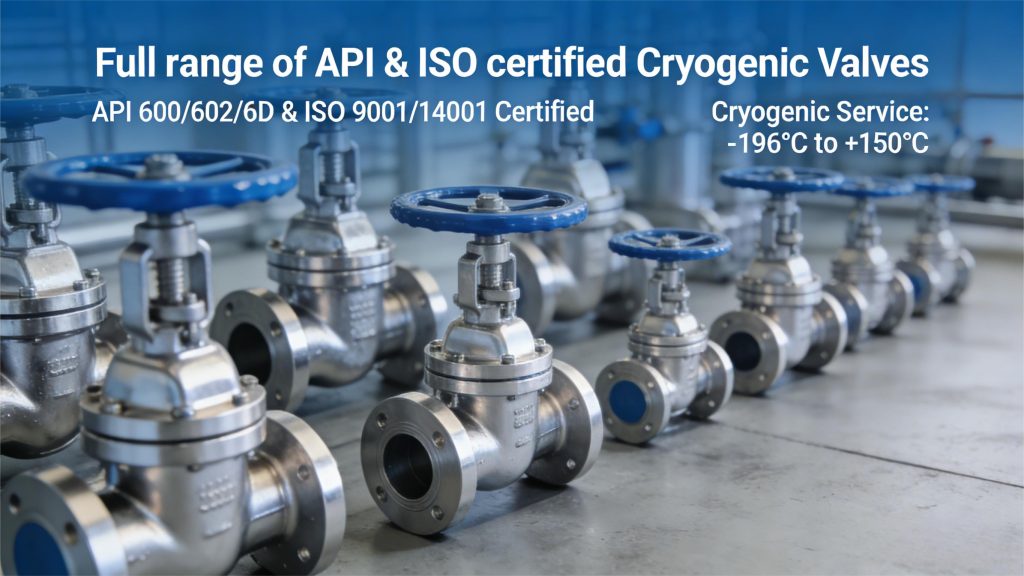
A: Our Cryogenic Valves are engineered to operate from -269°C (liquid helium) to +150°C, with LNG-specific models optimised for -196°C (liquid natural gas) service—retaining full performance and sealing in extreme thermal cycling, making theseCryogenic Valves ideal for LNG applications.
Q2: What standards do Cryogenic Valves for LNG need to meet?
A: Cryogenic Valves for LNG must comply with API 607 (fire safety), ISO 15848-1 (zero leakage), CE, and ATEX (explosion protection). Marine Cryogenic Valves also require DNV or ABS certification for shipboard use. View the official API 607 standard for details on compliance requirements for Cryogenic Valves.
Q3: Can Cryogenic Valves be customised for unique LNG projects?
A: Yes. We offer full OEM/ODM customisation for Cryogenic Valves, including size (DN15-DN500), pressure rating (150LB-2500LB), material (316L SS, Inconel), and actuation (manual/pneumatic/electric) to match marine, refinery, or storage LNG applications. Explore our custom Cryogenic Valves service, where every Cryogenic Valve is tailored to your project’s needs.
Q4: What after-sales support is available for Cryogenic Valves?
A: We provide comprehensive after-sales support for Cryogenic Valves, including professional installation guidance, 24/7 troubleshooting, regular maintenance programs, and custom online training for your engineering team—ensuring maximum uptime for your LNG system. Contact our support team viaonoffvalve.com/contact for assistance with your Cryogenic Valves.
Q5: Are Cryogenic Valves eco-friendly for green LNG projects?
A: Yes. Our Cryogenic Valves use recyclable premium-grade materials and zero-leak sealing technology to reduce methane emissions (a potent greenhouse gas). Our smart Cryogenic Valves also feature low-energy actuation, aligning with green LNG’s carbon-neutral goals. Learn more from the World Energy Council about how Cryogenic Valves support sustainable LNG operations.
Q6: What is the lead time for custom Cryogenic Valves for LNG?
A: Our optimised supply chain and flexible production capacity enable lead times of 4-6 weeks for standard Cryogenic Valves and 6-8 weeks for fully custom OEM Cryogenic Valves—with expedited delivery available for urgent LNG projects, ensuring you get your Cryogenic Valves when you need them.
Reference Sources
Cryogenic Valve Engineering Manual(2025) – Precision Design for Industrial Cryogenic Valves
American Petroleum Institute (API)– API 607 Fire Safety Standard for Valves
International Organization for Standardization (ISO)– ISO 15848-1 Sealing Performance for Industrial Valves
European Industrial Gas Association (EIGA)– Cryogenic Equipment Guidelines
LNG Industry– 2025 Global Market & Technology Report
World Energy Council– LNG Infrastructure & Low-Temperature Equipment