Quick Overview
Hydrogen Induced Cracking (HIC) is a serious form of material damage that occurs when hydrogen atoms penetrate steel and accumulate inside the metal structure. Over time, these hydrogen atoms form internal cracks that weaken the material. In industries such as oil & gas, petrochemical processing, and pipeline transportation, HIC in valves and pressure equipment can cause unexpected failures. Understanding hydrogen induced cracking, its causes, and prevention methods is essential for ensuring the reliability of industrial valve systems.
A Real-World Engineering Scenario
Imagine a refinery installing new pipeline valves designed for sour gas service.
The system runs smoothly for several months.
Then during routine inspection, engineers detect internal cracks inside the valve body.
Externally, the valve still looks perfect.
Internally, however, hydrogen damage has already begun.
This hidden damage mechanism is exactly why hydrogen induced cracking (HIC) is considered one of the most dangerous metallurgical problems in oil and gas systems.
Common Problems Engineers Encounter
Hidden Internal Damage
Unlike corrosion that appears on the surface, HIC damage occurs inside steel, making it difficult to detect without specialised testing.
Sour Service Environments
Pipelines transporting fluids containing hydrogen sulphide (H₂S) are particularly susceptible to hydrogen-related damage.
Unexpected Valve Failures
If materials are not properly selected, HIC can significantly reduce the structural strength of valve bodies and pressure components.
For the broader valve selection requirements covering NACE MR0175/ISO 15156, MR0103/ISO 17945, material condition, hardness, trim, bolting, welding, inspection, and documentation, see our Sour Service Valves: NACE MR0175, H2S and Material Selection Guide.
Practical Solutions to Prevent HIC
Use HIC-Resistant Materials
Specially produced steels with controlled impurity levels reduce hydrogen trapping sites within the metal.
These materials are often specified for sour service environments.
Follow NACE Standards
The NACE MR0175 / ISO 15156 standard provides guidelines for material selection in hydrogen sulphide environments.
Valves used in sour service typically require compliance with these standards.
Perform HIC Testing
Steel plates and forged components can undergo HIC testing to evaluate resistance to hydrogen-induced cracking.
Testing ensures that the material will perform safely under hydrogen exposure.
What Is Hydrogen Induced Cracking?
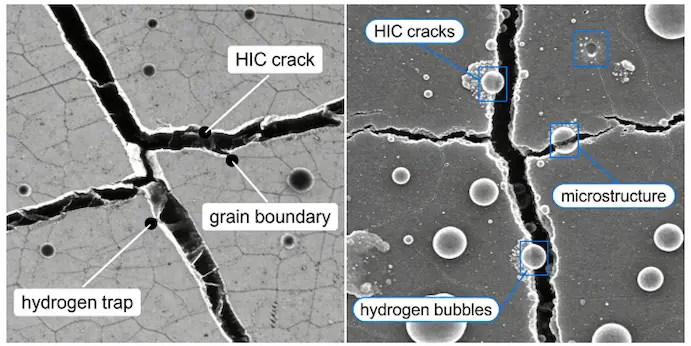
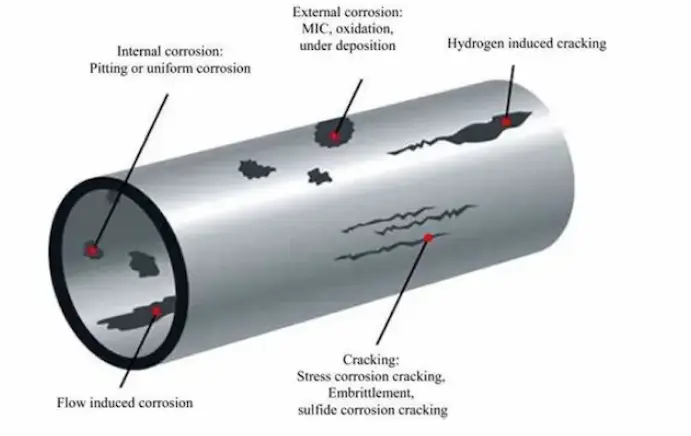
Hydrogen Induced Cracking (HIC) is a form of internal cracking that occurs when hydrogen atoms diffuse into steel and accumulate at microscopic defects.
These hydrogen atoms combine to form molecular hydrogen, creating pressure within the metal structure.
Over time, this pressure leads to the formation of internal cracks parallel to the steel surface.
Key characteristics of HIC include:
-
internal crack formation
-
blistering in steel plates
-
reduced mechanical strength
-
sudden equipment failure
Why HIC Occurs in Industrial Equipment
Several conditions contribute to hydrogen induced cracking in valves and pipelines.
Hydrogen Sulphide Environments
Hydrogen sulphide promotes the generation of atomic hydrogen on metal surfaces.
This hydrogen can diffuse into the steel.
Steel Microstructure
Impurities such as sulphides or inclusions provide sites where hydrogen atoms accumulate.
Stress Conditions
Mechanical stress accelerates crack formation once hydrogen begins to accumulate inside the material.
Case Study: HIC Damage in Pipeline Valve Body
A natural gas facility installed several carbon steel valves for sour gas transport.
Operating conditions included:
-
hydrogen sulphide content
-
moderate operating pressure
-
high moisture levels
After one year of operation, ultrasonic inspection revealed subsurface cracking inside the valve body.
Material analysis confirmed hydrogen induced cracking caused by non-HIC-resistant steel.
The facility replaced the valves with HIC-tested materials compliant with NACE standards, eliminating further failures.
Data / Scientific Analysis
Below is a simplified comparison of steel materials used in sour service environments.
| Material Type | HIC Resistance | Typical Application | Risk Level |
|---|---|---|---|
| Standard carbon steel | Low | General pipelines | High risk |
| HIC-tested carbon steel | Medium | Sour gas pipelines | Moderate risk |
| Low sulphur steel | High | Offshore systems | Lower risk |
| NACE-compliant steel | Very high | Sour service valves | Minimal risk |
This comparison shows why material selection is critical when designing valves for hydrogen environments.
Industry Trends in Hydrogen Damage Prevention
As energy infrastructure expands into harsher environments, the industry has placed greater focus on hydrogen damage prevention.
Key developments include:
-
improved steel refining techniques
-
stricter NACE compliance requirements
-
advanced ultrasonic inspection technologies
-
enhanced coating and surface treatments
Valve manufacturers such as Vcore Valve increasingly integrate HIC-resistant materials into products designed for oil and gas pipelines.
Engineering Recommendations for Valve Selection
Engineers working with hydrogen-containing fluids should follow several best practices.
Select HIC-Tested Materials
Always specify steel plates and forgings that have passed HIC testing procedures.
Follow Sour Service Standards
Compliance with NACE MR0175 / ISO 15156 is essential for equipment exposed to hydrogen sulphide.
Conduct Regular Inspection
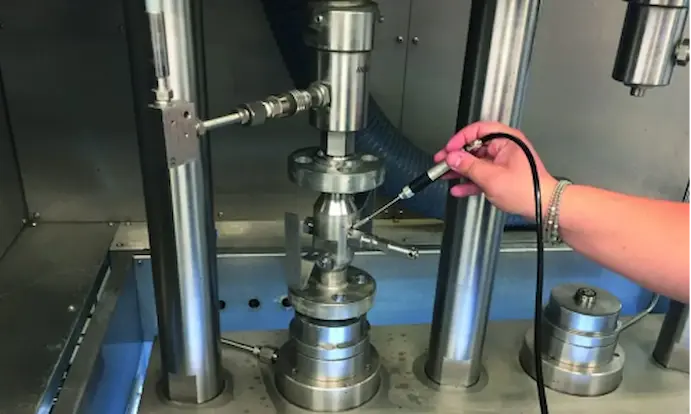
Non-destructive testing methods such as ultrasonic inspection help detect early HIC damage before failure occurs.
Conclusion
Hydrogen induced cracking (HIC) is a critical failure mechanism affecting steel equipment in hydrogen sulphide environments. If not properly managed, HIC can lead to internal cracking, material weakening, and unexpected equipment failures.
By selecting HIC-resistant materials, following NACE sour service standards, and implementing proper testing procedures, engineers can significantly reduce the risk of hydrogen-related damage.
At Vcore Valve, we design industrial valves using carefully selected materials and strict quality control to ensure reliable performance even in demanding sour service environments.
FAQs
What is hydrogen induced cracking (HIC)?
Hydrogen induced cracking is a form of internal cracking in steel caused by hydrogen atoms accumulating inside the metal structure.
What causes HIC in valves?
HIC is commonly caused by exposure to hydrogen sulphide environments, where hydrogen atoms enter the steel material.
How can HIC be prevented?
HIC can be prevented through material selection, NACE compliance, and HIC testing.
What industries are most affected by HIC?
Oil & gas, petrochemical processing, and pipeline transportation systems are most vulnerable.
What is the difference between HIC and SSC?
HIC involves internal cracking caused by hydrogen accumulation, while sulphide stress cracking (SSC) involves hydrogen embrittlement under stress.
Are stainless steels resistant to HIC?
Some stainless steels provide better resistance, but material selection still depends on operating conditions.
Reference
NACE MR0175 / ISO 15156 Sour Service Standard
https://www.nace.org
ASM International Materials Engineering Handbook
https://www.asminternational.org
Hydrogen Damage in Steel — Engineering Toolbox
https://www.engineeringtoolbox.com