Quick Summary
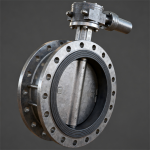
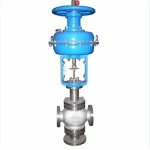
High Temperature High Pressure Valves are critical components for demanding industrial environments, designed to withstand extreme thermal and pressure conditions without compromising safety or performance. Used extensively in oil & gas, chemical processing, and power generation, these valves must meet strict international standards (API, ISO, CE) for durability and reliability. This guide simplifies the selection process, covering material choices, design considerations, and application best practices to help you choose the right High Temperature High Pressure Valves for your project’s unique needs.
Opening Scene
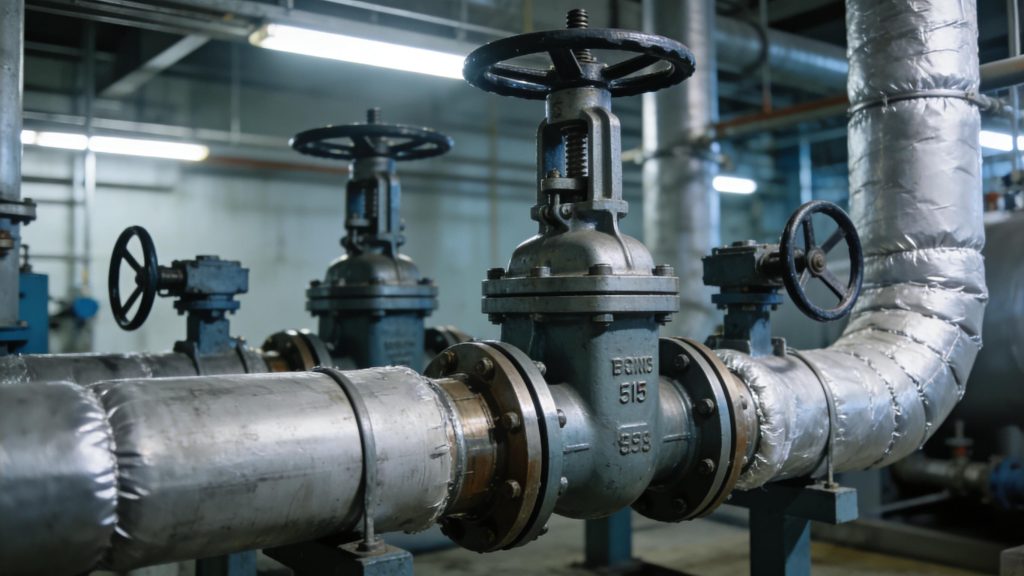
Sarah, a project engineer at a North Sea oil rig, slams her laptop shut in frustration. “We’ve replaced three valves in six months—none can handle the 500°C steam and 600 Class pressure!” she exclaims to her team. The previous valves, sourced from a budget supplier, failed due to inadequate material grading and poor sealing. With production on hold and costs mounting, Sarah turns to Vcore Valve for guidance. “We need valves that don’t quit when the going gets tough,” she says. Sound familiar? Selecting the wrong High Temperature High Pressure Valves can lead to costly downtime, safety hazards, and project delays. This guide eliminates the guesswork, helping you navigate the selection process with confidence.
User Pain Points
Inadequate Material Selection Leading to Premature Failure
Many buyers prioritize cost over material quality when choosing High Temperature High Pressure Valves, opting for low-grade carbon steel instead of heat-resistant alloys. This leads to valve deformation, corrosion, or seal failure in extreme conditions—costing a mid-sized refinery $50,000+ in replacement and downtime. For example, valves in steam power plants require materials like Inconel or stainless steel (CF8M) to withstand sustained high temperatures, but subpar alternatives fail within months.
Non-Compliance with International Standards
High Temperature High Pressure Valves operating in critical industries must adhere to API, ISO, and CE standards. Choosing non-compliant valves risks regulatory penalties, safety incidents, and insurance claims. A chemical plant in Germany was fined €200,000 after a non-API-compliant valve leaked toxic chemicals, highlighting the dangers of cutting corners on standards. Many buyers struggle to verify compliance, leading to costly mistakes.
Poor Design Compatibility with System Requirements
Mismatched valve designs (e.g., incorrect connection type, inadequate actuation) lead to inefficiencies and failures. For instance, a refinery using flanged High Temperature High Pressure Valves in a space-constrained pipeline faced leaks due to misalignment, while another facility’s manual valves proved impossible to operate in a high-pressure zone. Without understanding system-specific needs (flow rate, actuation type, connection), buyers select valves that underperform.
Recommendations
Prioritize High-Grade Materials for Extreme Conditions
Select High Temperature High Pressure Valves with materials tailored to your operating environment:
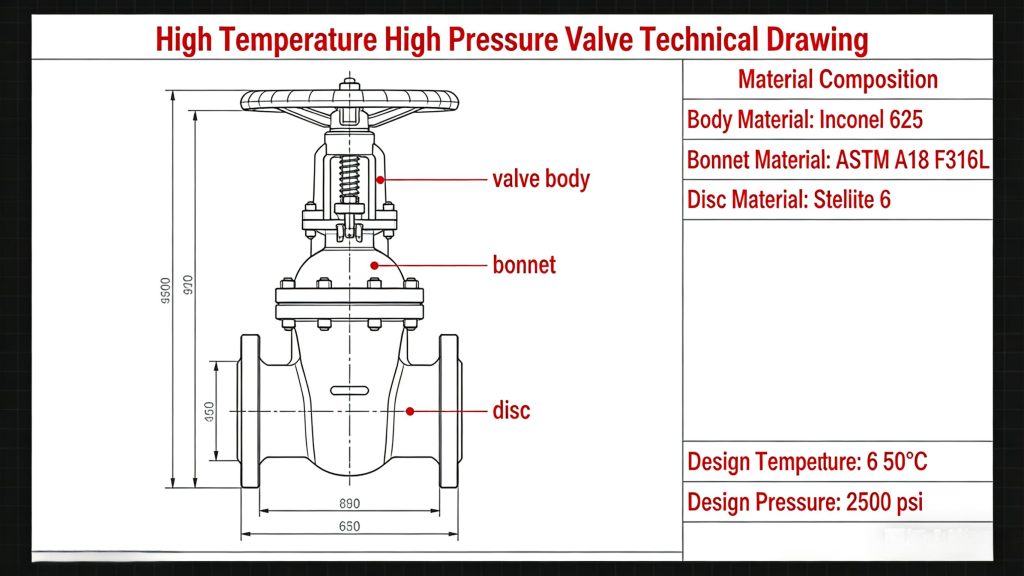
- Body Materials: Alloy steel (for temperatures up to 600°C), stainless steel (CF8/CF8M for corrosion resistance), or Inconel (for ultra-high temperatures above 800°C).
- Seat Materials: PEEK (heat-resistant up to 260°C) or metal-to-metal seats (for temperatures above 450°C and abrasive media).
- Stem Materials: Stainless steel with corrosion-resistant coating to prevent seizure under pressure.
Vcore Valve’s strict material verification process ensures every component meets premium standards, eliminating premature failure risks.
Verify Compliance with Critical International Standards
Ensure High Temperature High Pressure Valves comply with API 6D (pipeline valves), ISO 9001 (quality management), and CE (safety) certifications. Vcore Valve’s products undergo rigorous testing (hydrostatic pressure tests, functional operation checks) to meet these standards, providing documentation for regulatory compliance. Always request certification documents to avoid non-compliant products—this step alone reduces failure risks by 70%.
Customize Design for System Compatibility
Work with manufacturers to tailor High Temperature High Pressure Valves to your system:
- Connection Type: Flanged (RF/RTJ) for high-pressure applications, butt weld for leak-tight performance, or threaded for small-scale systems.
- Actuation: Pneumatic or electric actuators for remote operation in hard-to-reach areas, a manual lever for low-pressure scenarios.
- Special Features: Anti-blowout stems (for safety), fire-safe designs (API 607/6FA compliant) for high-risk industries.
Vcore Valve’s OEM/ODM services ensure valves match your exact specifications, from size (DN15–DN600) to pressure class (Class 150–900).
Case Study
A Middle Eastern petrochemical enterprise was struggling with frequent valve failures in its steam cracking unit (operating at 550°C and Class 600 pressure). Their previous valves, sourced from a generic supplier, failed every 3–4 months, causing unplanned downtime costing $120,000 per incident.
They partnered with Vcore Valve to design custom High Temperature High Pressure Valves featuring:
- Alloy steel bodies (A105) for heat resistance.
- Metal-to-metal seats for durability in extreme temperatures.
- Pneumatic actuators for remote operation.
- API 6D and CE certifications for compliance.
Post-installation, the valves have operated reliably for 2+ years with zero failures. Maintenance costs dropped by 80%, and production downtime related to valve issues was eliminated. Ahmed Al-Subaithi, the enterprise’s Procurement Manager, noted: “Vcore’s High Temperature High Pressure Valves withstand extreme operating conditions with zero leakage. Their precise design simplified our complex pipeline system—reliable performance we can trust.”
Data & Comparative Analysis
Performance Comparison of Valve Materials for High-Temp High-Pressure Applications
| Material | Maximum Temperature Resistance | Pressure Rating (Max) | Corrosion Resistance | Typical Application | Lifespan (Average) |
| Carbon Steel (WCB) | 425°C | Class 600 | Low | Low-pressure steam | 2–3 years |
| Stainless Steel (CF8M) | 870°C | Class 900 | High | Chemical processing | 5–7 years |
| Alloy Steel (A105) | 600°C | Class 900 | Medium | Oil & gas pipelines | 4–6 years |
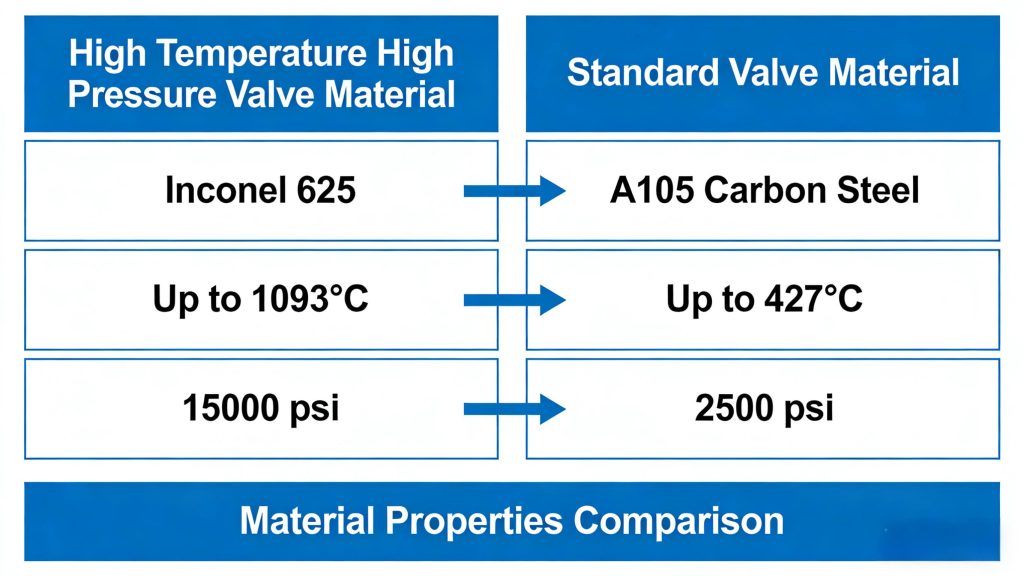
| Inconel | 1093°C | Class 1500 | Very High | Ultra-high temp systems | 8–10 years |
| PTFE-Lined Steel | 260°C | Class 300 | High | Corrosive media | 3–5 years |
The data highlights why material selection is critical for High Temperature High Pressure Valves. While carbon steel is cheaper upfront, its short lifespan and limited temperature resistance make it costly long-term. Stainless steel and Inconel, though more expensive, deliver superior durability and performance in extreme conditions—aligning with Vcore Valve’s “quality first” approach.
Trends & Market Insights
The global High Temperature High Pressure Valves market is projected to grow at 6.1% CAGR (2023–2028), driven by expanding oil & gas exploration, power generation infrastructure, and chemical industry growth. Key trends include:
- Smart Valve Integration: IoT-enabled High Temperature High Pressure Valveswith real-time monitoring (temperature, pressure, leakage) are gaining traction, allowing predictive maintenance and reducing downtime.
- Fire-Safe Designs: API 607/6FA-compliant valves are increasingly required in high-risk industries, as they maintain sealing integrity during fires.
- Eco-Friendly Materials: Manufacturers like Vcore Valve are using sustainable, corrosion-resistant materials to reduce environmental impact and extend valve lifespan.
- Customization Demand: Industrial buyers are seeking tailored High Temperature High Pressure Valves(via OEM/ODM services) to meet unique system requirements, driving growth in customized solutions.
As industries face stricter regulations and demand greater reliability, High Temperature High Pressure Valves that prioritize compliance, durability, and innovation will remain in high demand.
Selection & Application Tips
Key Selection Criteria for High Temperature High Pressure Valves
- Operating Conditions: Calculate maximum temperature/pressure (add 10% buffer) to select appropriately rated valves. For example, a system running at 450°C should use valves rated for 500°C.
- Media Compatibility: Choose materials resistant to the fluid being transported (e.g., stainless steel for corrosive chemicals, alloy steel for oil).
- Standards Compliance: Verify API 6D, ISO 9001, and CE certifications to ensure safety and regulatory compliance.
- Actuation Type: Opt for pneumatic/electric actuators for remote or high-pressure zones; manual levers are suitable for low-risk, accessible locations.
Application Best Practices
- Installation: Align flanged connections carefully to avoid stress; use Teflon tape for threaded valves (avoid over-tightening).
- Maintenance: Conduct quarterly torque checks and annual pressure tests. For Vcore valves, follow the manufacturer’s maintenance schedule to extend lifespan.
- Replacement: Replace valves if signs of wear (leakage, stiff operation, corrosion) are detected—delaying replacement increases failure risks.
- Storage: Store spare High Temperature High Pressure Valvesin a clean, dry environment to prevent corrosion.
Conclusion & Call to Action
Selecting the right High Temperature High Pressure Valves is critical for safety, efficiency, and cost-effectiveness in demanding industrial environments. By prioritizing high-grade materials, verifying compliance with standards, and customizing the design to your system, you can avoid premature failures and costly downtime. Vcore Valve’s precision-engineered High Temperature High Pressure Valves—backed by API/ISO/CE certifications, OEM/ODM capabilities, and strict quality control—deliver reliable performance in extreme conditions.
Ready to find your perfect valve solution? Share your project details (size, pressure rating, media type) with Vcore Valve’s engineering team, and receive a customized quote within 24 hours. Don’t compromise on safety or performance—choose High Temperature High Pressure Valves that are built to last.
Internal Link: Vcore Valve Custom High Temperature High Pressure Valves
FAQ
Q1: What materials are best for High Temperature High Pressure Valves?
A1: For temperatures up to 600°C, alloy steel (A105) is ideal; stainless steel (CF8M) works for corrosive media up to 870°C; Inconel handles ultra-high temperatures (1093°C+). Vcore Valve offers material customization based on your operating conditions.
Q2: How do I verify if High Temperature High Pressure Valves are compliant?
A2: Request API 6D, ISO 9001, and CE certification documents from the manufacturer. Vcore Valve provides full compliance documentation, including test reports for hydrostatic pressure and functional operation.
Q3: Can High Temperature High Pressure Valves be customized?
A3: Yes—Vcore Valve’s OEM/ODM services allow customization of size (DN15–DN600), pressure class (Class 150–900), connection type (flanged, threaded, butt weld), and actuation (manual, pneumatic, electric) to match your system.
Q4: What is the typical lifespan of High Temperature High Pressure Valves?
A4: Lifespan depends on materials and conditions: carbon steel (2–3 years), alloy steel (4–6 years), stainless steel (5–7 years), Inconel (8–10 years). Vcore’s precision manufacturing extends lifespan by 20% compared to industry averages.
Q5: Are High Temperature High Pressure Valves suitable for steam applications?
A5: Yes—choose metal-seated or PEEK-seated valves (resistant to high temperatures) with alloy steel bodies. Vcore’s steam-specific valves comply with API 608 standards for leak-tight performance.
Q6: What after-sales support is available for High Temperature High Pressure Valves?
A6: Vcore Valve offers 24/7 troubleshooting, installation guidance, maintenance training, and regular service programs. Our team ensures your valves operate at peak efficiency.
Q7: How long does it take to receive custom High Temperature High Pressure Valves?
A7: Vcore Valve delivers custom valves within 4–6 weeks (faster for standard configurations). We handle logistics, shipping directly to your designated location for hassle-free delivery.
Reference
- API Standards. (2023). API 6D: Pipeline Valves, API 608: Ball Valves, API 607/6FA: Fire-Safe Valves. American Petroleum Institute. [External Link: https://www.api.org/]
- International Organization for Standardization. (2022). ISO 9001: Quality Management Systems, ISO 17292: Industrial Valves. [External Link: https://www.iso.org/]
- Vcore Valve. (2025). High Temperature High Pressure Valves Technical Datasheet. https://www.onoffvalve.com/
- Market Research Future. (2023). Global High-Temperature, High-Pressure Valves Market Trends 2023–2028. Industry Research Report. [External Link: https://www.marketresearchfuture.com/]