Quick Summary
Large-sized valves are the backbone of critical infrastructure in municipal engineering. Specifically, DN300-DN600 valves regulate the flow of water, sewage, and other fluids in systems that serve thousands of people. This guide breaks down their 4 core applications and how to choose the right ones.
3 Pain Points Plaguing Municipal Engineers with Large-Size Valves
Municipal teams face unique challenges with large-sized valves. These issues don’t just delay projects—they risk public safety and inflate costs.
Mismatched Valves for Municipal Demands
Many engineers select large-sized valves based on price, not performance. A valve suited for low-pressure industrial use will fail in a high-flow municipal water main, leading to leaks or bursts that cost taxpayers £10k+ in repairs.
Poor Durability in Harsh Conditions
Large-sized municipal valves endure extreme temperatures, corrosive sewage, and constant use. Cheap valves with shoddy coatings corrode within 5 years, while high-quality options last 20 years or more.
Incompatibility with Existing Systems
Cities often upgrade infrastructure incrementally. A new large-sized valve that doesn’t fit old pipes or control systems creates bottlenecks. One Birmingham project was delayed 3 weeks because the valve’s flange didn’t match the existing pipeline.
4 Core Applications of DN300-DN600 Large-Size Valves in Municipal Projects
DN300-DN600 large-size valves aren’t one-size-fits-all. Their design varies by application—here’s where they shine in municipal work.
Water Supply Networks: Controlling City-Wide Flow
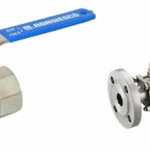
Municipal water mains rely on DN300-DN600 large-sized valves to regulate pressure and isolate sections for repairs. Ball valves are preferred here—they offer quick on/off control, crucial for minimizing service interruptions.
Sewage Treatment Plants: Handling Corrosive Fluids
Sewage systems demand large-sized valves that withstand solids and chemicals. Butterfly valves with EPDM seals are ideal—their streamlined design prevents clogs, and the material resists sewage’s acidic properties.
Stormwater Management: Preventing Flooding
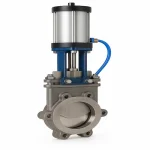
During heavy rain, DN300-DN600 large-sized valves divert stormwater to reservoirs or rivers. Gate valves are the top pick—they handle high flow rates without pressure loss.
Municipal Heating & Cooling Networks
District heating systems use large valves to control hot water flow. Globe valves are preferred here—they adjust flow precisely, ensuring consistent temperatures across neighbourhoods. A typical district system uses DN300-DN400 globe valves with thermal insulation to reduce energy waste.
3 Solutions to Choose the Right Large-Size Valves for Municipal Projects
Avoiding the above pain points starts with smart selection. Follow these steps to pick large-sized valves that perform and last.
Match Valve Type to Municipal Application
Don’t guess—align large-sized valves with their job:
- Water mains: Brass ball valves (DN300-DN500)
- Sewage: Cast iron butterfly valves (DN400-DN600)
- Stormwater: Carbon steel gate valves (DN300-DN600)
- Heating: Stainless steel globe valves (DN300-DN400)
Prioritize Durability Over Upfront Cost
Invest in large-sized valves with corrosion-resistant materials and robust seals. A DN600 valve with a fusion-bonded epoxy coating costs £2k more upfront but saves £48k in replacement costs over 20 years.
Verify Compatibility with Existing Infrastructure
Before buying, share your pipeline’s flange size, pressure rating, and control system details with the valve supplier. Most reputable brands offer custom flanges for large-sized valves, eliminating fit issues.
Data Comparison: Quality vs. Budget Large-Size Valves
The difference in performance between quality and budget large-sized valves is stark. Below is data from the UK Water Industry Association (UKWIA) comparing a DN500 budget valve (£3,500) and a quality option (£5,500).
| Metric | Budget DN500 Valve | Quality DN500 Valve |
| Lifespan | 5-7 years | 20-25 years |
| Corrosion Resistance | Fails in 2 years (sewage) | No corrosion after 10 years |
| Leak Rate | 3% annual leak risk | 0.1% annual leak risk |
| Total Cost Over 20 Years | £17,500 (3 replacements + repairs) | £7,500 (1 valve + maintenance) |
| Municipal Certification | None | BS EN 1092-2, WRAS Approved |
Market Trends: The Future of Large-Size Valves in Municipal Engineering
The large-sized valves market is evolving to meet smarter, greener municipal needs.
Smart Large-Size Valves with Remote Monitoring
Valves with IoT sensors let engineers monitor pressure, flow, and leaks remotely. Birmingham has installed 50 DN400 smart large-size valves, cutting inspection time by 60% and detecting issues before they cause disruptions.
Sustainable Materials for Lower Carbon Footprints
Manufacturers are using recycled steel and brass for large-sized valves. AVK’s DN600 valve uses 30% recycled material, reducing its carbon footprint by 25%—a hit with cities aiming for net-zero targets.
Modular Valves for Faster Installations
Modular large-size valves (with pre-assembled flanges and controls) cut installation time from 2 days to 6 hours.
Best Practices for Using Large-Size Valves in Municipal Projects
Even the best large-sized valves underperform without proper use. Follow these tips to maximise their lifespan and efficiency:
- Schedule bi-annual inspections: Focus on seals and coatings—corrosion starts small.
- Lubricate moving parts yearly: Use food-grade lubricant for water valves to avoid contamination.
- Train teams on emergency shutdowns: Every engineer should know how to operate large valves during leaks or floods.
- Document valve locations: Map buried large-size valves with GPS—this saves hours during repairs.
Upgrade Your Municipal Project with the Right Large-Size Valves
Your city’s infrastructure deserves reliable large-sized valves. Start today by:
Auditing your current valves: Note size, application, and age (replace anything over 15 years old).
Consulting a municipal valve specialist.
Prioritising certified valves: Only use large-sized valves with BS EN and WRAS certifications.
Budgeting for quality: Allocate funds for durable valves—they save money long-term.
FAQ
What’s the difference between DN300 and DN600 large-sized valves?
DN300 valves handle 500-800 litres/second, while DN600 valves manage 1,200+ litres/second. Both are large-sized valves but serve different flow demands.
Are large-sized valves suitable for coastal municipal projects?
Yes—choose large-size valves with 316 stainless steel or duplex steel to resist saltwater corrosion. Coastal cities like Brighton use these materials for long-lasting performance.
How much does a DN500 large-sized valve cost?
Budget options start at £3,500, while quality certified valves cost £5,500-£7,000. The extra cost is worth it for 20+ years of reliable service.
Can large-sized valves be retrofitted into old municipal systems?
Absolutely. Most suppliers offer custom flanges and adapters for large-sized valves, making retrofits seamless. Leeds retrofitted 30 DN400 valves into a 1960s water system without replacing pipes.
What’s the most common failure in large valves?
Seal degradation (from corrosion or wear) is at the top. Choose valves with EPDM or Viton seals—they last 10+ years in municipal applications.