Quick Overview
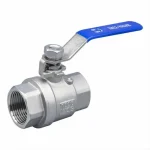
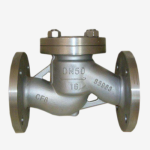
Vcore Valve supports industrial valve projects by helping buyers confirm valve type, size, pressure class, material, seat design, actuator configuration, testing requirement, documentation, packing, and delivery plan. Our supply scope covers ball valves, butterfly valves, gate valves, globe valves, check valves, control valves, rubber-lined valves, actuated valves, and customized valve solutions for demanding industrial piping systems.
Introduction
Industrial valve buyers often need more than a standard catalog item. Project valves must match the medium, pressure, temperature, corrosion risk, shutoff requirement, actuator mode, inspection level, and documentation package. A capable valve supplier should support technical confirmation before production and provide verifiable inspection records before shipment.
In today’s competitive market, finding a reliable partner for your industrial valve needs is critical. Let’s delve into why Vcore Valve stands out in the crowded valve manufacturing landscape.
Top User Pain Points in Valve Selection and Operation
Valve Failures and Downtime
Industrial valve failure can bring production lines to a halt, leading to costly delays. Users often struggle with valves that don’t meet the rigorous demands of their applications, resulting in frequent repairs and replacements.
Inefficient Valve Performance
Many valves fail to perform optimally, leading to reduced system efficiency, higher energy consumption, and increased operating costs. Poor valve design and subpar materials are often the cause.
Customization and Specification Challenges
Off-the-shelf valves rarely meet the specific requirements of advanced industrial systems. Companies often face difficulties sourcing valves that align with their exact needs, leading to compatibility issues and performance concerns.
| Required Information | Why It Matters |
|---|---|
| Valve type | Ball, gate, globe, butterfly, check, control valve, etc. |
| Size and pressure class | Determines valve design, wall thickness, torque and testing |
| Medium | Affects material, seat, coating, corrosion and cleaning |
| Temperature and pressure | Confirms pressure-temperature rating and seal suitability |
| Body and trim material | Determines corrosion resistance and mechanical strength |
| Seat / seal material | Affects shutoff, temperature limit and media compatibility |
| End connection | Flanged, threaded, welded, wafer, lug, clamp, etc. |
| Operation method | Manual, gearbox, pneumatic, electric, hydraulic |
| Leakage requirement | Determines seat design and test standard |
| Applicable standard | API, ASME, ISO, EN, MSS or project specification |
| Testing requirement | Shell test, seat test, PMI, NDE, fire-safe, cryogenic, fugitive emission |
| Documentation | MTC, CoC, test report, drawing, ITP, third-party inspection |
| Delivery schedule | Affects material preparation and production planning |
Effective Solutions to Overcome Valve Challenges
Invest in High-Performance Valves
Choosing valves that are specifically engineered for your application is crucial. Custom valve design can reduce application mismatch when the buyer and supplier confirm the medium, pressure, temperature, material, valve type, seat design, actuator torque, leakage requirement, testing standard, and operating conditions before production.
Opt for Durable Materials and Advanced Technology
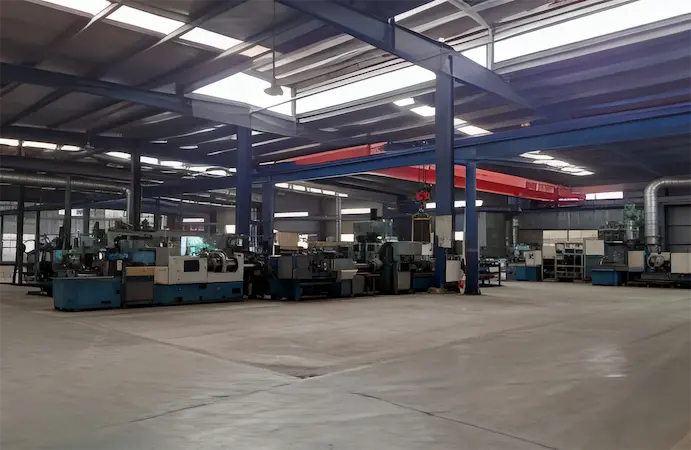
Manufacturing and inspection may include drawing review, material inspection, machining, dimensional inspection, assembly, shell test, seat leakage test, actuator function test, coating inspection, marking, documentation review, and export packing according to the purchase order and project requirements.
Tailored Valve Solutions
Vcore Valve specializes in custom valve manufacturing, offering tailor-made solutions to meet unique application requirements. Our valves are designed with precision, guaranteeing seamless integration into your system.
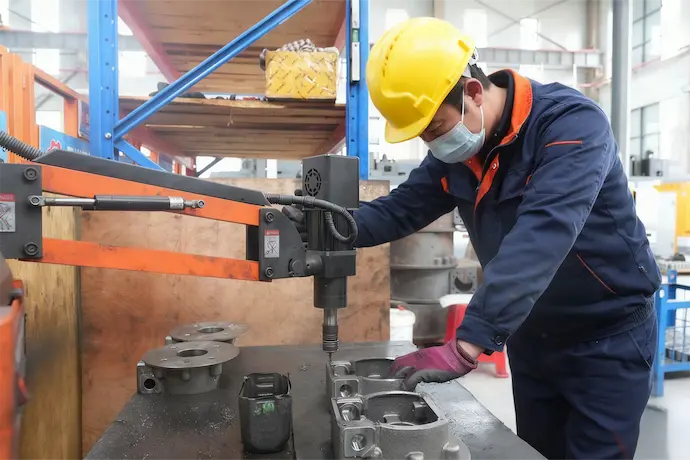
Typical Project Scenario: Custom Valve Selection for Demanding Service
In high-temperature, high-pressure, corrosive, or automated pipeline systems, standard valves may not match the actual service conditions. A custom valve package may need special materials, metal seats, extended stems, actuator sizing, fire-safe design, anti-static structure, low-temperature testing, NDE, PMI, or third-party inspection depending on the project specification.
The Science of Valve Performance: Key Factors that Matter
Valves play a critical role in industrial systems, and their design and materials directly impact their performance. Studies show that high-performance valves made from advanced materials (like stainless steel or alloy metals) can significantly increase the longevity of your system. Additionally, modern valve technologies such as automatic control and anti-corrosive coatings offer tangible benefits, including:
-
Enhanced Flow Control: In industrial valve procurement, buyers increasingly request clear material documentation, pressure test reports, actuator data, coating records, third-party inspection, application-specific material selection, and faster technical response. Automation and digital feedback are important only when the system requires remote operation or position monitoring.
-
Corrosion Resistance: High-quality materials ensure longevity and reduce the risk of leaks or failures.
-
Pressure Resistance: Advanced design improves a valve’s ability to handle extreme conditions, ensuring system stability.
Key Industry Trends: What’s Shaping the Future of Valve Technology?
The global industrial valve market is expected to grow steadily due to increasing demand for efficient, durable, and safe valve solutions. Key trends include:
-
Digitalization: The use of smart valves and integrated automation technologies is rising.
-
Sustainability: Green technologies and environmentally friendly materials are becoming standard in valve manufacturing.
-
Customization: More companies are seeking customized solutions that perfectly fit their specific needs.
These trends point toward an increased focus on valve efficiency, performance, and adaptability—areas where Vcore Valve excels.
Valve Styles and Recommendations
When selecting valve style and design, buyers should confirm installation space, end connection, face-to-face dimension, pressure class, operation method, maintenance access, actuator mounting interface, flow direction, and compatibility with existing piping.
Our valves are designed with easy installation in mind, ensuring that even the most complex systems can be set up with minimal hassle. Whether you need a globe valve, ball valve, or check valve, we offer solutions that fit seamlessly into your existing infrastructure.
Conclusion
In the ever-evolving industrial landscape, the importance of reliable, high-performance valves cannot be overstated. With Vcore Valve, you gain access to industry-leading valve solutions that promise not only enhanced system efficiency but also a lower total cost of ownership.
Let us help you elevate your operations with custom-engineered valves that stand the test of time. Contact Vcore Valve today to discuss your specific needs and discover how we can support your business with advanced valve solutions.
FAQ
1. What are high-performance industrial valves?
High-performance industrial valves usually refer to valves selected or engineered for demanding service conditions such as high pressure, high temperature, corrosion, erosion, tight shutoff, automation, fire-safe service, cryogenic service, or severe cycling. The exact requirement should be defined by the project datasheet, not by the term “high-performance” alone.
2. How do custom valves improve system performance?
Custom valves are designed to meet the exact specifications of your system, improving compatibility, performance, and reducing the risk of failure.
3. What materials are best for industrial valves?
There is no universal best valve material. Material selection depends on medium, pressure, temperature, corrosion mechanism, solids, H₂S/CO₂, chloride level, pH, velocity, seat material, coating, and project standard. Common options include carbon steel, stainless steel, duplex stainless steel, alloy steel, bronze, lined materials, rubber-lined structures, and special alloys.
4. Can Vcore Valve provide solutions for different industries?
Yes, Vcore Valve offers a wide range of valves designed for various industries, including oil and gas, water treatment, and chemical processing.
5. What is the lead time for custom valve orders?
Lead time depends on valve type, size, pressure class, material availability, casting or forging schedule, machining, coating, actuator configuration, testing, certificates, third-party inspection, packing and shipping method. Standard valves may be faster, while customized or special-material valves require case-by-case confirmation.