
Why We Rarely Recommend Lug Butterfly Valves for ASME Class 600 Service
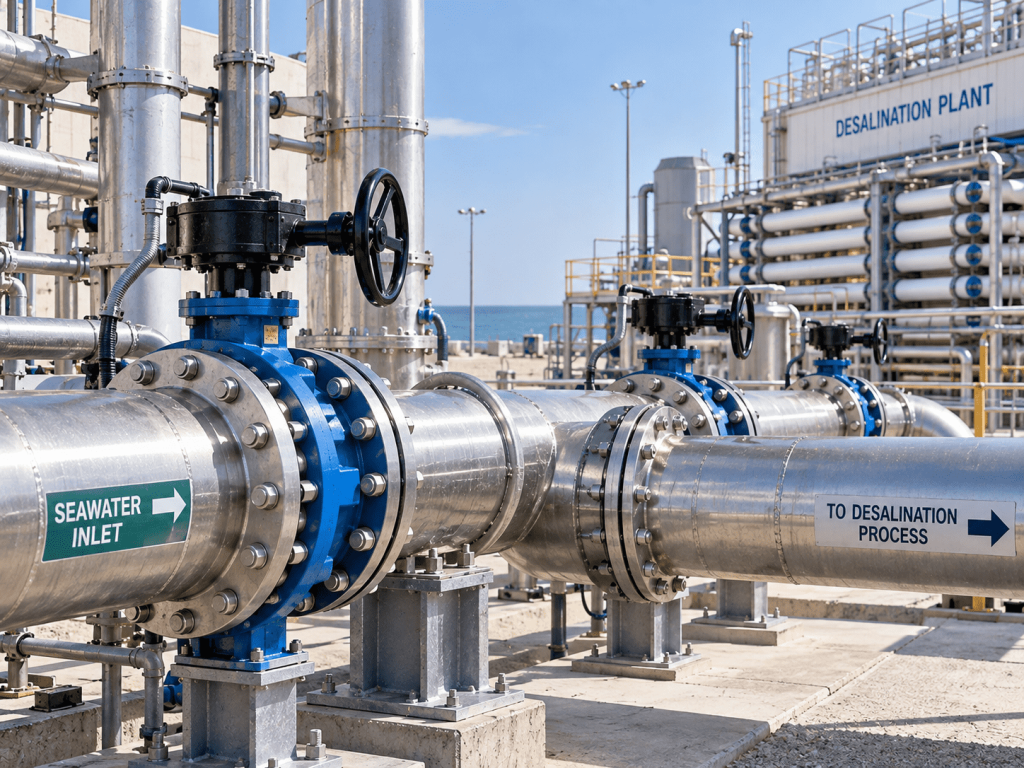
Why We Rarely Recommend Lug Butterfly Valves for ASME Class 600 Service Quick Summary: A lug butterfly valve is not automatically unsuitable for ASME Class 600. Purpose-designed high-performance and triple-offset lug valves are available at Class 600 and can even be qualified for full-rated dead-end service. However, for many customized high-pressure projects, Vcore rarely recommends […]
Ball Valve vs Gate Valve vs Globe Valve: Which One Should Industrial Buyers Choose?
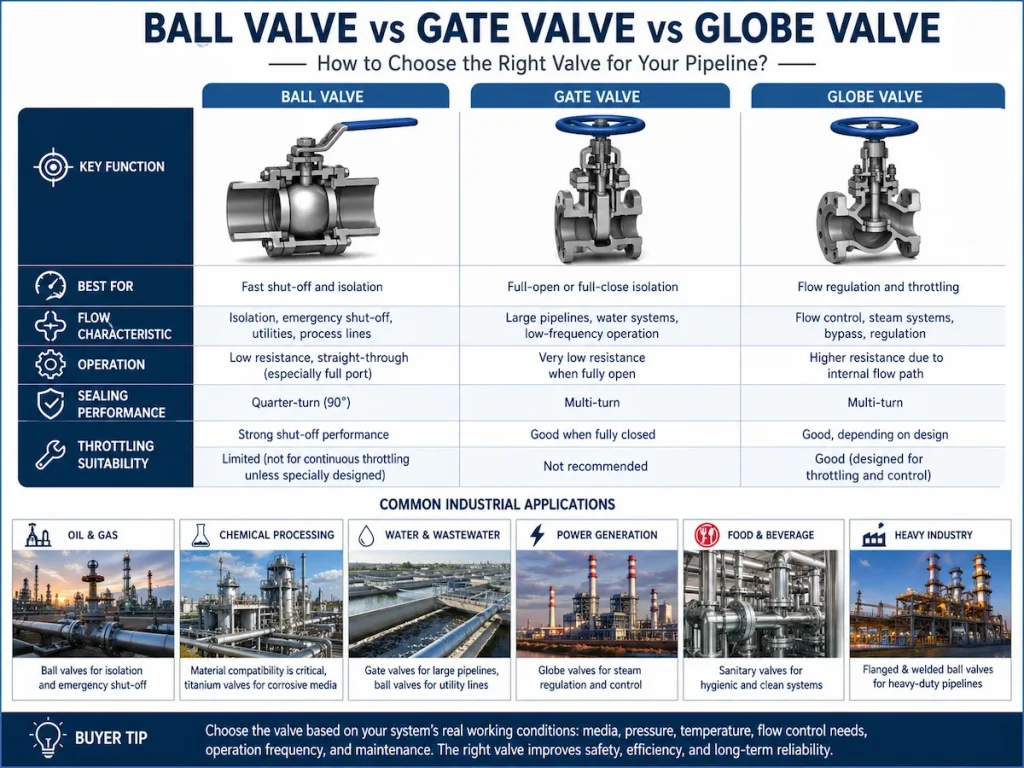
Quick Summary: A ball valve is usually the better choice for fast shut-off, reliable sealing, and low-pressure-loss pipeline isolation, while a gate valve works well for full-open or full-close large pipeline service, and a globe valve is better for flow regulation. For industrial buyers, the right choice depends on flow control needs, pressure drop limits, […]
Forged vs Cast Valves: A Comprehensive Comparison for Industrial Applications
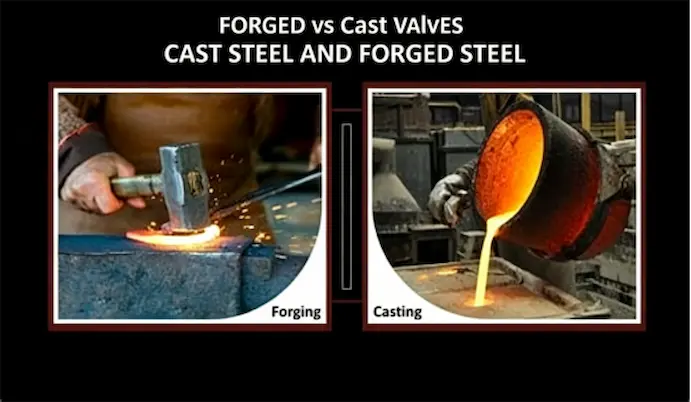
Learn the key differences between forged valves and cast valves, including strength, pressure performance, cost, size range, material integrity, and industrial application suitability.
Different between gate valve and globe valve
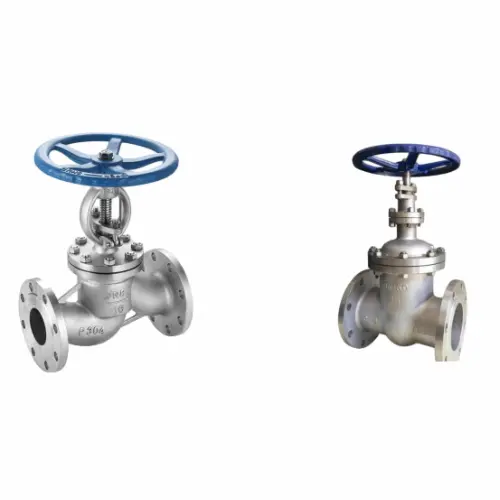
Introduction Understanding the difference between gate valve and globe valve is essential when designing or maintaining industrial piping systems. Although both valves are widely used for controlling fluid flow, their internal structures, flow characteristics, and typical applications differ significantly. At Vcore Valve, engineers often encounter situations where the wrong valve type has been installed, leading […]
Non-Lubricated Plug Valve vs Lubricated Plug Valve: Which is Best for Your Application?
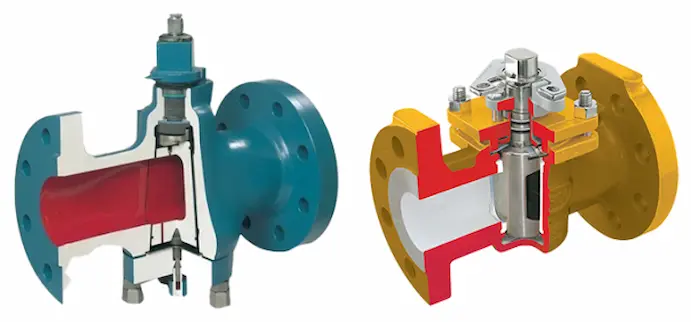
Compare non-lubricated and lubricated plug valves by sealing design, operating torque, pressure and temperature capability, maintenance, contamination risk, and application. Non-lubricated plug valves suit cleaner, low- to medium-pressure services where lubricant contamination is undesirable, while lubricated plug valves provide smoother operation and stronger sealing for demanding high-pressure and high-temperature industrial systems.
Essential Tips for Installing Steam Traps in Industrial Systems
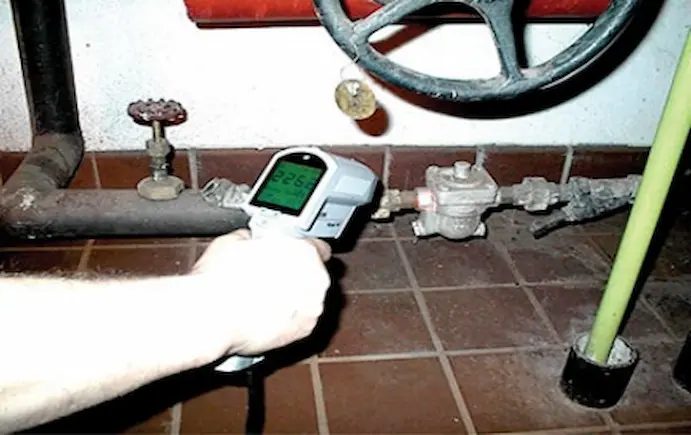
Learn how to install steam traps correctly for efficient condensate and non-condensable gas removal in industrial steam systems. The guide covers steam trap selection and sizing, installation orientation, common mistakes, routine inspection, and maintenance practices that help reduce steam loss, water hammer, equipment damage, energy consumption, and unplanned downtime.
Flush Bottom Valve: Definition, Types, Components, Working, and Advantages
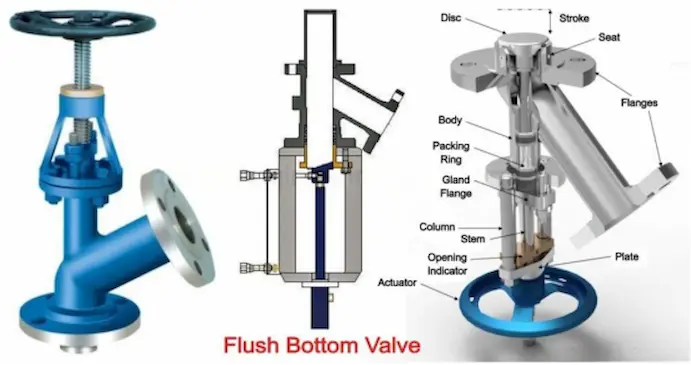
Learn how flush bottom valves provide complete and controlled discharge from tanks, reactors, and process vessels while reducing residue accumulation, contamination, and flow blockage. The guide explains common valve types, components, operating principles, advantages, and selection factors for viscous liquids, slurries, volatile fluids, and other demanding process media.
Valves for Sugar Industry
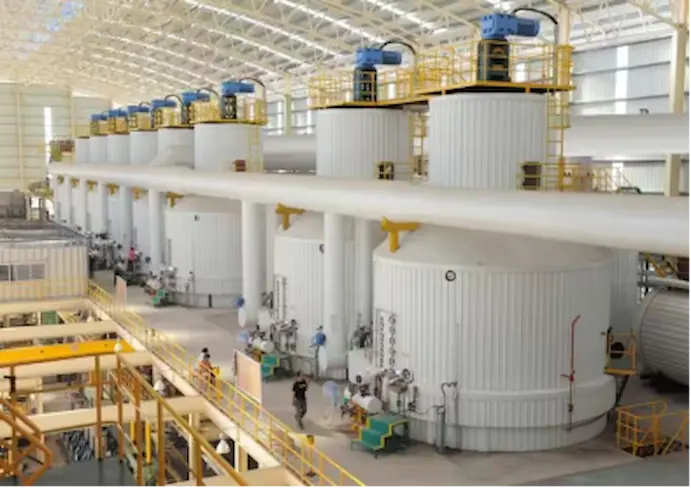
Explore the main valve types used in sugar mills and sugar-processing plants for syrup handling, steam service, cooling water, isolation, and flow control. The guide explains how viscosity, sugar deposits, corrosion, abrasion, temperature, hygiene requirements, and control accuracy affect valve material, design, and application selection.
Why Ball Valves are the Best Choice for Gases
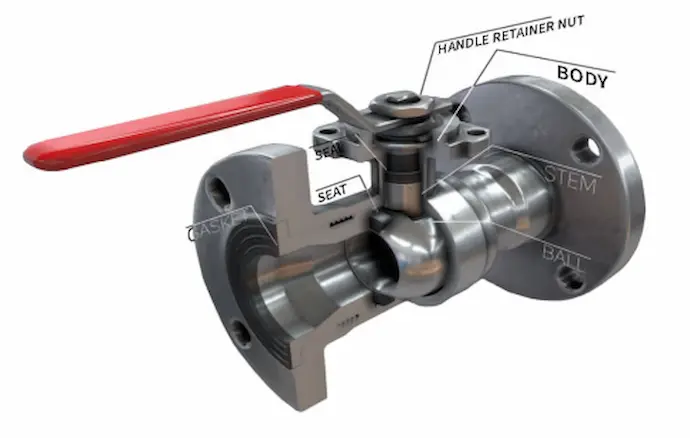
Learn why ball valves are widely used for natural gas, industrial gas, biogas, and other pressurized gas systems. The guide explains their quarter-turn operation, tight shutoff, low flow resistance, pressure capability, material options, and key selection factors for reducing leakage and maintaining safe, reliable gas isolation.
Understanding the Valve Arrow on Butterfly Valve Bodies
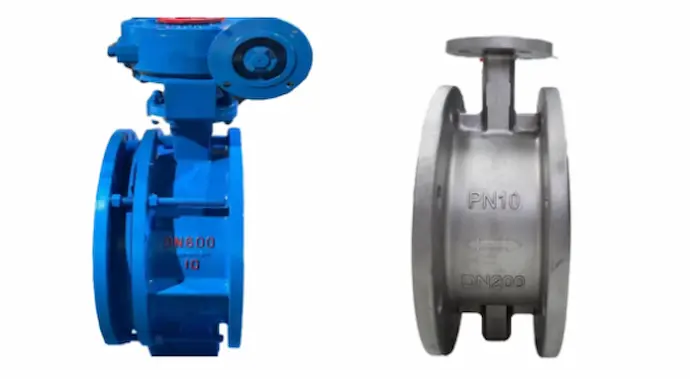
Learn what the arrow marked on a butterfly valve body or nameplate may indicate and why it must be checked before installation. The guide explains flow direction, preferred pressure orientation, manufacturer markings, valve alignment, and installation practices that help maintain reliable sealing, correct operating torque, and longer valve service life.
Why Conventional Butterfly Valves May Be Unsuitable for Abrasive Dry Bulk Solids
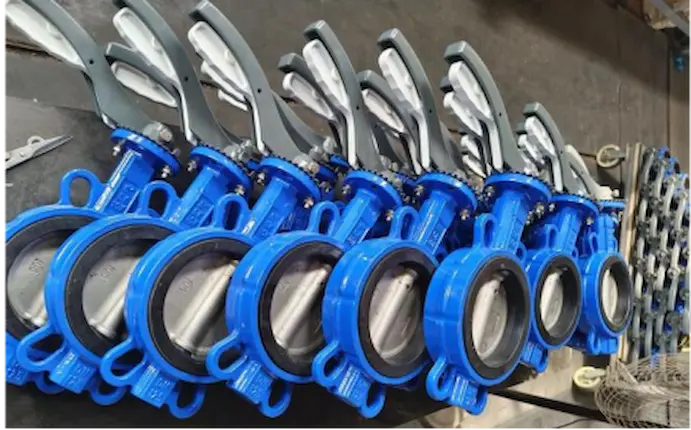
Learn why conventional butterfly valves may experience abrasion, particle packing, seat damage, flow restriction, and incomplete shutoff when handling dry powders and granular materials. The guide explains the limitations of standard butterfly valve designs and outlines key factors for selecting purpose-built bulk-solids valves, slide gates, rotary airlocks, or feeding equipment for cement, mining, food, and powder-processing systems.
Factors Affecting Butterfly Valve Prices | Vcore Valve
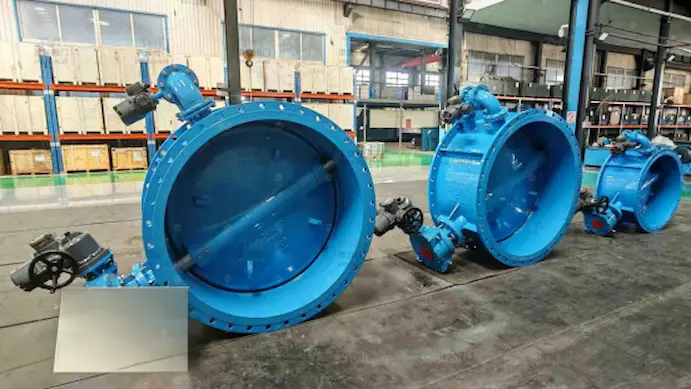
Quick Summary The butterfly valve price can vary significantly—even for valves that appear similar at first glance. From materials and pressure ratings to certification and manufacturing processes, multiple factors influence the final cost. This guide explains the most important elements affecting butterfly valve pricing, helping buyers make informed, cost-effective decisions without compromising safety or performance. […]