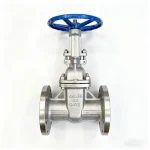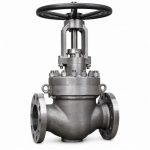
Introduction
Understanding the difference between gate valve and globe valve is essential when designing or maintaining industrial piping systems. Although both valves are widely used for controlling fluid flow, their internal structures, flow characteristics, and typical applications differ significantly.
At Vcore Valve, engineers often encounter situations where the wrong valve type has been installed, leading to unnecessary pressure loss, poor flow control, or premature wear. Selecting the correct valve not only improves operational efficiency but also reduces maintenance costs and system downtime.
This article explains the working principles, structural differences, advantages, and ideal applications of gate valves and globe valves.
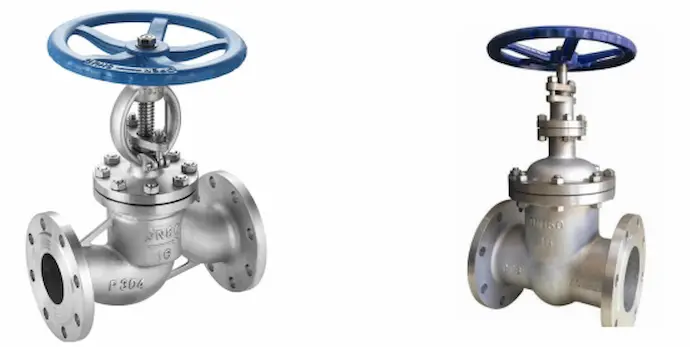
Working Principle Comparison
Gate Valve Operation
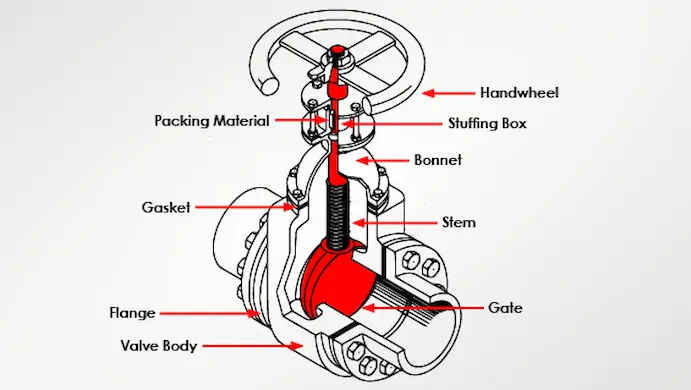
A gate valve works by lifting the gate vertically away from the flow path. When fully open, the fluid travels straight through the valve body.
Because the gate does not interfere with the flow when open, pressure drop remains extremely low.
Globe Valve Operation
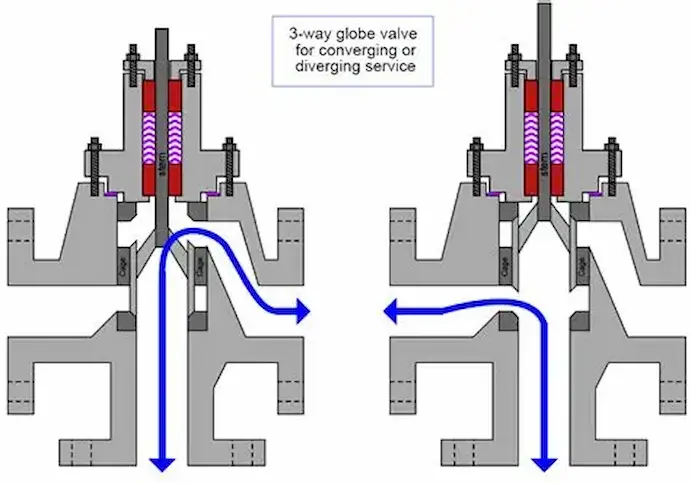
A globe valve operates by moving the disc toward or away from the valve seat. As the disc moves, the flow area changes, allowing operators to regulate the flow rate precisely.
However, the flow path inside a globe valve bends around the disc and seat, creating higher turbulence and pressure loss.
What Is a Gate Valve?
A gate valve is a type of isolation valve designed to either fully stop or allow fluid flow in a pipeline. It operates by lifting or lowering a flat or wedge-shaped gate inside the valve body.
When the valve is fully open, the gate is completely removed from the flow path, allowing fluid to pass through with minimal resistance.
Key Characteristics of Gate Valves
- Designed for on/off service
- Very low pressure drop when fully open
- Straight flow path
- Suitable for large pipelines
- Not recommended for throttling
Gate valves are commonly used in industries such as oil and gas, water distribution, power generation, and petrochemical plants.
What Is a Globe Valve?
A globe valve is designed primarily for regulating or throttling fluid flow. Unlike gate valves, the flow path inside a globe valve changes direction, allowing the valve to control flow more precisely.
The valve contains a movable disc and a stationary seat. By adjusting the disc position, operators can regulate the amount of fluid passing through the valve.
Key Characteristics of Globe Valves
- Excellent flow regulation capability
- Suitable for frequent operation
- Higher pressure drop compared to gate valves
- Precise throttling control
Globe valves are often used in steam systems, cooling water lines, fuel oil systems, and process control applications.
Structural Differences
The most noticeable difference between gate valve and globe valve lies in their internal structure and flow path.
| Feature | Gate Valve | Globe Valve |
|---|---|---|
| Flow Path | Straight | S-shaped |
| Main Function | Isolation | Flow control |
| Pressure Drop | Low | Higher |
| Operation | Multiple turns | Multiple turns |
| Throttling Capability | Poor | Excellent |
| Maintenance | Lower | Higher |
Because of its straight-through flow design, a gate valve offers minimal resistance, whereas the globe valve’s directional change causes more pressure loss.
Pressure Drop and Flow Efficiency
Pressure drop is a major consideration in pipeline design.
| Valve Type | Pressure Loss | Flow Efficiency |
|---|---|---|
| Gate Valve | Very Low | High |
| Globe Valve | Moderate to High | Medium |
Because of the straight flow path, gate valves are more energy efficient, especially in large pipelines.
Globe valves sacrifice some efficiency in exchange for better control capability.
Typical Applications
Applications of Gate Valves
Gate valves are commonly installed in systems where valves remain either fully open or fully closed.
Common uses include:
- Oil and gas pipelines
- Water distribution systems
- Power plant pipelines
- Large diameter pipelines
- Fire protection systems
Applications of Globe Valves
Globe valves are preferred where precise control of flow is necessary.
Typical applications include:
- Steam control systems
- Cooling water regulation
- Chemical process control
- Fuel oil regulation
- Boiler feed systems
Advantages and Disadvantages
Gate Valve Advantages
- Minimal pressure drop
- Simple structure
- Suitable for large pipelines
- Good sealing performance
Gate Valve Disadvantages
- Slow operation
- Not suitable for throttling
- Large installation space
Globe Valve Advantages
- Excellent flow control
- Suitable for frequent operation
- Precise regulation capability
Globe Valve Disadvantages
- Higher pressure loss
- More complex design
- Greater maintenance requirements
How to Choose the Right Valve
When deciding between these two valves, engineers should consider the following factors:
Choose a Gate Valve When:
- Full flow is required
- Pressure loss must be minimized
- The valve will remain mostly open or closed
Choose a Globe Valve When:
- Accurate flow control is required
- The system requires frequent adjustments
- Pressure drop is acceptable
Selecting the correct valve type improves system reliability and operational efficiency.
Conclusion
The difference between gate valve and globe valve mainly lies in their purpose and design. Gate valves are ideal for isolation applications where minimal pressure loss is required, while globe valves are better suited for regulating and controlling flow.
Understanding these differences helps engineers design more efficient piping systems and avoid common operational problems.
At Vcore Valve, selecting the right valve type is always the first step toward ensuring reliable pipeline performance.
FAQs
What is the main difference between gate valve and globe valve?
The main difference is their function. Gate valves are designed for isolation, while globe valves are designed for flow regulation and throttling.
Which valve has lower pressure drop?
Gate valves have lower pressure drop because the flow path remains straight when the valve is fully open.
Can gate valves be used for flow control?
Gate valves are not recommended for throttling because partial opening can cause vibration and seat damage.
Why are globe valves better for throttling?
Globe valves allow precise adjustment of the flow rate due to their disc and seat design.
Which valve is better for high-pressure systems?
Both valve types can be designed for high-pressure systems, but the choice depends on whether isolation or flow control is required.