
Trunnion Ball Valve Seat Injection: Emergency Sealing vs Routine Lubrication
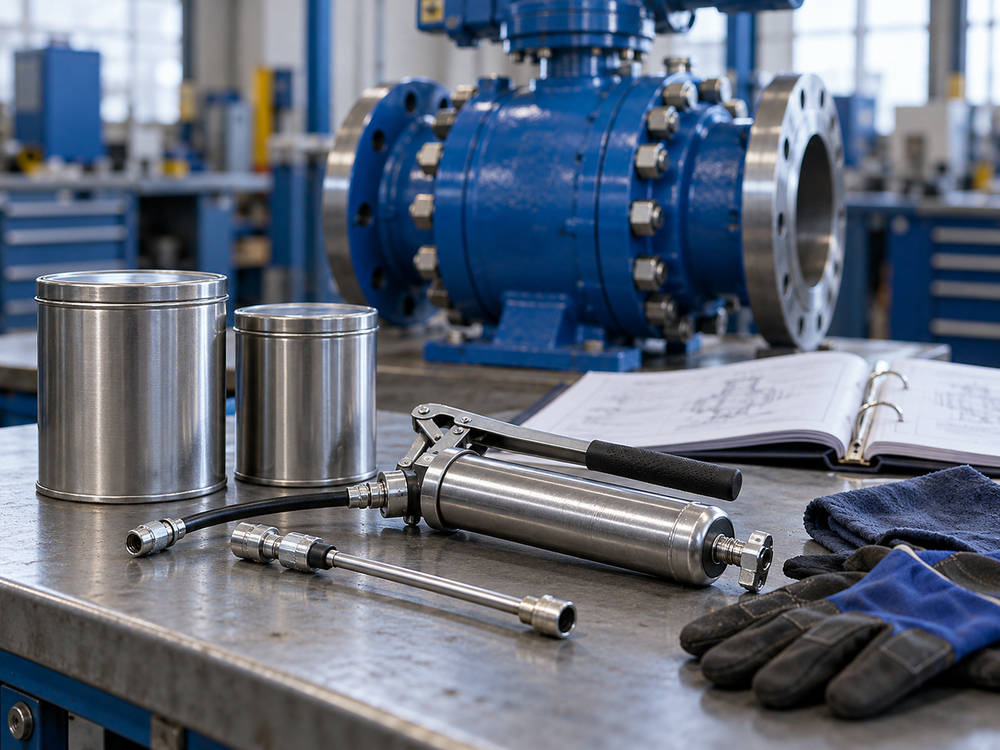
Trunnion Ball Valve Seat Injection: Emergency Sealing vs Routine Lubrication Quick answer: Trunnion ball valve seat injection can provide a route for an approved sealant to help control seat leakage. It does not automatically mean the valve needs routine greasing. Some designs permit planned lubrication or cleaning through dedicated passages; others treat injection primarily as […]
Different between gate valve and globe valve
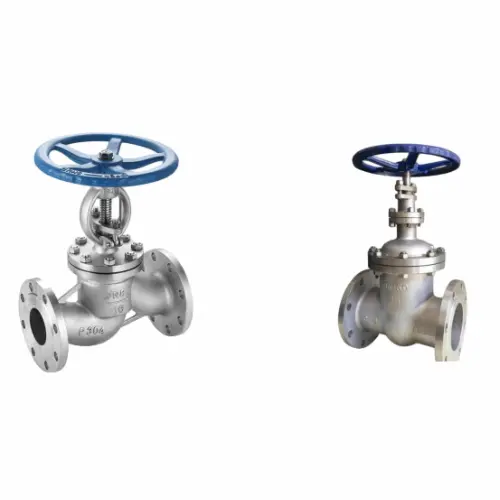
Introduction Understanding the difference between gate valve and globe valve is essential when designing or maintaining industrial piping systems. Although both valves are widely used for controlling fluid flow, their internal structures, flow characteristics, and typical applications differ significantly. At Vcore Valve, engineers often encounter situations where the wrong valve type has been installed, leading […]
Slip Ball Valve vs Ball Valve: Key Differences
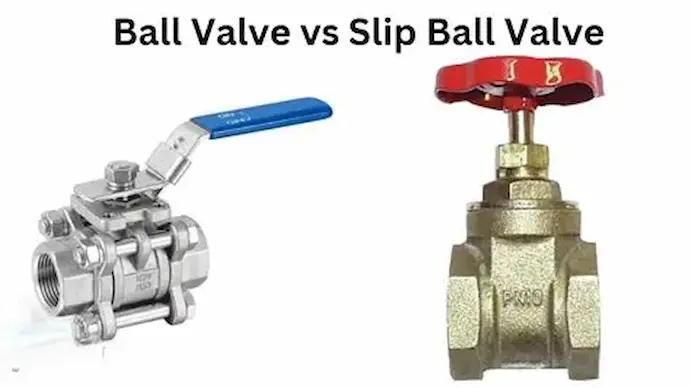
Compare slip ball valves and conventional ball valves by flow-control method, sealing performance, pressure capability, maintenance, and application. Slip ball valves are designed for adjustable flow regulation, while standard ball valves provide reliable full-open or full-closed isolation for water, gas, oil, and industrial pipelines.
Tapping Valve vs Gate Valve: Key Differences and Applications
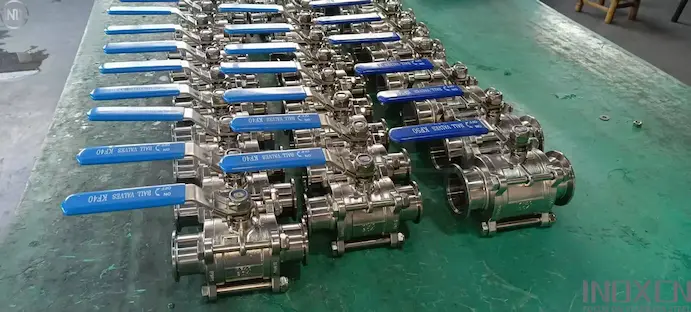
Compare tapping valves and gate valves by function, installation method, sealing requirements, maintenance, and application. Tapping valves are designed for adding branches or connection points to live pipelines without interrupting service, while gate valves are primarily used for full-flow isolation and shutoff in water, oil, gas, and industrial piping systems.
The Role of Air Release Valves in Piping Systems
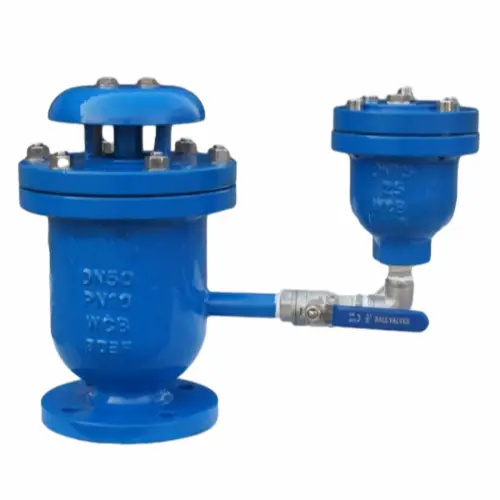
Learn how air release valves remove trapped air from pipelines to prevent air pockets, flow restriction, pressure fluctuations, water hammer, and reduced system efficiency. The guide explains their operating principle, typical installation at pipeline high points, common applications, and key considerations for sizing, inspection, and maintenance.
Efficient Valve Selection to Minimise Downtime: Best Practices and Tips
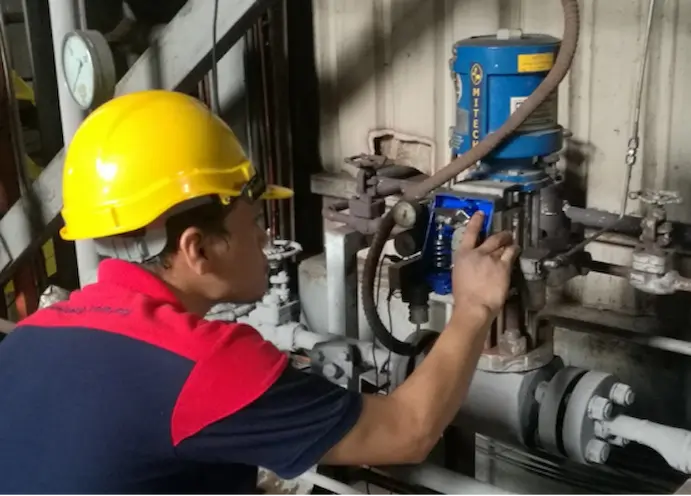
Learn how correct valve selection can reduce unplanned downtime, maintenance frequency, leakage, and premature equipment failure. The guide explains how fluid properties, pressure, temperature, flow rate, valve sizing, material compatibility, sealing performance, inspection, and preventive maintenance affect valve reliability and overall system efficiency.
Ductile Iron vs Cast Steel Valves | Material Selection Guide
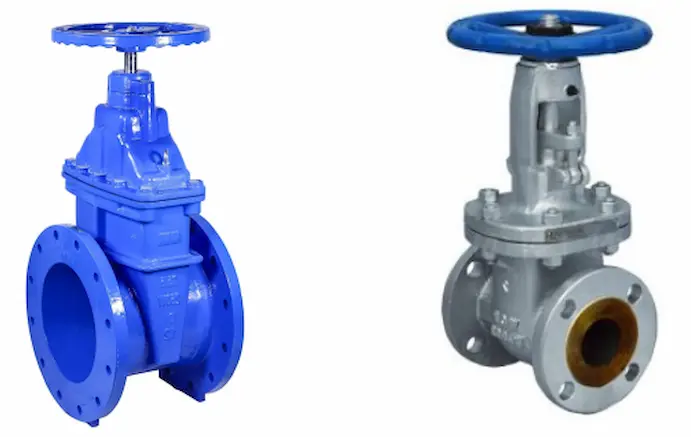
Compare ductile iron and cast steel valves by mechanical strength, pressure and temperature capability, corrosion protection, weight, cost, standards, and application. Ductile iron valves provide a lighter and more economical solution for water supply, wastewater, HVAC, and moderate-pressure systems, while cast steel valves offer greater strength and reliability for high-pressure, high-temperature, steam, oil and gas, petrochemical, and other demanding industrial services.
Gate Valve vs Butterfly Valve: Key Differences Explained
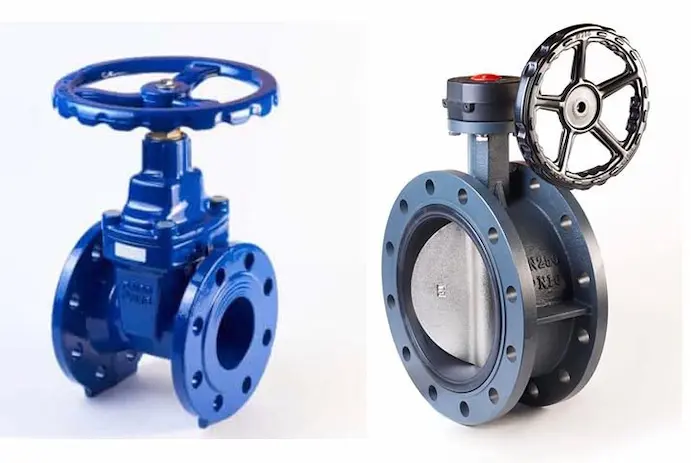
Compare gate valves and butterfly valves by operating mechanism, flow resistance, installation space, weight, cost, maintenance, and application. Gate valves provide full-bore flow and minimal pressure loss for high-pressure isolation and transmission pipelines, while butterfly valves offer compact construction, fast quarter-turn operation, easier automation, and economical control for water treatment, HVAC, cooling, and large-diameter piping systems.
What is swing check valve
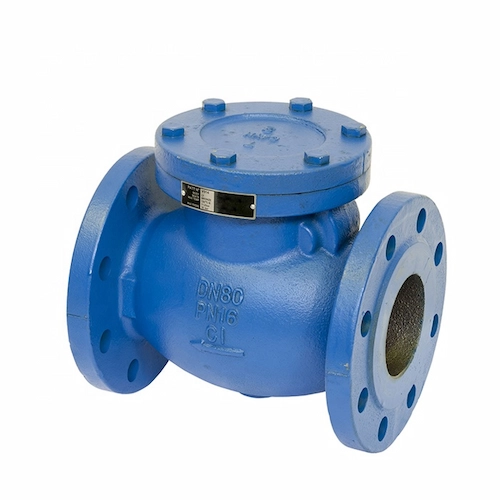
Quick Summary A swing check valve is a type of backflow prevention device used in pipelines to ensure unidirectional flow. The valve has a hinged disc that swings to allow flow in one direction, and swings back to close when flow reverses. This simple yet effective mechanism prevents backflow and protects systems from potential damage […]