
Ball Valve vs Gate Valve vs Globe Valve: Which One Should Industrial Buyers Choose?
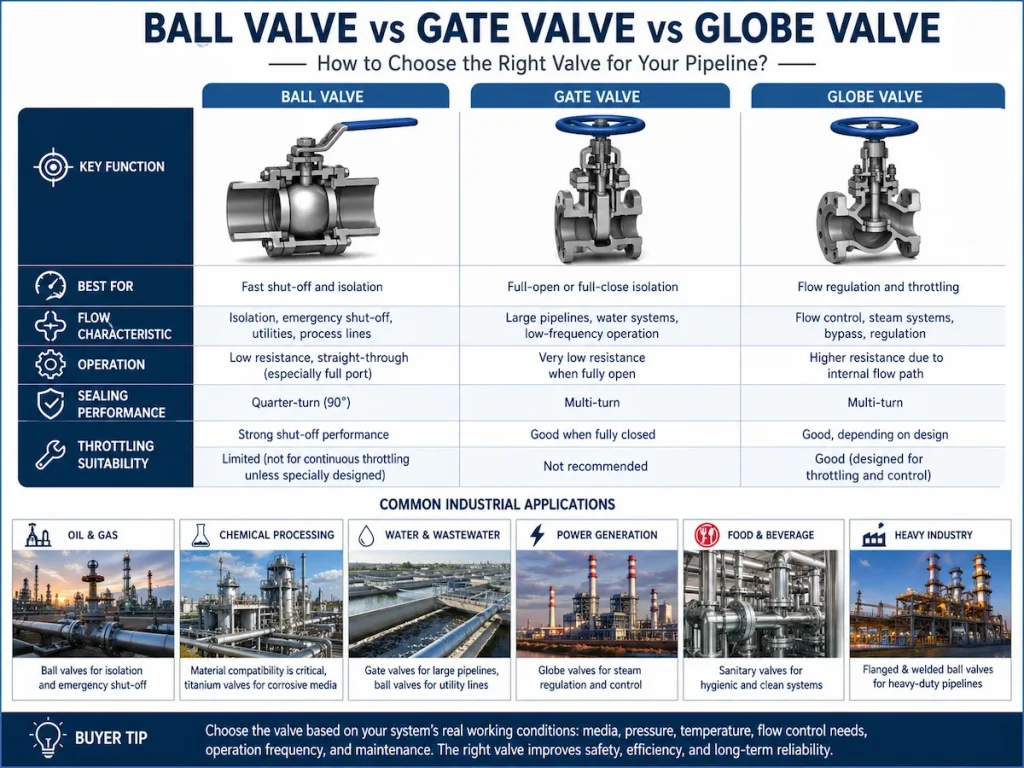
Quick Summary: A ball valve is usually the better choice for fast shut-off, reliable sealing, and low-pressure-loss pipeline isolation, while a gate valve works well for full-open or full-close large pipeline service, and a globe valve is better for flow regulation. For industrial buyers, the right choice depends on flow control needs, pressure drop limits, […]
Different between gate valve and globe valve
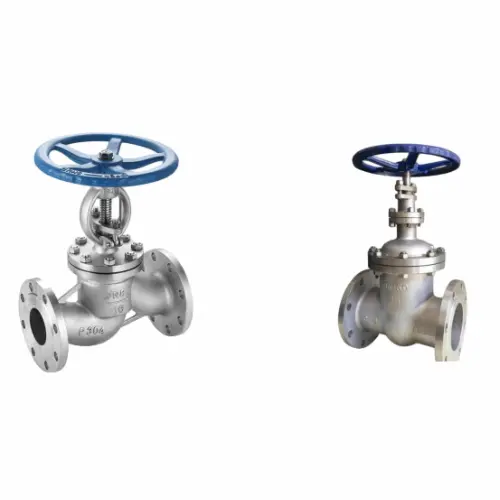
Introduction Understanding the difference between gate valve and globe valve is essential when designing or maintaining industrial piping systems. Although both valves are widely used for controlling fluid flow, their internal structures, flow characteristics, and typical applications differ significantly. At Vcore Valve, engineers often encounter situations where the wrong valve type has been installed, leading […]
Brass vs Stainless Steel valves: What’s the Difference in Valves
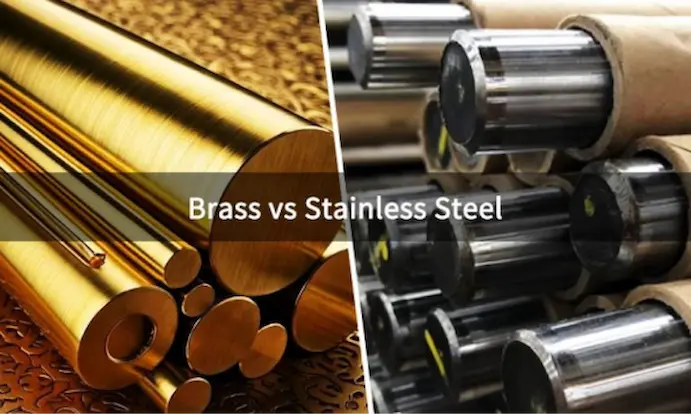
Quick Overview When selecting materials for valves, brass vs stainless steel valves are two of the most popular choices—but they serve different purposes. Understanding the material differences helps engineers and buyers make smarter decisions about performance, durability, and cost. Opening Scenario Picture this: you’re specifying valves for a large industrial pumping system. The engineers argue […]
Why Are Power Plant Valves So Expensive? Insights & Costs
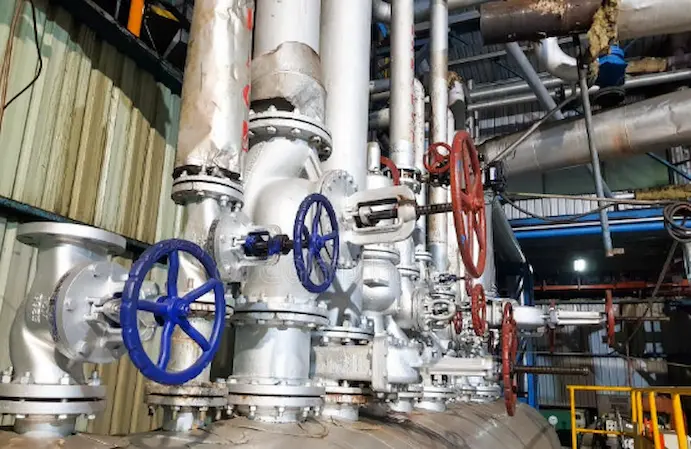
Quick Overview Power plant valves are integral components of any power generation system. They regulate steam, water, gas, and other fluids under extreme conditions. Due to their critical role and complex manufacturing process, these valves can be quite expensive. This article discusses the factors contributing to the high costs of power plant valves, including the […]
Through Shaft vs Split Shaft Butterfly Valve Discs
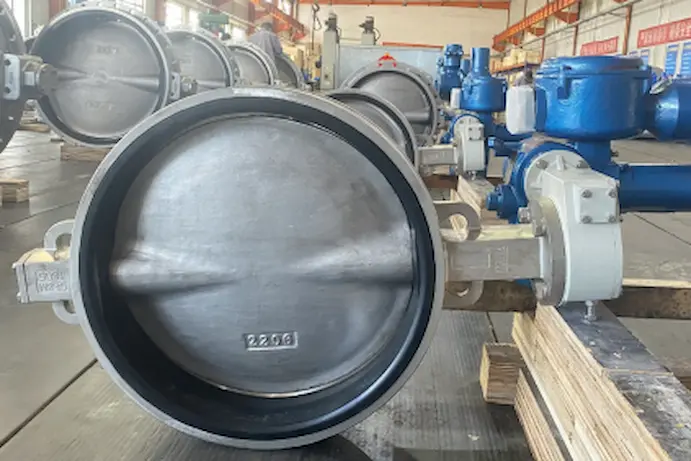
Compare through-shaft and split-shaft butterfly valve discs by shaft structure, mechanical strength, flow resistance, operating torque, weight, cost, and suitable valve size. Through-shaft designs provide strong, simple support for small- to medium-size valves, while split-shaft designs create a less obstructed flow path and are better suited to large-diameter, flow-efficient systems.
Concentric vs Eccentric Butterfly Valve
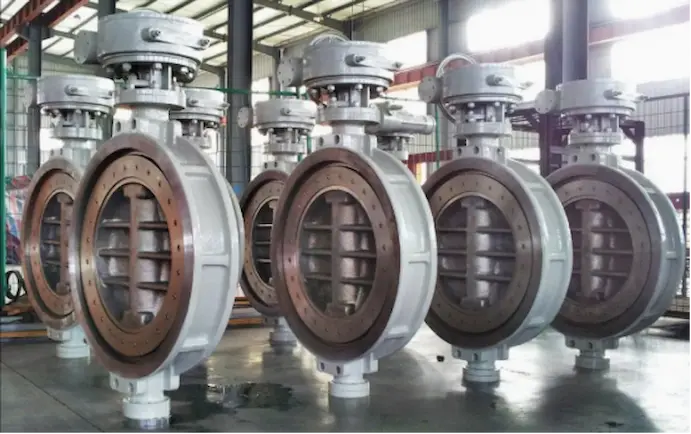
Compare concentric and eccentric butterfly valves by shaft position, seat contact, sealing design, operating torque, pressure and temperature capability, service life, and application. Concentric butterfly valves provide a simple, economical solution for water, HVAC, and low-pressure utility systems, while double- and triple-eccentric designs reduce seat friction and offer more durable sealing for steam, gas, chemical processing, power generation, and other demanding services.
How Ball Valves Improve Energy Efficiency
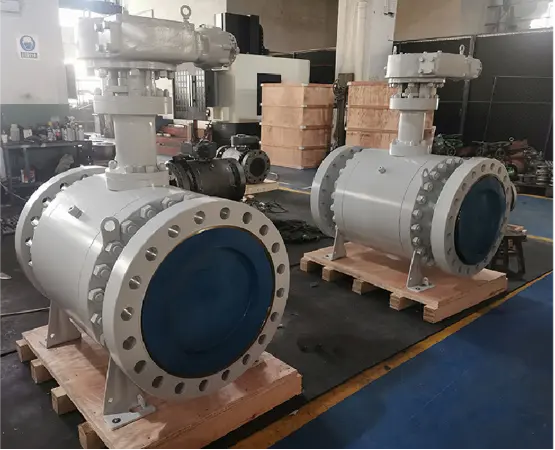
Learn how correct ball valve selection can improve piping-system energy efficiency by reducing unnecessary pressure loss, pump load, turbulence, leakage-related losses, and actuator oversizing. The guide explains full-bore versus reduced-bore ball valves, valve pressure-drop considerations, flow resistance, lifecycle energy cost, and practical selection factors for pump-driven industrial systems.
Tilting Disc vs Silent Check Valve Comparison
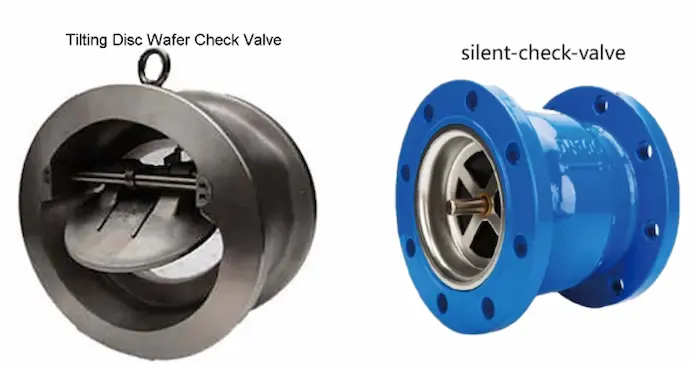
Compare tilting disc and silent check valves by closing mechanism, pressure loss, water-hammer control, installation space, noise level, and application. Tilting disc check valves provide low flow resistance for large, steady-flow pipelines, while spring-assisted silent check valves close rapidly to reduce reverse flow, noise, and pressure surges in pump discharge systems.
Isolation Valves vs. Gate Valves: What Is the Difference?
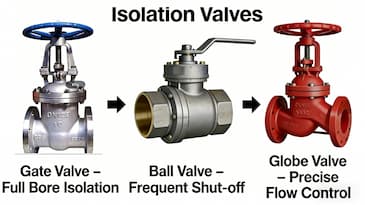
Compare isolation valves and gate valves by function, shut-off performance, flow resistance, operating frequency, maintenance, and application. Isolation valve is a broad category that includes gate, ball, butterfly, and globe valves, while gate valves are specifically designed for full-open or full-closed service with minimal pressure drop in large pipelines.
Floating vs Fixed Ball Valves: Key Differences Explained
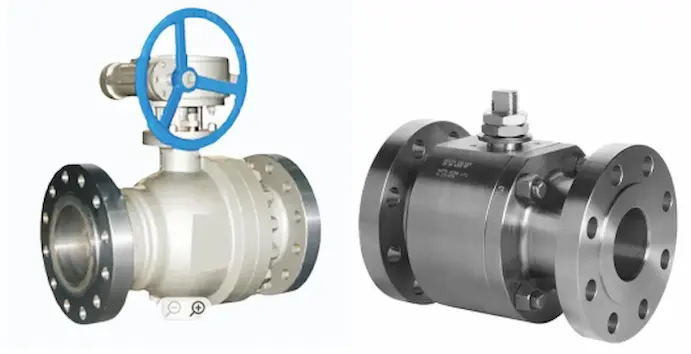
Compare floating and fixed (trunnion-mounted) ball valves by ball support, sealing mechanism, operating torque, pressure capability, valve size, cost, and application. Floating ball valves provide a simpler and more economical solution for small- to medium-size, low- and medium-pressure pipelines, while fixed ball valves offer lower torque and greater sealing stability for large-diameter, high-pressure oil, gas, power, and process systems.
Single Disc vs Double Disc Gate Valves Explained
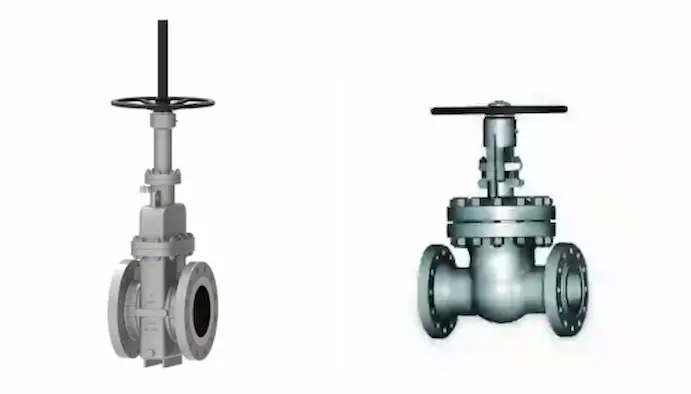
Compare single-disc and double-disc gate valves by disc structure, sealing mechanism, operating torque, pressure sensitivity, maintenance, and application. Single-disc gate valves offer a simpler, lower-cost design for stable high-pressure and high-temperature service, while double-disc designs provide better low-pressure and bidirectional sealing for water supply, wastewater, and other pipeline isolation systems.
V-Port Ball Valve: Advantages, Limits & Applications
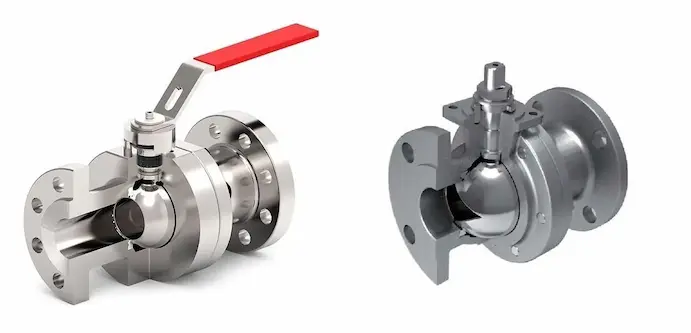
Learn how V-port ball valves provide better modulating control than standard on/off ball valves by using a V-shaped or segmented ball opening to create a more predictable flow characteristic. The guide explains key advantages, limitations, V-angle selection, actuator torque requirements, seat wear risks, cavitation and noise considerations, and when a dedicated globe control valve may still be required for precise or severe control service.